
Most couples don’t walk into therapy because of one dramatic blowup. They come in because the same small exchange has played out hundreds of times, and each round leaves a little more residue. Therapists often say the topic of the argument matters less than the shape of it.
Some of these shapes have been studied for decades, especially in the work of John Gottman and Sue Johnson. Below are ten patterns that show up again and again, along with what research says about why they do so much damage.
Criticism Instead of Complaint

A complaint targets a specific behavior, such as the dishes being left out. Criticism targets the person, turning that same moment into a verdict on character. Gottman’s research group has long described criticism as one of the “Four Horsemen” that predict relationship breakdown.
The difference is easy to miss in the heat of an argument. Saying “I felt overlooked when you didn’t call” invites a response, while “you never think about anyone” invites a defense. Therapists often coach couples to start with the feeling and the request instead of the accusation.
Defensiveness and Counterattack

Defensiveness feels like self protection, yet it usually reads as a refusal to take any responsibility. A partner raises a concern and gets an excuse, or a counter complaint, in return. The original issue never gets heard.
Over time, both people stop bringing things up because the conversation goes nowhere. Therapists tend to work on small acts of ownership, like acknowledging even a sliver of the problem before explaining anything. That one move often lowers the temperature considerably.
Contempt and Sarcasm
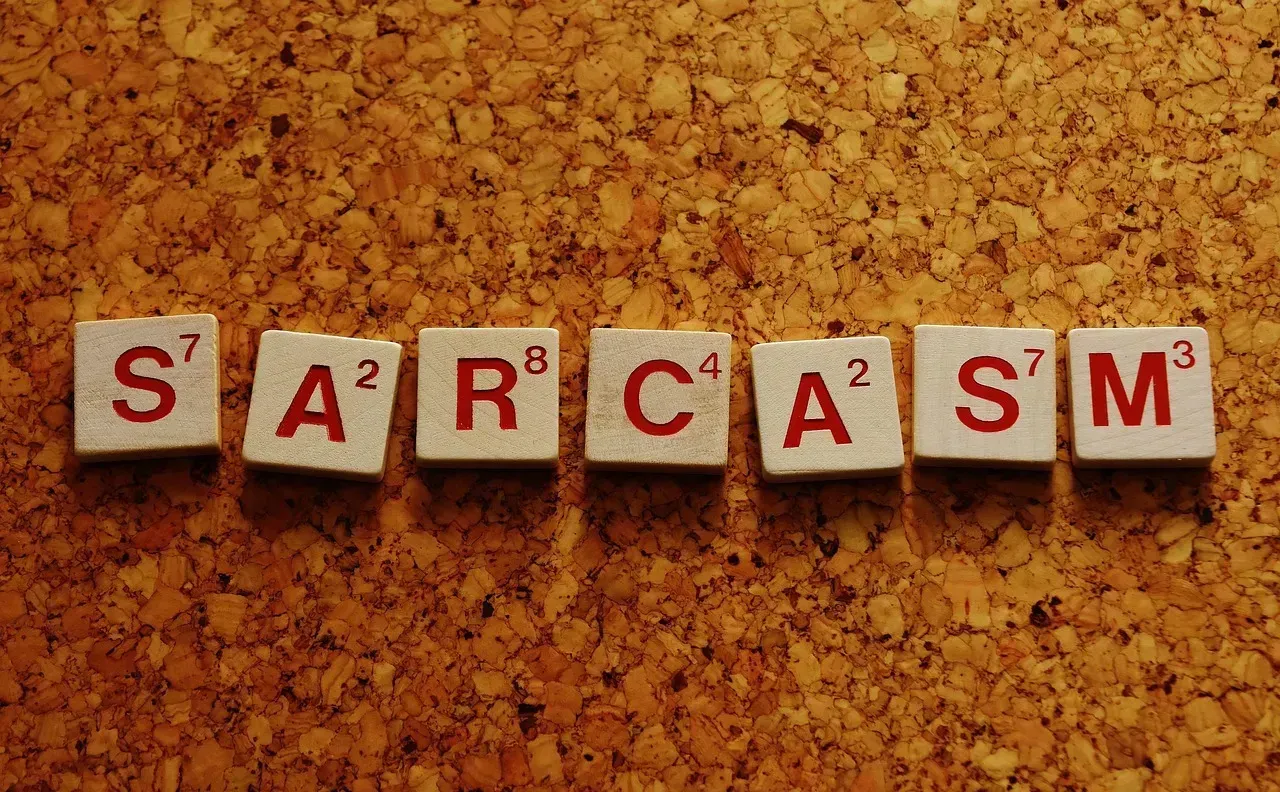
Contempt includes eye rolling, mockery, name calling, and a tone of superiority. Gottman’s work identifies it as the strongest single predictor of divorce among the Four Horsemen. It communicates disgust, which is far more corrosive than anger.
Sarcasm can look like humor, so couples often don’t notice how much it hurts. Therapists usually look for what sits underneath, which tends to be long unspoken resentment. Rebuilding a habit of appreciation and respect is the usual antidote.
Stonewalling and Shutting Down

Stonewalling happens when one partner goes silent, stares at the floor, or leaves the room. It’s often less about not caring and more about being physiologically overwhelmed. Gottman’s research describes this as emotional flooding, where heart rate climbs and clear thinking gets harder.
The other partner experiences the silence as rejection, which pushes them to pursue harder. Therapists often teach a planned break of at least twenty minutes, with a promise to return to the topic. The return is the crucial part, since a break without one just becomes avoidance.
The Pursue and Withdraw Cycle

One partner presses for closeness or answers, while the other pulls back to avoid conflict. Each response fuels the other, so the cycle tightens. Emotionally focused therapy, developed by Sue Johnson, treats this loop as the core problem in many distressed couples.
Neither person is the villain here. The pursuer is usually afraid of being abandoned, and the withdrawer is usually afraid of failing or being criticized. Naming the cycle, rather than blaming each other, is often the first real relief couples feel in the room.
Harsh Startup

Gottman’s research found that conversations tend to end the way they begin. If a discussion opens with blame, sharpness, or sarcasm, it’s very likely to go badly. His team reported that the first few minutes of a conflict conversation can predict the outcome with striking reliability.
A softened startup doesn’t mean hiding the issue. It means describing the situation, stating a feeling, and making a clear request. Therapists often have couples rehearse this in session until it stops feeling stiff.
Keeping Score and Bringing Up the Past

Some couples argue as though they’re building a legal case. Old offenses get stacked into the current disagreement, and every concession is tracked. Today’s issue becomes impossible to resolve because it’s carrying years of baggage.
Therapists often notice that this pattern signals unresolved hurt that never got a proper repair. Working through one old wound properly can do more than a hundred small fixes. Couples are also encouraged to stick to one issue at a time.
Missed Bids for Connection

A bid is any small attempt to connect, like pointing out a bird, sharing a headline, or sighing for comfort. In a well known Gottman study of newlyweds, couples who stayed married turned toward these bids far more often than those who later divorced. Those who stayed together responded in roughly nine out of ten cases, compared with about a third for those who split.
Missed bids rarely look like cruelty. They look like a partner staring at a phone while the other speaks. Therapists point out that closeness is built from these tiny moments, and that a distracted pattern slowly teaches people to stop reaching.
Mind Reading and Unspoken Expectations

Many struggling couples expect their partner to simply know what they need. When that doesn’t happen, disappointment gets read as proof of indifference. Meanwhile, the other partner has no idea a test was even happening.
Therapists encourage direct, specific requests, even when it feels less romantic. Assumptions also run the other way, with people guessing at motives and reacting to a story they invented. Asking a simple clarifying question often dissolves a fight before it starts.
Avoiding Hard Topics Altogether

Some couples rarely fight, and that can look like health. Yet therapists often see quiet distance in these relationships, where money, sex, or family stress go undiscussed for years. Peace is kept by leaving the important things unsaid.
Research on emotional intimacy suggests that feeling understood matters a great deal to relationship satisfaction. Avoidance blocks that understanding, so partners can feel like roommates. Starting with a small, lower stakes topic helps rebuild the habit of honest conversation.
Couples who recognize these patterns early have a real advantage, since every one of them can be changed with practice, structure, and sometimes the help of a trained therapist.





Leave a Reply