
You settle into your booth, grab the menu, and begin scanning the appetizers. Within seconds, your server has already sized you up completely. They’ve read your mood, guessed your table dynamics, and predicted how the next hour will unfold. Honestly, it’s a bit unsettling when you realize how much information they’re extracting from those first few moments.
Restaurant servers are essentially professional people-readers, trained by thousands of hours watching human behavior at its most revealing. That menu in your hands becomes a window into your dining personality. The way you hold it, how quickly you flip through pages, even where your eyes land first tells a seasoned server volumes about what kind of guest you’ll be. Let’s be real, these observations aren’t superficial. They’re practical tools that help servers calibrate their approach, anticipate your needs, and honestly, figure out how much energy this table will require.
So let’s dive in and uncover exactly what your server notices before you’ve even ordered your first drink.
How You Handle the Menu Reveals Everything
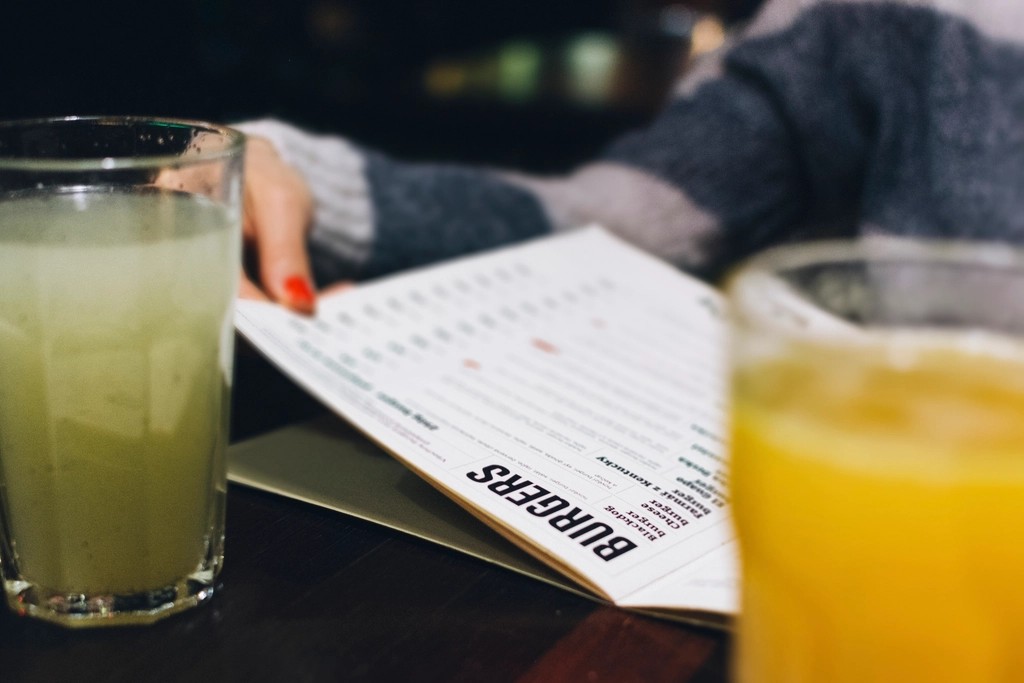
The second that menu lands in your hands, servers are watching. Do you grab it eagerly or let it sit untouched while you scroll through your phone? Servers are absolutely watching how you interact with that menu from the second it hits your hands.
Someone who immediately opens the menu and starts studying it signals decisiveness and hunger. They’re ready to order and probably won’t require multiple check-ins. On the flip side, guests who barely glance at the menu before setting it aside often need more time or don’t really care what they eat.
Here’s something interesting: servers notice if you’re scanning frantically versus reading methodically. Frantic scanning suggests indecisiveness or dietary restrictions that might complicate the order. Methodical reading indicates someone who takes dining seriously and might ask detailed questions about preparation methods. The way you physically hold the menu matters too. Death-gripping it with tension screams anxiety, while casually perusing suggests confidence and comfort in restaurant settings.
Your Eye Contact Habits Set the Tone Instantly
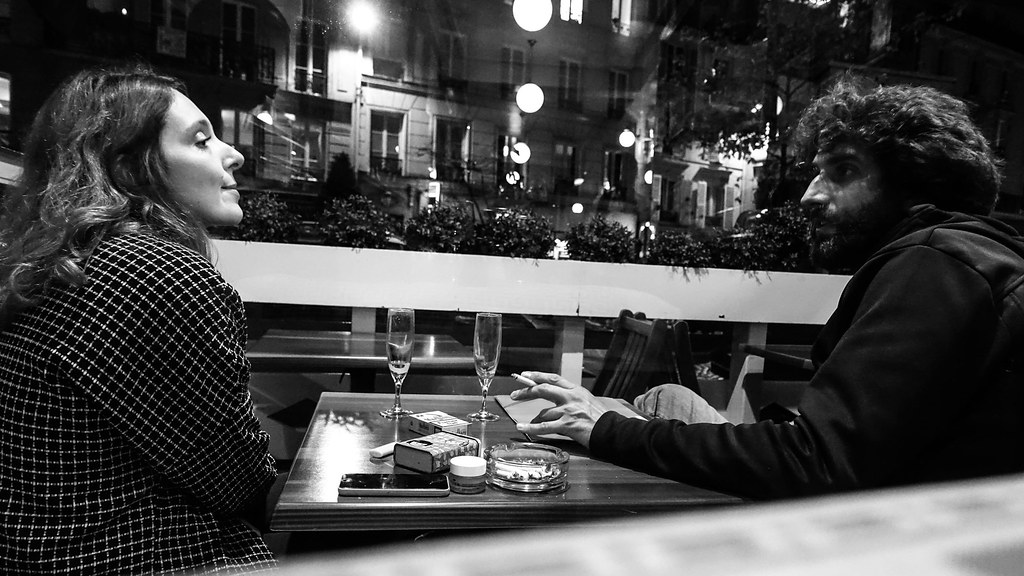
Making eye contact when your server approaches isn’t just polite, it’s a clear signal of how the interaction will go. Eye contact is the biggest indicator that someone was going to be friendly, or at least nice. Servers immediately categorize guests based on this simple gesture.
When you look up and acknowledge their presence, you’re communicating respect and engagement. Servers know you’ll likely be pleasant to work with, respond to suggestions, and probably tip fairly. Conversely, refusing eye contact while barking orders suggests you view them as invisible service robots rather than human beings.
The difference is stark and immediate. A server can adjust their entire approach within those first three seconds based solely on whether you bothered to make eye contact. Those who make genuine connection tend to receive more attentive service, better recommendations, and frankly, more patience when things go wrong.
The Speed of Your Menu Decision Telegraphs Your Personality
Some guests close their menus within ninety seconds. Others are still deliberating twenty minutes later. The speed at which you order matters too: rushing through your order like you’re reading a grocery list suggests impatience, while taking forever and changing your mind repeatedly signals indecisiveness that’ll likely continue throughout the meal.
Quick deciders usually fall into two categories: regular customers who know exactly what they want, or decisive personalities who make rapid choices in all life areas. These tables tend to be lower maintenance because they trust their instincts and don’t second-guess themselves.
Slow deciders present a different challenge. They might change their order multiple times, ask the server to come back repeatedly, or quiz the kitchen about every ingredient. Servers mentally prepare for extra trips to the table and potential complaints later. It’s not that indecisiveness is bad, it’s just that servers can predict it’ll require more energy and attention. The key is consistency. If you’re a slow decider, that’s fine, but recognize your server has spotted this pattern already and is planning accordingly.
Your Water Glass Behavior Is Weirdly Predictive
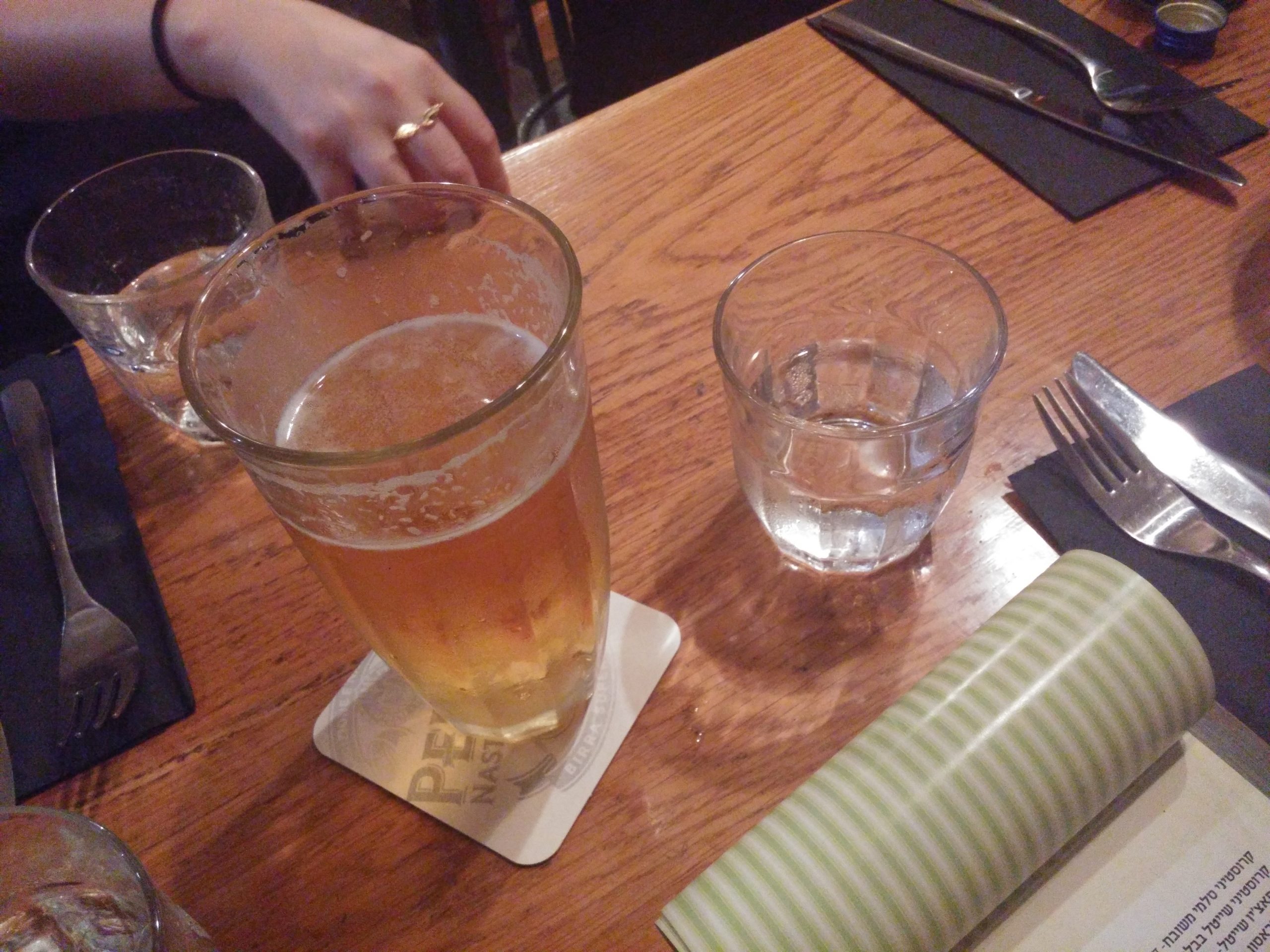
This one sounds bizarre until you hear the reasoning. Experienced servers have learned that water glass behavior is weirdly predictive: it’s like a crystal ball for how the rest of your meal service will unfold. The way you interact with that first glass of water reveals surprising amounts about your expectations and temperament.
Guests who immediately drain their water glass and then wait expectantly for a refill without asking tend to be high-maintenance. They expect constant monitoring and might become irritated if they have to request things. Meanwhile, guests who sip slowly and acknowledge refills with a quick thank-you are typically the golden customers every server hopes for.
Moving your water glass to a completely different spot on the table the moment it arrives signals controlling behavior. Servers recognize this as someone who needs everything exactly their way. Nothing wrong with preferences, but it’s a clear indicator that this table will likely have very specific requests throughout the meal. Watch your own water habits next time you dine out. You might be surprised what you’re unconsciously communicating.
How You Order Reveals Your True Character
The actual words you use when placing your order matter far more than most people realize. Someone who barks “I’ll have the salmon” without looking up sends a completely different message than someone who makes eye contact and says “Could I get the salmon, please?”
Tone and phrasing reveal respect levels immediately. Using phrases like “could I have” or “would you mind” positions you as someone who recognizes servers as equals deserving courtesy. Barking orders without pleasantries marks you as someone who views service staff as beneath you.
Servers also notice linguistic tells. Servers remember the customers who actually pronounce menu items correctly or ask how to say something rather than butchering it with misplaced confidence. Humility scores major points, while arrogant mispronunciation followed by doubling down does the opposite. The whole ordering process becomes a character test, and servers are taking mental notes that will affect their service level for the rest of your meal.
Who Controls the Table Becomes Obvious Immediately
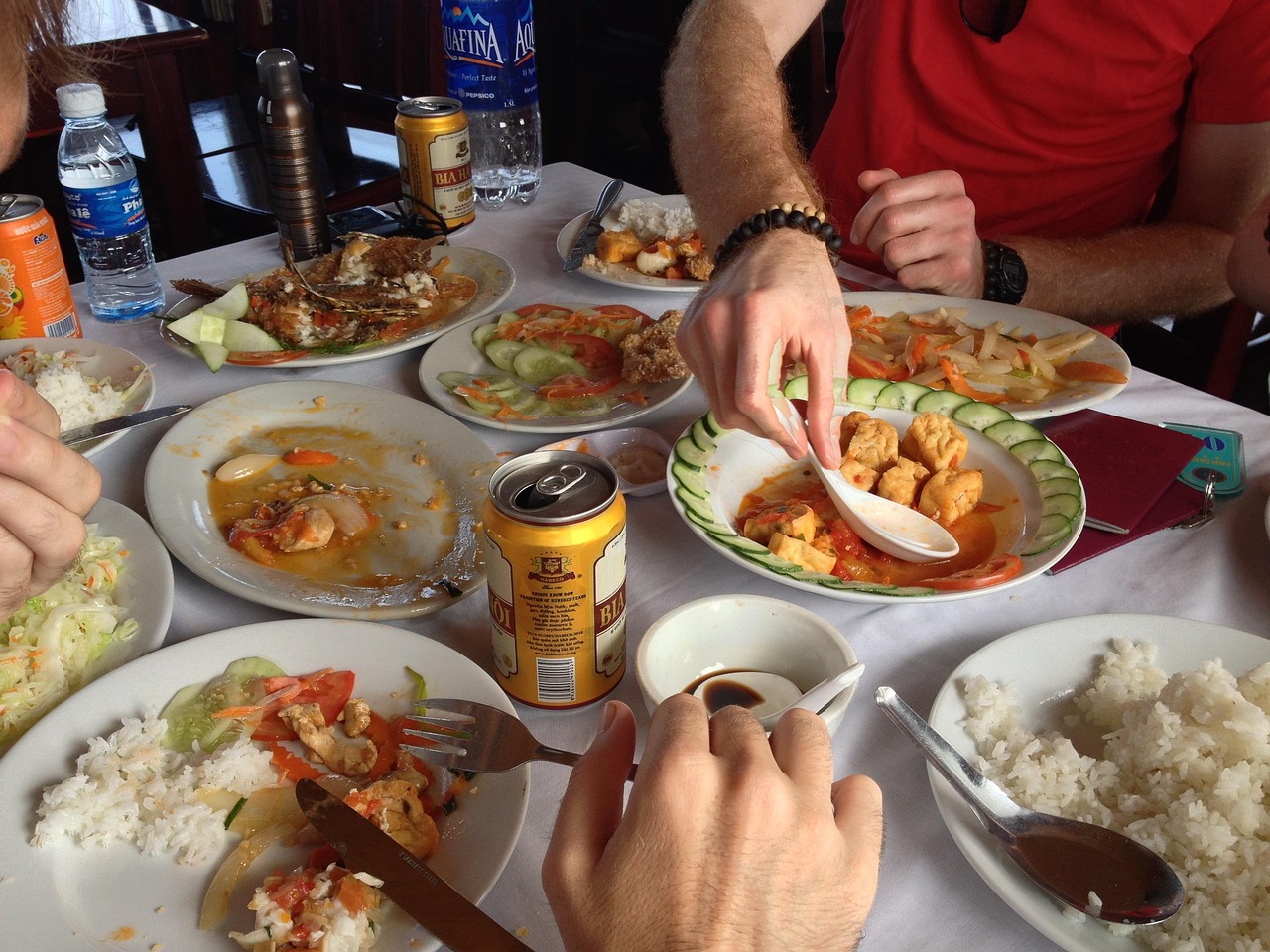
Within moments of approaching a table, servers identify the decision-maker. Within moments, servers figure out who’s calling the shots. Who’s holding the menu longest? Who’s asking all the questions? This person becomes the focal point for service, whether they realize it or not.
Smart servers adapt their communication style to match table dynamics. They’ll direct wine recommendations to whoever seems most interested in beverages, discuss preparation methods with the foodie asking detailed questions, and confirm dietary restrictions with whoever voiced concerns. Reading the power structure prevents awkward moments and streamlines service.
Sometimes the table alpha isn’t who you’d expect. Someone who insists on ordering for the whole table, makes fun of what someone else eats (or how they eat), dominates the conversation at the table, orders the waitstaff around like servants or is very demanding sends clear signals about table dynamics. These behaviors reveal not just who’s in charge, but what kind of energy the server will be dealing with all evening.
Your Tipping Potential Gets Assessed Immediately
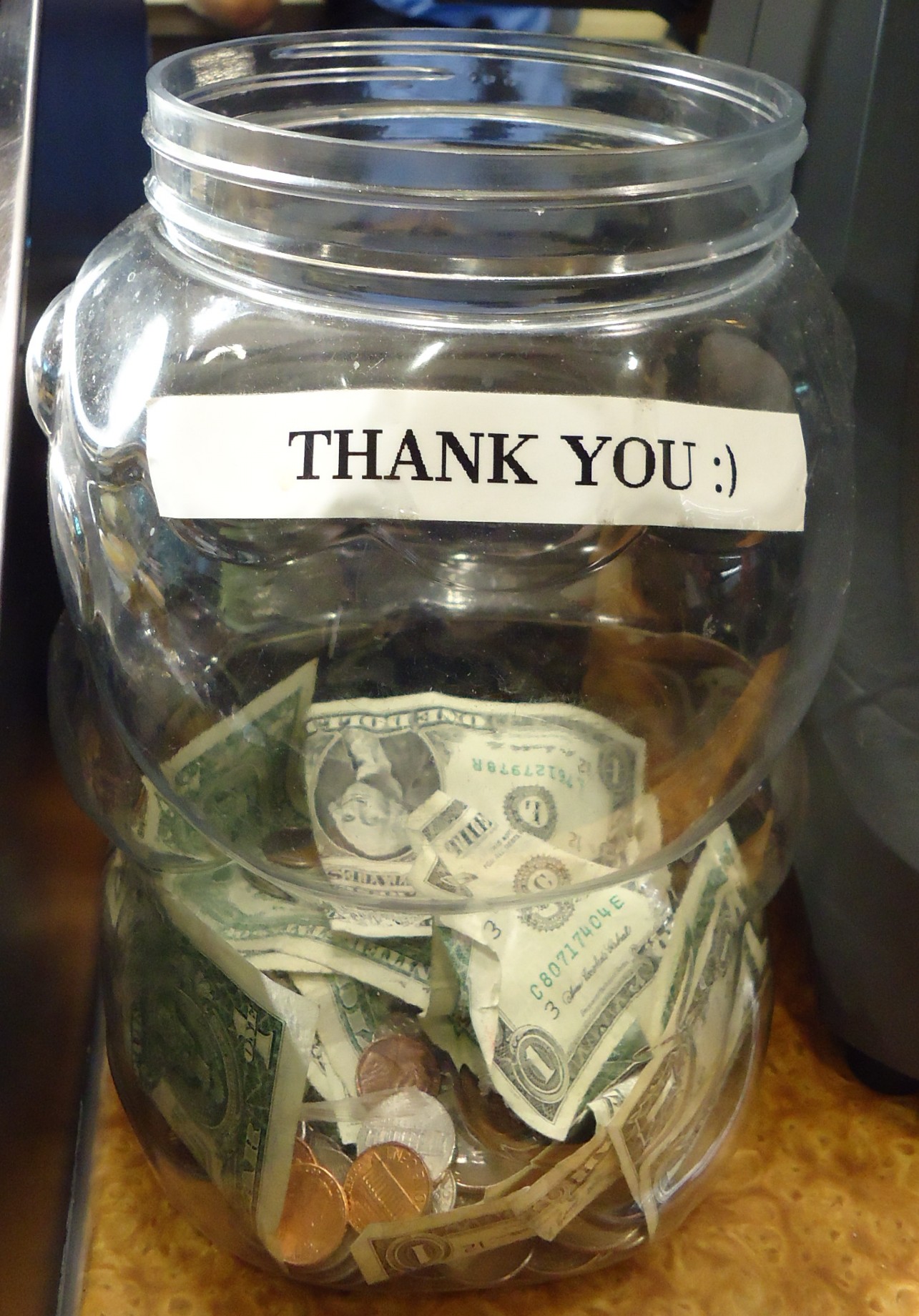
Let’s address the elephant in the room. Servers are trying to gauge tipping potential, though they’ll tell you it’s nearly impossible to predict accurately. Nationally, the average tip percentage in full-service restaurants was 19.8% in 2024. However, tips make up about 58.5% of a Waiter/Server’s earnings, on average, making this assessment critical to their livelihood.
Servers know stereotypes about who tips well are often completely wrong. Trying to judge who will tip or not based on their clothes is wildly unpredictable. The shabbiest-dressed characters can leave $100 bills, while the best-dressed have completely stiffed servers. So they look for behavioral cues instead.
Guests who make genuine connections, show patience, and treat servers with respect tend to tip better regardless of appearance. Those who snap fingers for attention, complain constantly, or treat servers dismissively rarely leave generous tips. Servers quickly assess which category you fall into based on tiny behavioral markers in those opening minutes. In 2024, satisfaction with full-service dining increased by 4% to a score of 84 out of 100, suggesting that many servers are successfully adapting their approach to match customer expectations. The relationship between service quality and tips remains deeply interconnected.
Your Mood and Stress Level Are Instantly Apparent
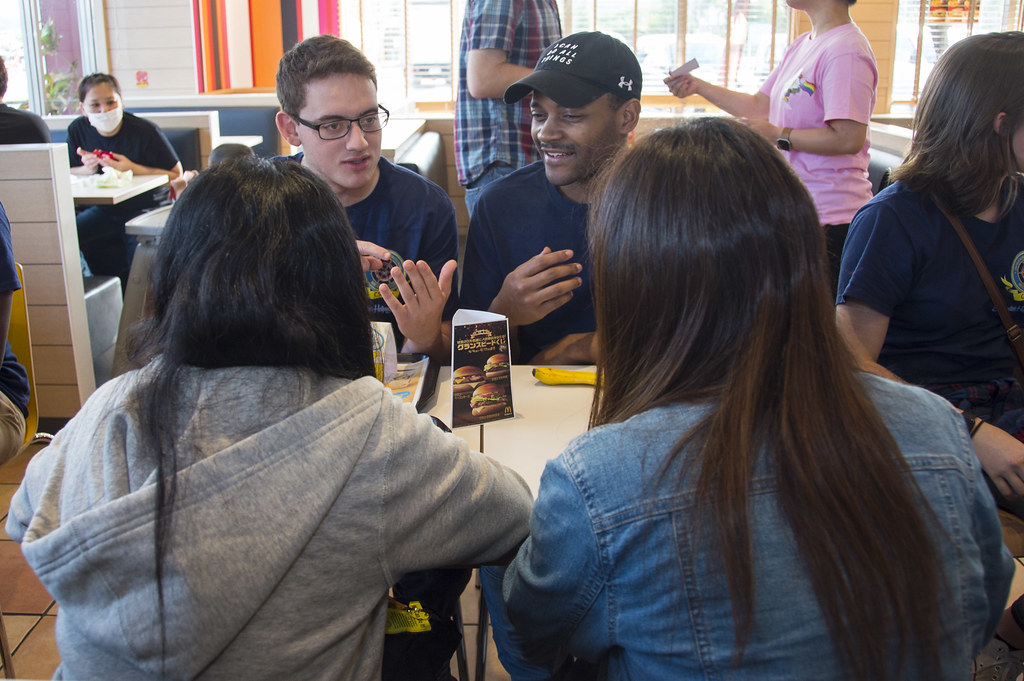
Facial expressions, body language, and conversation tone reveal your emotional state before you say a word. Servers continue to watch for cues in your facial expressions, your posture and the tone of your conversations to assess your mood and comfort level. This allows hospitality workers to adjust their service pace or how they approach future contact points with the table.
If you’re fidgeting, checking your watch, or sighing heavily, servers know you’re in a rush. They’ll prioritize speed over chatting, get orders in quickly, and minimize the time between courses. Conversely, relaxed guests who lean back and smile get a more leisurely pace with time to savor each course.
If you’re fidgeting, glancing around or checking your watch, a server may recognize you’re in a rush and speed things up. Conversely, if you’re leaning back, smiling and enjoying long conversations, they’ll likely slow the service, letting you savor your experience without feeling rushed. This adaptive approach is what separates good servers from great ones. They’re not following a script. They’re reading you and adjusting in real-time.
Your Questions About the Menu Reveal Expertise Level
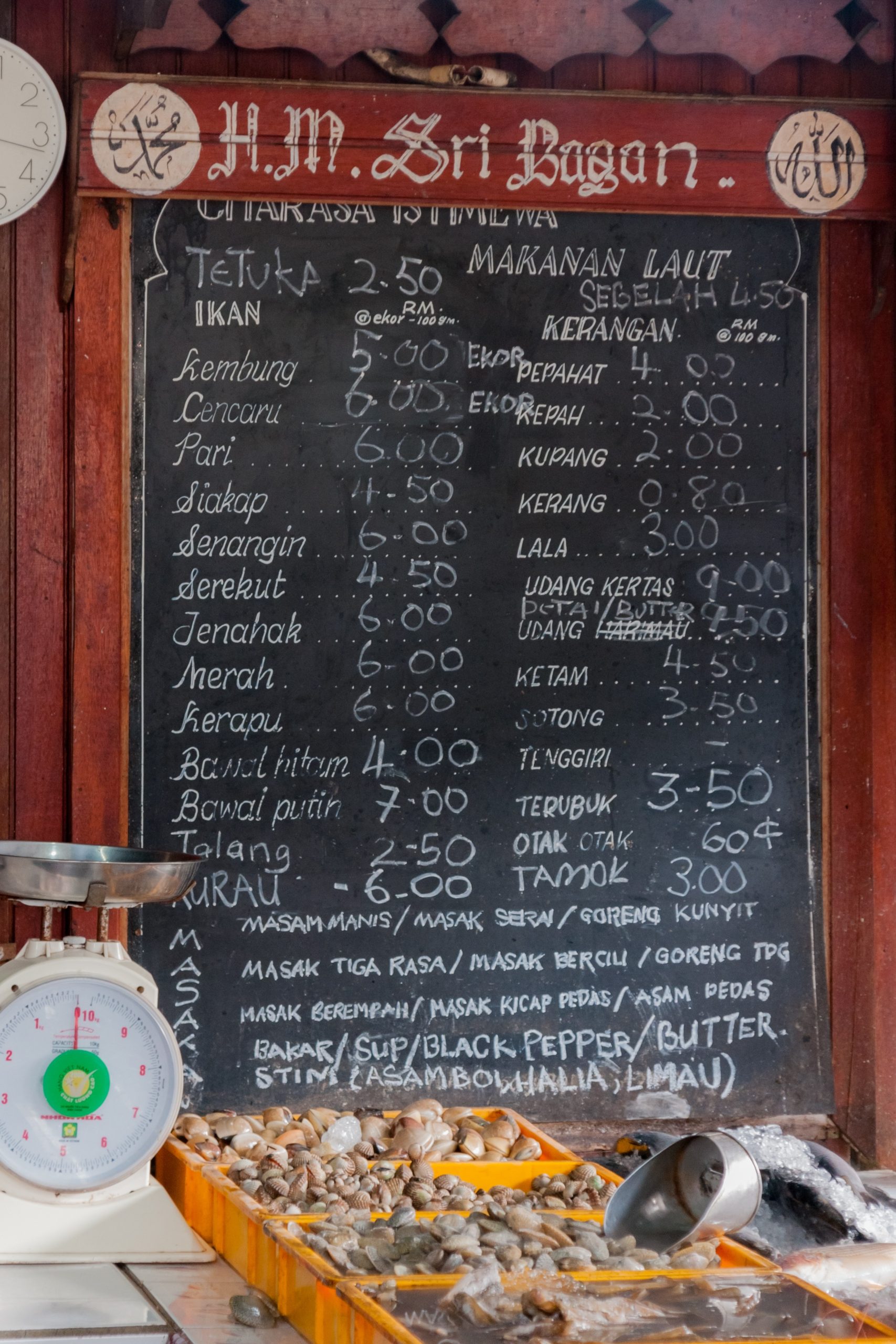
The types of questions you ask immediately signal your dining sophistication. Asking about preparation methods, ingredient sourcing, or wine pairings marks you as someone who knows food and expects quality. These questions show engagement and genuine interest.
Basic questions about what’s in a dish or how big portions are suggest less culinary experience. Nothing wrong with that, but it tells servers they might need to explain menu items more thoroughly and offer guidance. Meanwhile, guests who ask zero questions often either know exactly what they want or genuinely don’t care much about food.
When your table orders something that will take some time to prepare, it is very appropriate to offer an appetizer or soup, so that they are not left waiting for a long time before their food is ready. In this way, you have made the offer, and they have accepted it and ordered additional food, something they likely will not have done on their own. By making suggestions, you are ensuring your guests are comfortable and are having all their needs met. Servers use your questions to gauge how much selling and suggesting they should do.
Your Dining Companions Shape Service Approach
When you sit down at your table, servers usually notice who you are dining with. Is it two friends? Is it a date? You fish those things out just by talking to the guests and find out why they’re there. Noticing these types of details can help a server gauge how much attention each table will need, how to space out the order.
Date nights get handled differently than business dinners or family gatherings. Romantic couples receive more privacy, dimmer lighting if possible, and less intrusive check-ins. Business meals get efficient service that respects the need for conversation. Families with children trigger an entirely different protocol focused on speed and damage control.
The energy between dining companions matters enormously. Are you celebrating something special or having a tense conversation? Servers pick up on emotional undercurrents and adapt accordingly. According to the survey, respondents indicated a preference for eating at restaurants nearly 5 times a month. Dining out triumphs over takeout, with atmosphere and socializing driving preference: 55 percent prefer dining at restaurants over ordering takeout or delivery. The social aspect of dining drives much of the experience, and servers are trained to enhance whatever social dynamic you’re creating.
What do you think about it? Did you realize servers were picking up on all these subtle signals? Next time you dine out, you might find yourself more conscious of what your menu behavior is really saying.




Leave a Reply