
Anyone who has worked a housekeeping cart for even a single season can tell you that checkout day reveals a lot about a person. It is not about being a perfect guest or leaving a room spotless. It is about the small choices that separate a considerate traveler from someone who never once thought about who walks through that door next. Housekeepers rarely say anything to a guest’s face, but they remember the rooms, and certain habits come up again and again in interviews, surveys, and candid online threads.
Related: 12 Things Dog Owners Do That Trainers Say Confuse Their Pets
What follows are eleven checkout behaviors that housekeeping staff consistently flag as tone-deaf or disrespectful. None of them require a five-star cleaning job on your part. They just require a little basic awareness that a real person, often working under serious time pressure, is about to walk into the space you left behind.
Related: 10 Habits at a Hotel Breakfast Buffet That Scream “No Manners”
1. Turning the Room Into a Disaster Zone
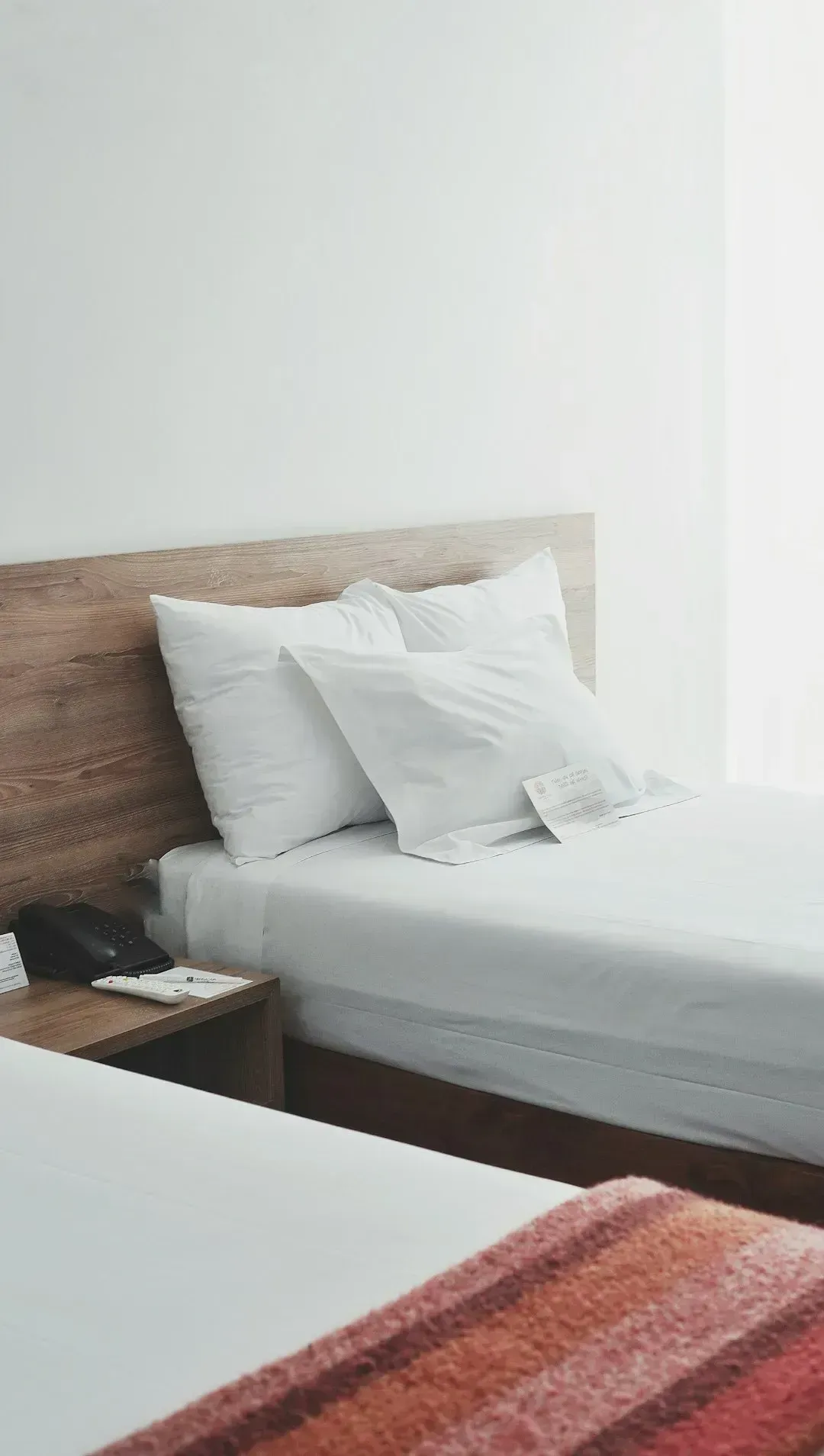
The single most common complaint housekeepers bring up has nothing to do with dirt itself but with sheer chaos. Former hotel housekeepers consistently report that leaving a huge mess at checkout is one of the most frustrating habits guests have, with trash scattered across the entire room instead of collected in one place, and towels thrown in separate corners rather than piled together, adding unnecessary time and effort to every turnover. It sounds like a minor inconvenience until you multiply it across dozens of rooms in a single shift.
Related: 10 Vacation Habits Gen X Grew Up With That Millennials Find Bizarre
It sounds minor, but across a full floor of checkouts, those extra minutes multiply fast. Housekeepers are not expecting a guest to fold clothes into neat piles or vacuum before leaving. Still, there is a wide gap between a lived-in room and one that looks like it survived a small storm, and staff say that gap is exactly what earns a guest a bad reputation in the break room.
Related: 6 Boomer Habits That Younger Couples Say They Notice in Their Relationships
2. Scattering Wet Towels Instead of Using the Bathroom
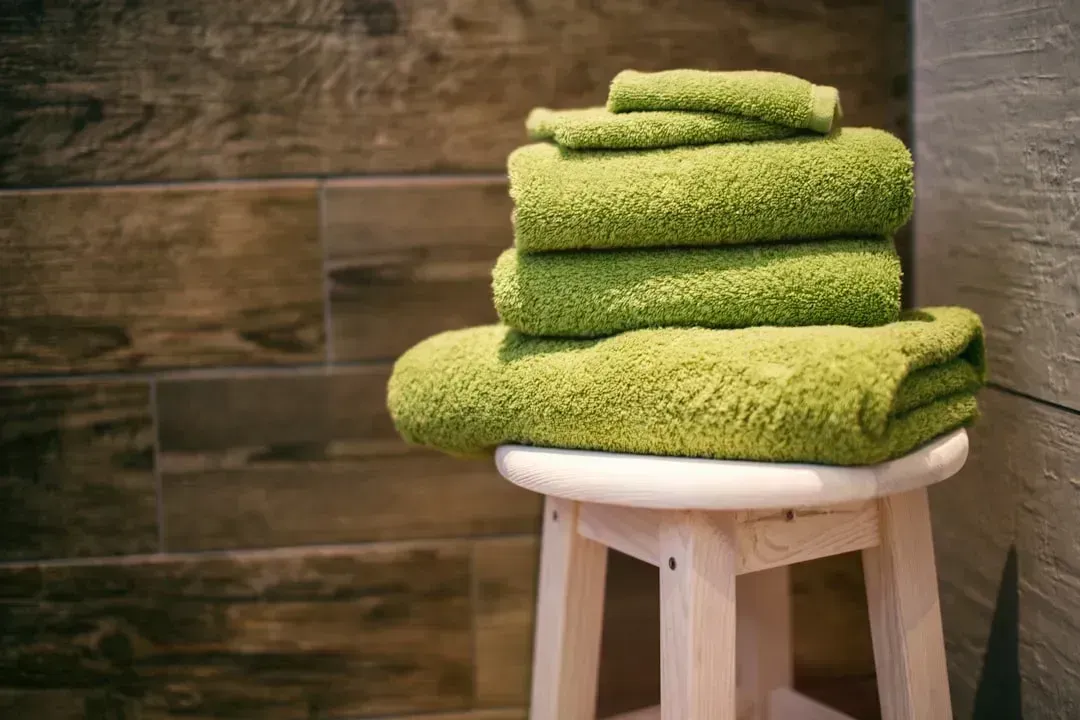
Wet towels dropped on carpet or draped over furniture cause damage that guests rarely think about. Etiquette experts suggest hanging used towels or leaving them neatly stacked in the bathroom, noting that leaving wet towels on the carpet or furniture can damage wood or fabric and leave stains or cause mold that may not dry in time for the next guest. That is not a small aesthetic issue, it is a maintenance problem that can take a room out of rotation.
Related: The All-Inclusive Resort Blacklist: 8 Amenities Staff Say to Skip
The fix costs nothing and takes seconds. Stacking used towels neatly in the bathroom takes seconds and saves real time for the person who follows you in. Housekeepers say this single habit, more than almost any other, signals whether a guest gave any thought at all to the next person checking in.
Related: 12 Everyday Habits That Etiquette Coaches Say Signal Good Manners
3. Using Robes and Linens as Makeup Wipes or Tissues
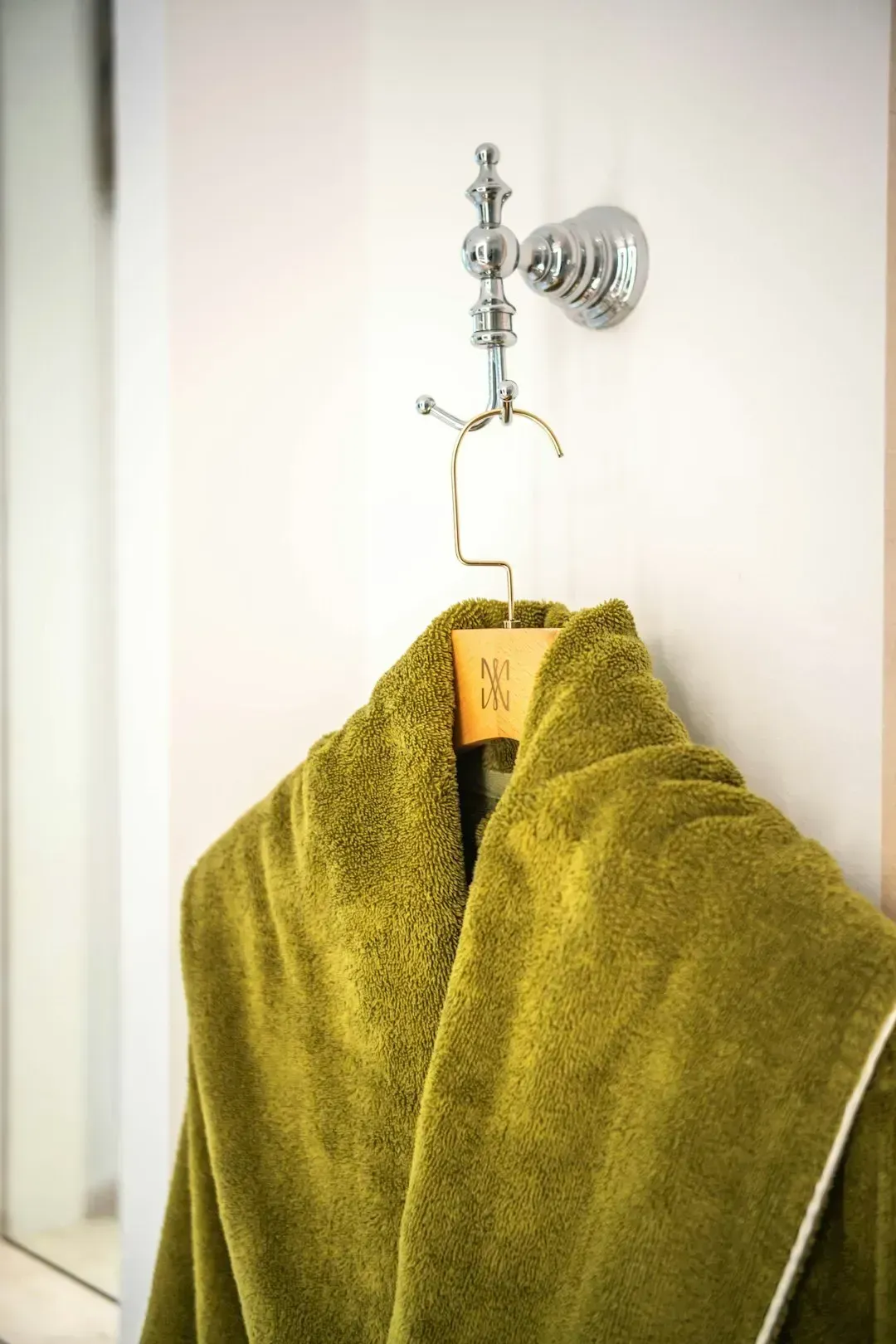
Bathrobes and pillowcases were never meant to double as cleaning cloths, yet housekeepers say this happens constantly. One clear etiquette rule is not to use a bathrobe as a tissue, since guests should not wipe their nose or anything else on hotel-supplied bathrobes, and the same goes for makeup. Stains from foundation, mascara, and skincare products are notoriously stubborn.
Related: 6 Items From the Airport Food Court Flight Attendants Say to Avoid
Etiquette experts have been direct about why this matters so much to the people doing laundry. Etiquette guidance advises against using the bathrobe provided by the hotel to wipe your nose or clean your makeup, since although it can be washed, it is difficult to remove stubborn stains. A single makeup wipe kept in your travel bag solves this entirely, yet it remains one of the most repeated grievances housekeepers share.
Related: 8 Habits Boomer Parents Had That Younger Generations Say They Couldn’t Live With
4. Leaving Room Service Trays and Food Containers Everywhere
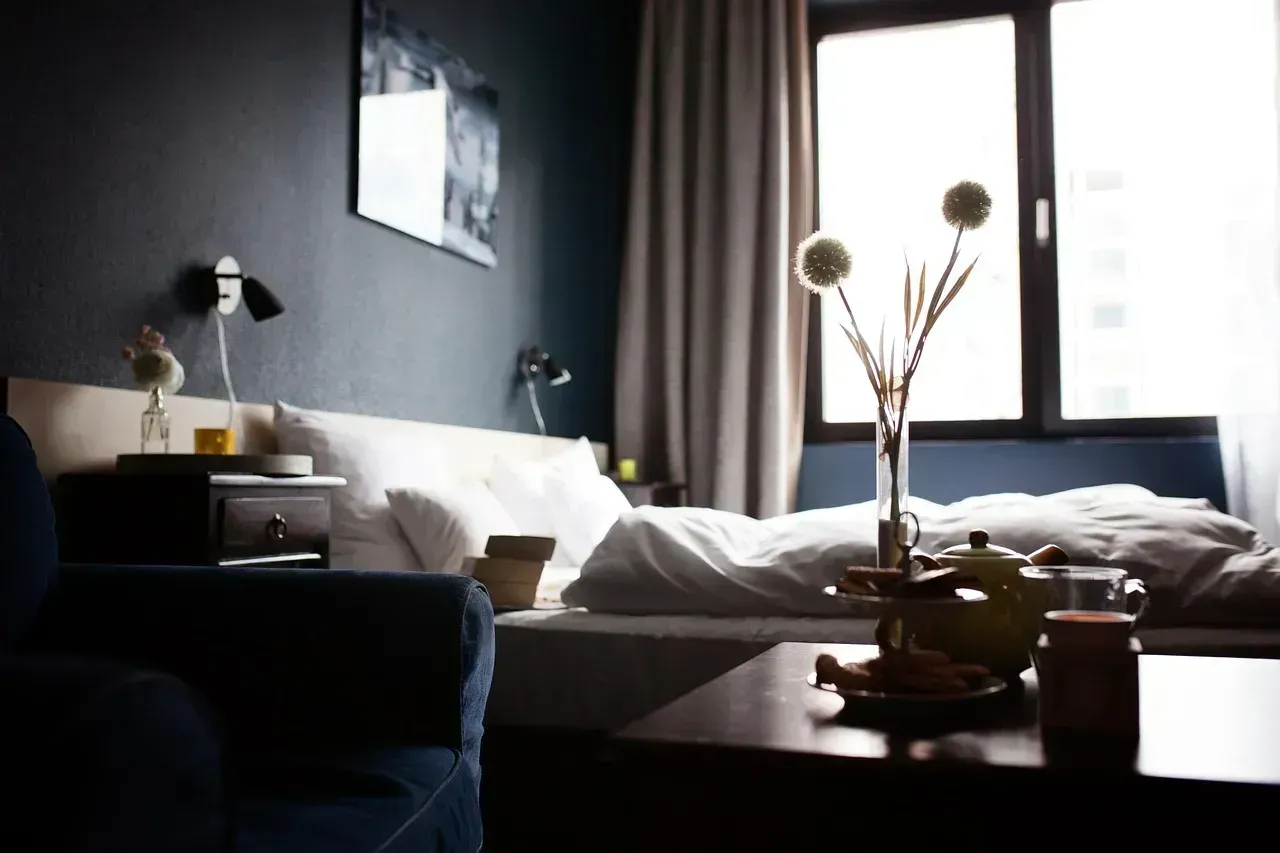
Food left behind does more than create extra work, it creates health and pest concerns that linger long after checkout. Housekeeping staff explain that leftover pizza boxes stacked on the desk, half-eaten takeout on the nightstand, and room service trays parked by the TV are all immediate red flags because these items attract pests and create odors that soak into fabric and carpet. Seafood leftovers are apparently the worst offenders.
Seafood containers left behind are apparently the worst offenders, since the containers left in the room for days created a smell that permeated everything and required industrial strength fresheners to combat. Most properties make disposal simple. If your hotel has a room service pickup system, use it, since some hotels ask guests to leave trays outside the door, while others have a phone number for pickup.
Related: If You Notice These 11 Habits in Your Cat, Here’s What They Mean
5. Leaving Hair Everywhere in the Bathroom
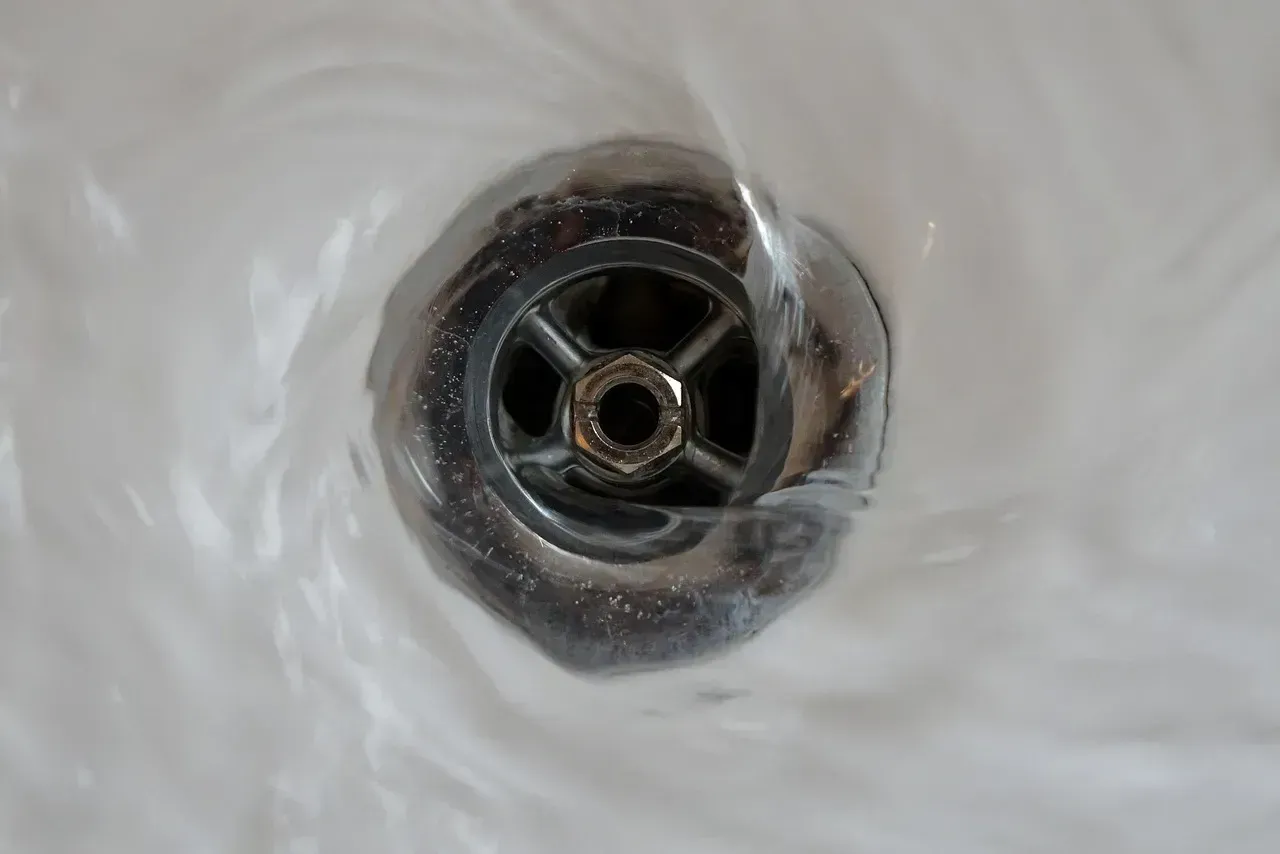
It sounds like a trivial complaint until you hear how often it comes up. Hair stuck to shower walls, wrapped around drains, or scattered across counters is one of the most commonly mentioned frustrations among hotel cleaners, and it is especially difficult to clean once it dries onto surfaces. Once hair sets into grout or drain covers, it takes real scrubbing effort to remove.
Housekeepers are not asking guests to disinfect the shower themselves. Nobody expects guests to scrub the bathroom before leaving, but large clumps of hair can be particularly unpleasant to clean, so gathering it up before you leave is a small courtesy that can save some extra work. A quick rinse of the drain area before you walk out makes a measurable difference.
Related: 10 Outdated Pet Care Habits That Alarm Vets When They Still See Them
6. Misusing the Do Not Disturb Sign
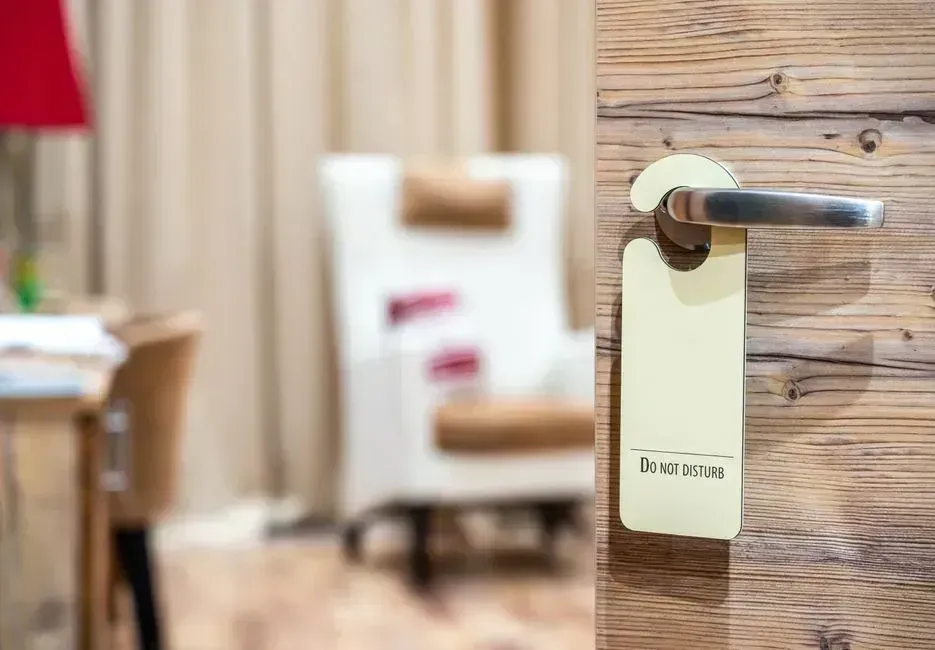
Few habits frustrate housekeeping teams more than a guest who blocks service all day and then complains about it. This is the single most common complaint housekeepers bring up, and it is almost always self-inflicted, with guests hanging the sign out first thing in the morning, disappearing for the day, and coming back furious that the room looks exactly like they left it, even though housekeepers cannot read minds and cannot walk through a locked door.
The sign exists for privacy and safety, not as a default setting for an entire stay. If you want the room serviced later in the day, a quick call to the front desk or removing the sign for an hour solves the problem instantly. Housekeepers say the disconnect between guest expectation and guest behavior here is almost entirely avoidable.
Related: Etiquette Experts Reveal These 12 Red Flags That Show Up the Moment You Walk Into a Party
7. Taking Items That Were Never Meant to Leave the Room
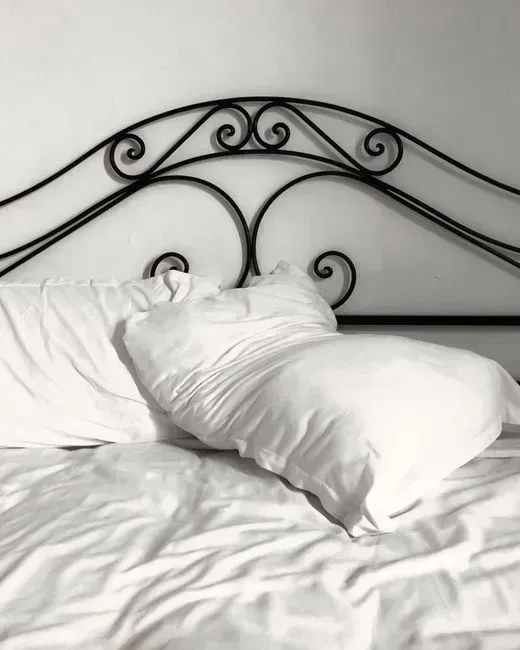
There is a real, if sometimes blurry, line between souvenirs and theft, and housekeepers say plenty of guests cross it without a second thought. Bathrobes and slippers are usually fair game to take home, while sheets, comforters, and pillows almost never are, with bed pillows, comforters, blankets, and sheets almost never fine to take and towels, hangers, and remote controls often billed automatically if missing.
Some cases go well beyond a single missing towel. In one account, a follow-up search revealed a king-size blanket stuffed into a bag as well, while family members had already carried four bed pillows out to the car, and had housekeeping not caught it, the family’s card would have been charged more than $600 to replace the bedding. Free toiletries and a notepad are one thing. Walking off with bedding is an entirely different kind of habit.
Related: 8 Secrets Fast-Food Staff Are Forbidden to Tell You, Former Employees Reveal
8. Helping Yourself to Supplies From the Housekeeping Cart
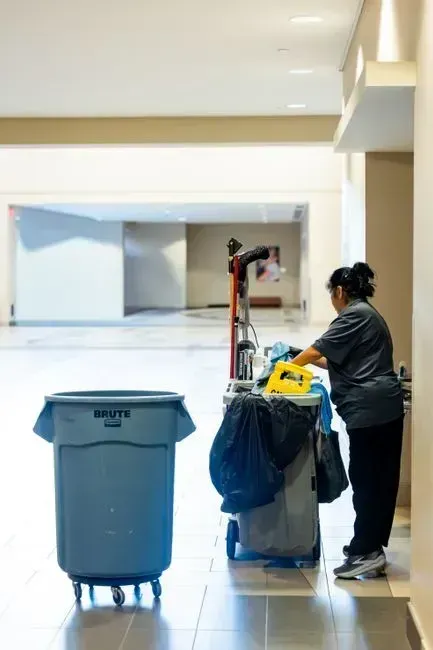
Housekeeping carts are stocked precisely for the number of rooms on a shift, and guests who raid them create shortages down the hall. Guests apparently help themselves to toilet paper, towels, and even cleaning tools directly from housekeeping carts without asking, and one cleaner said someone once stole their broom mid-shift.
It might seem harmless to grab an extra roll of toilet paper or a spare towel while a cart sits unattended in the hallway. Still, it leaves the housekeeper short for the next several rooms and forces an unplanned trip back to the supply closet. Asking the front desk for extra supplies takes the same amount of time and does not leave anyone else scrambling.
Related: My Grandmother Followed These 9 Cleaning Habits in the ’60s – How Many Do You Recognize?
9. Leaving Bodily Fluid Messes Without a Word of Warning

Accidents happen on the road, whether from illness, pets, or simple mishaps, and most housekeepers say they understand that. What frustrates them is silence. This is the habit housekeepers describe with the most visible frustration, since accidents happen but the real issue is guests who leave the mess behind without a single word of warning.
Reddit users have shared horror stories involving bodily fluids left for staff to clean, with housekeepers saying the issue is particularly acute when guests leave these messes behind without warning the hotel. A simple note at the front desk or a message to housekeeping changes the entire situation from a disrespectful surprise into a manageable heads-up.
Related: My Grandmother Listed 9 Household Habits She Grew Up With in the ’60s – How Many Do You Recall?
10. Lingering Past Checkout Without Telling Anyone
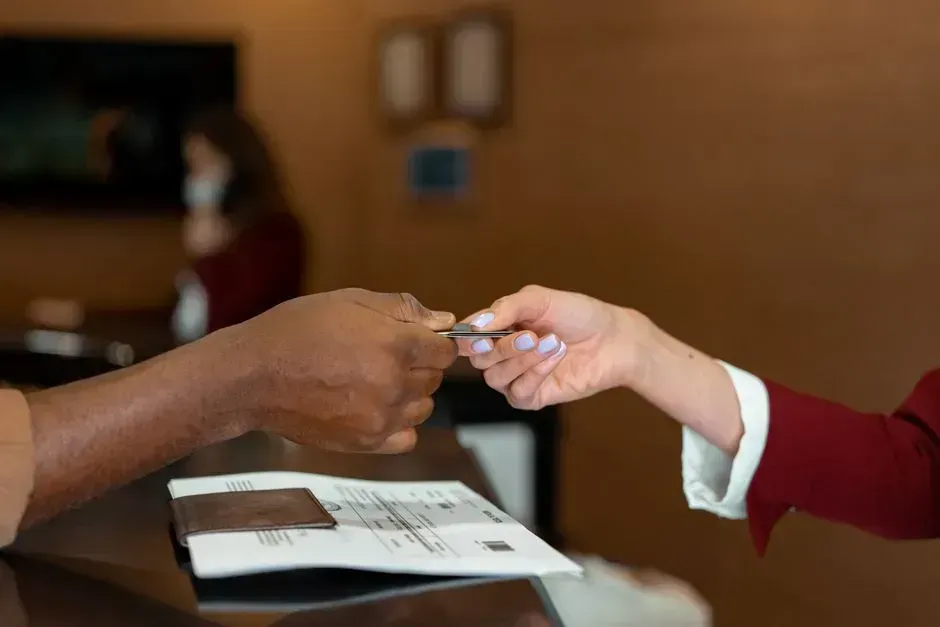
A few extra minutes in bed might feel harmless from the guest side, but it ripples through an entire schedule on the housekeeping side. Staying a few extra minutes might seem harmless, but late checkouts can throw off the housekeeping schedule, since rooms are usually assigned based on expected checkout times and staff need enough time to prepare each one for the next guest.
The solution is simple courtesy, not a complicated negotiation. If you need extra time, contact the front desk and ask about a late checkout rather than quietly staying past the scheduled time, since even a quick heads-up gives the hotel a chance to adjust its plans. Housekeepers say the silent, unannounced delay is what actually causes chaos, not the extra time itself.
Related: 10 Packing Habits Boomers Were Taught That Millennials Openly Ignore
11. Skipping the Housekeeping Tip Entirely
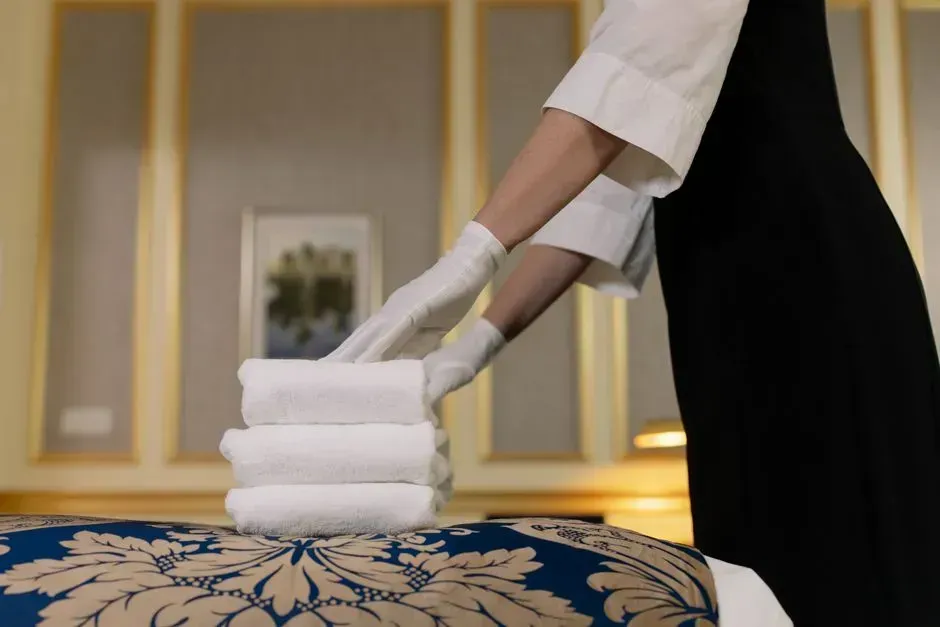
Housekeeping is consistently described as one of the most physically demanding jobs in hospitality, yet it remains one of the least visible and least tipped. Housekeeping is one of the hardest jobs in a hotel, and a tip is a meaningful way to show appreciation. Many travelers tip valets and front desk staff without a second thought, then leave nothing for the person who actually cleans up after them.
Industry guidance has settled around a fairly consistent range in recent years. The current standard is around five to ten dollars per night, left daily rather than at checkout since different staff may clean the room each day, and if there were extra guests, an unusual mess, or requested additional service, tipping on the higher end is appropriate. Skipping this entirely, especially after leaving a heavier mess than usual, is exactly the kind of habit that housekeepers say sticks with them.
None of these eleven habits require turning your hotel room into a spotless showroom before you walk out the door. Housekeepers are not asking for perfection, and most say they never expected it in the first place. What actually earns a guest a bad reputation is thoughtlessness, the kind that scatters trash across a room instead of a bin, hides a mess instead of flagging it, or treats a stranger’s labor as invisible.
The good news is that every item on this list takes only seconds to avoid. Gather your trash, stack your towels, communicate honestly about accidents or late departures, and leave a few dollars behind for the person who resets the room for the next traveler. It costs almost nothing, yet it is precisely the difference housekeepers say separates a guest they respect from one they talk about long after checkout.
Related: 12 Wardrobe Choices That Career Coaches Say Undermine Job Interviews





Leave a Reply