
There is a quiet but seismic standoff happening in the American housing market right now. Millions of baby boomers are sitting in large, often fully paid-off homes with empty bedrooms, and they have absolutely no plans to leave. Young families desperate for space are watching those houses stay dark and silent, season after season.
The data is striking, the reasons are deeply human, and the consequences for younger generations are very real. So what exactly is keeping boomers planted in homes that are, by almost every measure, too big for them now? Let’s dive in.
1. The Simple, Stubborn Truth: They Just Like It There
Here’s the thing that gets buried in all the economic analysis. Sometimes the reason is just… they love their house. When asked in a Redfin-commissioned survey why they’re staying in their current home, the majority of baby boomers said they just like their home and have no reason to move, making that the most commonly cited reason at 55%. That’s it. No dramatic financial calculation, no fear of the market. Just genuine affection for a place they’ve lived in for decades.
Nearly one in four boomers say they won’t move because of their emotional attachment to their home, while one in five don’t want to give up community ties and friendships. Think about what that means. A neighborhood isn’t just geography, it’s a web of relationships, routines, and memories. Asking someone to leave that behind at 70 is no small ask, regardless of how many bedrooms are sitting empty.
2. The Mortgage is Gone – and That Changes Everything
It’s understandable why boomers are holding on to their mortgage-free large homes, which are likely cheaper than what a new, smaller property might cost them now. Some 54 percent of boomers own their homes and no longer need to pay a mortgage, according to Redfin. Honestly, when you have zero monthly housing payments, the bar for “reasons to leave” shoots up dramatically.
The low housing expenses that come with a fully paid-off mortgage are keeping roughly two-fifths of boomer homeowners in place. Imagine swapping a mortgage-free four-bedroom in a neighborhood you love for a smaller home that now costs you $2,500 a month. For someone on a fixed retirement income, that math simply doesn’t work. It would be financial self-sabotage.
3. The Rate Lock-In Effect Is a Genuine Trap
Even boomers who still carry a mortgage face a very specific and almost inescapable dilemma. Boomers locked in ultra-low mortgage rates during the 2010s, often under three percent. With 2025 rates hovering above six percent, many see no financial upside to moving. Selling a home and buying a smaller one could actually mean paying more per month, not less. It’s counterintuitive, but it’s completely real.
Research from the Federal Housing Finance Agency found that each percentage point of lock-in reduces a mortgage-bearing homeowner’s probability of executing a sale by 18 percent. Multiply that across millions of boomer households and you begin to understand how a low-rate mortgage from 2012 can freeze an entire segment of the housing market for years. A Bankrate survey points to this well-entrenched pattern, where homeowners are unwilling to give up the historically low mortgage rates they secured during the 2020 pandemic and take on significantly higher ones today.
4. Downsizing Would Actually Cost Them More
I know it sounds crazy, but buying a smaller home is not cheaper in today’s market. Home prices are up roughly 40 percent since pre-pandemic, and mortgage rates are near 7 percent, up from about 4 percent before the 2020 pandemic. So a boomer who owns a four-bedroom free and clear is staring at a market where a smaller, supposedly simpler home carries a frightening price tag and financing costs they never had to deal with before.
Nearly one-third of baby boomers who own their home say they couldn’t afford a home like theirs in their neighborhood today. That line deserves a moment. The very same people being pressured to downsize have come to realize that if they sold, they might not be able to afford an equivalent replacement. The number of boomers who say they couldn’t afford a new home has grown from about one-quarter in 2024 to nearly one-third in 2025.
5. Their Home Is Now a Serious Financial Asset
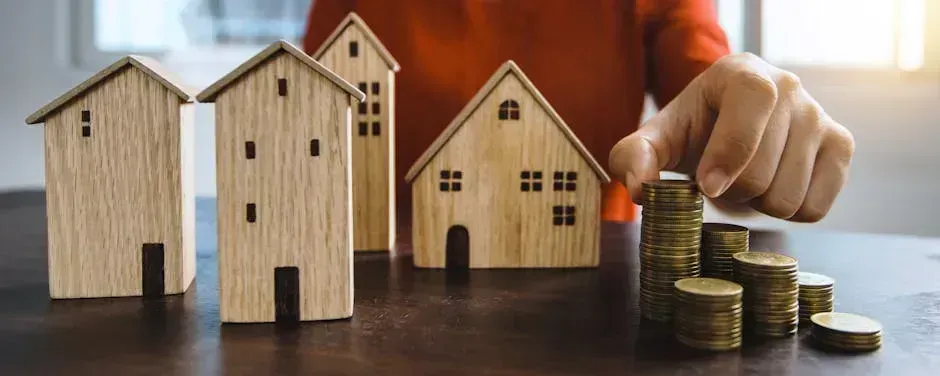
Baby boomers didn’t just buy homes. They accumulated wealth. As of the second quarter of 2024, baby boomers owned 17.3 trillion dollars, or half of the country’s home equity, according to figures from the Federal Reserve. That is an almost incomprehensible concentration of wealth sitting in residential real estate. Letting go of that equity vehicle, especially in an uncertain economy, requires a compelling reason.
More than three-quarters of boomer homeowners primarily credit owning their homes for their financial security, while the overwhelming majority say owning leads to a more stable home life. Two-thirds see owning a home as one of their greatest financial achievements. Selling a paid-off appreciating asset to rent or buy something smaller and more expensive is, from a pure wealth perspective, a genuinely difficult move to justify.
6. They’re Planning to Leave It to Their Kids

For many boomers, that four-bedroom house isn’t just where they live. It’s what they plan to leave behind. Among the factors cited by boomers for not selling, planning to leave homes as inheritances ranked notably high, with about one-third citing it as a reason to stay put. The house isn’t seen as a burden or an oversized inconvenience. It is, in their eyes, a gift in the making.
According to survey data, roughly three-quarters of boomer homeowners, regardless of gender or race, intend to leave their existing residence or the money from the sale of their house to their surviving children or relatives. Meanwhile, nearly two-thirds of millennials and Gen Z expecting an inheritance anticipate receiving real estate. This creates a strange holding pattern where homes stay off the market for decades, only to transfer through estates rather than through traditional sales.
7. The Extra Bedrooms Are Being Put to Work
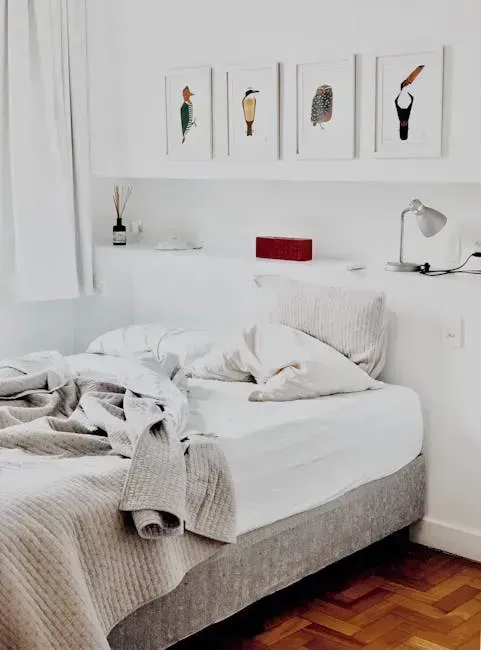
Empty nest doesn’t mean empty rooms. Not really. Despite their kids having long left the nest and their households having shrunk to one or two people, boomers are turning the extra bedrooms into hobby rooms and guest rooms for visiting family members. An art studio, a craft room, a library, a room for the grandkids when they visit. These spaces have been reclaimed and reimagined.
Some baby boomers are happy in their large homes, using the extra bedrooms for hobbies and visiting family. It’s worth pausing on what “visiting family” means to someone in their late 60s or 70s. Adult children arrive with their own children. Holiday gatherings need space. A home with multiple bedrooms becomes a hub, a gathering place with deeply sentimental value. Shrinking that home doesn’t just cost money. It changes the family dynamic.
8. Aging in Place Has Become the Plan

Baby boomers are increasingly committed to aging in place, with 61 percent never planning to sell their homes. This is a real cultural shift. Previous generations moved into retirement communities or assisted living much earlier in life. Today’s boomers are wealthier, healthier, and far more determined to stay where they are. Think of it less like stubbornness and more like strategic independence.
Housing features that boomers are most interested in as they age include a well-designed kitchen with lots of counter space, as well as more age-specific options like few or no stairs, a ground-floor master bedroom, and grab rails in showers. Many are actively retrofitting their current homes rather than moving. Among boomers intending to stay put, over half say a serious health issue could change their mind, while about two-fifths would consider selling only if their home became too difficult to maintain.
9. Their Generation Dominates the Market – And Knows It

While baby boomers comprise just over 20 percent of the U.S. population, they account for more than 37 percent of homeowners nationwide. That kind of lopsided market power gives an entire generation a structural advantage that younger cohorts simply don’t have. Baby boomers own nearly three in 10 large homes in the nation, almost twice as many as millennial households with kids.
The market, in a real sense, is shaped around them. Baby boomers now make up the largest generational group of home buyers, according to the National Association of Realtors. NAR’s 2025 report found that the combined share of younger and older boomers rose to 42 percent of all home buyers in the past year. So not only are they not selling their large homes, many are buying additional properties, often with cash. Nearly half of boomer homebuyers had enough liquidity to avoid financing altogether.
10. They Simply Don’t Want to Start Over
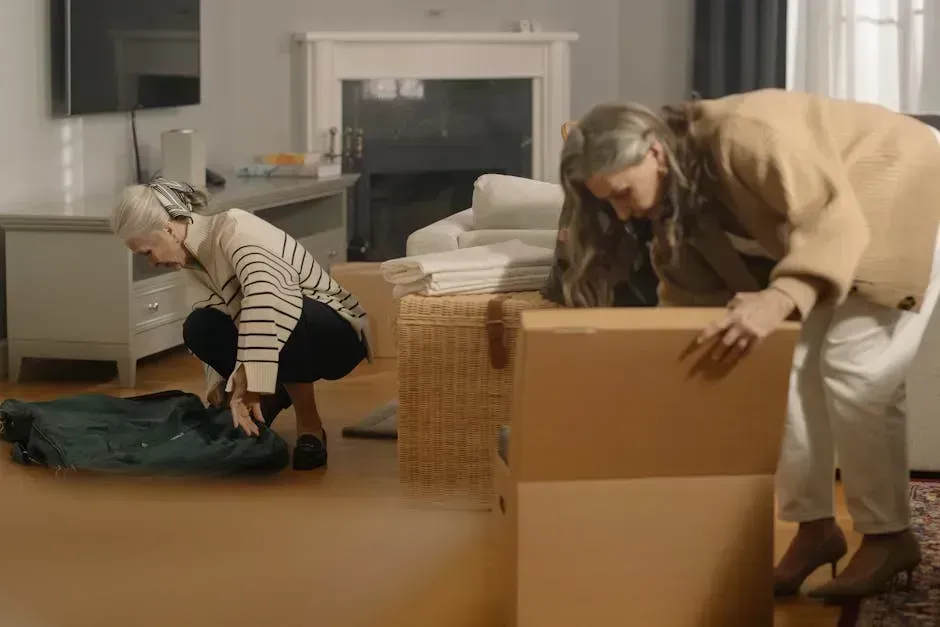
There’s a psychological dimension to this that doesn’t always make it into the data. Among the key factors cited by boomers for not selling, not wanting to start over ranked as a significant reason, mentioned by more than a third of respondents. After 20, 30, sometimes 40 years in a home, the idea of packing up, hiring movers, finding new doctors, building new routines, and learning a new neighborhood feels exhausting. And honestly? It probably is.
The overwhelming majority of boomers say they would regret giving up independence to move in with family or into a retirement community. Independence is everything to this generation. It’s baked into their identity. Just 10 percent of boomers plan to sell within the next five years, down from 15 percent in 2024, meaning that roughly nine out of ten of the homes owned by this generation won’t hit the market until the 2030s. That’s not inertia. That’s a conscious, stubborn, deeply personal choice.
11. The “Silver Tsunami” Was Always a Myth – At Least for Now

For years, analysts predicted a wave of boomer home sales that would flood the market and solve the inventory crisis. It hasn’t come, and it may not come anytime soon. Mark Fleming, chief economist with First American, says that it will take much longer than expected for mass downsizing to be complete, noting that baby boomers are staying in their homes longer because they’re wealthier, healthier, and able to stay in place longer than generations past.
Homeownership retention rates have increased over time with longer life expectancies and healthier outcomes for older people. The average baby boomer is 67 years old and will live another 21 years. That’s two more decades of a four-bedroom house potentially sitting off the market. The impact of baby boomers aging out in the coming decades will somewhat alleviate the inventory crunch, but it might not be enough to meet the housing demand of younger generations. The “tsunami” is, as one economist bluntly put it, more of a slow trickle.
Conclusion
The story of boomers and their big homes isn’t really a story about selfishness or stubbornness. It’s a story about financial logic, emotional attachment, market forces, and a generation that earned its grip on a piece of the American Dream and sees very little reason to let go. Older Americans hanging onto their homes is one reason it’s difficult for younger Americans to find and afford houses, especially houses large enough to fit a family.
The tension here is real, the consequences are measurable, and no easy solution is in sight. A home is never just a home. It’s identity, security, history, and future legacy all wrapped in four walls. Understanding that might not solve the housing crisis, but it’s the only honest place to start.
What do you think? Should boomers be incentivized to sell, or is staying put simply their right? Drop your thoughts in the comments.





Leave a Reply