
Baby boomers have a reputation for frugality. They lived through economic cycles that younger generations haven’t faced, built wealth over decades, and like to remind anyone within earshot that they didn’t waste money on avocado toast. There’s real substance to some of that self-image. This generation has accumulated more than half of the nation’s total wealth, commanding estimates reaching as high as $88.5 trillion in total assets in 2025 while representing about twenty percent of the population.
Yet the gap between what boomers say and what the data actually shows is wider than most expect. Boomers were more likely than other generations to say they never waste money, but that doesn’t mean waste isn’t happening. It just shows up a little differently. Here are twelve money traps boomers claim to sidestep, along with an honest look at whether they actually do.
1. Carrying Credit Card Debt

Ask most boomers about credit card debt and they’ll tell you they pay it off every month. It’s practically a point of generational pride. The story they tell themselves is that they grew up with cash, lived within their means, and never got seduced by plastic the way younger consumers did.
Reality pushes back. The average credit card debt for boomers sits at around $6,795, and more than four out of five boomers carried credit card debt in 2025, a higher rate than millennials or Gen Z, according to Experian. Among boomer financial regrets, thirteen percent say they took on too much credit card debt, making it the second most commonly cited regret after not saving earlier for retirement.
2. Living Paycheck to Paycheck
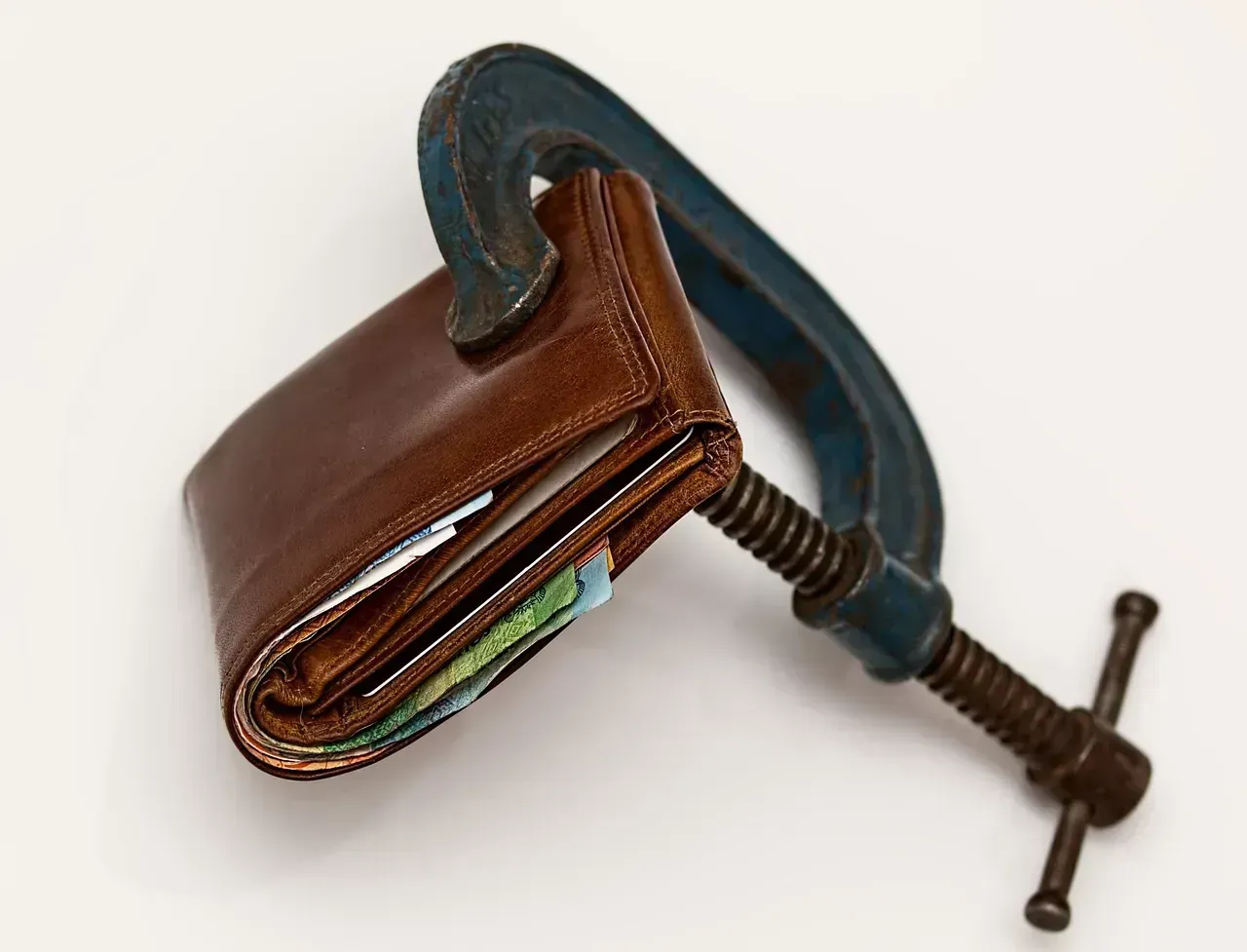
Boomers frequently position themselves as the generation that saved consistently, never overextended, and kept a comfortable buffer in the bank. This narrative carries real weight in some households, particularly those who built steady wealth over long careers. The trouble is, the picture across the whole generation is considerably messier.
More boomers reported living paycheck to paycheck in 2025 than in 2023, meaning their spending on necessities consumed more than ninety-five percent of their income, according to the Bank of America Institute. Meanwhile, roughly one in six people in this age range reported having no emergency savings at all, according to 2025 Bankrate data.
3. Wasting Food

Boomers grew up hearing about not wasting food. Many were raised by parents who lived through genuine scarcity, which shaped an almost reflexive awareness around waste. The ethos of finishing what’s on your plate and using up leftovers is practically part of the generational identity.
Specifically, boomers are more likely than the average consumer to waste food by throwing out leftovers or expired items, according to a recent survey by Motley Fool Money. Throwing out leftovers and expired food from the grocery store is a common phenomenon across the age divide, with the average sitting at twenty-one percent, placing it as the fourth most common wasteful spending habit in a 2026 study.
4. Overspending on Utilities

Boomers are generally associated with switching off lights and turning down the thermostat. It’s the kind of habit that gets mythologized in family stories about dads walking through the house unplugging things. The frugality around energy use feels like bedrock boomer behavior.
According to Motley Fool Money survey data, boomers are also more likely than the average consumer to leave appliances or utilities running unnecessarily. The average utility cost to run a typical American home is $610 per month in 2026, according to Ruby Home, and small inefficiencies compound quickly over a multi-decade retirement on a fixed income.
5. Brand Name Spending

There’s a common assumption that boomers are savvy shoppers who compare prices and hunt for value, not status. They’re not the generation chasing designer labels, the thinking goes. They want reliability and proven quality, not a logo.
A recent survey by Motley Fool found boomers are more likely than the average consumer to stick to brand-name pantry items rather than cheaper store-brand alternatives. Individually, these habits might seem harmless, but they can add up and gradually become more expensive as living costs rise. In the twelve months through January, food, utility gas service and electricity prices rose by meaningful margins according to the Bureau of Labor Statistics. For a generation heading into, or already in, retirement, those extra costs can chip away at already stretched savings.
6. Buying Lottery Tickets
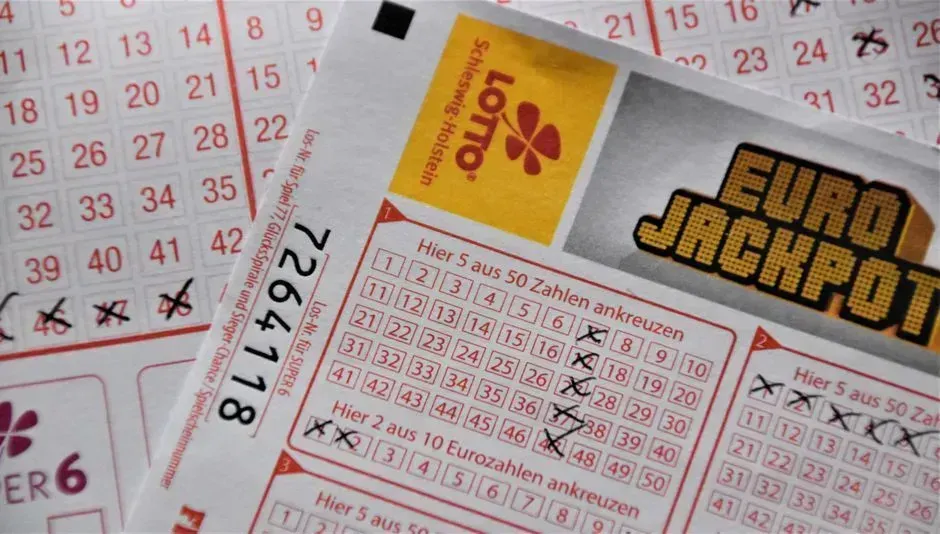
Boomers often cast themselves as practical investors who put money to work in real assets rather than long-shot bets. They saved. They invested in mutual funds and real estate. They didn’t throw money away on games of chance, or so the story goes.
Motley Fool’s survey found that boomers are more likely than the average consumer to regularly purchase lottery tickets. This is a particularly costly habit given the financial reality of retirement. Individually these habits might seem harmless, but they can add up and gradually become more expensive as living costs rise, according to Bureau of Labor Statistics figures tracking food, utility, and energy prices.
7. Speculative Investing

Boomers take quiet pride in having built wealth through steady, long-term investing rather than chasing trends. The narrative is that ed the get-rich-quick schemes and kept their portfolios grounded in sensible, proven assets. Many genuinely did exactly that.
Many boomers who achieved financial discipline didn’t engage in speculative options trading and had fewer ways to gamble away their money, partly because sports betting and online casino apps did not exist when boomers were building wealth. Many of them focused on long-term assets like real estate and mutual funds. Still, the trap now is assuming past discipline automatically carries over into a retirement environment full of new financial products and platforms they weren’t trained to evaluate critically.
8. Ignoring Healthcare Costs

Boomers often claim they’ve always been mindful about healthcare expenses, particularly those who maintained employer-sponsored coverage throughout long careers. The assumption is that Medicare handles what’s needed and retirement planning already accounted for medical bills.
Fidelity Investments estimated that a 65-year-old who retired in 2024 would spend an average of $165,000 on healthcare costs throughout retirement. Total insurance premium costs surged by 342% from 1999 to 2024, compared to mean worker earnings growth of just 119%, according to research published by JAMA Network. The trap is believing past coverage habits are sufficient preparation for what retirement healthcare actually costs.
9. Lifestyle Inflation

Ask a boomer about lifestyle inflation and many will say they always lived within their means, that raises went into savings rather than bigger houses or fancier cars. The thrift narrative is deeply embedded in how this generation talks about its own financial history.
Boomers grew up during prosperous times and many enjoyed strong salaries and career stability, but overspending can catch up with anyone. It’s easy to let lifestyle creep set in, where each raise goes to nicer cars, bigger houses, and fancier vacations instead of savings. Bigger apartments, nicer cars, and pricier habits quietly lock in higher monthly costs. Many learned too late that once lifestyle inflation sets in, it’s incredibly hard to reverse without real financial pain.
10. Supporting Adult Children Financially

Boomers frequently talk about raising self-sufficient kids, about not enabling dependence, about teaching financial responsibility by not handing everything over on a plate. Generational pride around independence runs deep on both sides of this equation.
Savings.com found that roughly half of those with adult children, primarily baby boomers, regularly provide financial help, often covering everyday expenses like groceries in eighty-three percent of cases, and vacation expenses in nearly half of cases. Alongside these statistics of generosity, fifty percent of older Americans report that this support negatively impacts their own finances.
11. Claiming Social Security Too Early

Boomers generally present themselves as people who planned carefully for retirement, who knew how the system worked and made deliberate, informed decisions. Social Security is the centerpiece of that plan for millions, and most believe they timed it well.
According to Northwestern Mutual, more than a third of boomers plan to claim Social Security benefits as soon as they’re eligible at 62, even though doing so permanently reduces monthly income. Claiming early can cut benefits by roughly thirty percent compared to waiting until full retirement age, while delaying benefits increases them by about eight percent per year up to age 70. It’s one of the most consequential financial decisions many boomers face, and one of the easiest to get wrong.
12. Neglecting Retirement Savings
The boomer self-image around retirement is largely built on the idea of consistent, disciplined saving throughout a working life. The pension generation. The 401(k) pioneers. They planned ahead, they contributed steadily, and they prepared for the long haul.
According to Bankrate’s 2024 Financial Regrets survey, thirty-seven percent of baby boomers say their biggest financial regret is not saving enough for retirement. It was the most commonly cited regret by far. Vanguard estimates that only about forty percent of boomers are adequately prepared for retirement, which suggests the gap between the savings story boomers tell and the retirement readiness they actually achieved is significant for a large portion of the generation.
The patterns above don’t apply equally to every boomer, and it would be unfair to flatten an enormously diverse generation into a single financial profile. Plenty of boomers genuinely did avoid these traps through discipline, timing, or both. What the data makes clear, though, is that self-reported frugality and actual spending behavior are two very different things, regardless of which generation is doing the reporting. The gap between the story and the numbers is where the real financial risk tends to live.





Leave a Reply