
Sit in enough therapy sessions involving Baby Boomers and Gen Z – whether it’s family counseling, intergenerational group work, or simply back-to-back individual sessions – and certain patterns start repeating themselves. The language changes. The tone shifts. The assumptions each side carries into the room are remarkably consistent.
Therapists who work across these two generations have begun documenting what they notice, and the picture that emerges is far more nuanced than the usual “OK, Boomer” shorthand suggests. Some of it is predictable. Some of it genuinely surprises even experienced clinicians. Here’s what keeps coming up.
1. They’re Speaking Two Different Emotional Languages

Gen Z and Boomers literally do not speak the same language regarding mental health, with Gen Z’s frequent use of “therapy speak” creating additional misunderstandings. Words like “gaslighting,” “trauma response,” and “toxic” flow naturally from a Gen Z speaker, while a Boomer in the same conversation may interpret those terms as dramatic overstatements rather than genuine emotional descriptions.
About half of Gen Z respondents regularly use clinical mental health terms in everyday conversation, compared to only around one in ten Baby Boomer respondents. This difference in language can lead to misunderstandings. Therapists report that bridging this vocabulary gap is often the first work they have to do before any deeper conversation can happen at all.
2. Boomers Often Equate Emotional Openness With Weakness

Boomers’ lower rate of engagement with therapy can reflect a cultural background shaped by different societal norms around mental health. Boomers are more likely to emphasize resilience, self-reliance, and the belief that personal struggles should be handled privately, that seeking help is a weakness. In conversation, this tends to come through as dismissiveness, even when the Boomer means no harm.
Raised by the Silent Generation, Baby Boomers often inherited the “tough-it-out” attitude toward mental health, leading to reluctance in discussing or addressing mental health struggles. Therapy and psychiatric care were less normalized during their formative years, contributing to underutilization of mental health services. Therapists who work with both generations say this foundational difference in emotional framing is present in virtually every conversation they witness.
3. Gen Z Arrives With Pre-Formed Diagnoses
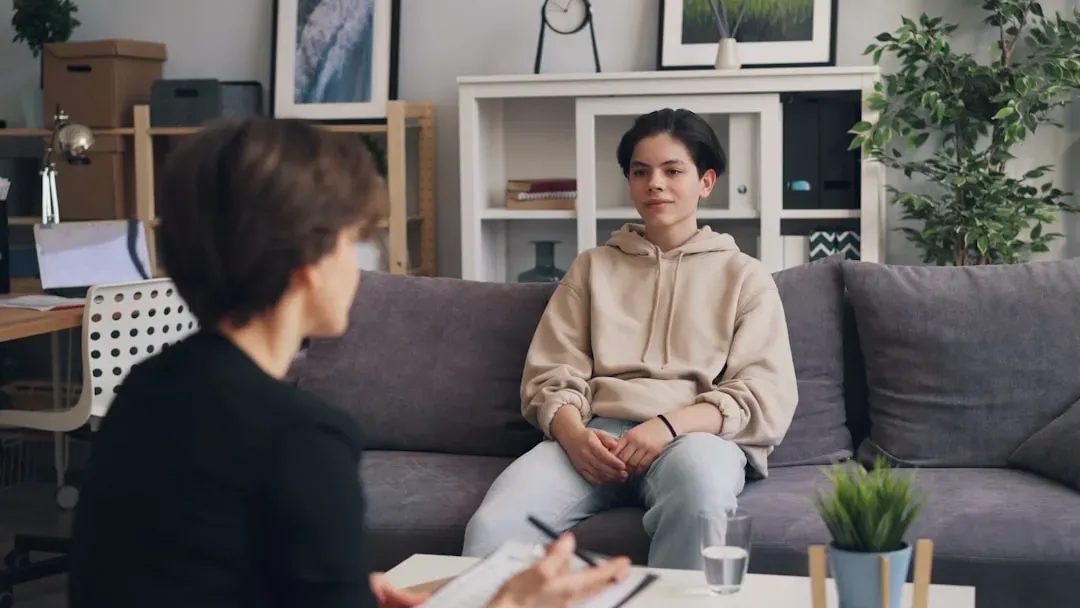
Gen Z’s heightened awareness of mental health has both pitfalls and benefits. Some pitfalls include coming into therapy with preconceived notions of their own diagnoses. This can be because they want to be a part of a community online that all experience similar things, like ADD, ADHD, or depression. Boomers sitting across from them in a family session often find this self-labeling confusing or even frustrating.
Half of Gen Z respondents reported self-diagnosing mental health conditions, compared to only nine percent of Baby Boomers. Additionally, half of Gen Z respondents admitted to diagnosing their friends or family members. Therapists note that this habit can stall real conversation when a Boomer family member perceives the labels as deflection rather than genuine self-understanding.
4. Both Sides Believe They’re Completely Right

What makes this balancing act even more challenging is that both sides think they’re right. Boomers and older Gen Xers often struggle to understand why young adults today seem so anxious and overwhelmed. They say “we had tough times, too, but we just got on with it,” while younger clients are often emotionally intelligent but burned out, carrying the weight of the world on their shoulders.
Research on communication accommodation has found that “age meta-stereotyping” – what you think other generations think of you – shapes communication more than actual differences do. If a Boomer thinks Gen Z sees them as “out of touch,” they may withdraw from digital tools entirely. Therapists consistently find that perceived judgment from the other side hardens both parties before a word is even spoken.
5. Gen Z Wants Collaboration; Boomers Expect Authority

Gen Z expects a more collaborative approach rather than a top-down model. They want to be active participants in their treatment planning, not just receive expert advice. A therapist-as-authority model would likely feel oppressive and outdated to most members of Gen Z. This preference extends outside the therapy room and directly into conversations with older generations.
Baby Boomers value personal interaction and the reassurance that comes with face-to-face conversations. For clinicians, it is important to recognize the Baby Boomers’ desire for collaboration in their health care decisions, while also showing respect for their experience and knowledge. The gap here isn’t that Boomers don’t want dialogue. It’s that their version of dialogue still places earned authority at the center.
6. Therapy Speak Lands Very Differently Depending on Who’s Listening

As a whole, Gen Z shows higher mental health literacy compared to earlier generations. They use clinical terms like “trauma response,” “boundaries,” and “toxic relationships” in everyday conversation. For Gen Z, this vocabulary is simply the normal way to describe experience. For a Boomer, those same words can signal confrontation or pathologizing.
In practice, older generations, especially Baby Boomers, often express frustration or confusion because they don’t fully grasp these terms. Many of them grew up when discussing mental health openly was stigmatized, especially in certain cultural, ethnic, or religious communities. For them, acknowledging a mental health condition might mean being labeled negatively. Therapists describe this as one of the most consistent friction points they observe.
7. Boomers Often Don’t Recognize Their Own Unaddressed Trauma

When mental health topics become more openly discussed, older generations often experience a revelation: they start recognizing symptoms in themselves that previously went unnoticed or untreated. This is something therapists witness regularly when Boomers are drawn into conversations that Gen Z family members initiate. The realization can be powerful, but it’s also disorienting.
Only about one in ten of those aged 65 and older said they went to therapy due to trauma. Therapists point out that this doesn’t mean older adults haven’t experienced trauma. It means they were shaped by a culture that had no roadmap for recognizing or naming it, which makes those conversations with younger generations feel especially charged.
8. The Definition of “Resilience” Is a Major Sticking Point
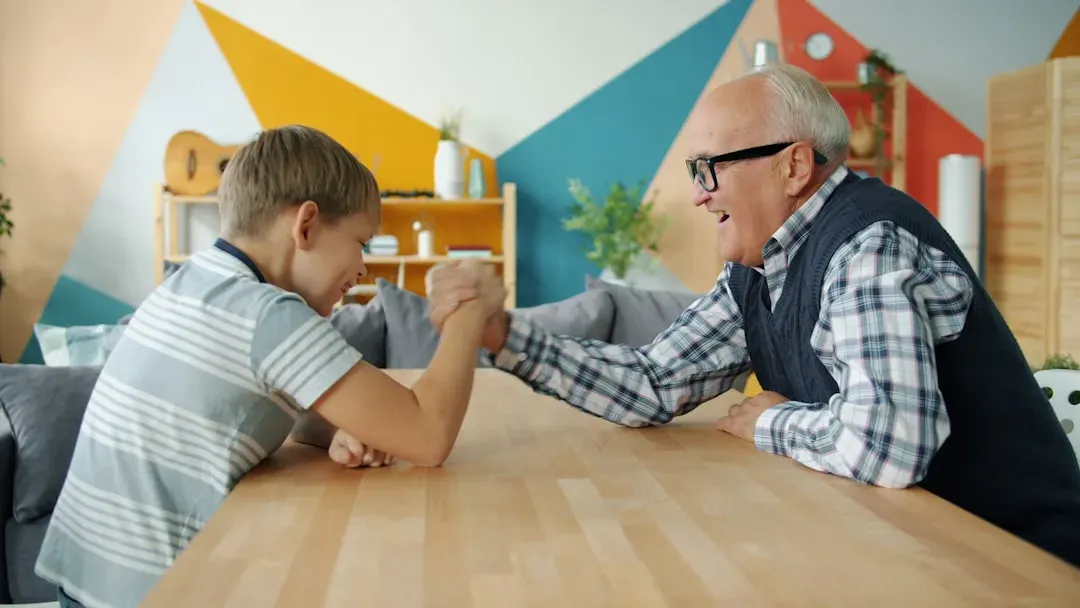
Baby Boomers’ approach to emotional intelligence tends to emphasize emotional control, resilience, and professional distance. Often raised in environments that prioritized duty and stoicism, Baby Boomers generally exhibit strong self-regulation and loyalty. In their worldview, enduring difficulty quietly is a virtue. Gen Z tends to read that exact quality as emotional suppression.
Baby Boomers often demonstrate emotional regulation and resilience, valuing structure and hierarchy, while Generation Z tends to favor openness, inclusivity, and emotional expression. Therapists note that neither interpretation is entirely wrong. The problem is that both generations use the word “strength” while meaning almost opposite things, which makes mutual respect harder to reach.
9. Mental Health Stigma Is Still Quietly Present on the Boomer Side

Both Millennials and Gen Z agreed that Baby Boomers are the worst at discussing mental health. Around four in five feel Baby Boomers are the least open when it comes to mental health conversations. While that’s a perception from younger generations, therapists who work with Boomers directly confirm it reflects a real pattern of guardedness.
For baby boomers and Gen X, because of what they were taught growing up, getting mental health help can be a source of shame. Even Boomers who genuinely want to connect with a younger family member may find themselves pulling back when conversations become emotionally demanding, not from indifference, but from a deeply conditioned discomfort with vulnerability in front of others.
10. Gen Z’s Relationship With Therapy Feels Completely Foreign to Boomers
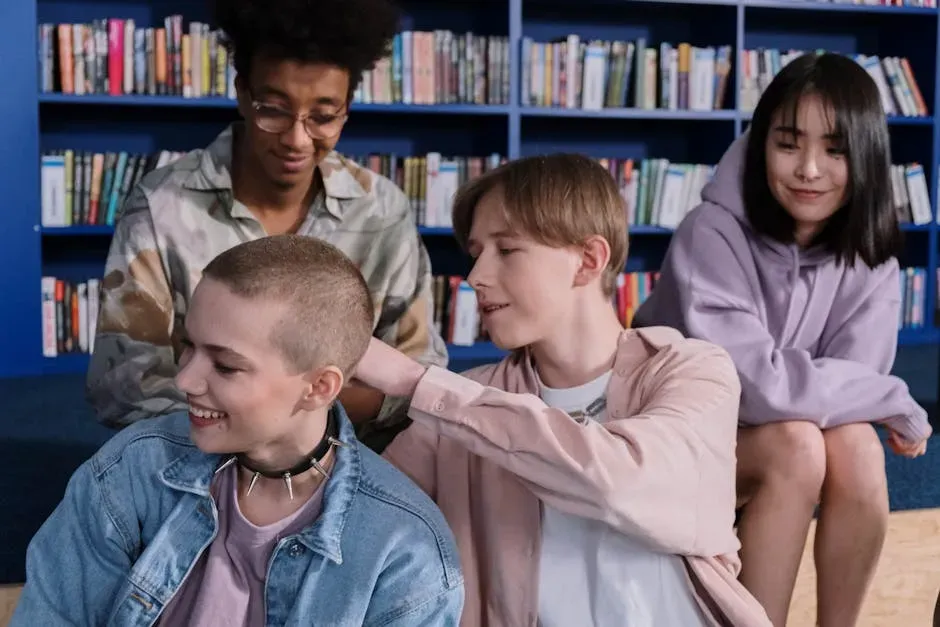
Gen Z tends to look at therapy differently than previous generations. Their prevailing attitude is that therapy isn’t just for crises – it’s a way to maintain mental wellness, much like gym memberships or skincare routines: regular self-care that keeps emotional health in check. To a Boomer who only ever considered therapy for serious breakdowns, this casual relationship with professional mental health support reads as either self-absorbed or unnecessarily fragile.
For the younger generations, talking to therapists is no big deal. Gen Z doesn’t struggle with that stigma. They view it as a normal social practice, similar to a friend having a therapist and expecting that you might have one too. Therapists observe this contrast constantly, particularly in family sessions where a Gen Z member’s openness about being in therapy visibly unsettles older relatives.
11. Emotional Validation Is Non-Negotiable for Gen Z

On one side, therapists encounter older clients and colleagues who value resilience, privacy, and pulling yourself up by the bootstraps. On the other, younger individuals prioritize mental health, emotional validation, and work-life balance in ways the previous generation never dared to dream about. When a Gen Z person doesn’t receive validation, they often disengage entirely from the conversation.
Many Gen Z clients are drawn to therapy that feels genuine, inclusive, and responsive. They tend to appreciate when therapists show up as real people rather than distant professionals, and when differences in identity are met with openness and respect. That same standard applies to conversations with family members. Boomers who lead with solutions or dismissals, however well-meaning, often lose the Gen Z listener within the first few exchanges.
12. Different Relationships With Technology Create Real Friction
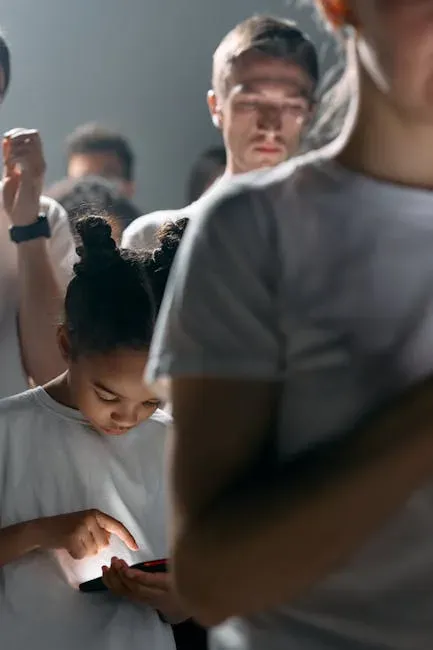
Older generations, such as Baby Boomers, may prefer face-to-face conversations and are more accustomed to formal communication. Meanwhile, Gen Z is more likely to engage in digital communication and may feel more comfortable texting or using apps to communicate their thoughts. This disparity can lead to misunderstandings or frustrations, particularly in therapeutic settings where communication is key.
While Baby Boomers would relate the “skull” emoji to risk or death, for Gen Z it typically signals hysterical laughter or shock at something funny. That’s a small but telling example. Even at the level of a single symbol, both generations are working from entirely different interpretive frameworks. Therapists often find themselves translating not just words but the meaning structures underneath them.
13. Beneath the Frustration, Both Generations Want to Be Understood

Despite all the differences, the fundamental human need for understanding and connection transcends generational divides. Being a therapist navigating this divide means being an interpreter, a mediator, and sometimes just the person who reminds everyone that they’re all more alike than they realize. That observation keeps coming up in clinical settings, and it’s one of the more grounding things therapists say they hold onto.
Research confirms clear generational differences in how people understand, talk about, and respond to mental health needs. Older generations tended to carry more stigma and were less likely to have grown up with open conversations about emotional well-being, while younger generations showed greater awareness and comfort discussing mental health struggles. The authors concluded that each generation’s attitude toward mental health is shaped by the cultural messages they received while growing up. Knowing that both sides are products of their formation, rather than simply being stubborn or fragile, is often what allows real conversation to begin.
What therapists ultimately find is that the divide between Boomers and Gen Z is wide, but not impassable. The conversations that actually move forward are the ones where someone in the room – sometimes a therapist, sometimes a surprisingly self-aware family member – is willing to slow down and acknowledge that the other person isn’t the enemy. They’re just speaking from a completely different map of what it means to be human and struggling.




Leave a Reply