
1. “I don’t need therapy, I just need you to listen”

This phrase often comes from a generation that associates therapy with stigma rather than support, so it can sound like a rejection of a partner’s suggestion to seek help. Many boomers grew up in households where mental health struggles were kept private, and problems were handled through willpower or silence rather than professional guidance. When a partner hears this, it can feel like their concern is being dismissed rather than addressed.
Therapists have noted that framing emotional needs as something only a spouse should fulfill puts unfair pressure on the relationship. It suggests one person should be able to replace a trained professional, which is rarely realistic for either party. For younger partners raised with more open conversations about mental health, the phrase can feel like a wall going up rather than an invitation to talk.
2. “Marriage isn’t supposed to make you happy every day”

This one usually comes from a place of practicality, reflecting a generation that viewed commitment as endurance rather than constant emotional fulfillment. Boomers who lived through economic hardship or long working hours often measured a good marriage by stability, not daily joy. To a modern partner, though, this phrase can sound like permission to stop trying or a dismissal of legitimate unhappiness.
Relationship researchers have pointed out that satisfaction and commitment are not mutually exclusive, and expecting only one without the other can normalize resentment over time. When this phrase is used to shut down a conversation about dissatisfaction, it often leaves partners feeling unheard rather than reassured. It can also make it harder to bring up problems early, before they grow into something bigger.
3. “That’s just how men are” or “that’s just how women are”

Gendered explanations for behavior were common in earlier decades, often used to smooth over conflict without actually resolving it. Saying a partner’s frustration or emotional reaction is simply tied to their gender can feel reductive to people who see themselves as individuals first. It also tends to shut down real conversations about specific behaviors that might need to change.
Modern couples counseling tends to focus on individual communication styles and needs rather than broad generalizations. When boomers use this phrase, they may intend it as a lighthearted excuse, but it can come across as avoiding accountability. Partners on the receiving end often say it makes them feel boxed into a stereotype rather than understood as a person.
4. “You’re too sensitive”

This phrase was often used as a quick way to end an argument, but it tends to invalidate whatever emotion the other person was expressing. Boomers raised in stricter emotional environments sometimes learned that showing vulnerability was a weakness, so they may not realize how dismissive this sounds today. For a partner who is trying to express something important, being told they are overreacting can feel like their feelings do not matter.
Therapists commonly describe this phrase as a form of emotional invalidation, which can erode trust over time if used repeatedly. It shifts the focus from the actual issue to the other person’s reaction, making resolution harder to reach. Many younger partners now push back on this language directly, asking for specifics instead of blanket judgments about their emotional response.
5. “We didn’t need labels back in our day”

This phrase usually comes up when a partner asks about defining the relationship or discussing exclusivity. For many boomers, relationships moved through unspoken stages, and asking directly about status felt unnecessary or even presumptuous. To someone raised in a dating culture shaped by apps and explicit communication, though, avoiding labels can feel like avoiding commitment altogether.
Clear communication about relationship expectations has become a standard part of modern dating advice, partly because ambiguity is linked to higher anxiety in relationships. When boomers dismiss the need for labels, it can unintentionally signal that they are not taking the relationship as seriously as their partner would like. This mismatch in expectations is one of the more common generational friction points in blended-age relationships.
6. “I’m not going to say I’m sorry when I’m not”
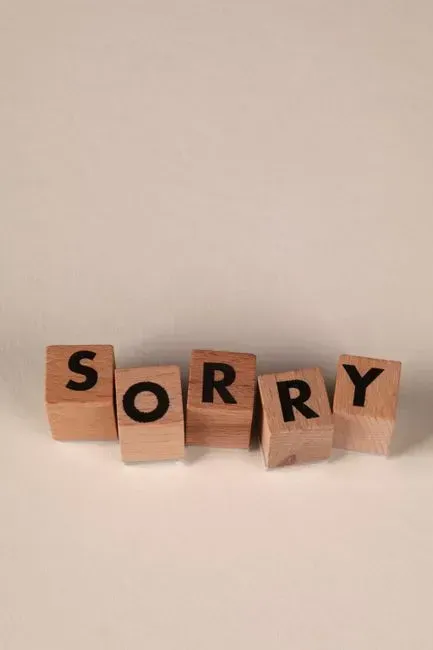
This phrase often reflects a belief that apologies should only be reserved for major wrongdoings, not everyday friction. Many boomers were raised to see frequent apologizing as a sign of weakness or excessive emotionality. However, modern relationship guidance increasingly emphasizes that acknowledging a partner’s feelings, even without full agreement, helps de-escalate conflict.
When this phrase is used rigidly, it can leave a partner feeling like their hurt feelings are being ignored on principle. It also removes room for compromise, since the conversation becomes about whether an apology is “deserved” rather than about repairing the moment. Partners often describe this stance as one of the harder generational habits to navigate, since it can make small disagreements feel unresolved for much longer than necessary.
7. “Just don’t go to bed angry”
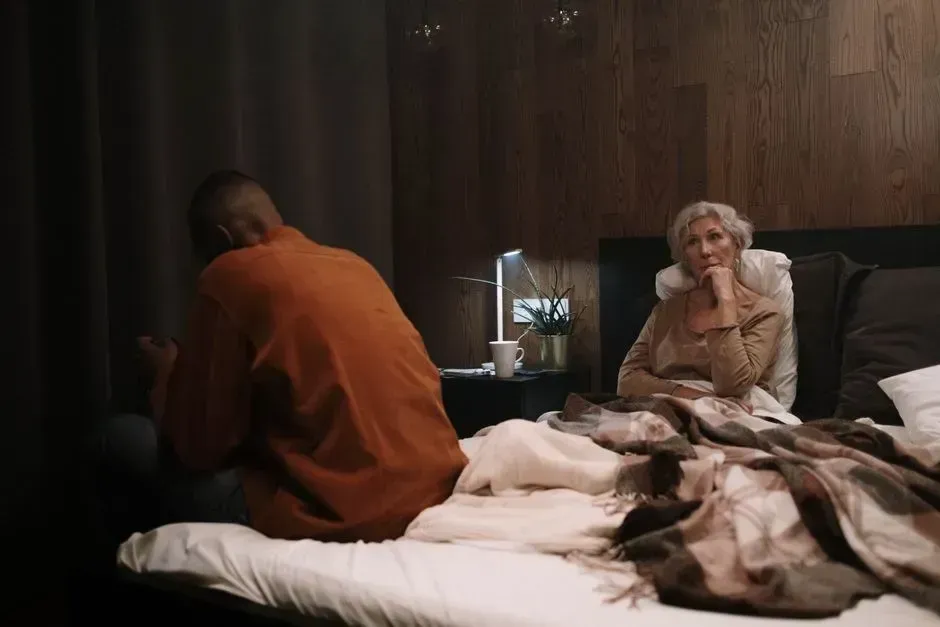
This advice has been repeated across generations, but it often gets applied rigidly, forcing conversations to continue late into the night even when both people are too exhausted to communicate well. Boomers frequently learned this phrase as an absolute rule rather than a general guideline, treating any unresolved argument at bedtime as a failure. For many modern couples, though, taking a short break to cool down and revisit the issue with a clear head produces better outcomes than pushing through exhaustion.
Sleep researchers and therapists alike have noted that fatigue impairs emotional regulation, making late-night arguments more likely to escalate rather than resolve. When a boomer partner insists on resolving everything before sleep, it can create unnecessary pressure and drag out conflicts that would settle more easily after rest. Younger partners often find this expectation stressful rather than helpful, especially when it conflicts with the modern advice to pause and return to hard conversations with a calmer mindset.
Generational differences in relationship language are not really about right or wrong, they reflect how emotional norms have shifted over time. Recognizing which phrases carry outdated assumptions can help couples translate old habits into conversations that feel more current and less dismissive. Small adjustments in wording often go a long way toward making both partners feel heard, regardless of which decade shaped their communication style.




Leave a Reply