
Something quiet has been reshaping America’s urban landscape over the past few years. Young professionals, the same people who once flooded into major cities straight out of college, chasing careers and city energy, are now reconsidering those choices at a growing rate. The math has shifted. Rents climbed, salaries didn’t always keep up, and remote work quietly handed millions of people a permission slip they hadn’t expected.
One of the clearest patterns to emerge from recent migration data is a continued rise in smaller and mid-sized metros, as more households prioritize a different balance of cost, space, commute, and lifestyle. The cities below aren’t necessarily failing. Some still have real appeal. They’re simply losing a demographic that once defined them.
1. San Francisco, California

San Francisco built its modern identity on tech ambition, and for a long time that was enough to justify almost anything. The cost, the commute, the competition for a one-bedroom apartment – young engineers and startup hopefuls accepted it all. That calculation has started to crack. Since the 1990s, the tech industry has driven costs higher, but for some who work in the industry and haven’t struck IPO or AI gold, life in the Bay Area is simply not adding up.
Since the peak in August 2022, the Information industry in San Francisco has shed roughly one in five of its total jobs. That level of contraction forces real decisions about where to live. San Francisco’s cost of living runs more than 80 percent higher than cities like Orlando, with housing prices a staggering 226 percent more. For young professionals without equity and stock options, the city increasingly feels like a place you visit in your career rather than one you settle into.
2. New York City, New York
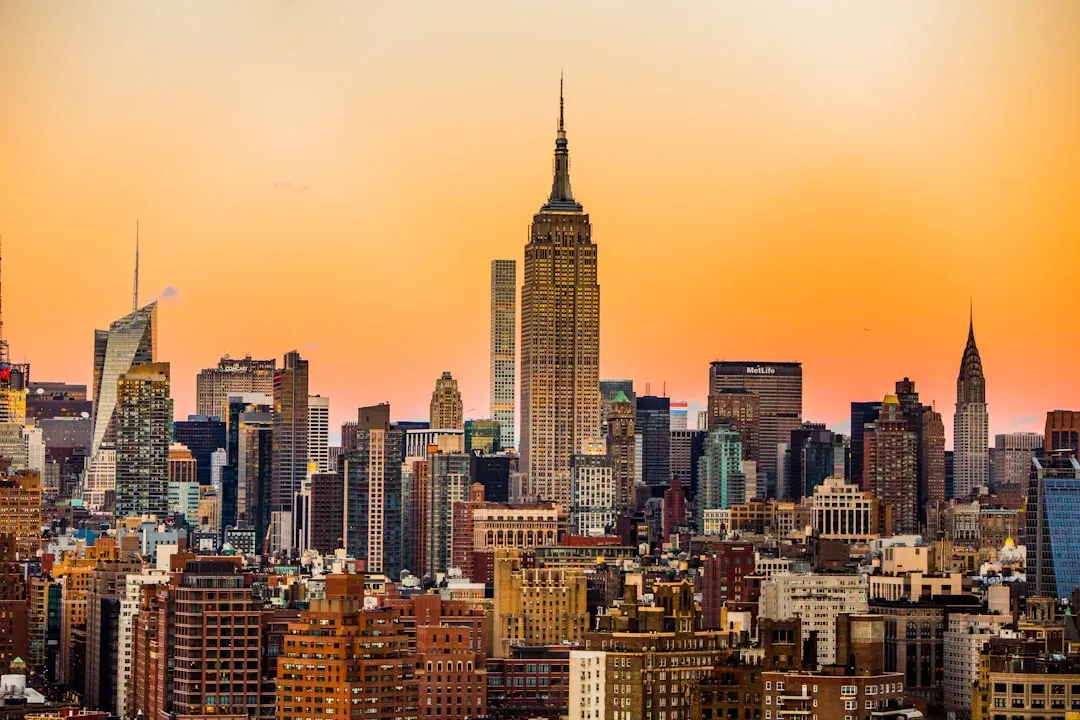
New York’s story is more complicated than simple decline. Gen Z still flows into the city in remarkable numbers. New York City is the top destination for Gen Z, with a net gain of around 30,000, but millennials, Gen X, and baby boomers are all leaving. That generational split matters. It means the city is cycling through young talent rather than retaining it as people move into their thirties and start thinking about space, schools, and stability.
Millennials have undertaken a mass exodus from large cities, leaving New York City at the highest rates, with a net loss of over 96,000 millennial residents. New York recorded 58 percent outbound migration in 2025, a figure that reinforces just how persistent the departure trend has become. The city still draws people in their early twenties. The question is what happens when those same people turn 32.
3. Chicago, Illinois
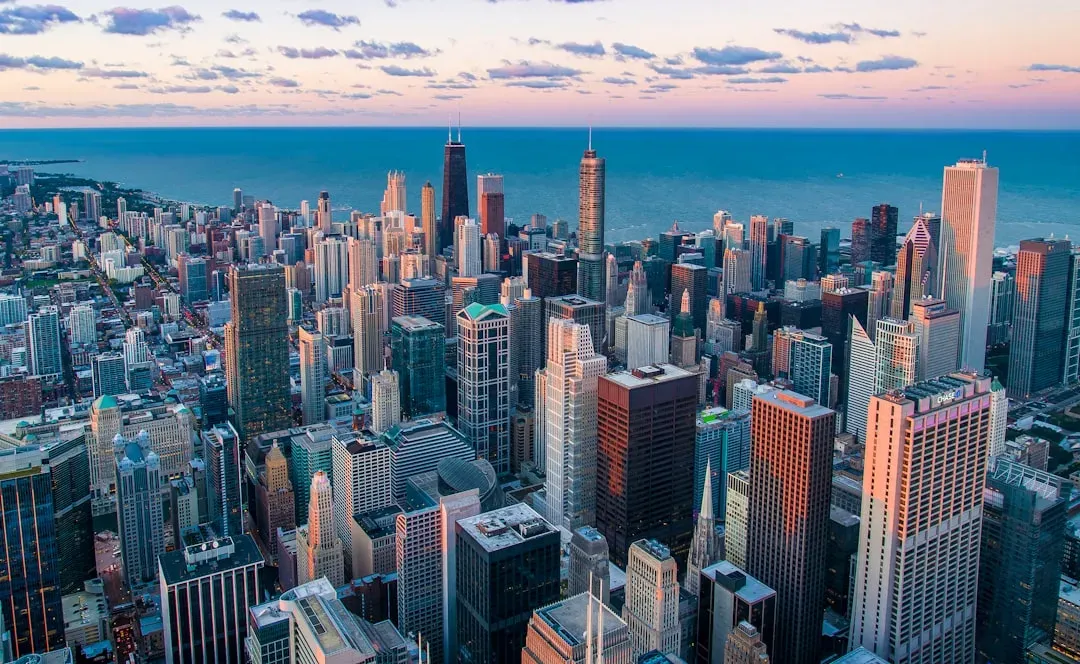
Chicago has faced an uncomfortable combination of pressures that go beyond any single issue. High costs of living and tax rates, coupled with the loss of major employers like Caterpillar and Boeing, have driven professionals and families out, and concerns about crime rates have made the city less appealing. For young professionals weighing their options, those are serious strikes against a city that also carries one of the country’s heavier state and local tax burdens.
Millennials are departing from Chicago at a net rate of more than 8,500 residents per year. That said, the picture isn’t entirely grim. Chicago actually has a comparatively small share of young adults actively considering a move, sitting around 36 percent in recent surveys, which suggests many who remain feel genuinely rooted. The city keeps a loyal base even as its net numbers drift downward.
4. Washington, D.C.

Washington built its workforce around one primary engine: the federal government. That engine has been running rough. Many people who work and live in the Washington, D.C. area work for the federal government, and mass layoffs across different departments have led many workers to flee to more affordable areas. The ripple effects of those cuts have touched not just government employees but the vast ecosystem of contractors, consultants, and nonprofits that surrounds them.
Millennials are leaving Washington, D.C. at a net rate of more than 11,000 residents, making it one of the highest millennial outflow cities in the country. Ironically, Gen Z still ranks D.C. as one of its top destinations, drawn by internships and entry-level policy jobs. Washington, D.C. remains one of the top three cities Gen Zers are moving to. The tension between those two trends tells you something important about what stage of career actually feels sustainable in the nation’s capital.
5. Baltimore, Maryland
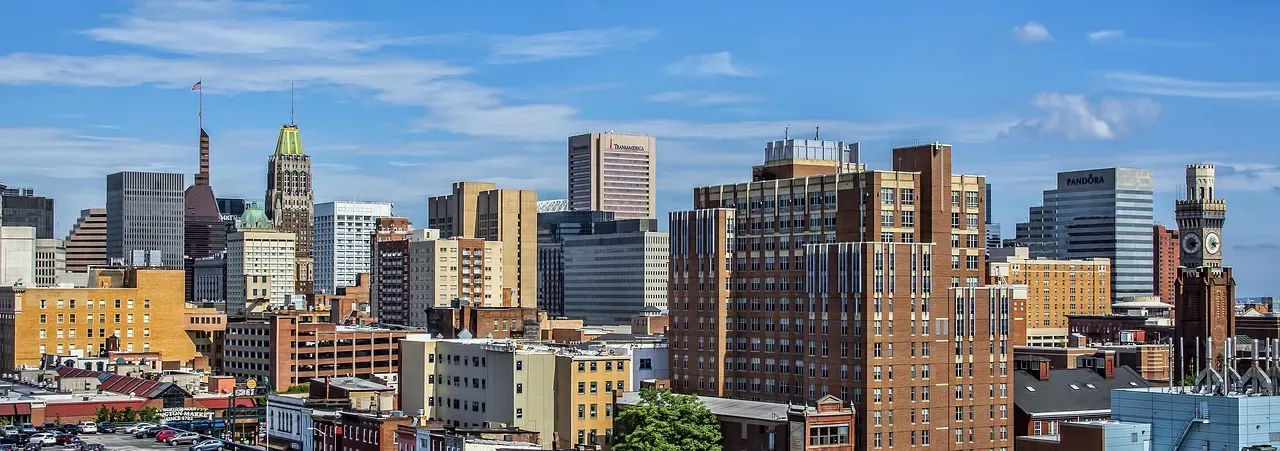
Baltimore doesn’t often appear in national conversations about migration, but the data from recent surveys is striking. Baltimore ranks highest among major cities surveyed, with 62 percent of young, child-free adults saying they are likely or very likely to leave, a figure that outpaces even larger, more expensive cities. That’s an extraordinary level of restlessness for a city that has invested considerably in neighborhood revitalization over the past decade.
A large share of young people considering a move can signal bigger issues for a city, like a lack of perceived job opportunities or affordable housing. Baltimore’s challenges are layered: persistent crime concerns, a job market that hasn’t diversified as quickly as hoped, and proximity to D.C. that can make it feel like a commuter city rather than a destination in its own right. For young professionals without deep ties, the calculus often tips toward leaving.
6. Detroit, Michigan

Detroit has a genuine revival story, and it deserves credit for real progress in its downtown core. Creative professionals and entrepreneurs did move back, and some neighborhoods genuinely transformed. The broader retention problem, though, remains stubborn. Detroit sees around 52 percent of young adults considering departure, placing it firmly among the cities struggling most to hold onto the next generation of workers.
While Michigan has always been an affordable place to live in the Midwest, migration trends show a significant uptick in outbound movement. Young people often choose to leave Midwest states for higher-paying jobs or better career advancement opportunities, leaving aging populations behind. Detroit’s renaissance has been real but uneven, and for young professionals weighing career trajectory, the city’s job market still struggles to compete with faster-growing metros in the South and Southwest.
7. Miami, Florida
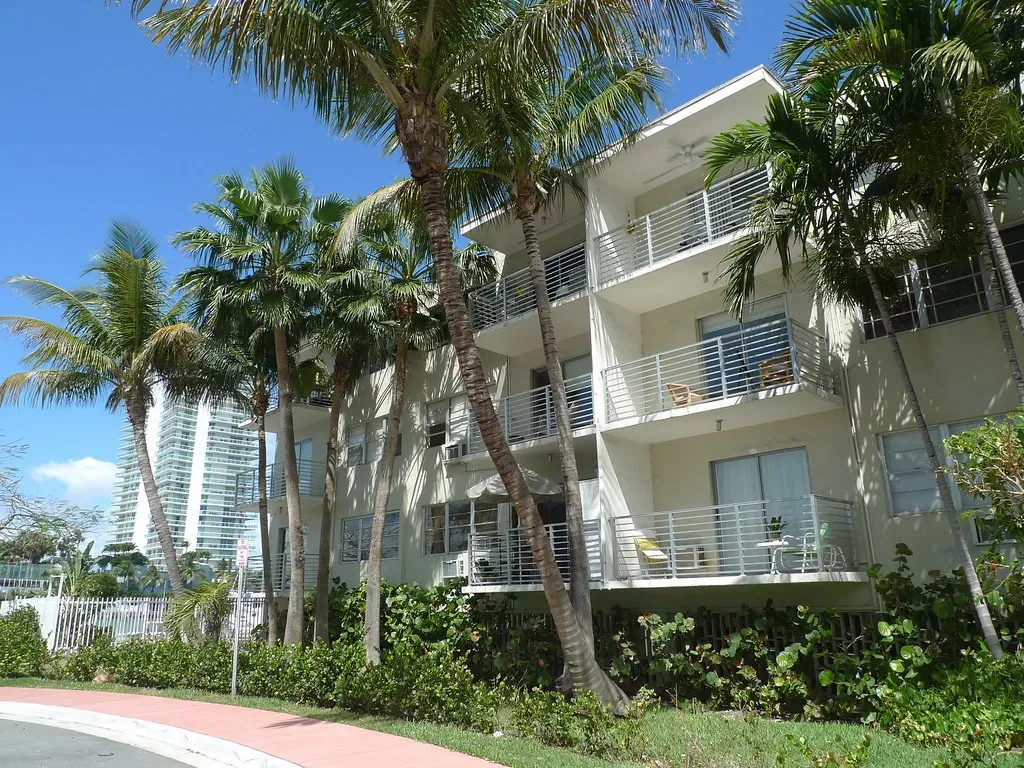
Miami’s post-pandemic boom was loud and well-documented. Finance workers relocated from New York, tech entrepreneurs set up offices in Brickell, and real estate prices went nearly vertical. The hangover from that surge is now visible in the departure numbers. Miami sees around 52 percent of young adults considering leaving the city, a notable figure for a place that spent several years marketing itself as the new American boomtown.
A steep decline in Florida’s appeal as a destination has emerged from data covering long-distance moves between 2024 and early 2025. Miami’s housing costs, which shot upward dramatically during the relocation wave, haven’t come back down meaningfully. For young professionals who didn’t already own property, the city has become nearly as expensive to rent in as the coastal cities they were supposedly escaping. The energy remains, but the affordability argument has largely evaporated.
8. Los Angeles, California
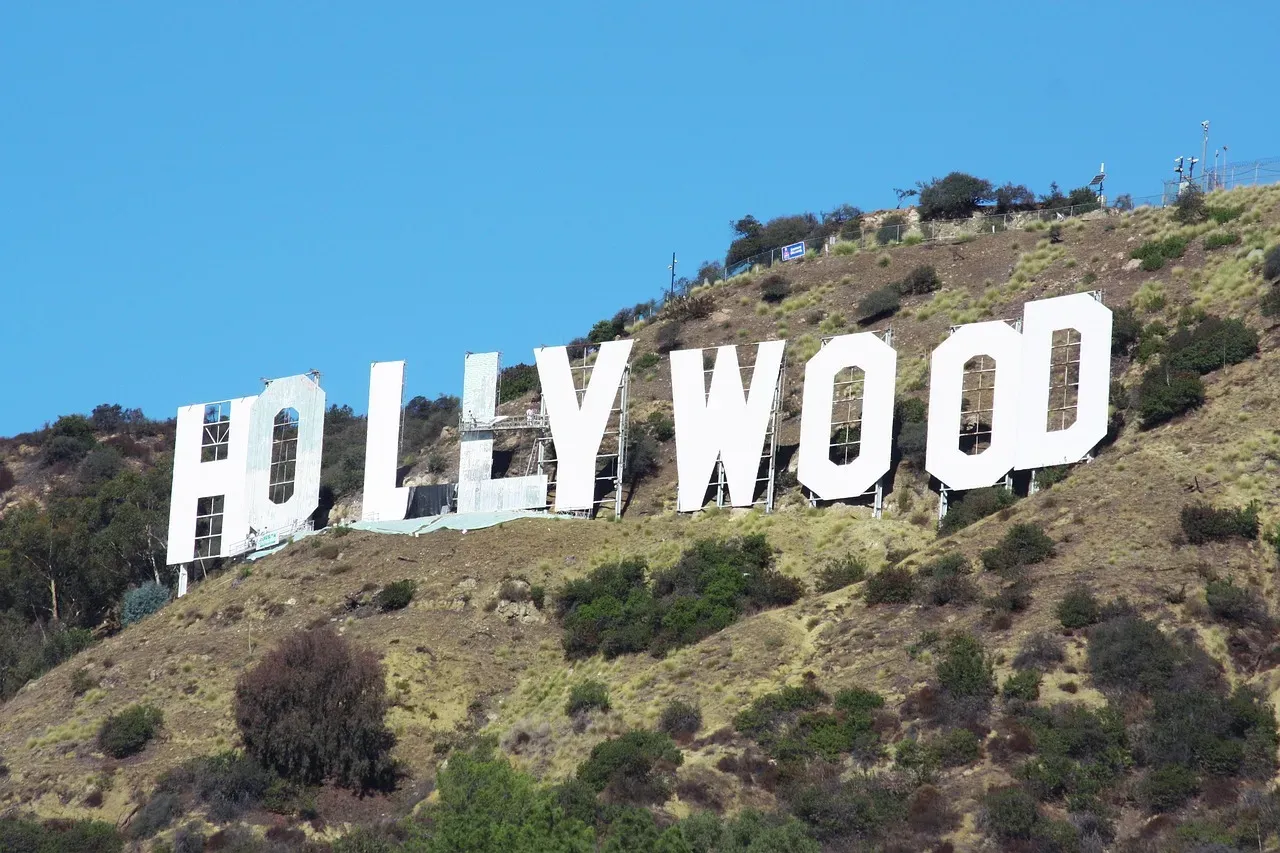
Los Angeles has been losing residents for several years, and the trend shows no real sign of reversing. The mass exodus from California points back to numerous factors, ranging from top employers relocating due to high taxes and strict regulations to the soaring cost of living throughout the state. In Los Angeles, those pressures are amplified by a housing market that has resisted correction even as population has declined, traffic infrastructure that strains under its own weight, and wildfire risk that has become an increasingly real factor in where people choose to put down roots.
Metro areas in California are losing the most millennials, with the New York City and San Jose metros both seeing over 50 percent more millennials leave than move in. Los Angeles sits within that broader California pattern. California was the top outbound state for the second year in a row in 2025. Young professionals can access much of what Los Angeles offers remotely or through visits. Living there full-time, on a mid-career salary, without existing equity, has become a difficult proposition that more people are declining to accept.
None of these cities are finished. Several remain global destinations with genuine cultural weight, strong universities, and industries that still matter. Migration data captures net direction, not inevitability. What it does reflect, clearly, is that young professionals now have more freedom than previous generations to vote with their moving trucks – and a growing number are choosing to use it.




Leave a Reply