
Florida has long held a near-mythical status in American retirement culture. Sun, no state income tax, warm winters – the pitch practically sells itself. The problem is that the math has quietly stopped working for a growing number of retirees. A 2025 Consumer Federation of America report found Florida the most expensive state for homeowners insurance, with average annual premiums of $9,462. More than 20 insurers have stopped writing new homeowners policies in Florida or pulled out entirely.
In 2025, about 45,700 Americans aged 65 and older moved to Florida, while nearly 44,900 moved out, according to a HireAHelper study reported by AARP. That’s not an exodus exactly, but it’s a signal worth taking seriously. Over the 10 years ending in 2024, Florida housing costs jumped 132%, the second-largest spike of any state. The destinations below offer something that’s getting harder to find in the Sunshine State: real beauty, real amenities, and prices that don’t require a minor miracle to sustain through a 25-year retirement.
1. Greenville, South Carolina: Walkable, Affordable, and Surprisingly Vibrant
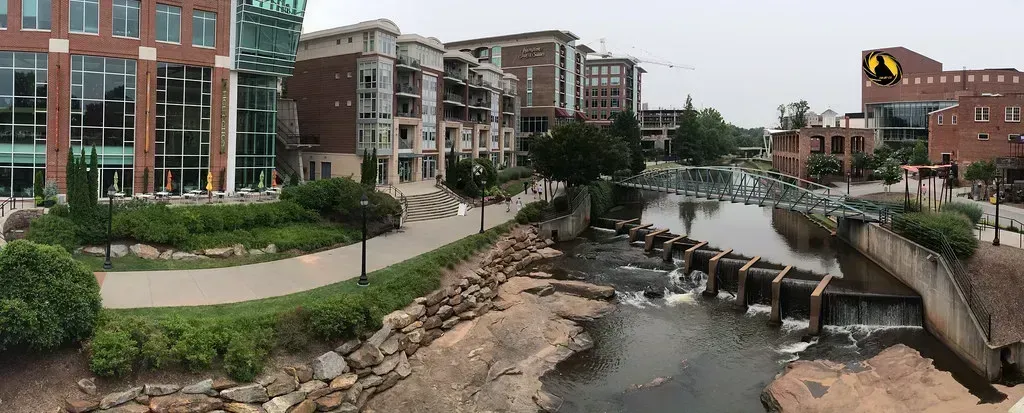
South Carolina led the nation in net gains of retirement-age migrants in 2025, according to HireAHelper. Greenville is doing the heavy lifting. The downtown is walkable, the Blue Ridge Mountains are an hour away, and the cost of living runs well below the national average – Southern weather without South Beach prices.
The state offers an appealing equilibrium of coastal access, moderate seasonal weather, and lower baseline costs compared to Florida. For retirees who want culture without chaos, Greenville punches well above its size with a thriving arts scene, independent restaurants, and a riverwalk that runs through the heart of downtown. Georgia’s neighbor to the north, South Carolina also provides tax advantages that matter: the state does not tax Social Security and offers meaningful retirement income deductions for residents 65 and older.
2. Knoxville, Tennessee: Smoky Mountain Access Without the Sticker Shock

A single adult living moderately in Knoxville spends around $2,410 per month in total costs, which runs about 18% below the national average for comparable metros. That gap is hard to ignore when you’re on a fixed income. Knoxville gets you Tennessee’s tax-friendly treatment plus the Great Smoky Mountains in your backyard, and the University of Tennessee brings cultural events, medical facilities, and the particular energy that college towns pull off well.
Knoxville’s overall cost of living remains approximately 11% lower than the national average, though key expenses like housing and utilities are inching upward due to the city’s rising popularity. Knox County’s effective property tax rate sits at approximately 0.65%, translating to about $2,200 annually on a median-priced home – a dramatic contrast to what Florida homeowners shoulder between property taxes, insurance, and HOA fees. Tennessee remains a highly competitive inland destination due to its robust tax advantages, and like Florida, it levies no state income tax.
3. Asheville, North Carolina: Four Seasons, Mountain Beauty, Creative Energy
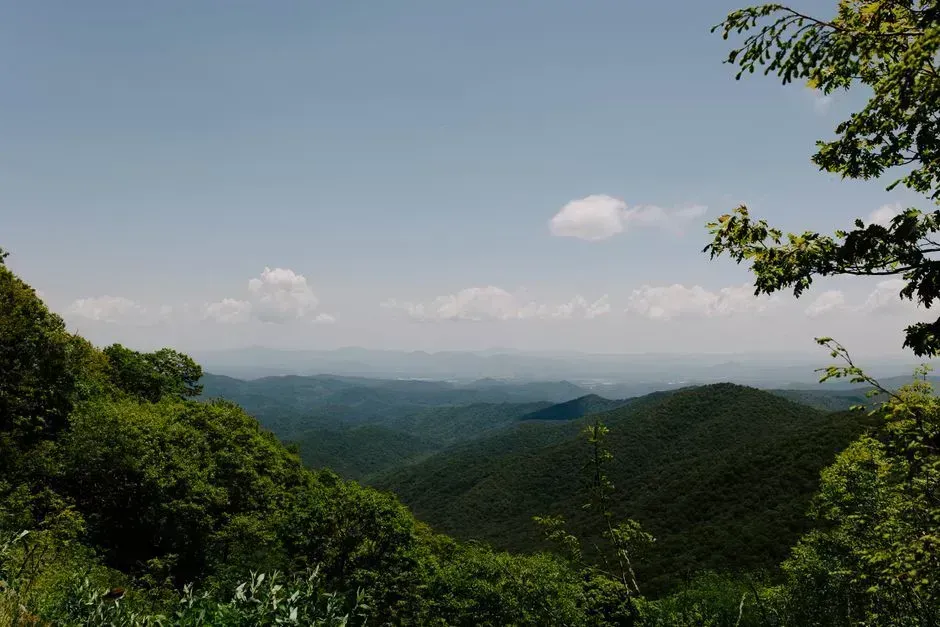
If mild summers are a priority, Asheville is hard to beat. It’s tucked into the Blue Ridge Mountains at about 2,100 feet, which keeps temperatures civilized when Florida is cooking. The arts scene here is genuinely impressive for a city its size, with a well-established community of galleries, breweries, and farm-to-table restaurants that have helped make it one of the most talked-about small cities in the country.
North Carolina offers 18 certified retirement communities, more than most states. Housing is no longer dirt cheap in Asheville, but you’re still paying far less than you would for a comparable coastal Florida home. Proximity to elite research hospitals and healthcare systems also makes the state highly attractive to seniors prioritizing long-term medical care. For retirees who want scenery, walkability, and a real cultural calendar, Asheville delivers on all three without the hurricane season anxiety.
4. San Antonio, Texas: Big-City Life at a Fraction of the Cost

San Antonio is one of Forbes’ 25 “Best Places to Retire” in 2026. It’s easy to see why. San Antonio gives you big-city amenities – major hospitals, airports, cultural attractions – at prices that would look absurd compared to Miami. The city’s historic core, centered on the River Walk and the missions, offers a depth of character that most Sun Belt cities simply can’t replicate.
Texas is drawing retirees for the same reasons Florida used to: no state income tax, warm weather, and reasonable housing, and HireAHelper ranked Texas among the top three states for net gains of retirement-age migrants in 2025. GOBankingRates identified Corpus Christi as the cheapest U.S. beach town for retirees in a March 2026 study, with Florida failing to crack the top five cheapest beach spots – which tells you something meaningful about where the real value now sits along the Gulf Coast.
5. Tucson, Arizona: Desert Beauty, Dry Air, and Genuine Affordability

Tucson is the retirement dark horse. The dry desert air is a genuine benefit for people dealing with arthritis, asthma, or anyone who simply doesn’t want to feel humid nine months of the year. Tucson has two national parks on its doorstep, a vibrant downtown, and a cost of living that’s friendlier than Phoenix. The Sonoran Desert landscape has a beauty that takes some people by surprise – dramatic saguaro cacti, mountain silhouettes at dusk, and skies that stay clear most of the year.
Green Valley, just south of Tucson, offers a median home price of $282,000 – roughly 31% below the national median – along with a very low serious crime rate and a good retiree tax climate. Arizona levies no tax on Social Security and maintains low tax rates for other retirement income, with strong healthcare options in major metro areas including Mayo Clinic Phoenix. For retirees who love sunshine as a non-negotiable, this region consistently delivers more than 300 sunny days per year.
6. Pittsburgh, Pennsylvania: Underrated, Reinvented, and Surprisingly Tax-Friendly

Pittsburgh has world-class healthcare thanks to the University of Pittsburgh Medical Center, affordable housing, and Pennsylvania doesn’t tax retirement income – including pensions, IRA withdrawals, and 401(k) distributions. That last point alone can mean thousands of dollars saved annually for retirees drawing from savings. It’s a detail that rarely gets enough attention in the broader retirement conversation.
The city has reinvented itself, with riverfront trails, a serious food scene, and cultural institutions that punch well above the city’s weight. Pittsburgh has been on the Forbes Best Places to Retire list for nine consecutive years, despite its above-average crime rate in some districts. The winters are real and cold – that’s the honest tradeoff. Still, for retirees who want urban energy, walkable neighborhoods, and top-tier medical access without coastal price tags, Pittsburgh remains one of the most overlooked retirement values in the country.
7. Boise, Idaho: Active Retirement Living at an Enviable Price-to-Lifestyle Ratio

Boise isn’t the secret it used to be, but it’s still cheaper than most people guess. The Boise River runs through downtown, the foothills start where the city ends, and the crime rate is enviably low. Winters are real but manageable, summers are dry and gorgeous, and for retirees who want to stay active – hiking, fishing, cycling – Boise gives you more of it per dollar than almost any Florida destination.
Beyond the Southeast, states like Idaho are seeing notable inflows of retiring Americans, alongside Arizona, Alabama, and Georgia. Boise’s growth has pushed housing costs higher than they were five years ago, though prices remain well below what comparable quality of life would cost in coastal Florida or California. The city has also invested heavily in medical infrastructure and arts programming, making it a genuine full-service retirement destination rather than just a scenic escape.
8. Chattanooga, Tennessee: Appalachian Charm with Urban Convenience

Chattanooga sits in the foothills of the Appalachians, with four real seasons and winters that stay mild – one of the reasons Tennessee keeps showing up on affordability lists for retirees. The city has transformed over the past two decades from a struggling industrial town into one of the South’s most livable mid-sized cities. The Tennessee Aquarium, a nationally recognized waterfront, and a growing cycling and outdoor trail network have reshaped Chattanooga’s identity entirely.
Municipalities like Nashville and Chattanooga are seeing sustained retiree inflows due to their balance of cultural amenities and stable real estate markets. Both Tennessee and Iowa are on Kiplinger’s list of the top 10 tax-friendly states for retirees, and neither has an estate or inheritance tax – with Tennessee going further by levying no state income tax at all. For a retiree who wants genuine mountain scenery, mild winters by Southern standards, and a city that feels complete rather than transitional, Chattanooga is a strong and often underestimated pick.
9. Weirton, West Virginia / The Mountain State Region: Emerging Value with Outstanding Quality of Life

The 2026 U.S. News and World Report Best Places to Retire list rewrote the script, and the city at the top may be one most people had never considered. Weirton, West Virginia earned its number two national ranking on the strength of quality of life, happiness scores, and affordability. West Virginia consistently ranks as one of the lowest-cost states in the country for overall living expenses, and for retirees willing to look past regional preconceptions, the value is genuinely hard to match anywhere east of the Mississippi.
The Mountain State offers something increasingly rare in American retirement geography: dramatic natural scenery, genuine four-season recreation, and housing prices that still feel like they belong to a different decade. Pennsylvania neighbors West Virginia with a similar value proposition, including extremely low cost of living and housing costs, no tax on Social Security benefits, and good access to healthcare through UPMC. The broader Appalachian region, from West Virginia through western Pennsylvania, represents one of the last genuinely underpriced retirement corridors in the eastern United States – and the 2026 national rankings are starting to reflect that.
Florida will always attract retirees. The brand is too strong, the weather too reliable, and the lifestyle too appealing for the state to ever fall off the map. The broader trend, though, underscores how retirees are spreading out beyond traditional hotspots, favoring a mix of affordability, milder climates, and lifestyle flexibility across a broader range of destinations. The nine places above make a clear case that retiring well doesn’t have to mean paying Florida prices to do it – and in many cases, it means living better for considerably less.





Leave a Reply