
1. Riding in Cars Without Car Seats or Seatbelts
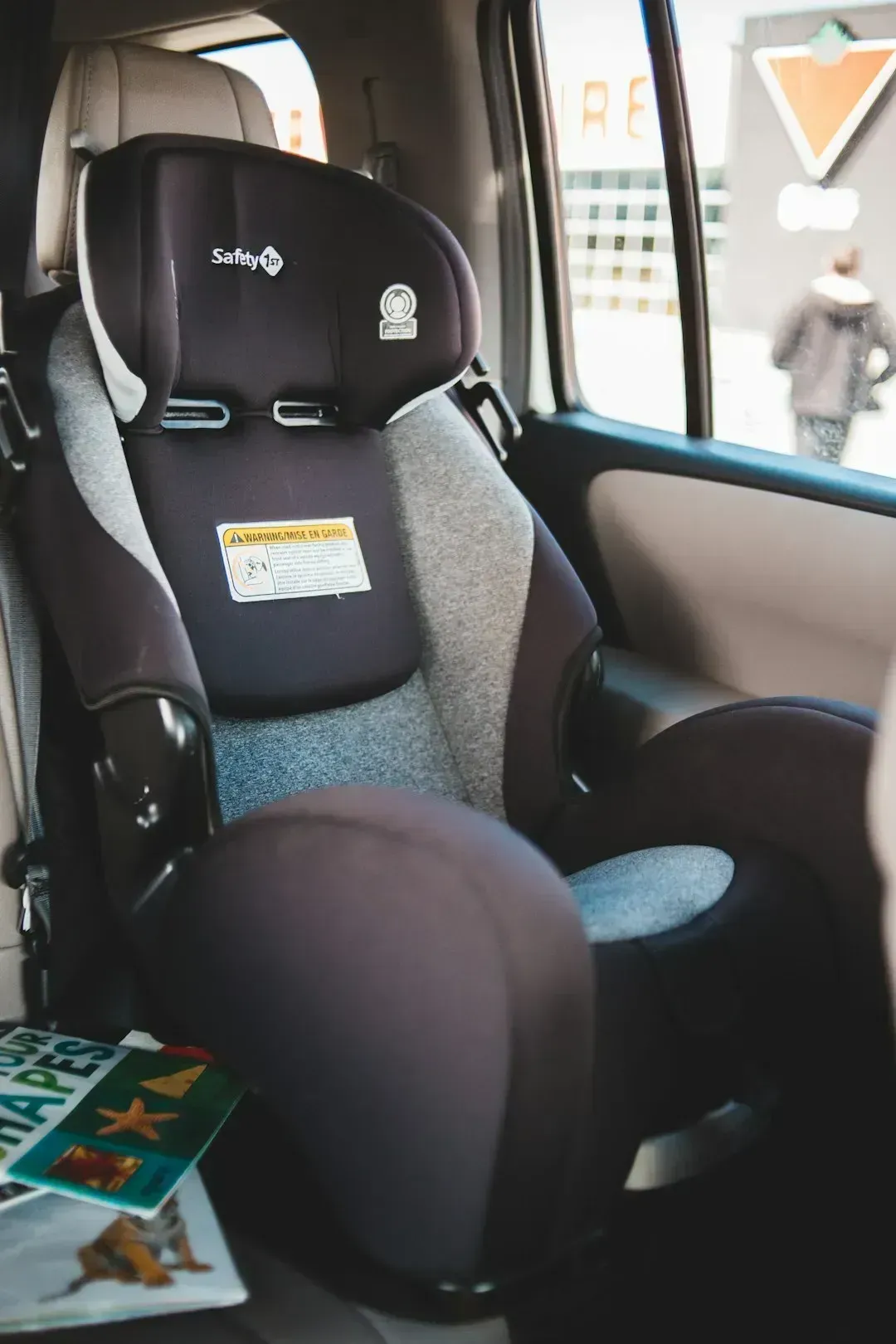
It is easy to forget just how recently car seat laws became universal in the United States. Tennessee became the first state in the US to pass a law requiring children to have car seats in 1979, and it took several more years before the rest of the country caught up. By 1985, all states had passed laws requiring car seat use, though enforcement was inconsistent, meaning plenty of kids born in the early part of the decade spent their first car rides unrestrained or loosely secured.
Even after the laws passed, compliance lagged badly behind the legislation. As late as 1987, roughly one in five children were still not using a car seat at all. It was common to see toddlers standing on the front bench seat, kids piled into the back of a station wagon without any belts, or a baby held in a parent’s arms in the front seat rather than strapped into a proper restraint.
2. Riding Bikes Without Helmets
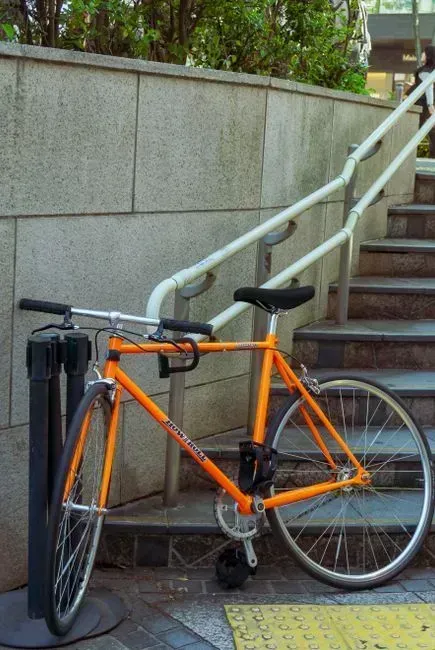
Bike helmets were essentially unheard of for the average kid cruising around the neighborhood in the 1980s. Bicycle helmet laws did not even begin being adopted until 1987, and even then the earliest rules were narrow in scope. California was the first state to propose a helmet law in 1986, and when it was enacted, it applied only to children under five, meaning the vast majority of school-age kids were legally free to ride without any head protection at all.
Popping wheelies down a hill, racing friends across gravel driveways, or attempting a homemade bike ramp were all rites of passage that happened bare-headed. Helmet use simply was not part of the culture yet, and most parents did not think twice about sending their kids off on two wheels without one. It took until 1989 for New York to adopt a statewide helmet law, with Massachusetts following a year later, showing just how gradually this safety norm spread across the country.
3. Playing Outside Unsupervised for Hours

One of the most defining features of an eighties childhood was the sheer amount of unsupervised outdoor time kids were given. It was completely normal for children as young as six or seven to leave the house after breakfast, roam the neighborhood with friends, and not return until dinner time, with parents having little idea exactly where they were for most of the day.
This kind of independence was rarely questioned by neighbors or authorities, and “free-range” was not yet a term that needed defining because it was simply how childhood worked. Today, that same level of unsupervised roaming can draw scrutiny from other adults or even prompt a welfare check, reflecting a much broader cultural shift toward closer supervision and structured activities.
4. Riding in the Back of Pickup Trucks

For families in rural areas especially, letting kids ride in the open bed of a pickup truck was a common and largely unquestioned practice. Whether it was a short trip down a country road or a longer haul to a family gathering, kids often bounced along in the truck bed with the wind in their hair and nothing to hold onto but each other.
There was little formal regulation around this practice in most states during the decade, and it was treated as a normal, even fun, part of rural or suburban life. Many states have since passed specific restrictions limiting or banning children from riding unrestrained in truck beds, a change driven largely by the recognition of how dangerous a sudden stop or turn could be for an unsecured passenger.
5. Spanking as a Standard Disciplinary Tool

Corporal punishment was widely accepted as a normal part of raising children in the 1980s, both at home and, in many places, at school. A swat with a hand, a wooden spoon, or even a belt was considered a legitimate response to misbehavior by a large share of parents, and it rarely drew criticism from extended family, teachers, or neighbors.
Attitudes have shifted considerably since then, with pediatric and psychological associations increasingly recommending against physical discipline in favor of other behavioral strategies. While spanking remains legal in private homes across most of the country, it has become far more controversial and is discussed openly as a parenting choice rather than an unquestioned default, a real shift from how casually it was treated decades ago.
6. Drinking From the Garden Hose
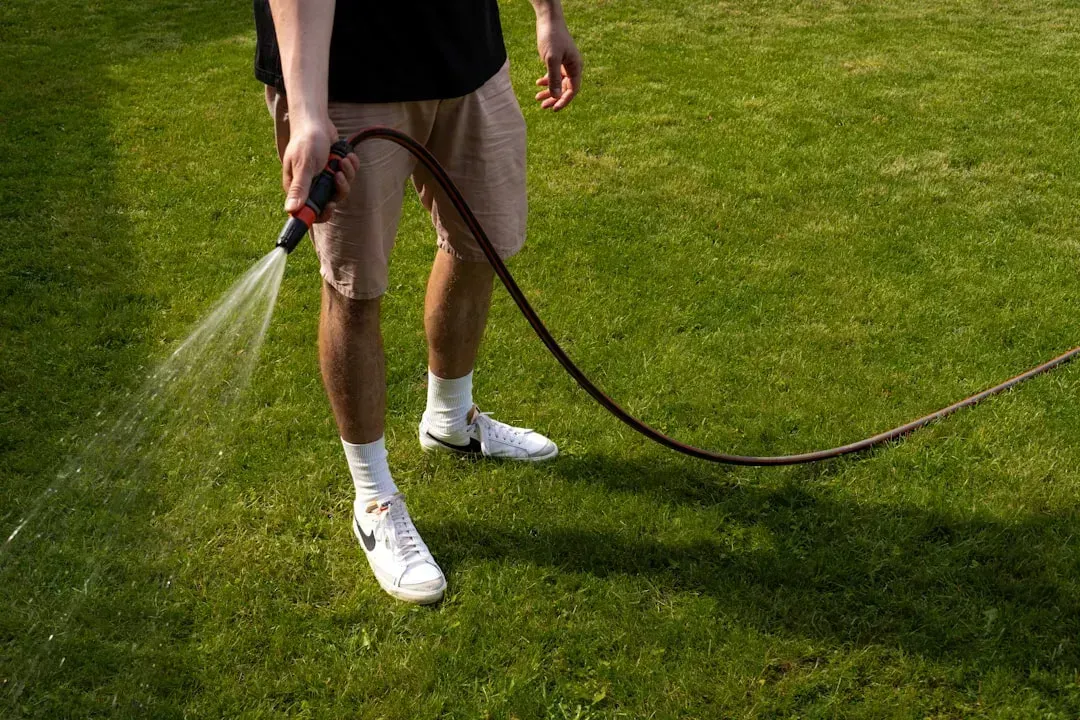
On hot summer days, kids in the 1980s did not wait for a parent to hand them a plastic cup of water. Instead, they simply grabbed the garden hose, let it run for a few seconds, and drank straight from the nozzle, often passing it around to friends without a second thought about germs or hygiene.
This small ritual has become something of a nostalgic symbol of the decade precisely because it feels so foreign now, when concerns about hose materials, bacteria, and general cleanliness make many parents cringe at the memory. It was never treated as risky behavior at the time, just a convenient and refreshing way to cool off between games of tag.
7. Smoking Around Children in Cars and Homes

Secondhand smoke was not the widely understood health concern in the 1980s that it is today, and it was common for parents to smoke cigarettes in the car with windows barely cracked while children sat in the back seat. Restaurants, waiting rooms, and even some workplaces had designated smoking sections rather than outright bans, so kids were regularly exposed in public spaces as well.
Public health messaging around secondhand smoke exposure to children grew substantially in the years that followed, leading to a wave of state and local laws restricting smoking in cars with minors present and in most enclosed public spaces. What was once background noise in daily life became one of the more significant public health turnarounds of the following decades.
8. Playground Equipment With No Real Safety Standards
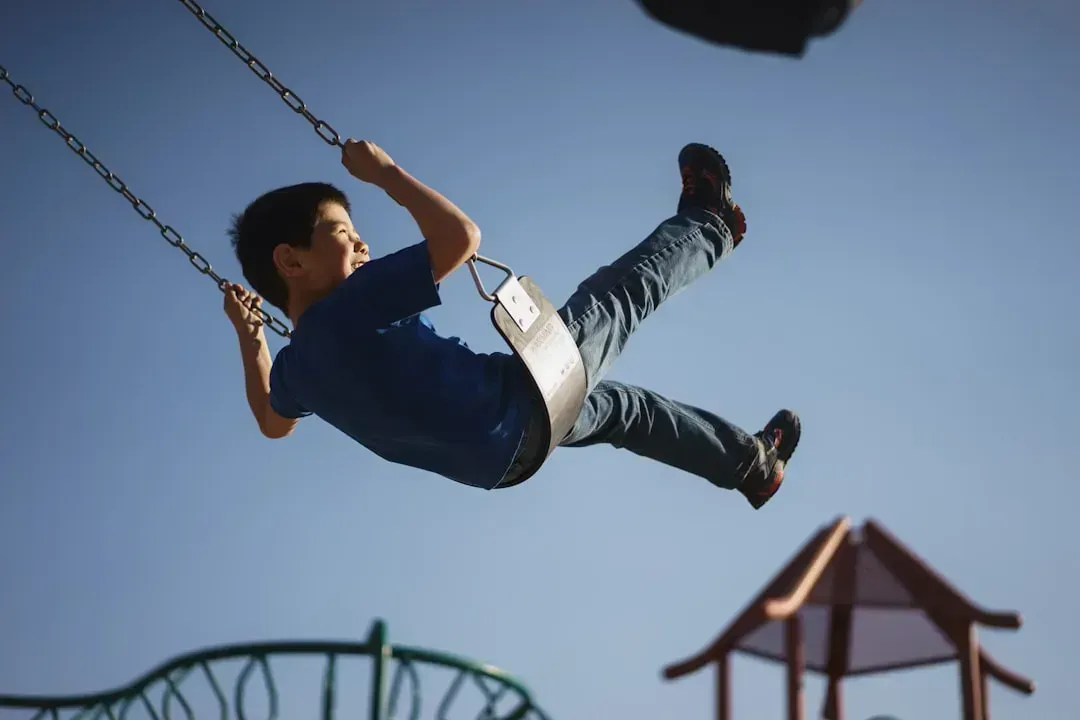
Anyone who grew up in the 1980s likely remembers metal slides hot enough to burn bare legs, merry-go-rounds that spun fast enough to fling kids off, and monkey bars perched over hard-packed dirt or asphalt rather than any kind of cushioned surface. Playground design at the time prioritized excitement and durability far more than injury prevention.
Modern playgrounds look dramatically different, with rubberized surfacing, rounded edges, lower platform heights, and equipment tested against detailed safety guidelines that simply did not exist in most communities forty years ago. The transformation reflects decades of research into childhood injuries and a broader shift toward designing public spaces with liability and safety as leading priorities.
9. Letting Kids Roam Stores and Parking Lots Alone

It was not unusual in the 1980s for a parent to send a child into a store alone to grab a few items while the rest of the family waited in the car, or to let kids wander several aisles away without checking in constantly. Parking lots, too, were treated as low-risk spaces where children might walk ahead to the car or wait by themselves for a few minutes.
This kind of independence reflected a broader trust in communities and a lower general anxiety about stranger danger compared to today. Current parenting norms lean heavily toward keeping young children within arm’s reach in public spaces, a shift shaped by decades of media coverage, changing safety expectations, and simply a different cultural mood around childhood independence.
Looking back at these nine practices says less about bad parenting and more about how quickly safety standards, medical understanding, and cultural expectations can shift within a single generation. Many of the parents who allowed these things were simply following the norms of their era, often without access to the research or legislation that would come to define the decades that followed. It’s a reminder that today’s parenting “rules” will likely look just as surprising to our own kids one day.





Leave a Reply