
Three words. Eight letters. We say them so often they can start to float through the air without landing anywhere. That’s not a knock on the phrase itself – it matters, it always will. The question is what surrounds it.
Relationship psychology has spent decades unpacking what actually makes people feel loved, and the answers keep pointing in the same direction: it’s rarely the declaration that moves someone. It’s the thousand smaller things that happen before and after it. Here are nine of them.
Showing Up Without Being Asked

For many people, love is something they feel through meaningful actions rather than something they simply hear. The acts of service concept is linked to the idea that commitment and affection are best expressed by easing a partner’s daily burdens and contributing to their well-being in visible ways. That’s the part people tend to underestimate – the “without being asked” element is doing a lot of heavy lifting here.
When a partner comes home exhausted after a long day and instead of waiting to be told what’s needed, someone steps in with a prepared meal or a few chores handled, that kind of proactive care reflects emotional attunement and helps strengthen the connection. It communicates something that three words rarely can: I was thinking about you before you even walked through the door.
Remembering the Quiet Details

Love often shows up in micro-moments. When someone stores small, specific details about you and acts on them, it’s not just sweet – it’s a measurable sign of emotional attunement and commitment. There’s a real difference between knowing someone likes pasta and knowing exactly which dish makes them light up and which ingredient ruins it for them.
When a partner tracks granular likes and dislikes, they’re building what psychologists call a “love map,” a mental catalog of who you are and how to care for you. Relationship researcher John Gottman refers to this as noticing and “turning toward” bids for connection, those tiny cues that say, “See me.” Those bids are easy to miss. Catching them consistently is a form of love that words can’t replicate.
Giving Someone Your Full, Undivided Attention

Undivided, focused attention is not the same as proximity. It means genuine presence: eye contact, active listening, phones down. It includes conversation that is engaged rather than distracted, and shared activities where the focus is truly on each other. A partner who is physically present but mentally elsewhere still feels absent.
People feel most adored when their partner actively wants to spend time with them and is always ready to engage. They particularly value active listening, eye contact, and full presence as hallmarks of the relationship. In a world of constant notifications and split attention, choosing to be genuinely present is increasingly rare – and increasingly meaningful.
Staying Through the Hard Moments

Saying “I am there for you” means you’re willing to do the work that a relationship requires. It says you can be leaned upon when your partner cannot stand on their own. It’s a phrase of giving, rather than receiving. The difference between saying it and demonstrating it is everything.
When you attempt to show up – even imperfectly – you demonstrate that the relationship matters deeply. A willingness to acknowledge mistakes and genuinely try to do better means more than getting it right every time. It’s through these small but sincere acts of repair that a relationship develops resilience, a crucial component of emotional intimacy.
Apologizing and Actually Changing

A sincere apology is more than just a verbal acknowledgment of a mistake – it is an act of courage, humility, and deep empathy. It requires a deep understanding of the hurt caused and a genuine desire to make amends. The word “sorry” alone is cheap. What costs something is the behavior that follows it.
In romantic relationships, the importance of a sincere apology becomes especially significant. Couples who are able to apologize sincerely tend to have stronger, more resilient relationships, because apologies help repair the emotional bond between partners, allowing them to move forward from conflicts with a renewed sense of trust and commitment. Trust is everything in a relationship, and even if trust is broken, a sincere apology at the right time can heal and reconcile. It’s not about erasing the past but rather about commitment to a better future.
Listening to Understand, Not to Respond

Listening is not waiting to speak. It is tracking feelings, details, and body language. Most people are reasonably good at the mechanical part of a conversation – nodding, waiting for a pause, then saying their piece. Genuinely tracking what someone is feeling while they speak is a different skill entirely, and a rarer one.
Research supports this: intimacy strengthens when partners respond to each other’s disclosures with warmth and accuracy. Psychologists call this partner responsiveness, and it helps people feel seen and safe. Feeling truly heard by another person is one of the more underrated forms of intimacy there is.
Planning a Future Together

Shared plans make love feel sturdy. Mapping the next month, the next trip, or the next budget together creates a sense of direction and a shared vision. There’s something quietly powerful about the way future-planning signals trust. It says: I expect you to still be here, and I’m building with that in mind.
It also matters what you do with those plans. It is kinder to commit to less and deliver fully. Over time, that becomes a signal of reliability. A partner can relax because your word matches your actions. That kind of consistency is a form of love that builds slowly and holds surprisingly well under pressure.
Showing Love in the Way the Other Person Receives It

A partner who frequently says “I love you” and gives heartfelt compliments may feel they are showing tremendous love. If their partner’s primary language is acts of service, those words may feel hollow compared to, say, handling the tax return they’ve been dreading. The result: both people feel they’re expressing love, yet neither feels particularly loved.
Research shows that women consistently prefer “sweet actions” over “sweet words,” while men show more flexibility, often swayed by context and emotional warmth. The deeper principle isn’t gendered, though. Love needs both words and action. The real work is learning which combination actually reaches the person in front of you, and then doing that consistently.
Choosing Them, Quietly, Every Day
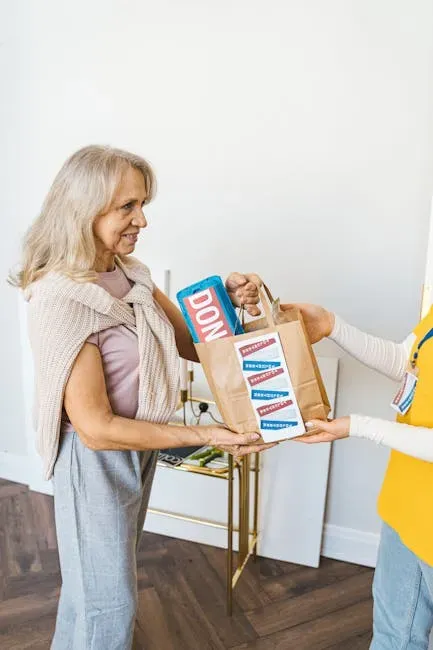
When someone genuinely cares about you, they do more than tell you – they show their love in action. They share their love by being considerate of your needs and meeting you where you’re at, instead of expecting you to be someone you’re not. They accept you just as you are, which is a quiet and powerful way to love someone.
Over time, repeated acts of service build a foundation where love is not just expressed but demonstrated through everyday support and presence. The grand gesture is memorable. The daily choice to be kind, patient, and present – to keep showing up even when it requires effort – is what actually holds a relationship together over years. That’s not dramatic. It’s just true.
Words open a door. Everything on this list is what it looks like when someone decides to walk through it.




Leave a Reply