
There is an unspoken language behind every bar counter. Experienced bartenders can size up a table in seconds, reading body language, eye contact, and most telling of all, the drink order. It sounds almost too simple, right? Like judging a book by its cover. Yet after more than a decade watching thousands of orders come and go, certain drink choices keep showing up in the same story: the one that ends with a near-empty tip line on the receipt.
This is not about judging people for what they enjoy drinking. Honestly, order what you love. However, there are real, recurring patterns that bartenders have clocked over years of service. Patterns that, frankly, deserve a candid conversation. So let’s dive in.
1. Well Drinks With a Long List of Modifications
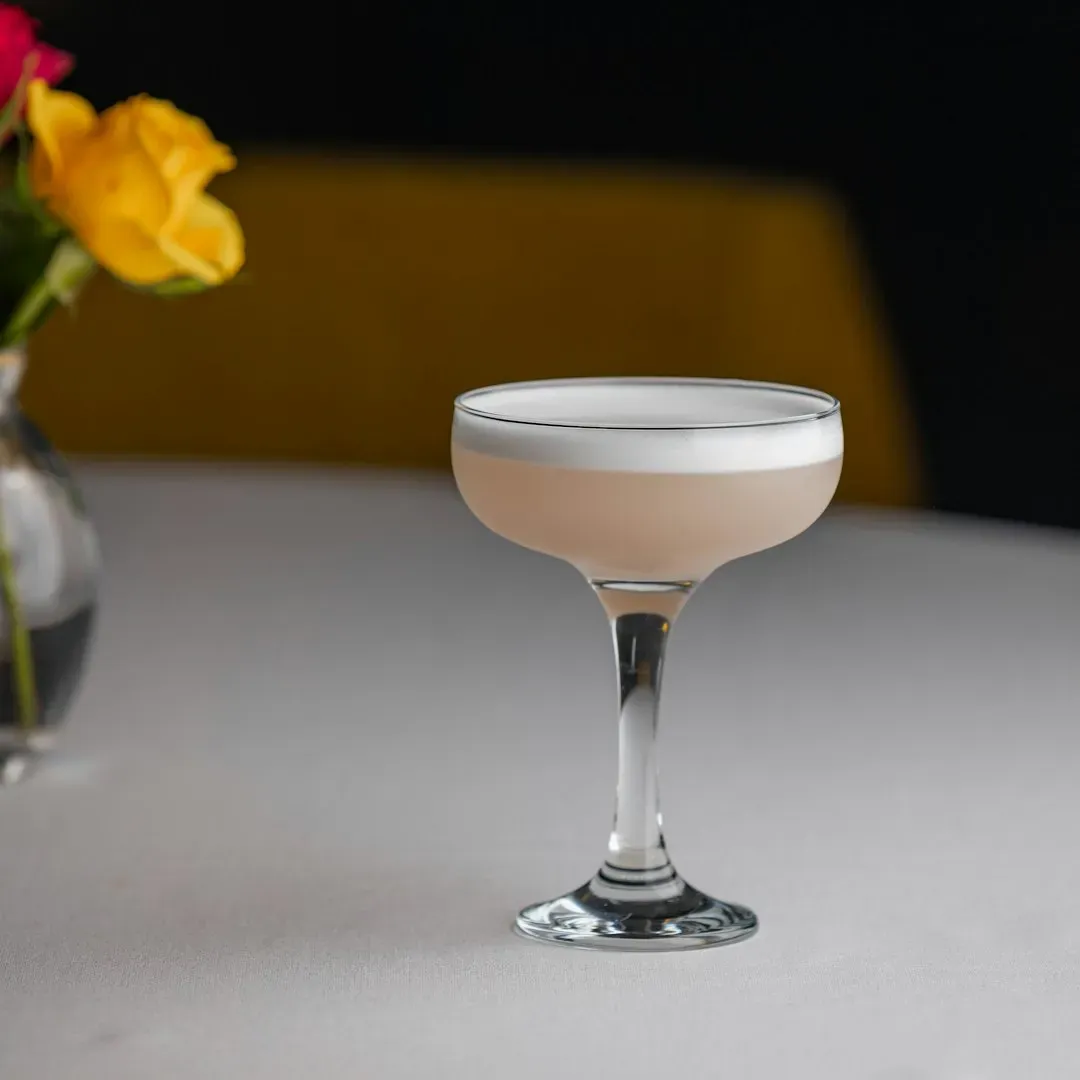
A well drink is, at its core, the most affordable, no-frills order at any bar. While a well drink is what your bartender prepares when a customer makes a generic request like “rum and coke” or “vodka soda,” sometimes customers want a mixed drink made with a specific liquor. That is completely fine. The red flag arrives when a well drink comes loaded with a string of modifications, demands for extra garnish, a specific ice level, a particular glass, and three flavor changes, all while the bill stays at the cheapest possible price point.
Here is the thing: effort does not scale with the price of the drink, it scales with the complexity of the request. A bartender putting real work into a customized well drink is doing premium labor for economy pay. Bartending is a challenging job that requires a unique blend of skills. Bartenders must have extensive knowledge of drinks, the ability to multitask in high-pressure situations, and excellent customer service skills. They’re on their feet for long hours, often late into the night, dealing with a wide range of customer personalities. High effort, low bill, and a missing tip? That combination stings.
2. Cheap Shots, Ordered One at a Time
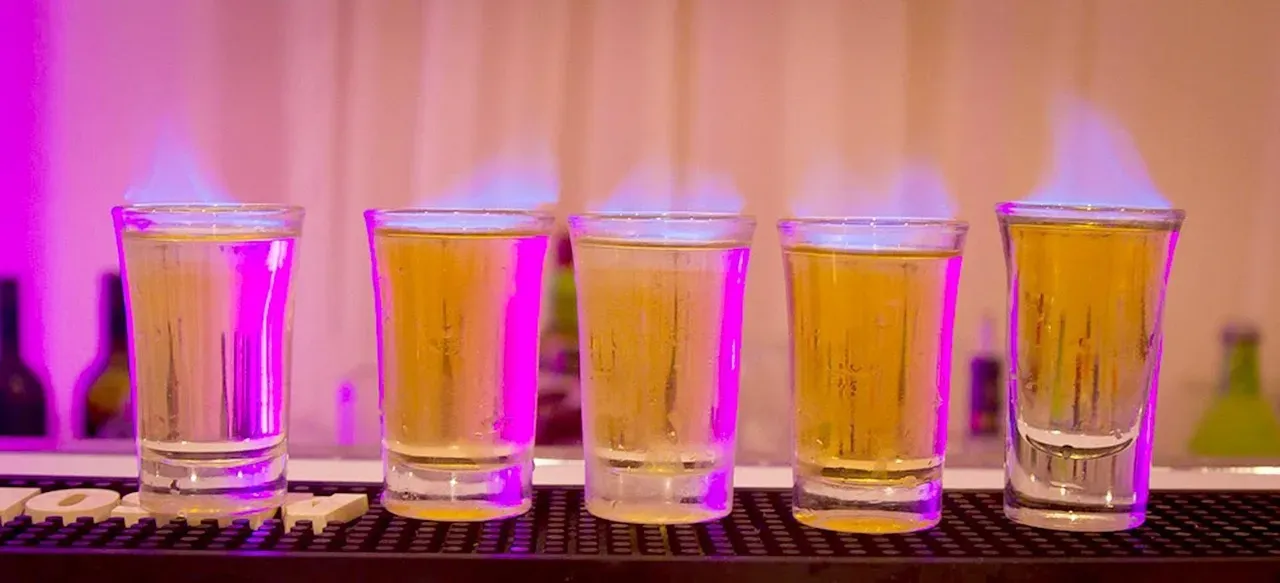
Ordering a single cheap shot, walking away, coming back for another, and repeating this cycle all night long is a bartender’s version of a slow-motion nightmare. Each transaction takes time. Many bartenders have to “tip out” to other staff at the end of their shift. This means sharing a portion of their tips with barbacks, servers, and sometimes kitchen staff. So when someone spends three hours nursing a parade of $4 shots without leaving a dollar on any round, multiple people behind the bar effectively go unpaid for that service.
Bartenders should be tipped $1 to $2 per drink or 15% to 20% of your total tab. One shot at a time orders rarely produce either. The customer occupies space, uses glasses, and demands attention while keeping their bill intentionally low. Veterans behind the bar notice this pattern immediately, usually right around the second or third round.
3. Water Only, For Hours
Let’s be real: everyone is welcome at a bar, and nobody should be pressured to drink alcohol. However, a customer who occupies a barstool for two or three hours ordering only tap water, with no food and no other purchase, presents a genuinely difficult economic reality for the bartender serving them. A whopping 54% of a bartender’s share of hourly earnings comes from tips. When a seat generates zero tippable revenue, that math becomes brutally obvious.
The water-only guest is not the problem in isolation. The problem is when those guests leave nothing at all despite using the space, the staff’s attention, and the bar’s resources for an extended stretch of time. Even if you’re just ordering a single, inexpensive drink, try to leave at least a $1 tip. This shows appreciation for the bartender’s time and effort. Even a small acknowledgment goes a long way.
4. Trendy Cocktails Ordered Off-Menu at Busy Hours
Peak hours at a bar are essentially controlled chaos. Bartenders are managing dozens of orders at once, keeping track of tabs, monitoring intoxication levels, and maintaining a rhythm. Bartenders must make drinks for and take orders from multiple customers, monitor customers at the bar, and receive payments in a fast, efficient manner. Into this scene walks a customer asking for something they saw on TikTok that the bar does not serve, with custom substitutions, preferably in under a minute.
The espresso martini and Aperol spritz are trending drinks for summer 2024, with the espresso martini increasing its ordering growth by 50%, and the Aperol spritz being the most popular cocktail in the United States as of June 2024. You can barely go on social media without seeing these two drinks, and any bartender across the U.S. is probably tired of making them. Ordering these off-menu during a Friday night rush and then tipping nothing is, I think, one of the most oblivious things a bar patron can do. The labor is real, even if the menu item is not.
5. The “Surprise Me” Order With an Instant Complaint
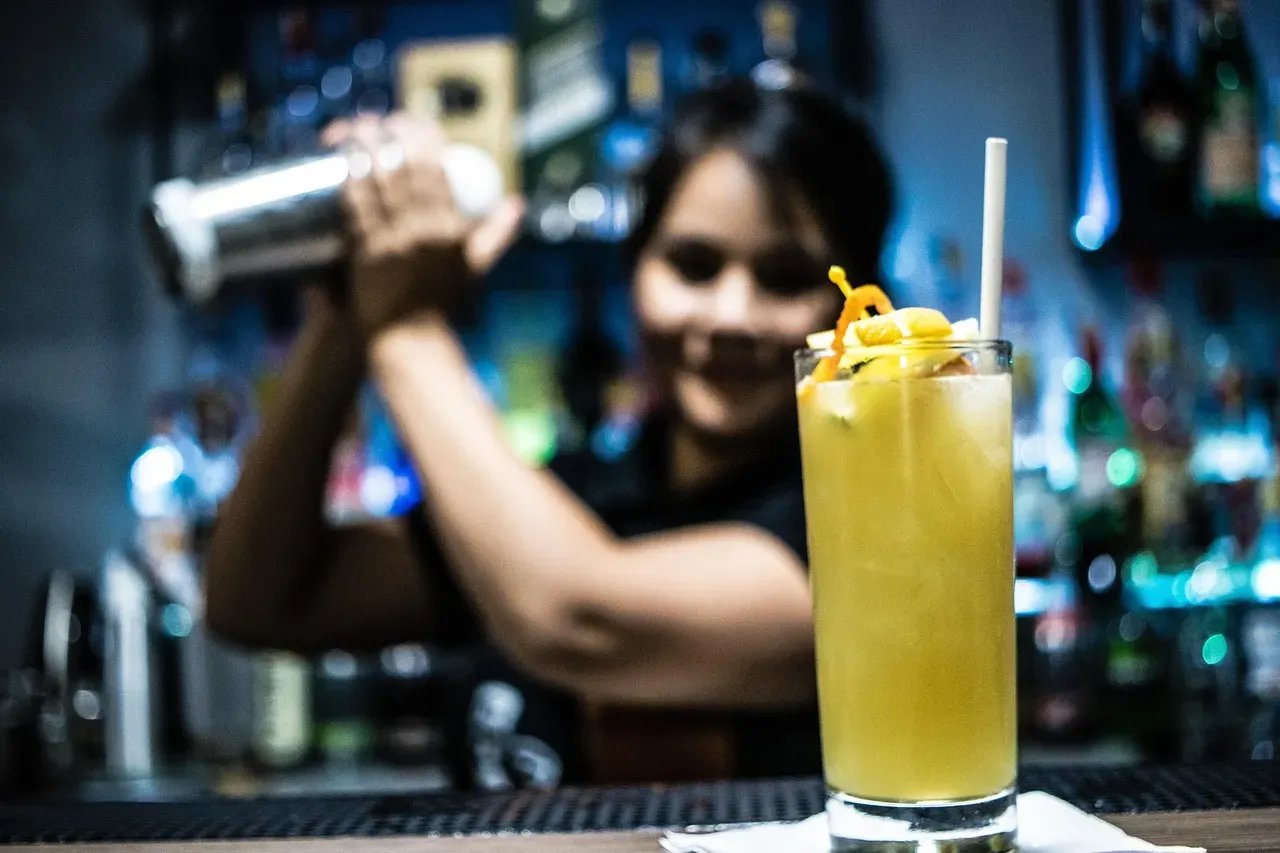
There is something charming about telling a bartender to surprise you. It signals trust in their craft, and most bartenders genuinely love the creative freedom. A well-tipped bartender is more likely to take the time to understand your preferences and make tailored drink suggestions. The red flag is not the open-ended request itself. It is when the customer complains about the drink after one sip, demands a different one for free, drinks both, and then tips next to nothing on a check that now reflects two custom cocktails.
This pattern is more common than most people realize. It places the bartender in a no-win situation, absorbing the cost of the remake while still being expected to smile warmly about it. Poor tippers may find themselves waiting longer for service or receiving less attention from the bartender. Experienced bartenders remember faces, and they adapt their service accordingly over time.
6. Open Bar Guests Who Still Order the Most Demanding Drinks
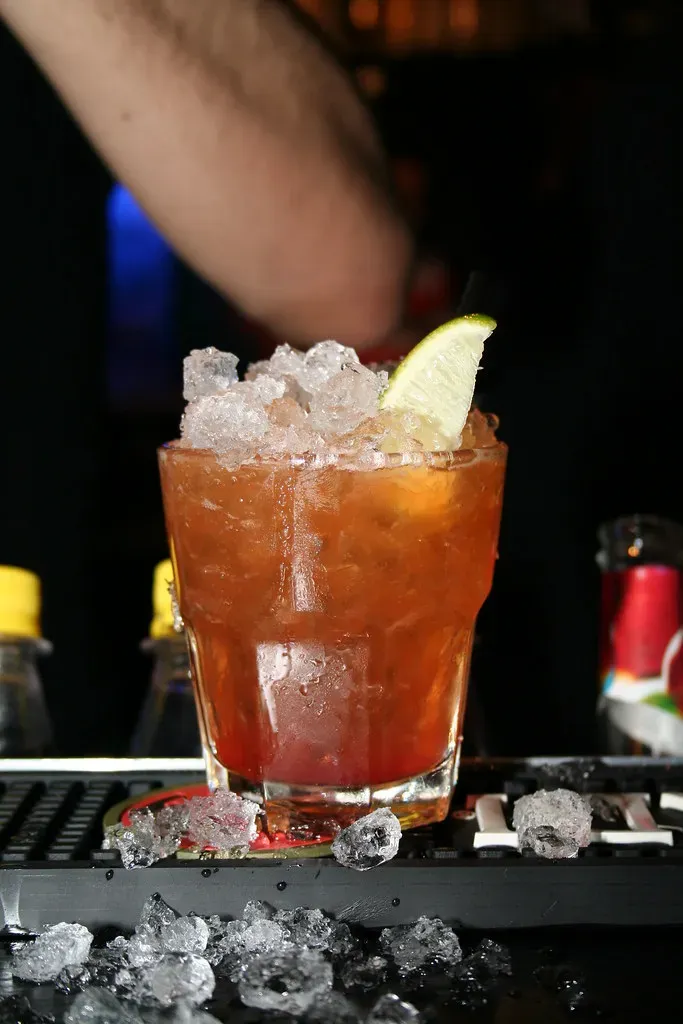
Open bars at weddings, corporate events, or private parties come with a particular dynamic. The drinks are free, so guests assume the bartender’s effort should be, too. At events with an open bar, such as weddings or corporate functions, it’s still customary to tip. Since you’re not paying for the drinks, tip $1-$2 per drink, or consider leaving a larger tip at the end of the night if you’ve had multiple drinks. Most guests skip this entirely, which is fine as a baseline. The red flag is the guest who, aware that everything is free, decides to order the most labor-intensive cocktail possible, repeatedly.
Think elaborate layered drinks, multiple garnishes, blended orders during a high-volume event. The bartender did not set the guest list or choose the open bar format. They are still doing real work, still on their feet, still tipping out support staff at night’s end. Bartenders tipping out barbacks is typically 10-20% of bartender tips, or 1-2% of bar sales. Barbacks stock, clean, and support bartenders so they can focus on making drinks and engaging with guests. That math does not disappear just because the event has an open bar.
7. Mocktails With Complex Customization Requests
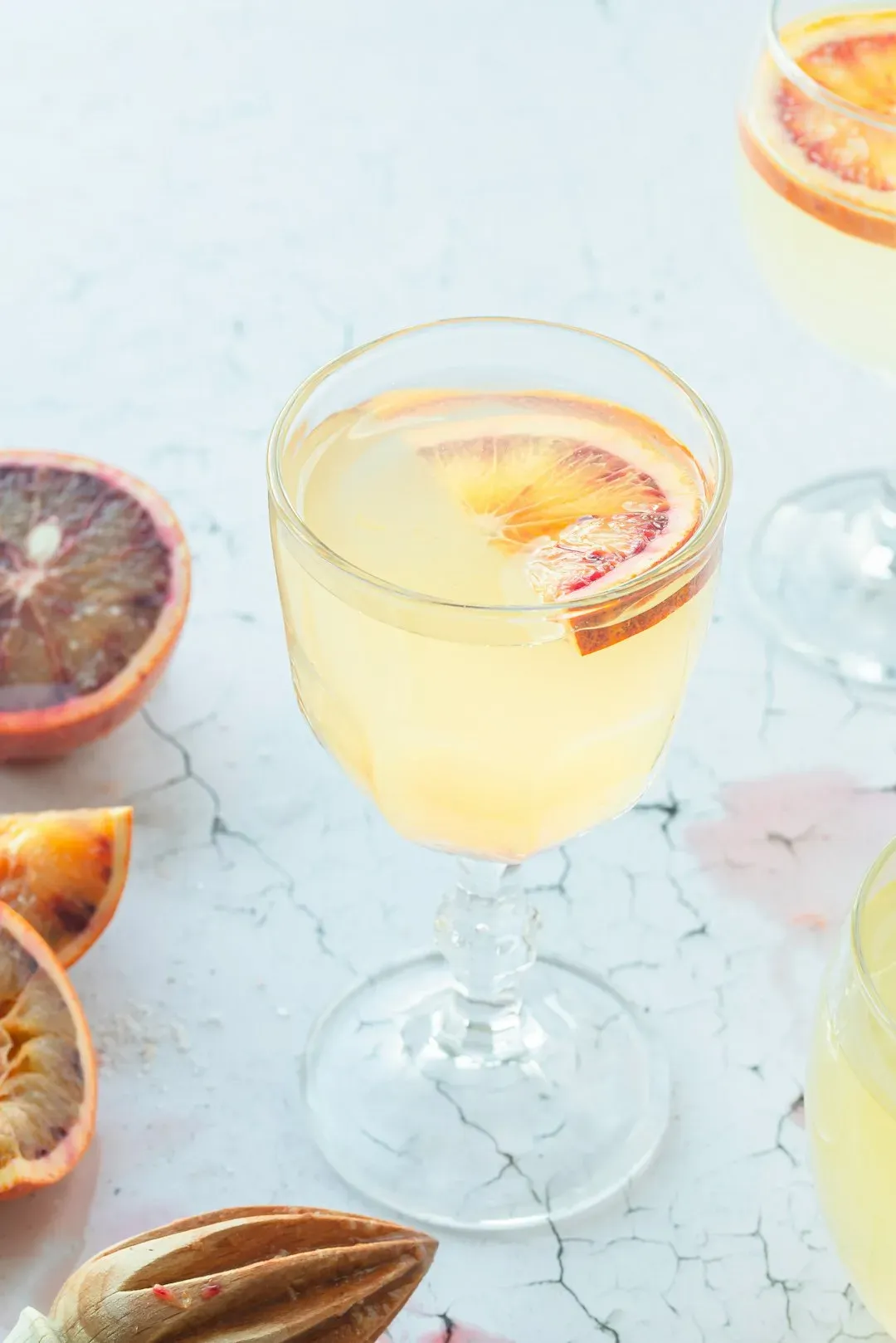
The mocktail movement is real and worth acknowledging. About 41% of Americans are trying to drink less in 2025, which is a 7% increase from 2024. Bartenders broadly support the shift. The issue surfaces when a non-alcoholic order becomes a multi-step production, involving numerous fresh ingredients, specific preparation techniques, and detailed flavor demands, followed by a tip that reflects a glass of water rather than a crafted beverage.
When given the task, any bartender worth their salt should be able to come up with a mocktail version of a well-known mixed drink on the spot. Most cocktails include at least one or two mixers, and many have several, making omitting the alcoholic component straightforward. However, ordering a “mocktail” version of a drink that is almost solely made up of alcohol may convey the naivete of a patron or, if the bar is busy enough, an annoying situation for a bartender. The tipping logic should match the labor, not the alcohol content of the glass.
8. Cheap Beer, Tab Left Open for Hours
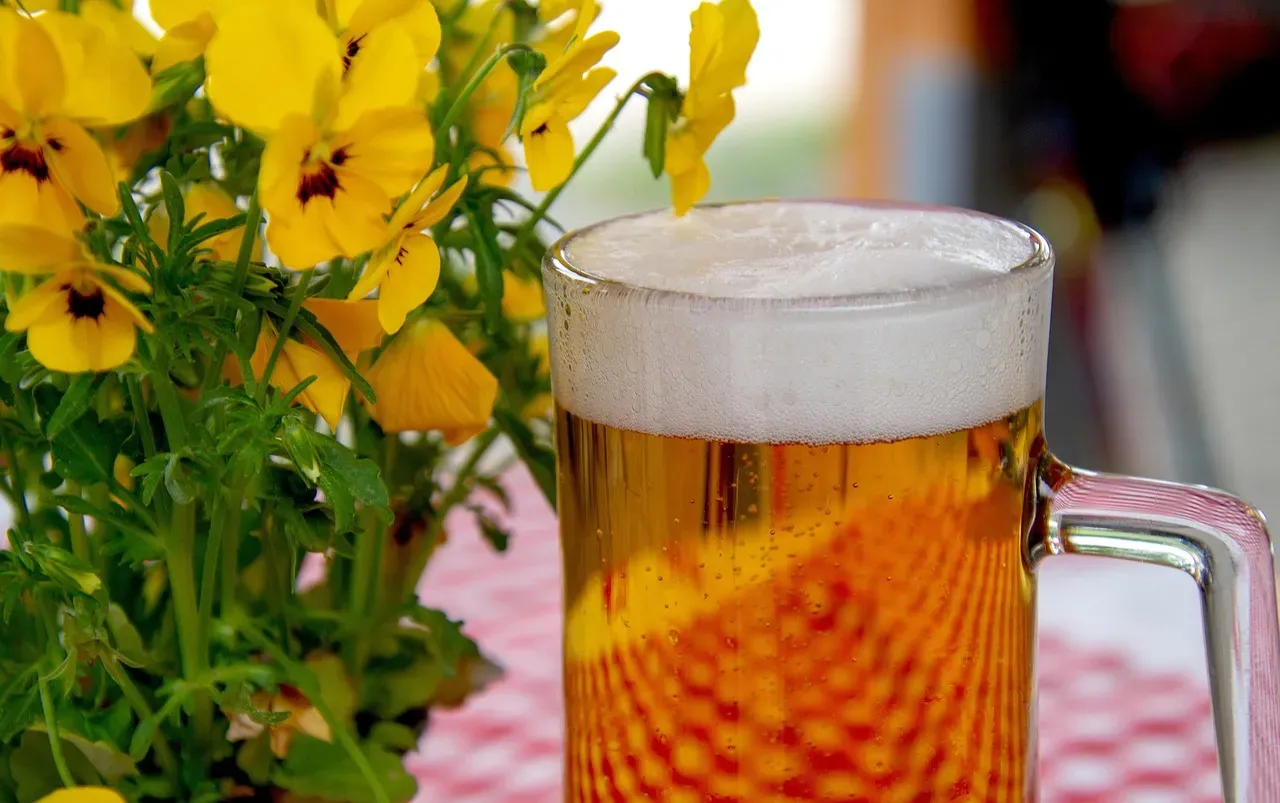
A single domestic beer is a perfectly respectable order. No judgment there whatsoever. The red flag version of this order involves opening a tab on one budget beer, keeping that tab open for several hours, ordering additional inexpensive rounds, and then closing it with a flat dollar tip regardless of how many times the bartender attended to the table. Some customers will tip if they ordered a cocktail, but not for a beer or wine. This lack of tipping is fueled by customers believing the bartender didn’t do enough to merit the extra cash by simply pouring a drink.
That logic misses the point entirely. The median hourly wage for bartenders was $16.12 in May 2024. Before tips. In many states, the base tipped wage sits far below even that figure. Every interaction, every refill, every check-in at the table is part of the service that tips are meant to compensate. A cheap beer order held open for three hours represents a lot of bartender attention for very little return.
9. Well Gin and Tonic, With the Expectation of Premium Attention
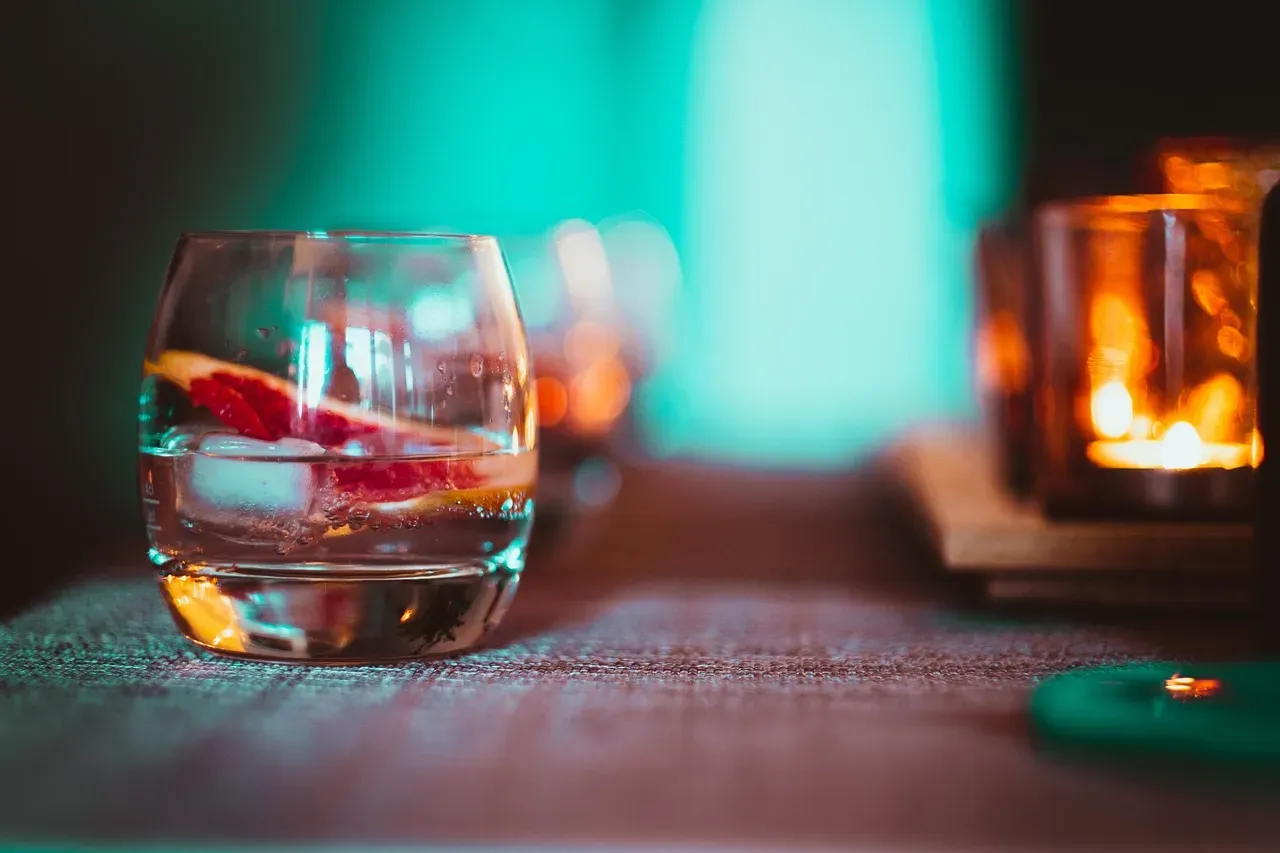
The well gin and tonic occupies a fascinating niche in bar culture. It is the drink, according to bartenders themselves, that telegraphs a very particular type of customer. Bartenders note that well gin and tonic drinkers are often over the age of 50, and if they want well gin, there’s a good chance they’re cheap tippers. This is obviously a generalization, and plenty of gin and tonic fans tip beautifully. However, this drink order has earned its reputation through sheer consistency of experience behind the bar.
The pattern goes like this: a customer orders well gin and tonic, asks for extra lime, wants it in a specific glass, flags the bartender down frequently for attention, and then tips a flat dollar or nothing at all. It is not the drink itself, it is the accompanying entitlement that bartenders find exhausting. A Bankrate survey revealed that members of Generation Z are the least frequent tippers, though interestingly, this particular pattern tends to skew older. Tipping culture remains complicated across every demographic.
The Bigger Picture Behind the Tip Line

Tipping in America is genuinely in a state of flux right now. The national average tip has declined to 14.9% in Q2 2025, down from 15.5% in 2023. This marks the lowest level in recent years. Meanwhile, only roughly two in five Gen Z consumers always tip at sit-down restaurants, compared with more than four in five Gen X and Boomer consumers. The industry is absorbing these shifts while bartenders continue to shoulder the consequences.
As of the most recent Bankrate survey, 63% of Americans hold at least one negative view about tipping, which is up from 59% the year prior. Frustration with tipping culture is understandable. The system is imperfect, and the burden of supplementing wages through tips should not fall entirely on customers. Still, until wages structurally change, the bartenders working those shifts depend on gratuity as a genuine part of their income. Unlike many other countries, the service industry in America relies heavily on tips to supplement the often low base wages of workers. Many bartenders earn a minimum wage well below the standard minimum wage, with the expectation that tips will make up the difference.
None of the drink orders on this list are banned, wrong, or undeserving of great service. Every single one of them will still be served with a smile by a professional behind the bar. The question is simply whether the effort that goes into serving them gets acknowledged. A dollar per drink, or around 15 to 20 percent of the tab, is what makes the job sustainable. What would you have guessed was the most common red flag drink? Tell us in the comments.


Leave a Reply