
Nuts get lumped together as a single healthy snack, yet a handful of macadamias and a handful of almonds are quite different foods. They vary in protein, fiber, vitamins, and the type of fat they carry. Those differences are what decide where each one lands in a ranking like this.
No ranking of this kind is a scientific standard. This one is an editorial judgment based on USDA nutrient data for a standard one ounce serving, which is about 28 grams. It weighs protein, fiber, key vitamins and minerals, fat quality, and any practical caveats. Every nut here is nutritious, so “lowest” only means lowest on this list.
Macadamia Nuts: Rich in Fat, Light on Everything Else
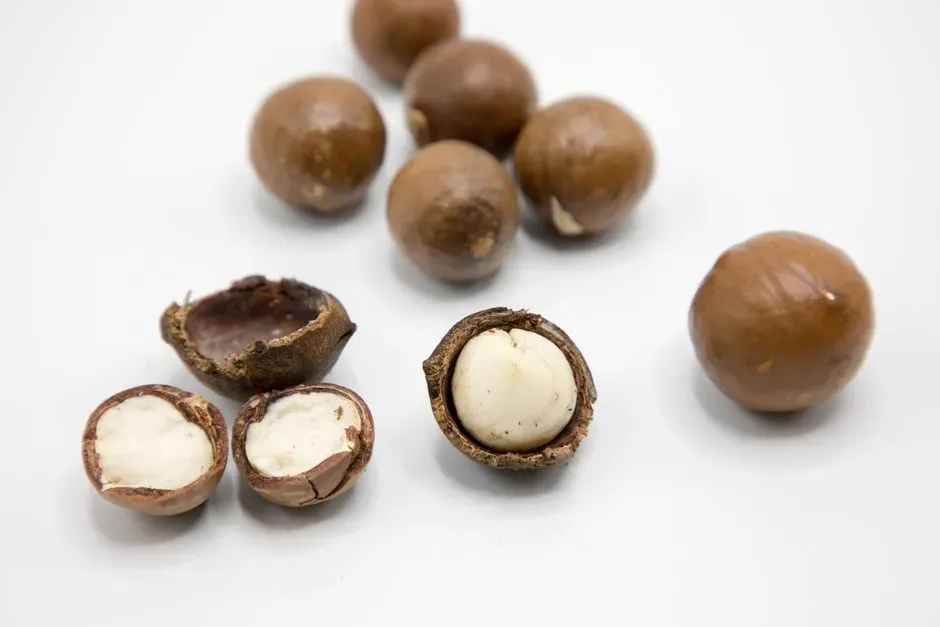
Macadamias are the most calorie dense nut on this list. An ounce has roughly 200 calories, and most of that comes from about 21 grams of fat. Protein sits near 2 grams and fiber around 2.4 grams, which are the lowest protein figures among the nuts here.
That doesn’t make them a poor choice. Most of their fat is monounsaturated, the same general type found in olive oil, and they supply manganese and thiamin. They just deliver fewer nutrients per calorie than most of their competitors, and that’s why they start the list.
Pecans: Antioxidants With a Modest Nutrient Spread
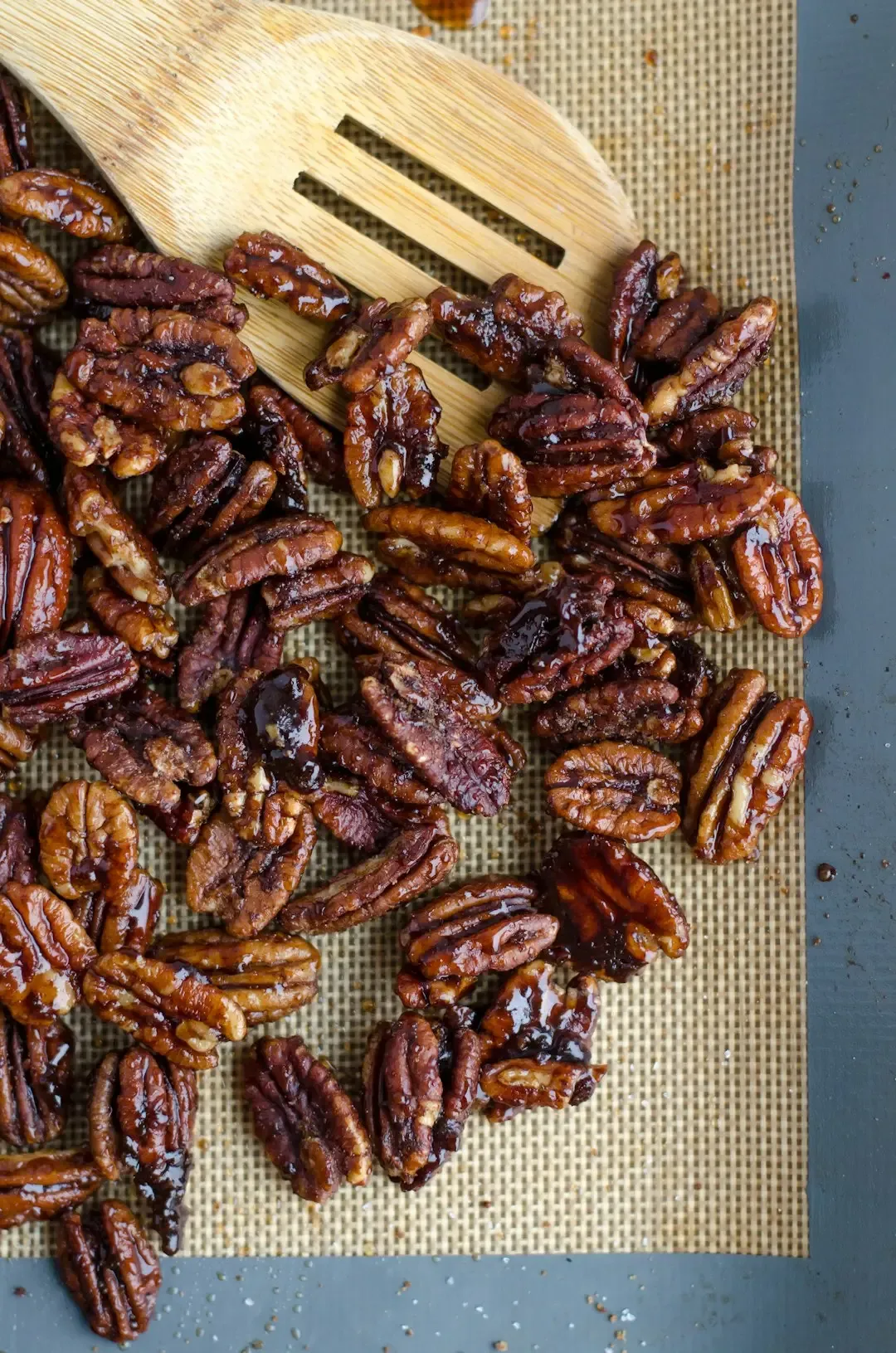
Pecans come in at about 196 calories per ounce, with around 20 grams of fat and roughly 2.6 grams of protein. Fiber is decent at close to 2.7 grams. Like macadamias, most of the fat is monounsaturated.
Their main strength is polyphenols, plant compounds with antioxidant activity. Pecans also provide manganese, copper, and thiamin. The vitamin and mineral profile is narrower than what you get from nuts higher up the list.
Brazil Nuts: A Selenium Powerhouse With a Catch

Brazil nuts are unusual because one nut can supply roughly 70 to 90 micrograms of selenium, depending on where it was grown. Adult needs are about 55 micrograms a day, so a single nut can cover them. The tolerable upper limit for adults is set at 400 micrograms daily.
That’s the catch. Eating a large handful regularly can push selenium intake past the safe ceiling over time. They also have about 4 grams of protein per ounce and useful magnesium, but the narrow safety margin keeps them in the lower half of this ranking.
Cashews: Strong on Copper and Magnesium
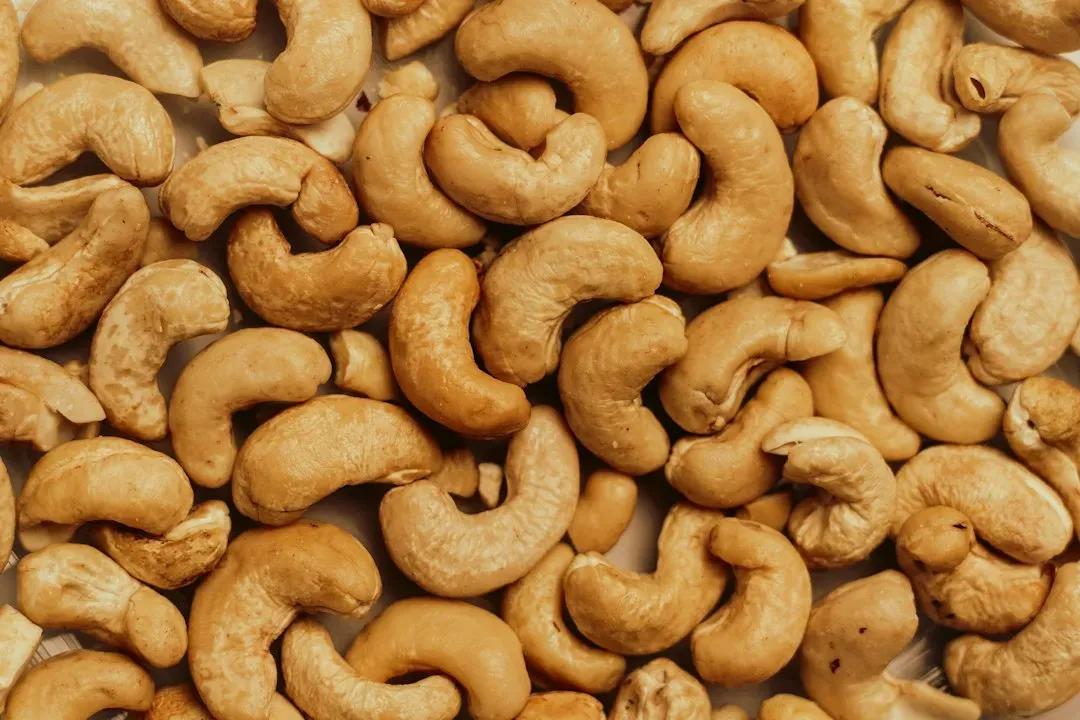
Cashews are lower in fat than many nuts, with about 12 grams and 157 calories per ounce. Protein is around 5 grams, though fiber is only about 1 gram. That low fiber count holds them back.
Where cashews shine is minerals. They’re a good source of copper, magnesium, zinc, and iron, all of which matter for energy metabolism and immune function. Their creamy texture also makes them a handy base for sauces and nut milks.
Hazelnuts: Vitamin E and Folate in a Compact Package
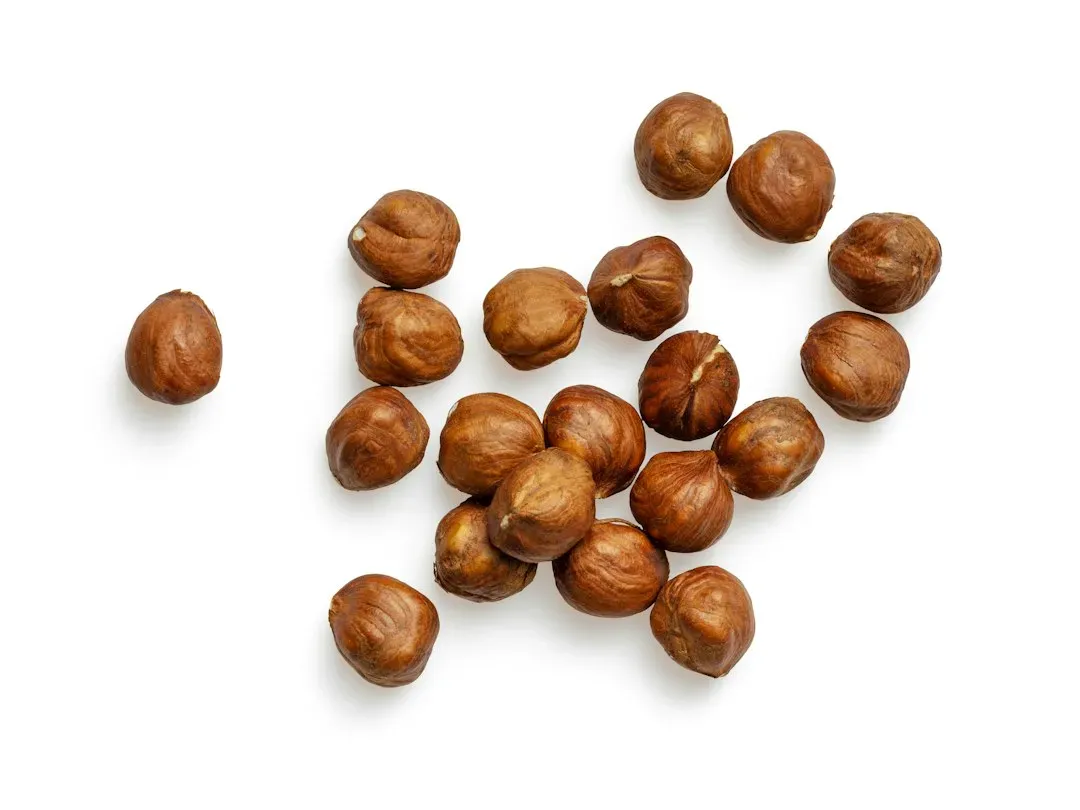
An ounce of hazelnuts has about 178 calories, roughly 17 grams of fat, and around 4 grams of protein. Fiber is respectable at close to 2.7 grams. Most of the fat is monounsaturated.
Hazelnuts stand out for vitamin E, an antioxidant vitamin that many people don’t get enough of. They also provide folate, manganese, and copper. Eaten whole and unsweetened, they’re far better than the chocolate spreads that made them famous.
Pistachios: Protein, Fiber, and Potassium Together
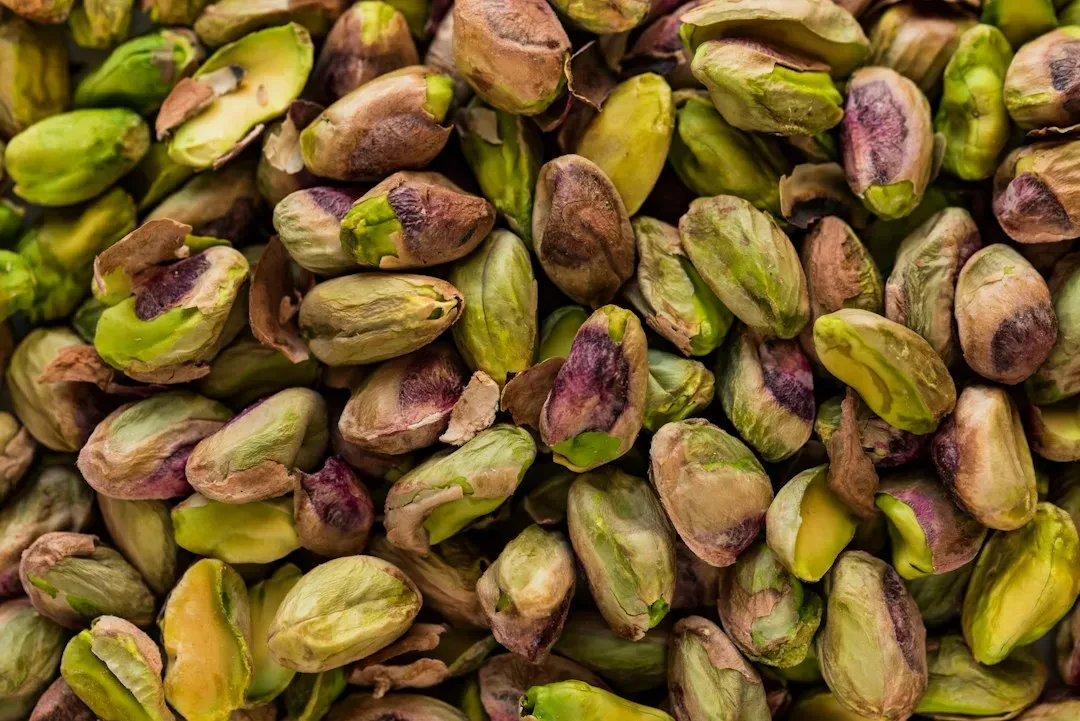
Pistachios are one of the lighter nuts, at about 159 calories per ounce for roughly 49 kernels. They deliver around 6 grams of protein and about 3 grams of fiber. That combination is a solid step up from the nuts listed before them.
They also supply vitamin B6, potassium, and thiamin, plus the eye related carotenoids lutein and zeaxanthin, which are uncommon in nuts. In shell pistachios have a small practical bonus too. Cracking them slows you down, which can help with portion control.
Walnuts: The Omega 3 Standout
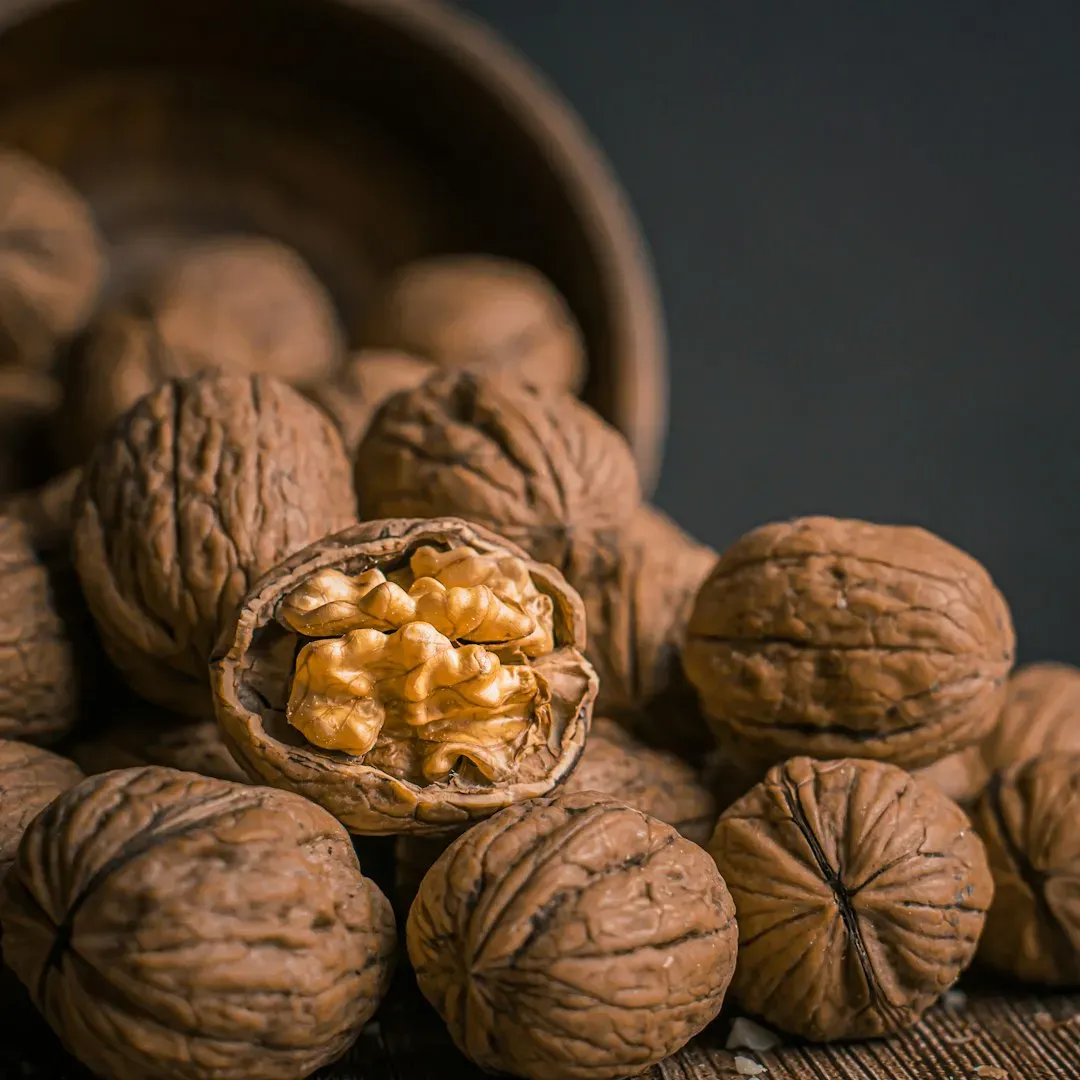
Walnuts are the nut with the most plant based omega 3 fat, supplying about 2.5 grams of alpha linolenic acid per ounce. They have around 185 calories, 4 grams of protein, and nearly 2 grams of fiber. Their protein and fiber are not the highest, but their fat profile is unique.
Walnuts also carry notable polyphenols, along with copper and manganese. Their omega 3 content is the main reason they are so often studied in relation to heart and brain health. Evidence from trials is encouraging, though no single food works alone.
Peanuts: The Budget Pick That Punches Above Its Weight
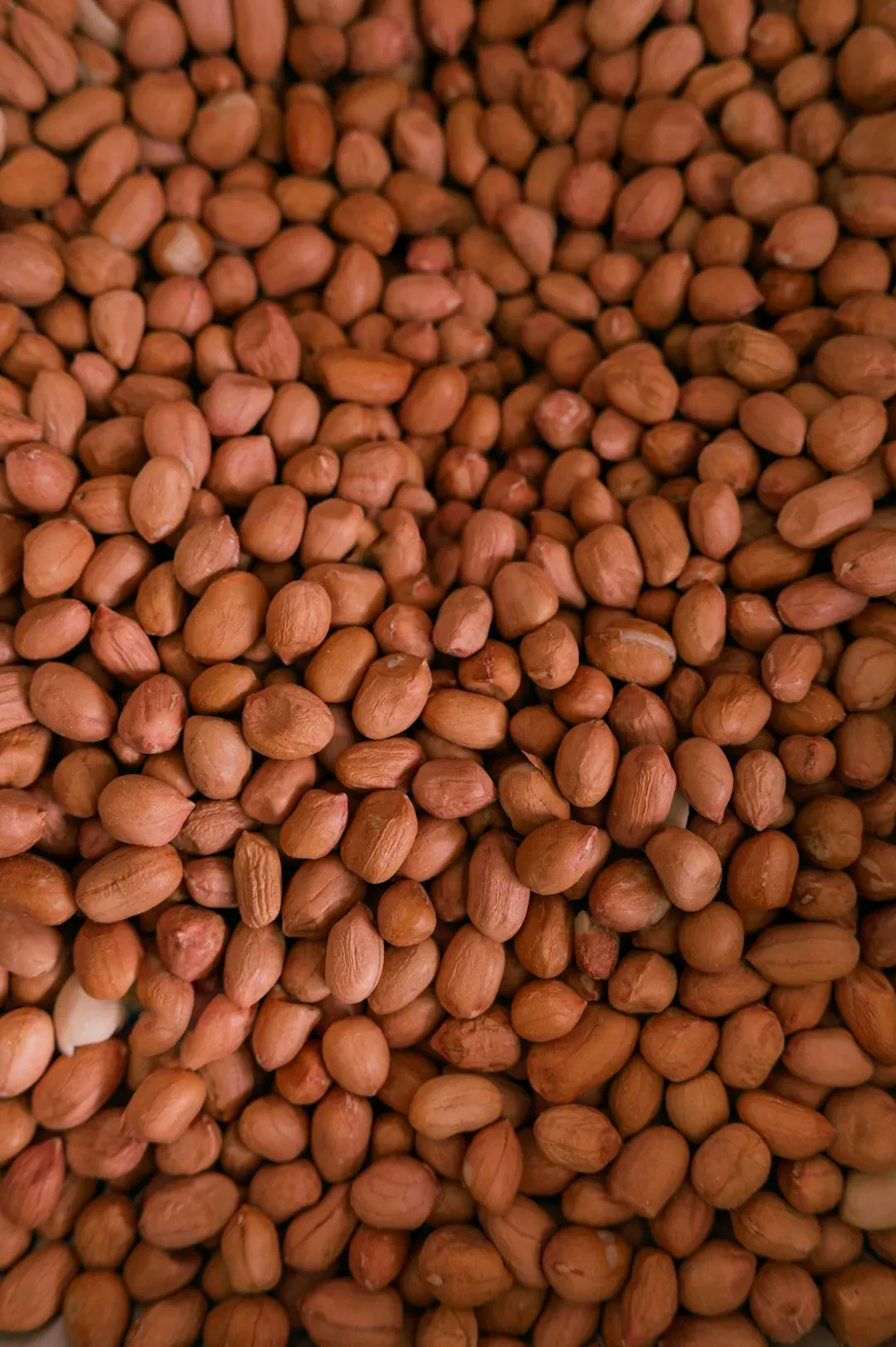
Peanuts are technically legumes, but they’re eaten and sold as nuts, so they belong here. An ounce provides about 161 calories and roughly 7 grams of protein, the highest on this list apart from almonds’ close competition. Fiber is around 2.4 grams.
They are also a good source of folate, niacin, and magnesium. Peanuts cost far less than most tree nuts, which makes their nutrition easier to afford. Peanut allergy is a serious concern for some people, so they’re not an option for everyone.
Almonds: The Most Balanced Nut Overall
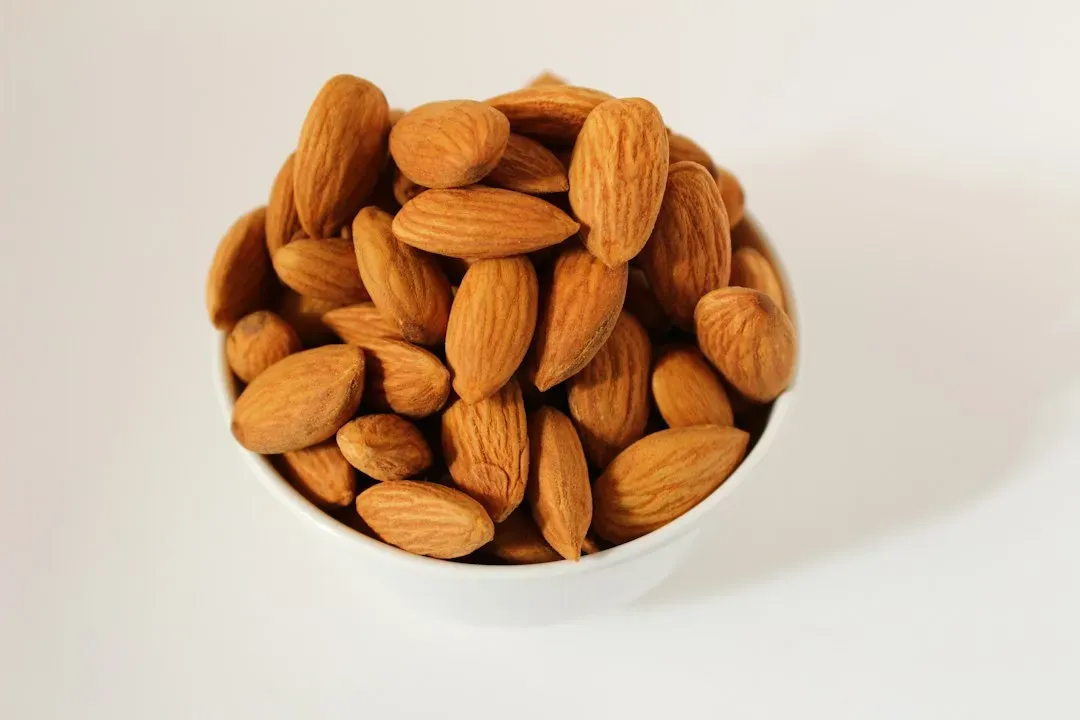
Almonds take the top spot because they do well across nearly every category. An ounce has about 164 calories, 6 grams of protein, and around 3.5 grams of fiber, the highest fiber of any nut here. They are also among the richest nut sources of vitamin E, with roughly 7 milligrams per ounce.
On top of that, almonds supply about 76 milligrams of magnesium and a similar amount of calcium per ounce. Few other nuts offer calcium in a meaningful amount. That breadth of nutrients, plus a mostly monounsaturated fat profile, is why they rank highest.
Serving Size and Preparation Notes
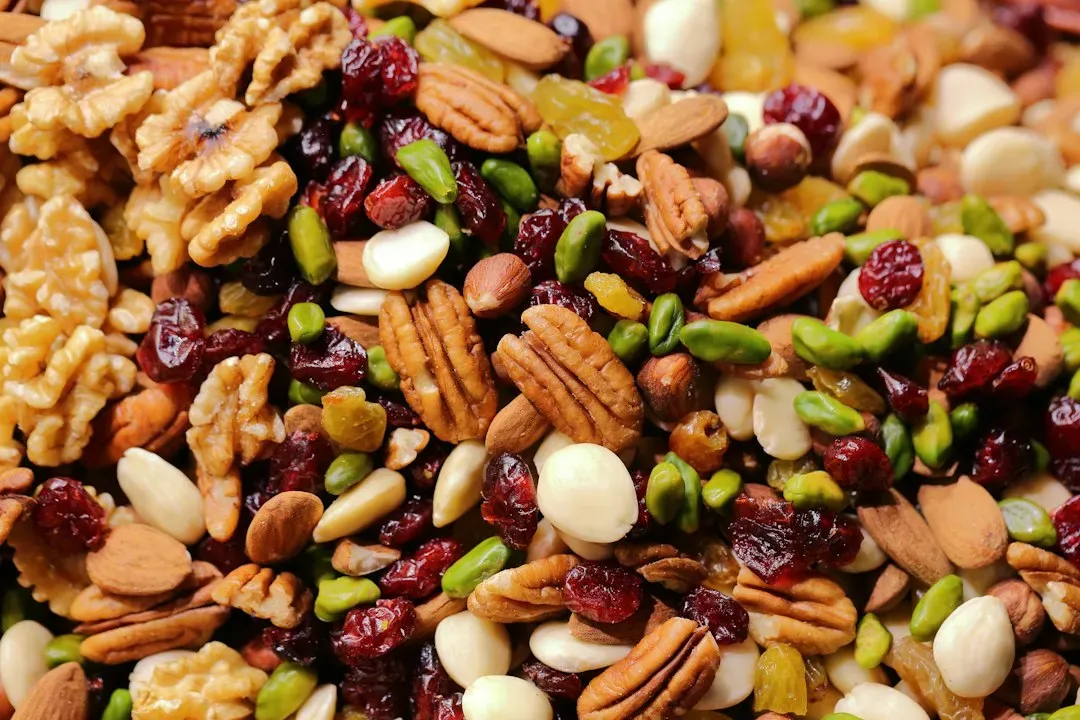
Because all nuts are energy dense, portion matters. A one ounce serving, about a small handful, is the standard reference for nutrition labels and most research. Choosing raw or dry roasted nuts without added salt or sugar keeps the nutrition closest to the numbers above.
Tree nuts and peanuts are also among the most common food allergens, so anyone with a known allergy should avoid them. Brazil nuts should be limited to a few per day because of their selenium content. For everyone else, rotating several kinds covers the widest range of nutrients.





Leave a Reply