
The Saturated Fat Problem That’s Been Hiding in Your Lunch
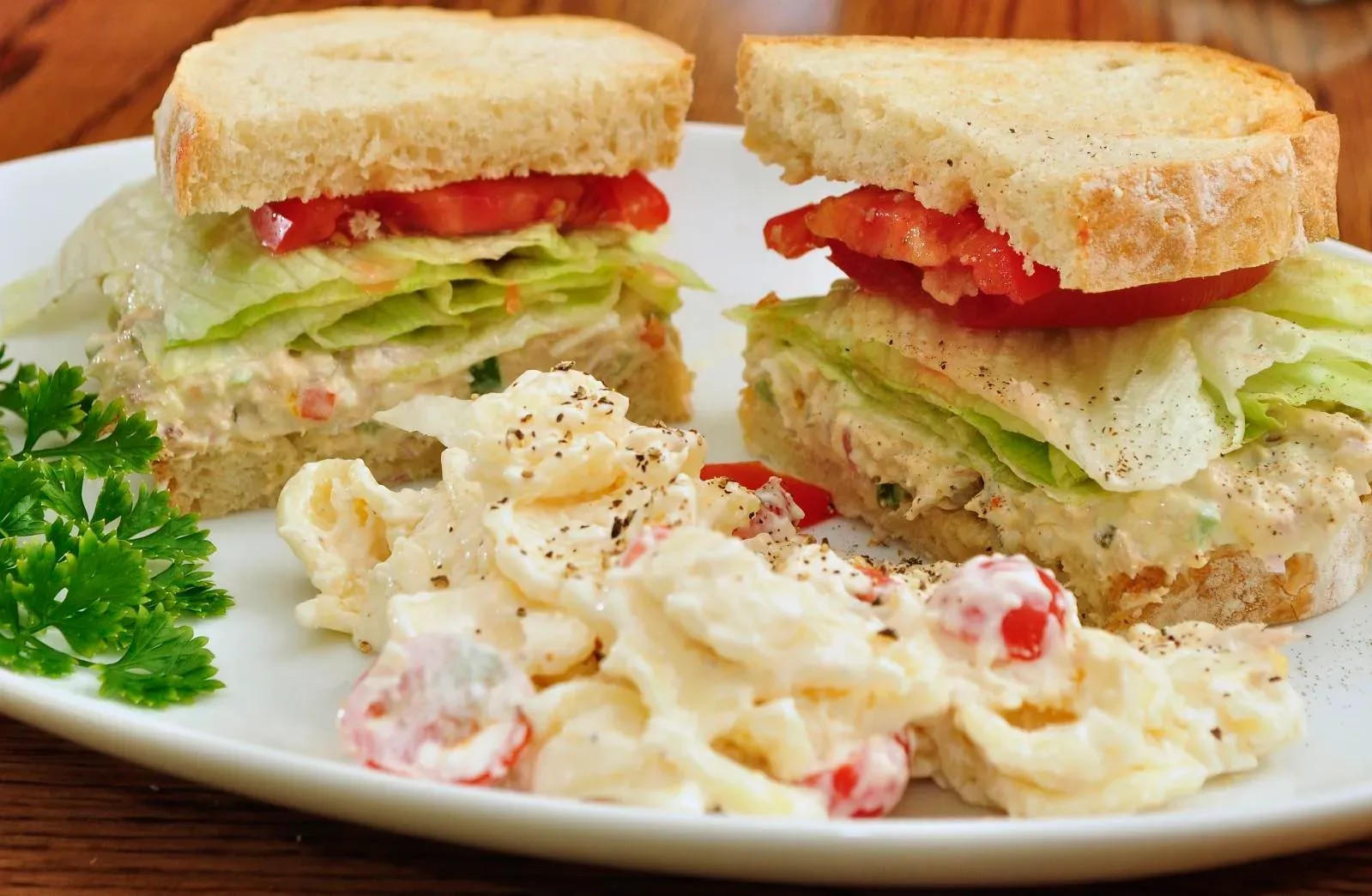
You know what’s strange? We’ve been making tuna sandwiches the same way for decades, slathering on heaps of mayo without giving it a second thought. It feels classic, comforting even. The health benefits of tuna can be negated if you load up with mayonnaise because that condiment is high in saturated fat. Each tablespoon of mayo contains about 1.6 grams of saturated fat according to the USDA. That might not sound like much until you realize how quickly it adds up.
Here’s the thing. That’s about 12 percent of the daily recommended limit set forth by the American Heart Association in just one tablespoon. Most people don’t stop at one tablespoon though. Traditional tuna salad recipes often call for anywhere from two to four tablespoons per serving. Suddenly, that innocent sandwich becomes a significant source of the very fat nutritionists have been warning us about for years.
Why Your Lunchtime Staple Is Overloaded With Calories

One cup of mayonnaise contains 1440 calories, 160 grams of fat and 24 grams of saturated fat. Even when you’re being reasonable with portions, the calories stack up fast. One tablespoon of regular mayonnaise contains 100 calories. Think about making a quick tuna sandwich for lunch. Most of us aren’t carefully measuring out a single tablespoon, we’re just scooping it in until it looks right.
A tuna sandwich with mayo typically contains around 350 to 450 calories. Compare that to the protein powerhouse underneath all that mayo. Without mayo, tuna is a naturally healthy choice with 22 grams of protein in a 3 ounce serving, according to USDA data. It’s honestly a bit tragic when you think about it. We’re taking one of the leanest, most affordable protein sources and drowning it in unnecessary fat and calories.
Americans Are Already Missing Their Seafood Goals
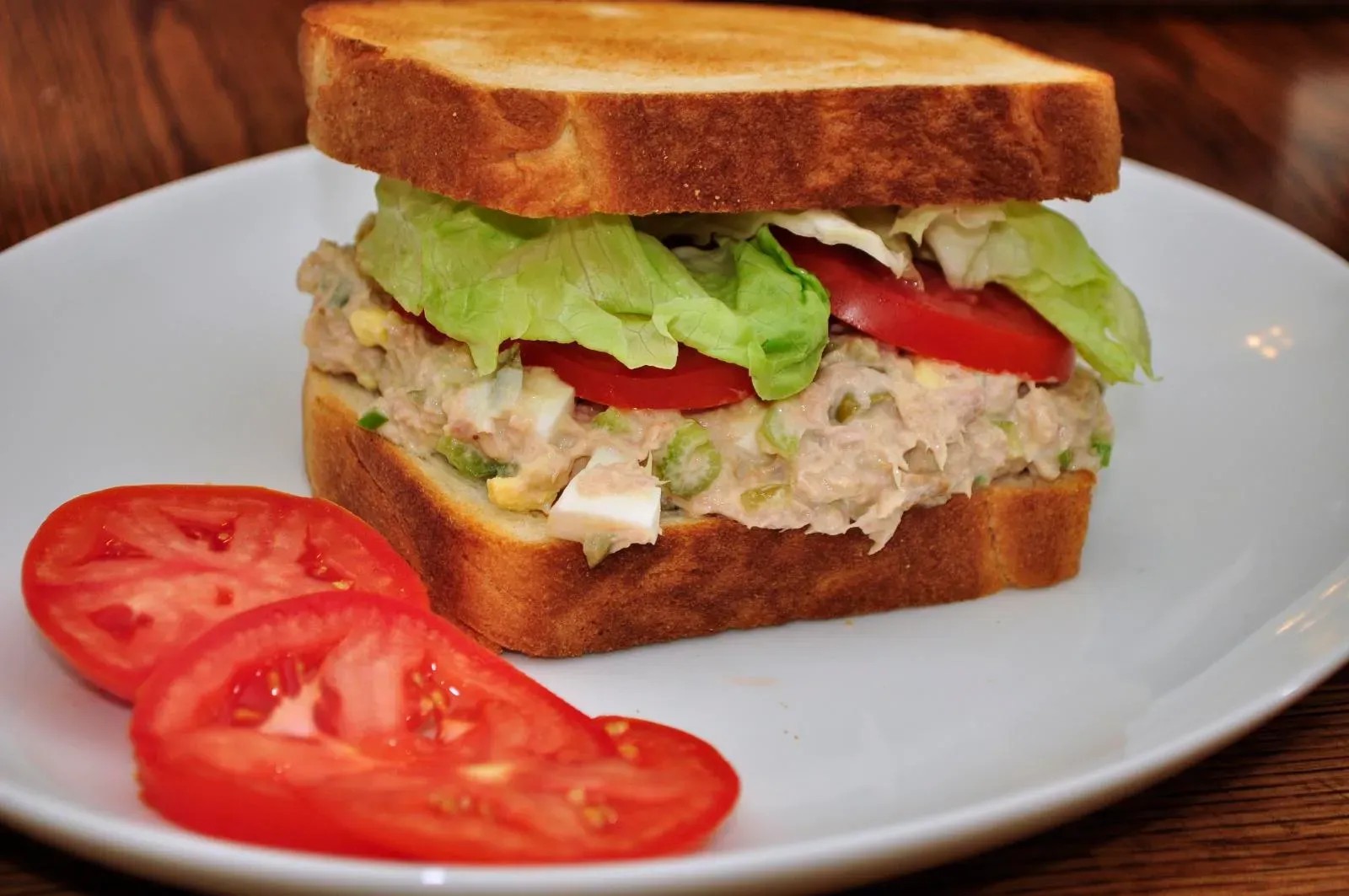
While the 2020 to 2025 U.S. Dietary Guidelines for Americans recommended that adults get at least 8 ounces of fish per week, the USDA pointed out that the average American adult was getting only about one third of that amount. Americans were already struggling to eat enough fish. The last thing we need is to make one of the easiest seafood options less appealing by turning it into a calorie bomb.
Tuna should be part of the solution, not part of the problem. It’s shelf stable, budget friendly, and quick to prepare. When you pile on the mayo though, you’re basically canceling out the nutritional benefits that drew you to tuna in the first place. It’s like ordering a salad and then covering it in fried chicken and ranch dressing.
Greek Yogurt Delivers Protein Without the Fat Overload
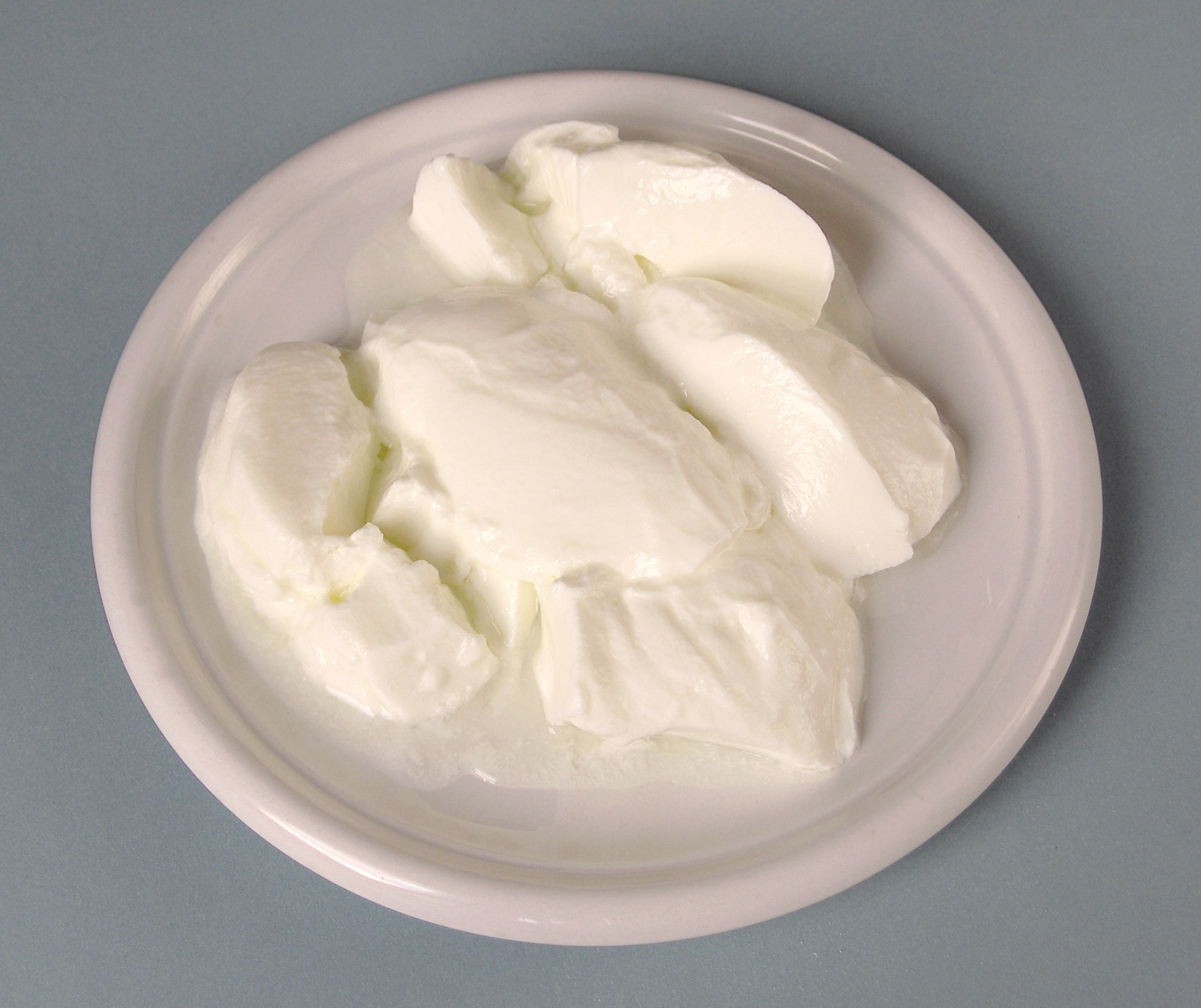
Let’s be real, texture matters. Nobody wants dry, flaky tuna that falls apart the moment you try to make a sandwich. That’s where Greek yogurt comes in as a total game changer. Greek yogurt is the perfect mayonnaise substitute for tuna as it’s rich and creamy while being lower in fat. Greek yogurt keeps the tuna moist and flavorful.
By using Greek yogurt instead of mayo, you’re opting for a lower calorie, higher protein alternative that also offers beneficial probiotics. The difference is actually pretty dramatic. One cup of mayo can be up to 1600 calories and have over 24 grams of fat while one cup of Greek yogurt is around 100 calories and has around 17 grams of protein. You’re essentially swapping empty calories for muscle building protein and gut healthy bacteria. That’s what I call a smart trade.
Avocado Offers Creamy Texture With Nutritional Benefits
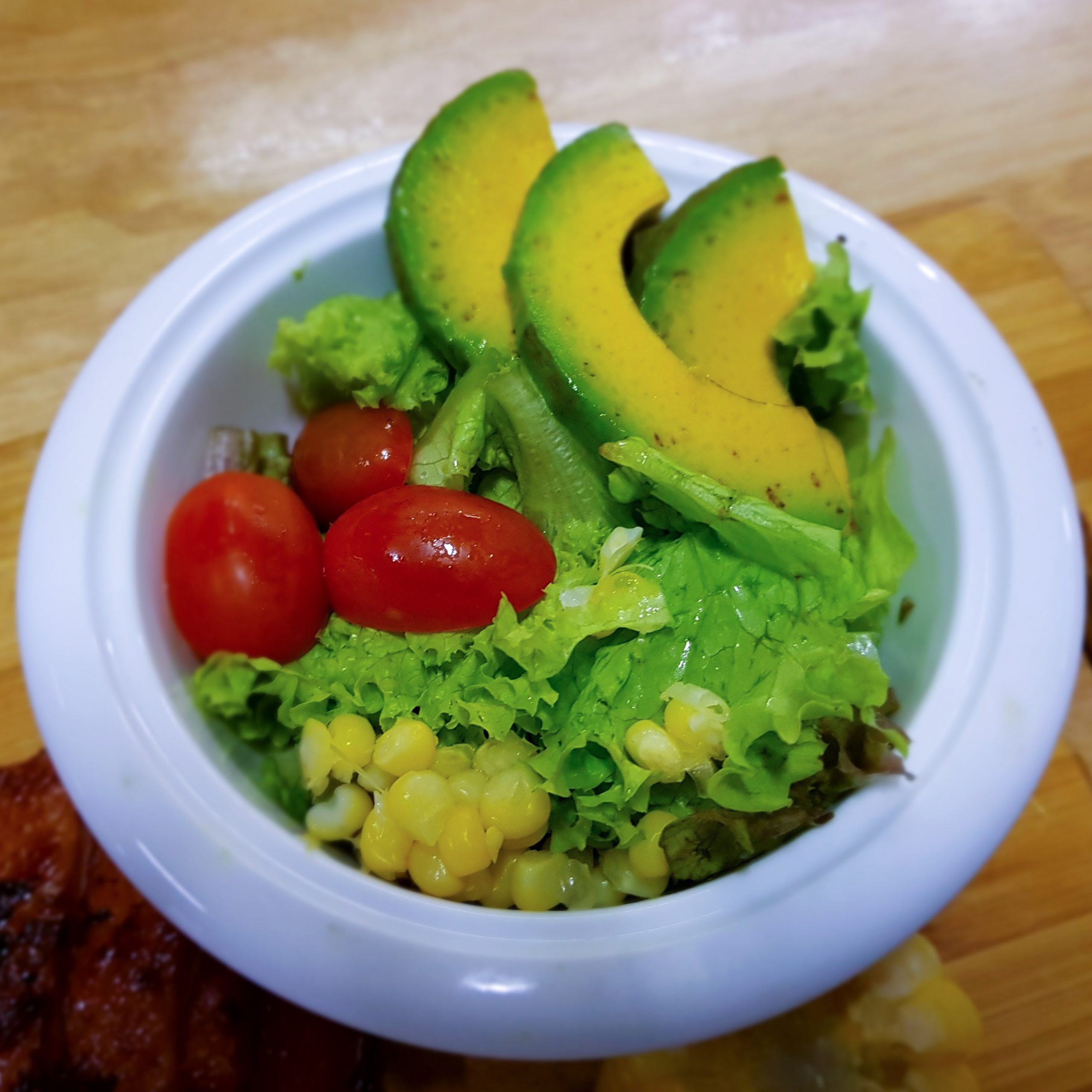
Two favorite ingredients to replace mayo are plain Greek yogurt and avocado, as these swaps are filled with healthy fats, fibre, protein, and other micronutrients, while still getting a similar texture and delicious taste. Avocado brings something unique to the table. It’s creamy like mayo, sure, but it also adds a subtle richness that complements tuna beautifully.
Avocados are rich in heart healthy monounsaturated fatty acids, which are known to help lower cholesterol. One cup of avocado provides about 40 percent of your daily fibre needs. You’re getting fullness, satisfaction, and actual nutrition all at once. The texture might be slightly different from traditional mayo based tuna salad, adding a squeeze of lemon or a touch of mustard brings everything together perfectly.
Simple Swaps That Actually Taste Better
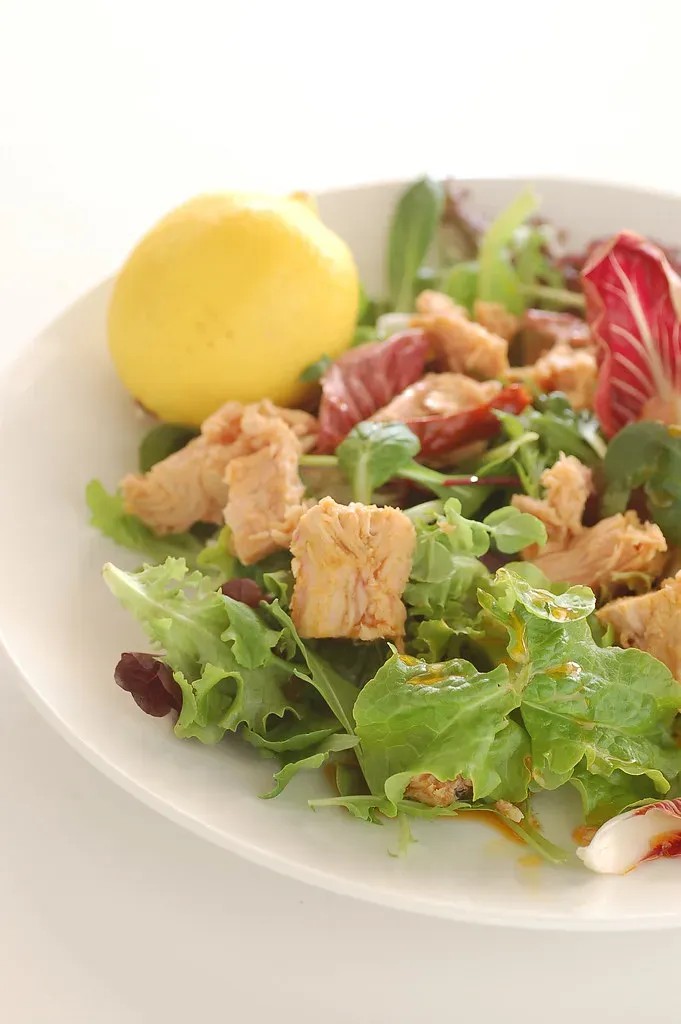
Traditional tuna salad has 500 calories per serving, while a healthy tuna salad recipe can have under 175 calories for 1.5 cups. That’s a massive difference for what’s essentially the same meal. A typical tuna salad recipe contains approximately 375 calories per cup, but by omitting the mayo and using Greek yogurt, the calories drop to approximately 195 per serving. You’re cutting calories in half without sacrificing satisfaction.
The best part? Most people can’t even tell the difference once they try it. The Greek yogurt version is tangy and creamy. The avocado version is rich and smooth. The olive oil version is bright and fresh. Each one brings something different to the table, and honestly, they’re all more interesting than plain old mayo. Maybe it’s time we stopped doing things just because that’s how we’ve always done them. Your taste buds and your heart will both thank you for the change.





Leave a Reply