
A hotel room is built to feel easy. Yet it’s a place where almost everything around you is unfamiliar, from the light switches to the height of the bathtub wall to the stair that’s a little steeper than the one at home.
For older travelers, that unfamiliarity matters. Stairwells and balconies are two of the spots where a small misjudgment can have large consequences, and a bit of planning before and during a trip can lower the odds.
Why Falls Are a Real Travel Concern After 65
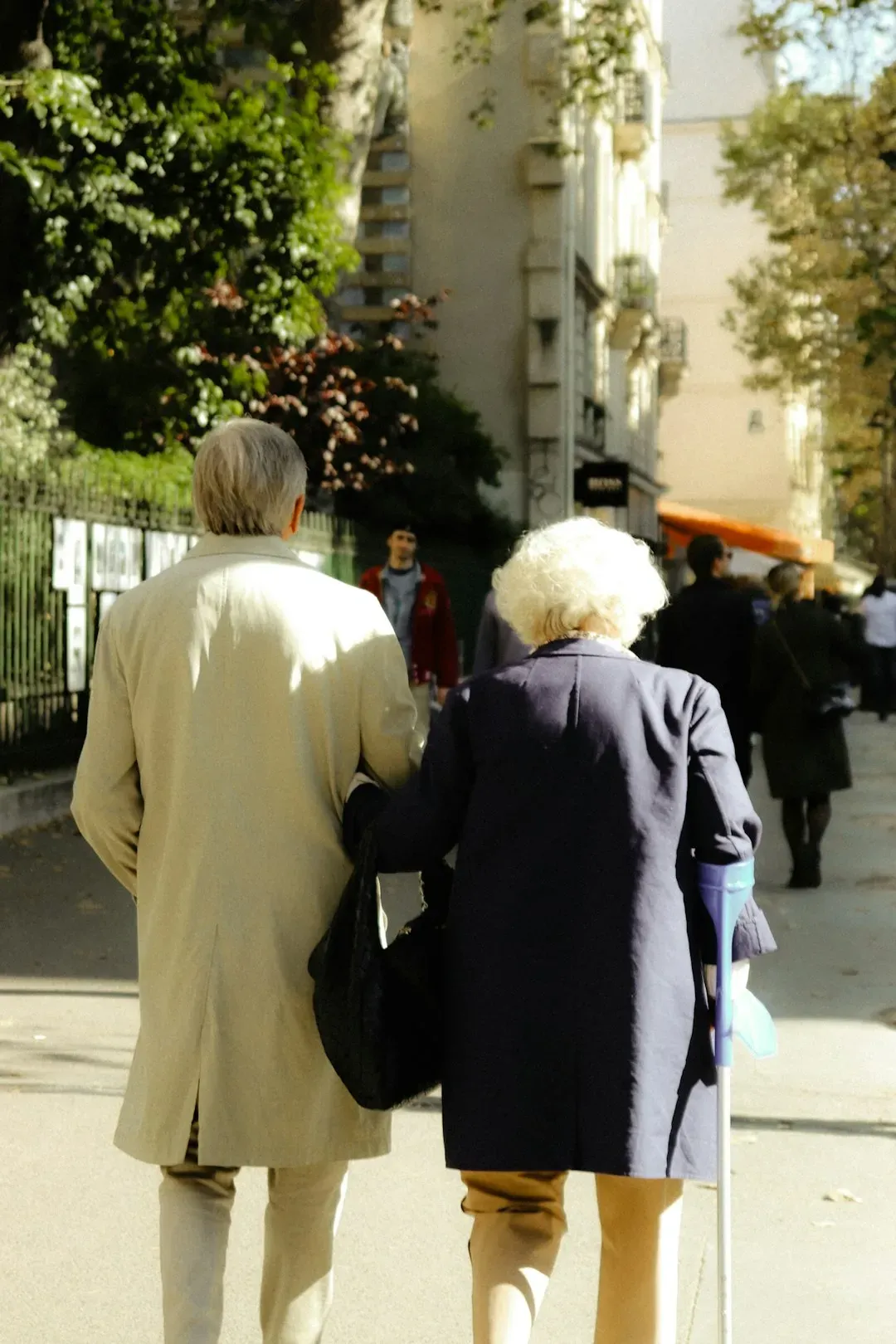
According to the CDC, more than one in four older adults reports experiencing a fall each year. Fewer than half of those people tell their doctor, so the true number is probably higher than medical records show.
The trend is also moving in the wrong direction. In 2024, 43,020 older adults died from preventable falls and nearly 3.85 million were treated in emergency departments. Travel doesn’t cause those numbers, but it puts people in settings where usual habits don’t apply.
What Makes Hotels Different From Home
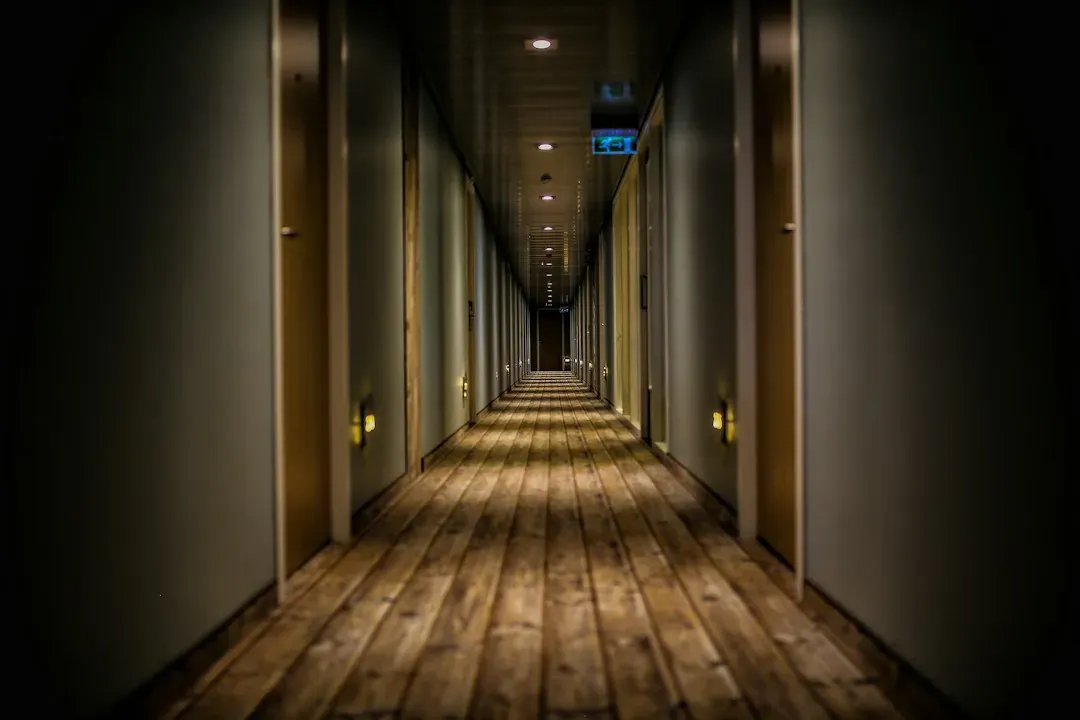
At home, your body runs on memory. You know where the step down is, where the rug curls, and how far the bathroom is in the dark.
In a hotel, that map is missing. Lighting can be dim, floors change texture between lobby, hallway, and room, and the layout may be reversed from what you expect. Add jet lag or a late arrival, and the margin for error gets thinner.
Stairwell Hazards Worth Knowing
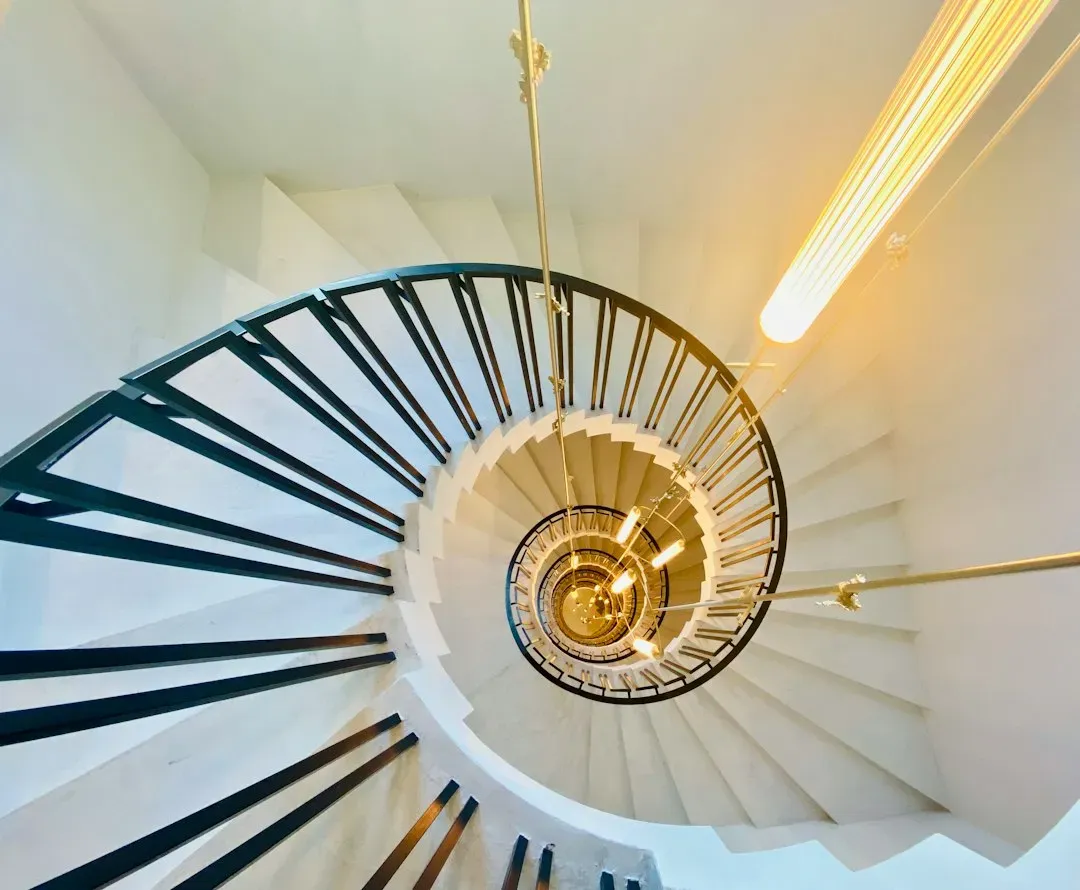
Hotel stairwells are often designed as emergency exits, not as everyday routes. They can be poorly lit, have smooth concrete treads, and lack the visual cues that make stairs easy to read. Handrails may be present on only one side, and landings can be tight.
Stairs matter because nearly one million older adults are hospitalized because of a fall injury every year, most often due to a head injury or hip fracture. A tumble down a flight carries real risk for both. When an elevator is available, it’s usually the safer daily choice.
Balcony Risks That Are Easy to Overlook
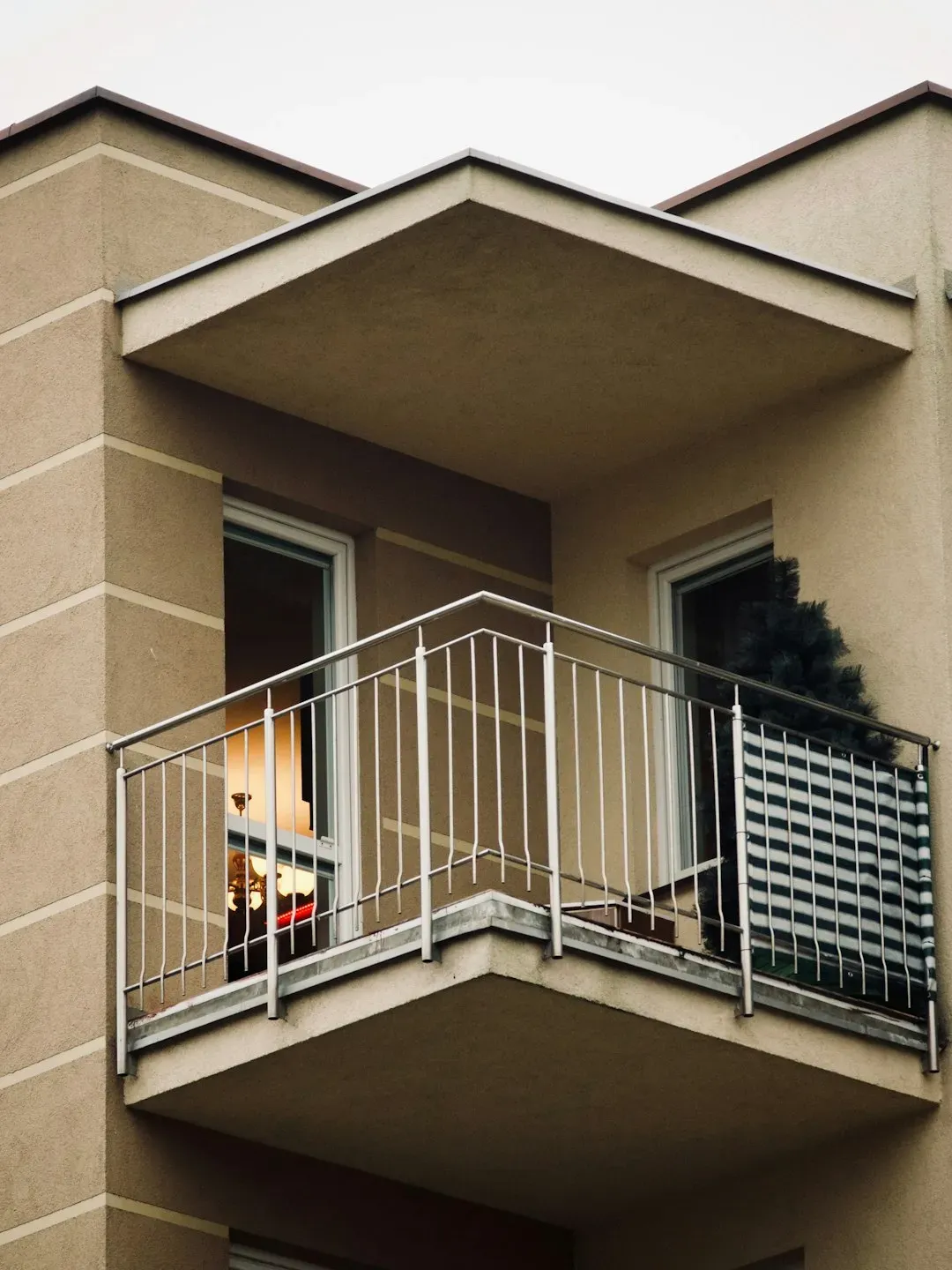
A balcony feels like part of the view, not a hazard zone. Still, thresholds at sliding doors are often raised, and outdoor surfaces can be wet from rain, sea spray, or morning dew. Tile that looks fine can be slick under sandals.
Railing height and gaps vary from one property to another, and furniture can shift when you lean on it. Take a slow look before stepping out, keep a hand free for the door frame, and avoid sitting on low or wobbly chairs that are hard to rise from.
Bathrooms, Beds, and Night Walks
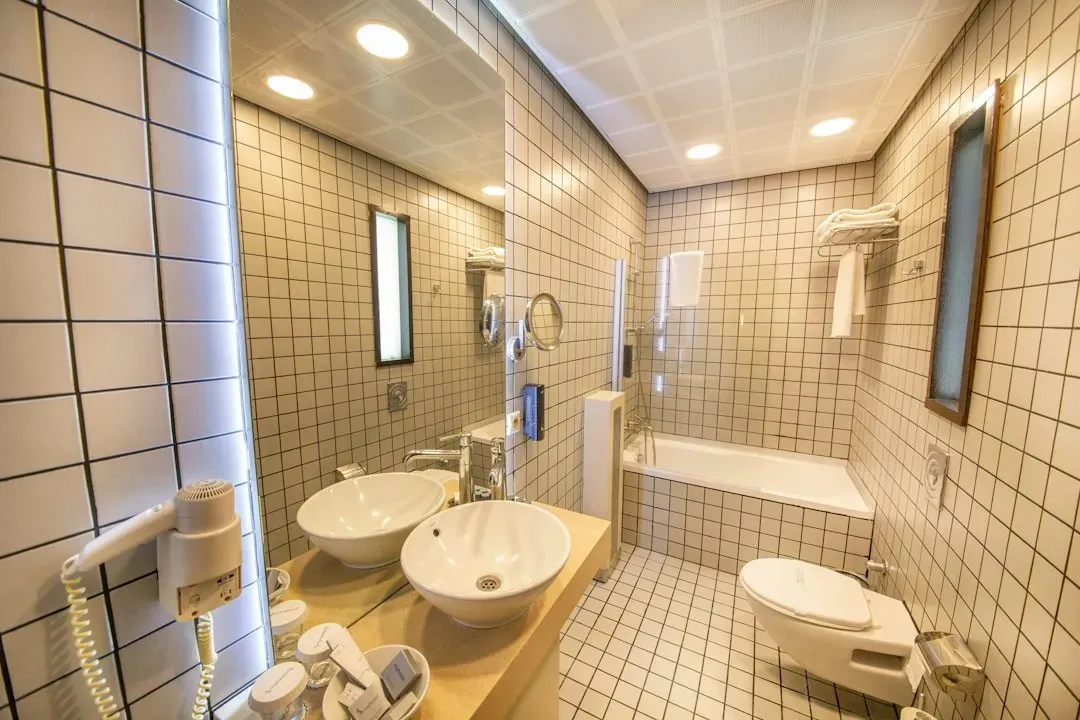
Stairs and balconies get the attention, but a lot of hotel falls happen in quieter ways. Tubs with high walls, slick tile, and unfamiliar beds that sit higher or lower than usual all add up. The walk to the bathroom at night is a common trouble spot.
Ask for a room closer to the elevator and, if needed, one with a walk-in shower or grab bars. Leave a small light on, and set your phone flashlight within reach so you aren’t feeling for a switch in the dark.
Medications, Alcohol, and Fatigue
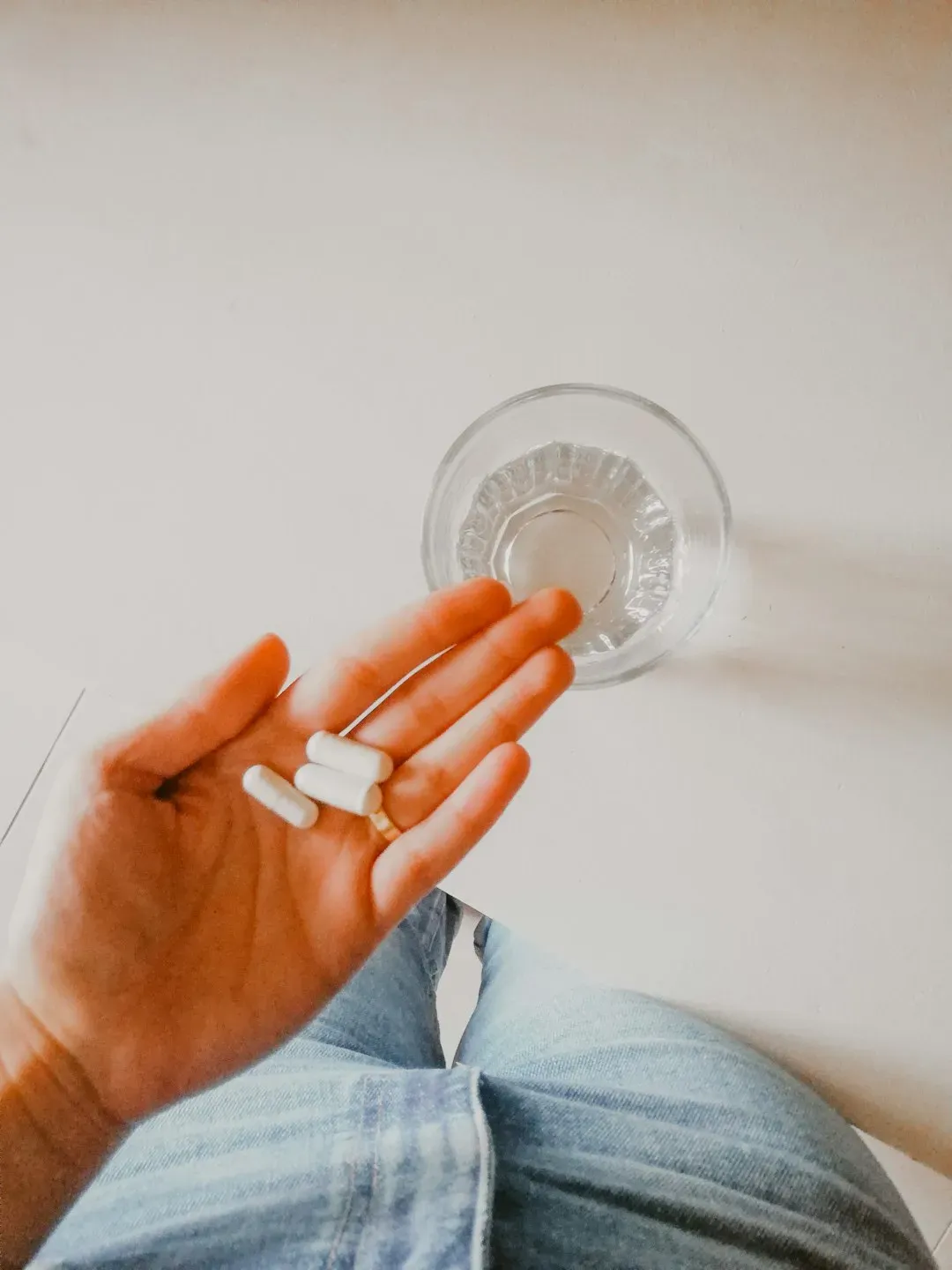
Travel often changes routines around sleep, food, and medication timing. Some prescriptions can cause dizziness or drowsiness, especially when combined with a drink at dinner. CDC-affiliated researchers have studied emergency department visits for alcohol-associated falls among older adults.
It’s worth asking a doctor or pharmacist before a trip about any side effects that could affect balance. Keep medications on their usual schedule across time zones, and go easy on alcohol after a long travel day.
Footwear and Mobility Aids on the Road

Flip-flops and slippery hotel slippers look harmless, though they offer little grip on polished floors. Supportive shoes with non-slip soles are a better fit for halls, stairs, and balconies. Pack them even for a short stay.
If you use a cane or walker, bring it rather than hoping to manage without. Many hotels can supply shower chairs, extra rails, or accessible rooms on request, so it helps to call ahead and ask what’s actually available.
How Serious the Injuries Can Be
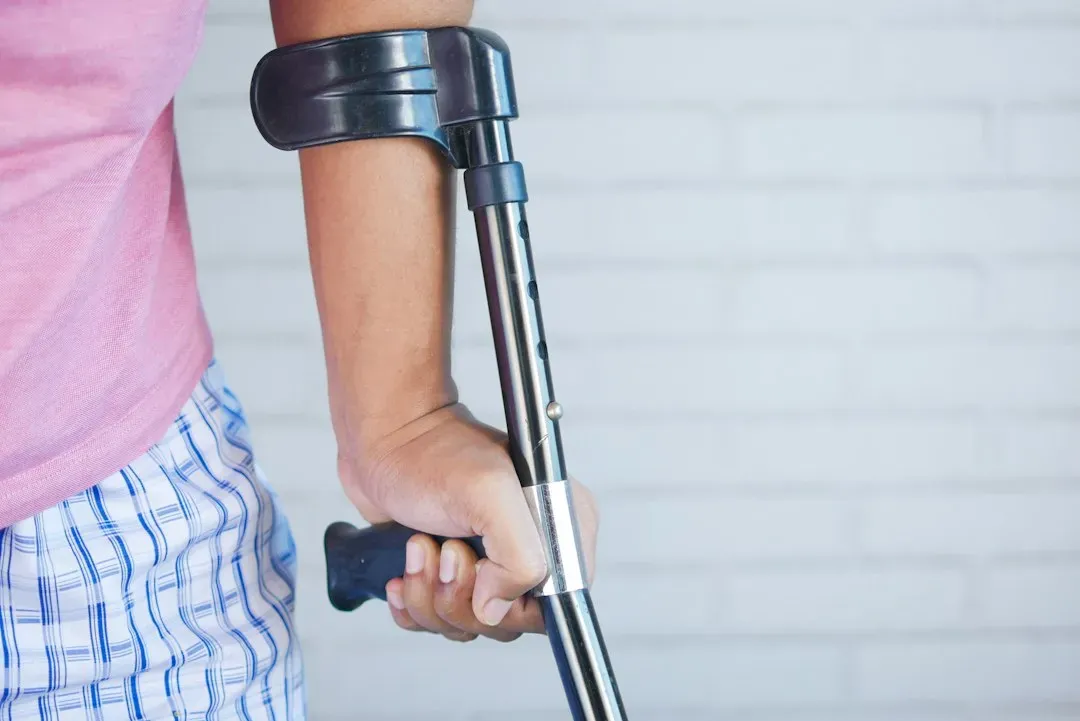
Not every fall leads to an injury, but the consequences can be significant when one does. Nearly 319,000 older people are hospitalized for hip fractures each year, and falls are the most common cause of traumatic brain injuries for older adults.
Being far from home complicates recovery. You may face unfamiliar hospitals, language barriers, or an interrupted trip. About 37 percent of those who fall report an injury needing medical treatment or limiting activity for at least a day.
Planning Ahead Before You Book
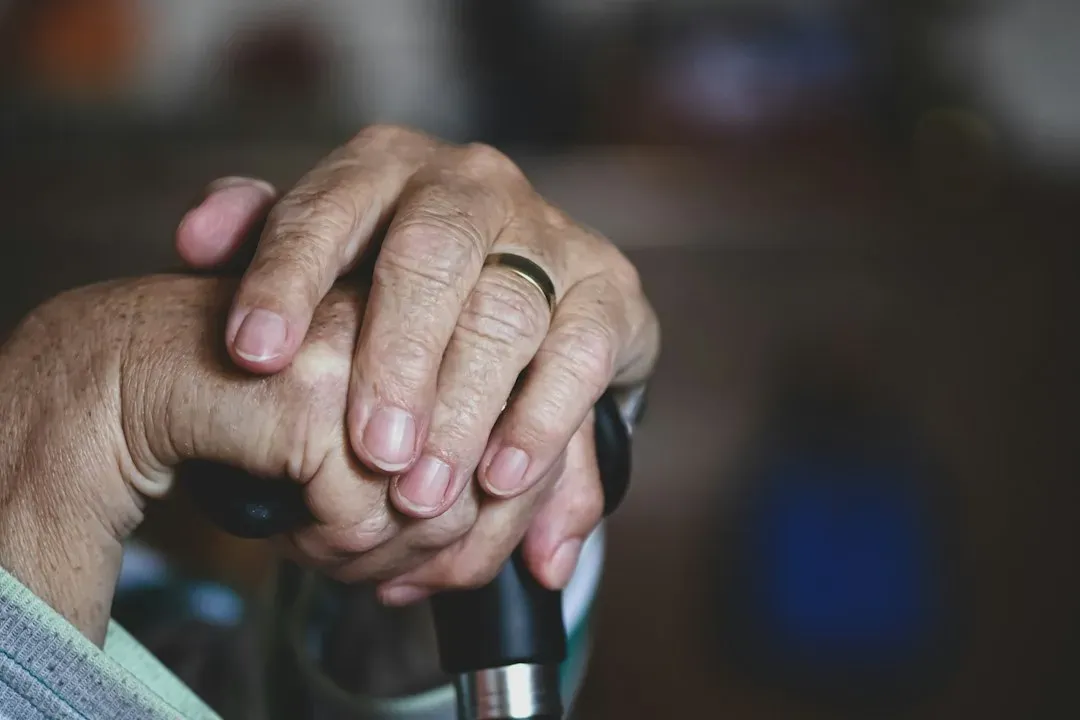
The best prevention starts before check-in. Ask about elevator access, whether your floor requires stairs, and what the balcony door threshold looks like. Photos and recent guest reviews can also reveal slippery floors or dim hallways.
CDC points out that falls don’t have to be inevitable as you age. Strength and balance work in the weeks before a trip, along with a medication review, are proven ways to reduce risk.
A Short Checklist for Your Stay
On arrival, walk the route from your room to the elevator and the nearest stairwell once, in good light. Check the bathroom floor, the tub edge, and the balcony door before unpacking. Move bags out of walkways so you aren’t stepping around them at night.
Use handrails on every staircase, take stairs one at a time, and avoid carrying items that block your view of your feet. Keep your phone charged and in reach, and let the front desk know if you need help or a room change.





Leave a Reply