
In , meeting someone usually meant being in the same room as them. You met at a party, through a coworker, at a bar, or in a classroom. Phone numbers were scribbled on napkins, and a landline answering machine could decide how your week went.
Three decades on, the basic hope hasn’t changed much. People still want connection, attention and someone to share a Saturday with. What has changed is nearly everything around that hope, from where people meet to how they talk, how they size each other up and what they’re afraid of.
From Introductions to Algorithms
Through , most couples met through friends, family, school, work or social venues. Matchmaking happened inside existing social circles, so a date often came with a built-in reference. Personal ads in newspapers and video dating services existed, though they were a niche option.
Today, software does a large share of the sorting. Pew Research Center found that three in ten U.S. adults say they have ever used an online dating site or app. That survey of 6,034 adults was conducted in 2022, and it remains one of the most widely cited independent measures.
The Rise of the Dating App
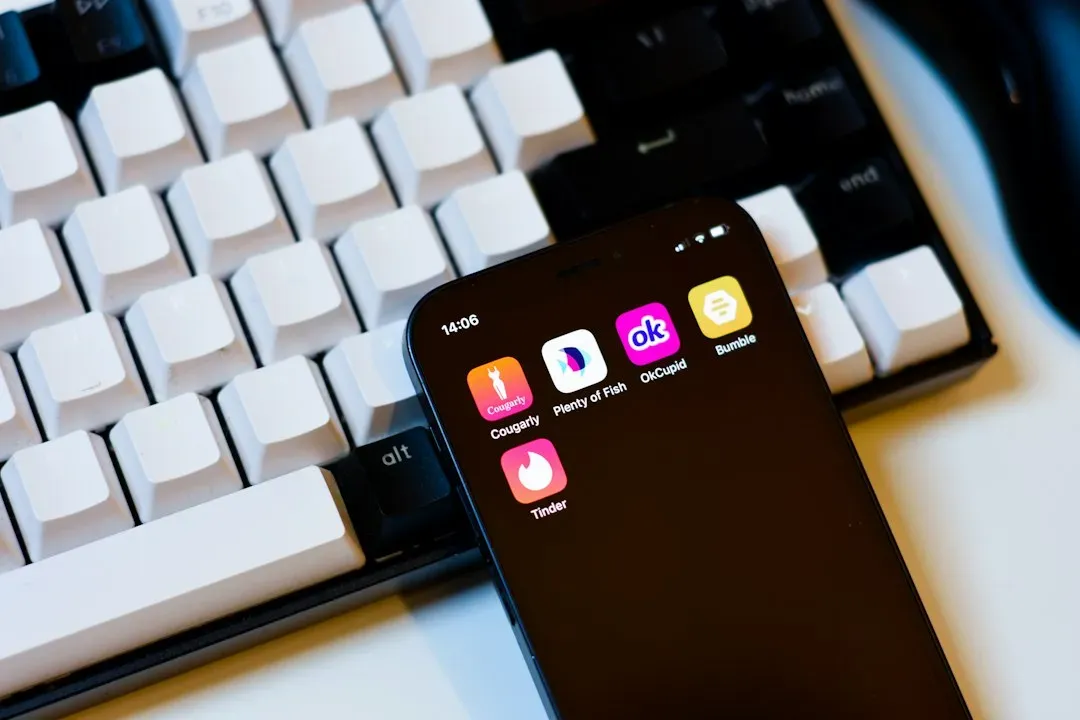
Early online dating sites arrived in the mid 1990s, but they were clunky and carried a stigma. Smartphones changed that. Swiping, location features and instant notifications turned dating into something you could do on a bus.
Tinder became the best known name. Among online dating users, 46 percent say they have ever used Tinder, followed by about three in ten who have used Match or Bumble. Newer and more specialized apps keep appearing, though the older big names still dominate the conversation.
Who Is Actually Using Them
Usage varies a lot by age. Pew found that 53 percent of adults aged 18 to 29 had used a dating site or app, compared with 37 percent of those 30 to 49 and 17 percent of those 50 and over. In other words, apps are mostly a young adult habit, though not exclusively.
Relationship status and orientation matter too. About half of lesbian, gay and bisexual adults have used online dating, against 28 percent of straight adults. Among Americans who have never been married, 52 percent have tried it.
Do Apps Actually Lead to Relationships?
Apps dominate the cultural picture, yet they account for a smaller slice of real couples than you’d guess. Pew found only about one in ten partnered U.S. adults met their current partner through a dating site or app, rising to roughly one in five among those under 30. Friends, work and school still matter.
Wedding data points in a similar direction. The Knot’s 2025 Real Weddings Study reported that 27 percent of couples who married in 2025 first connected through a dating app. That figure comes from couples who got married, so it isn’t a picture of everyone who dates.
Communication Moved to the Screen
In , courtship ran on phone calls, pagers and handwritten notes. Calling someone’s house meant risking a conversation with their parents. Waiting for a call back was a standard form of suspense.
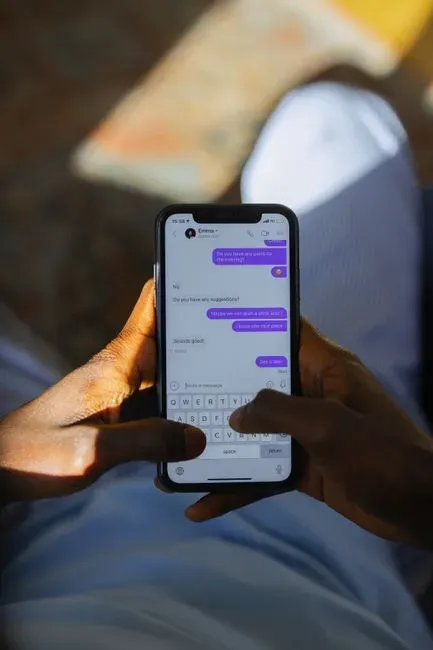
Now conversation starts in a chat window and often stays there for a while. Texting, voice notes and social media reactions fill the space once taken by phone calls. It’s faster and easier, though it also makes silence harder to interpret.
Burnout, Mixed Feelings and Safety Concerns
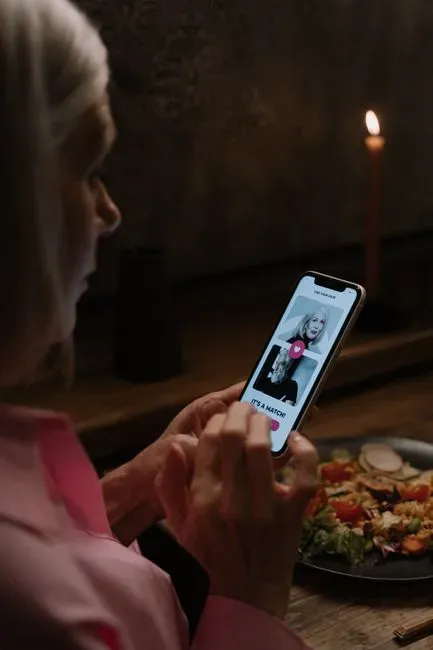
Many users aren’t thrilled with the experience. Pew’s survey found satisfaction was close to a coin flip, with 53 percent describing their experiences as positive and 46 percent as negative. Younger people report particular fatigue: a 2025 Forbes Health survey found more than half of Gen Z feel burned out often or always while using dating apps.
Safety is part of the picture. Pew reported that some 48 percent of users had experienced at least one of four unwanted behaviors, such as unsolicited sexual messages or images, or unwanted continued contact. The FTC has put losses to romance scams at around 1.14 billion dollars in 2023.
A Changing Business Behind the Swipe
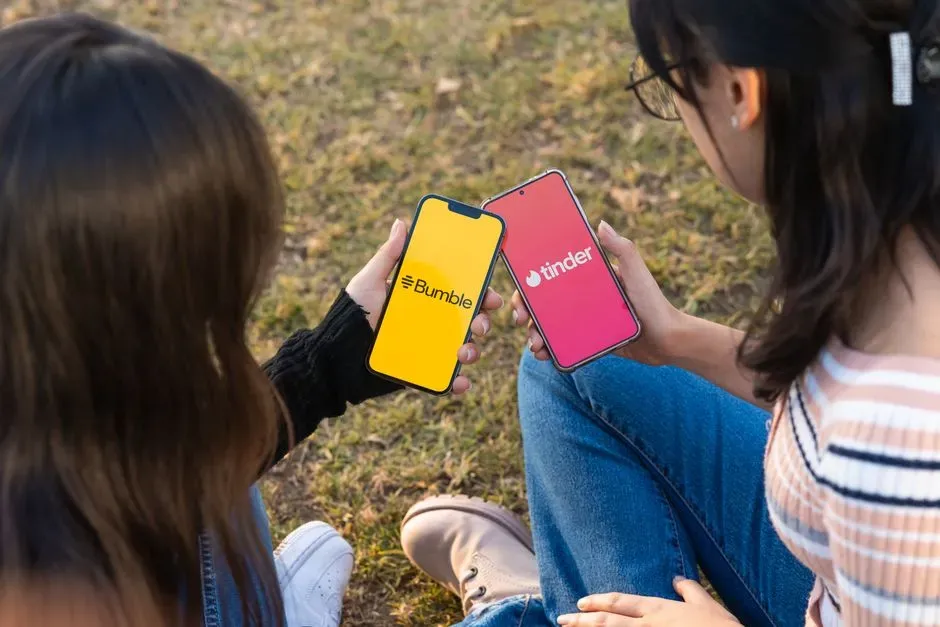
Dating apps are big business, but the growth story has slowed. The global dating app market generated just over 6 billion dollars in 2025, with Match Group accounting for about 3.3 billion. Paying users have been under pressure at several platforms.
Figures from company reports show the shift. Tinder has about 75 million monthly active users and 9.8 million paying subscribers, according to Match Group’s 2025 data. Bumble’s revenue in 2025 was 782 million dollars, down 9.6 percent from a year earlier.
Dating Beyond Younger Singles

image of dating skewed young and first time. Today, divorced and widowed people are a visible part of the scene. Pew found 36 percent of divorced, separated or widowed Americans have used a dating site or app, versus 16 percent of married adults.
Older adults are participating, too, if more cautiously. One in six Americans ages 50 and older say they have ever used a dating site or app. Smartphone adoption among seniors has helped open the door.
What Hasn’t Changed
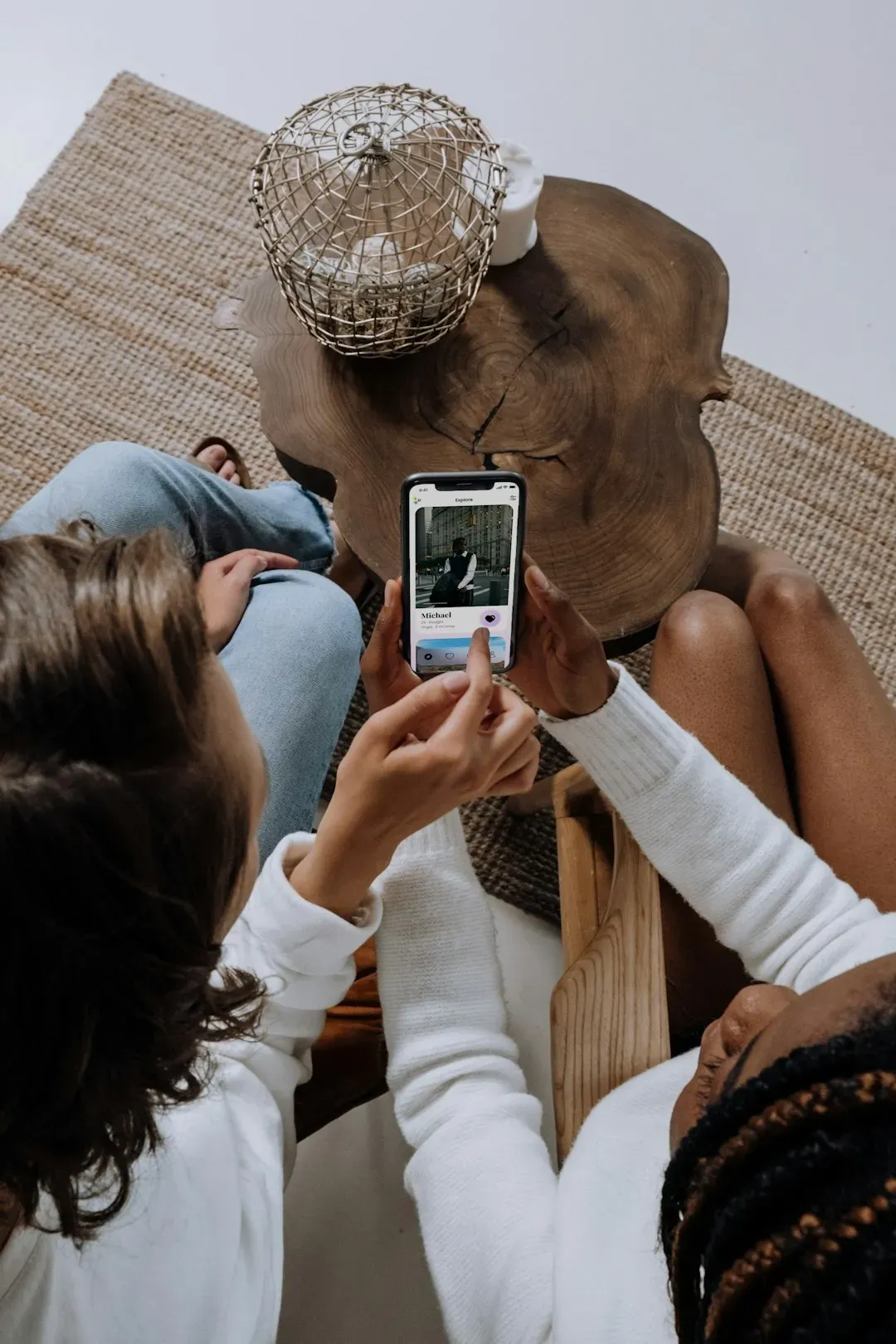
Despite the technology, most people still want a real meeting, a good conversation and some chemistry. Pew found 42 percent of Americans believe dating apps make finding a partner easier, while 22 percent say they make it harder and 32 percent say there’s no difference. Opinion is split, much as you’d expect for any tool.
Many of the old routes remain open as well, including introductions through friends, shared hobbies and workplaces. The tools have multiplied, but the goal is the same: finding someone worth spending time with.
Where Things Stand in 2026

Dating in 2026 is a mix of old and new. Apps are widely used, especially by adults under 30, while a good share of couples still meet offline. Satisfaction is lukewarm, and concerns about harassment and scams remain well documented.
Much of the best independent data dates from Pew’s 2022 survey, published in 2023, so newer numbers often come from industry sources and company reports. Those are useful, though they come with different methods and motives.




Leave a Reply