
Most of us open the cupboard, see a few cans and a half bag of rice, and decide there’s nothing to eat. Then we go shopping anyway. I wanted to see what would happen if I stopped doing that for fourteen days.
The rules were simple. I would cook from what was already in the kitchen and buy only the bare minimum to keep meals workable. The gap between my usual grocery spending and the two-week total came to about $180.
Why a Pantry Challenge Makes Sense Right Now
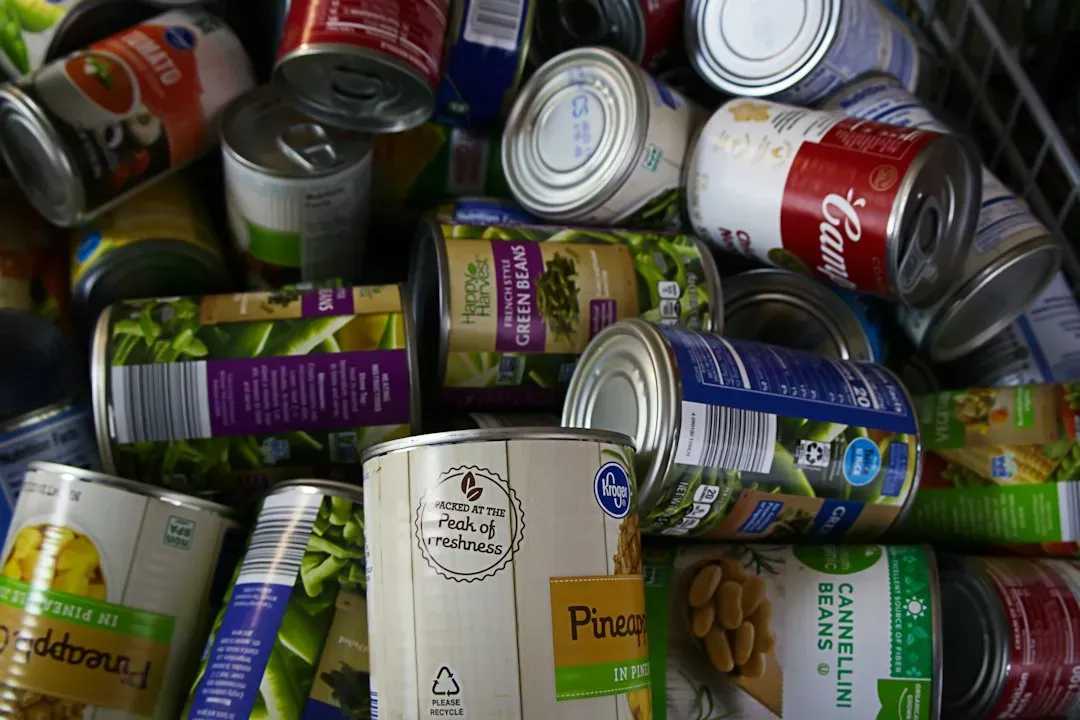
Groceries haven’t gotten dramatically pricier lately, but they haven’t gotten cheap either. The USDA’s Economic Research Service reported that grocery store prices in July 2026 were 2.7 percent higher than a year earlier. That’s a modest rise, though it stacks on top of several years of increases.
Eating out has climbed faster. Restaurant and other foodservice prices were up 3.4 percent over the same period. So when a pantry challenge pushes you toward home cooking, you’re dodging the steeper end of the price curve too.
Taking Stock Before Cooking Anything
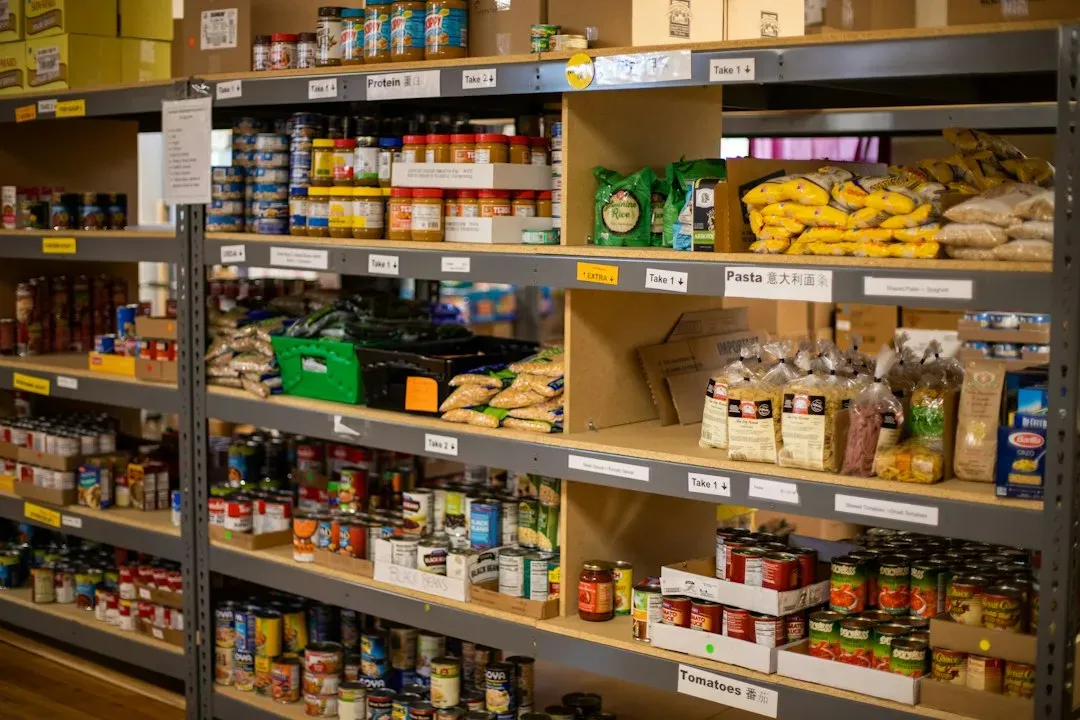
The first job wasn’t cooking. It was an honest inventory of the pantry, the freezer, and the back of the fridge. I wrote everything down, including the odd items I’d forgotten about.
That list changed my thinking quickly. Grains, beans, canned tomatoes, pasta, frozen vegetables and a few proteins covered far more meals than I’d assumed. Seeing it on paper made the challenge feel like a puzzle rather than a punishment.
Building Meals Around What Needed Using First
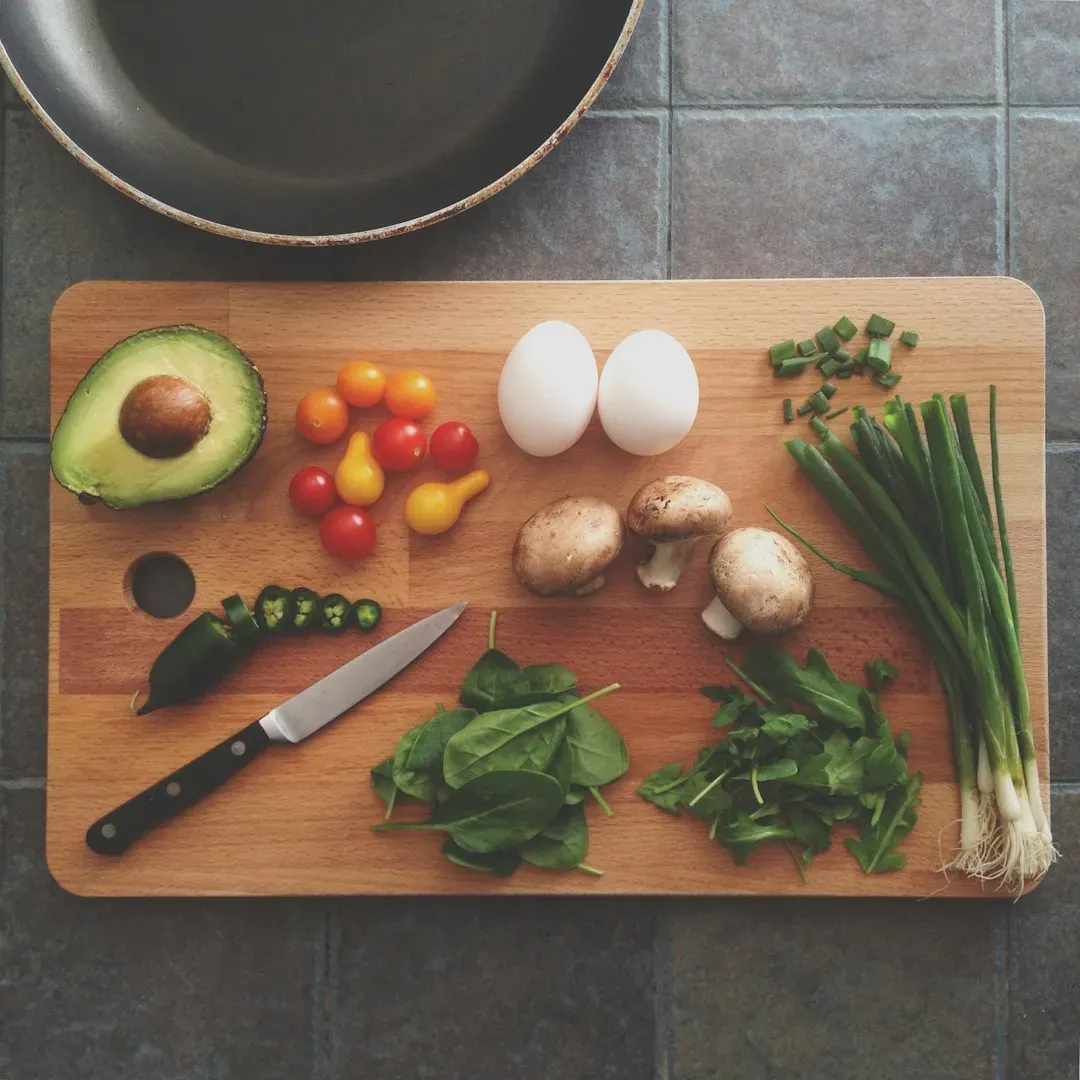
I sorted the list by what would spoil or expire soonest. Freezer items and older cans went to the front of the queue, and the shelf-stable staples waited their turn. It’s a plain approach, yet it stops good food from slipping past its date.
Each week I picked a few anchor ingredients and built meals around them. A pot of beans could become soup one night and a filling for tortillas the next. Repeating a base in different forms kept things from feeling repetitive.
The Few Things I Allowed Myself to Buy
Going completely without shopping isn’t realistic for most households. I allowed small top-ups, mainly things that stretch a meal, like fresh produce or milk. Keeping the list short mattered more than keeping it empty.
Produce is worth a moment of thought. USDA data showed fresh vegetable prices falling 1.6 percent from June to July 2026, while fresh fruit rose 1.1 percent. Frozen and canned options filled the gaps when fresh prices didn’t suit me.
Where the Biggest Savings Came From
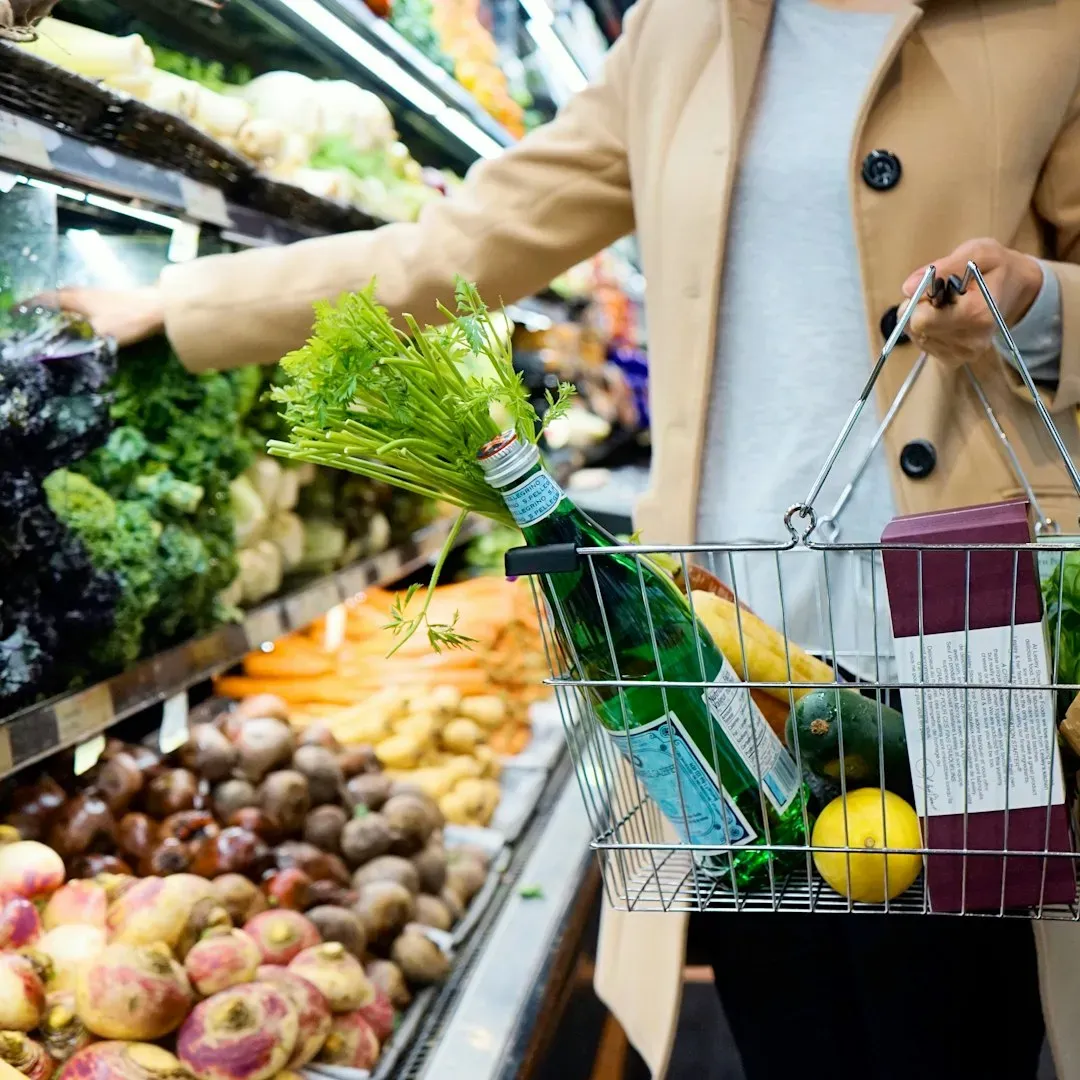
The savings weren’t from one dramatic swap. They came from skipping impulse buys, skipping midweek convenience runs, and not replacing items I already had. Small purchases add up faster than most people expect.
Meat was the clearest example. USDA noted that beef and veal inflation hit an annual rate of 15 percent in December 2025. Leaning on beans, eggs, and freezer staples instead of fresh cuts trimmed the bill noticeably.
Eggs, Beans, and Other Budget Anchors
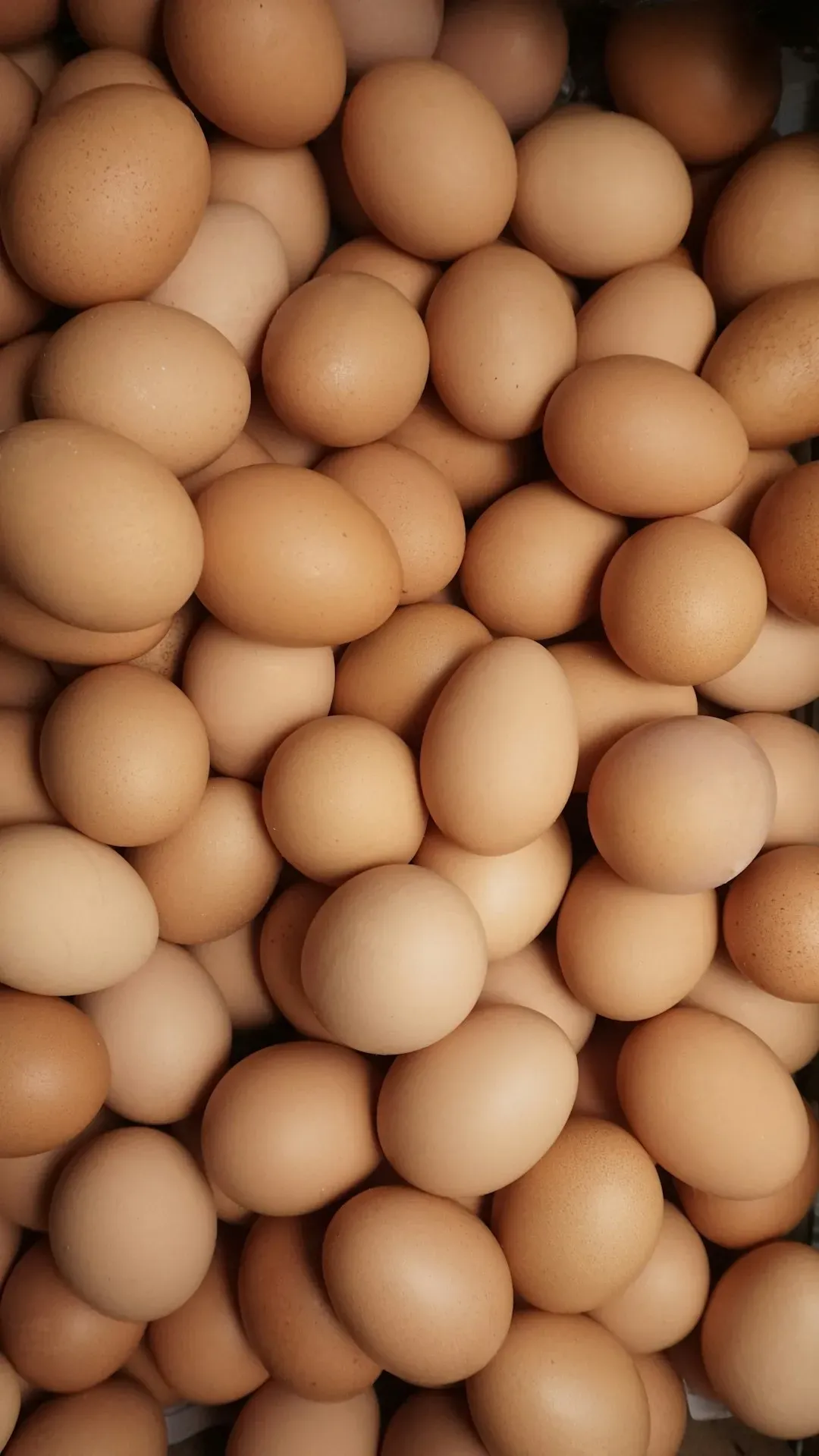
Some foods are simply good value right now. USDA’s forecast has egg prices dropping nearly thirty percent across 2026. One tracker put the June average at about $2.14 per dozen.
Eggs turned into dinner as easily as breakfast. Combined with rice, canned vegetables, or a bit of cheese, they made quick meals that didn’t feel like leftovers. Dried beans and lentils did similar work at an even lower cost per serving.
Home Dinners Versus the Takeout Habit
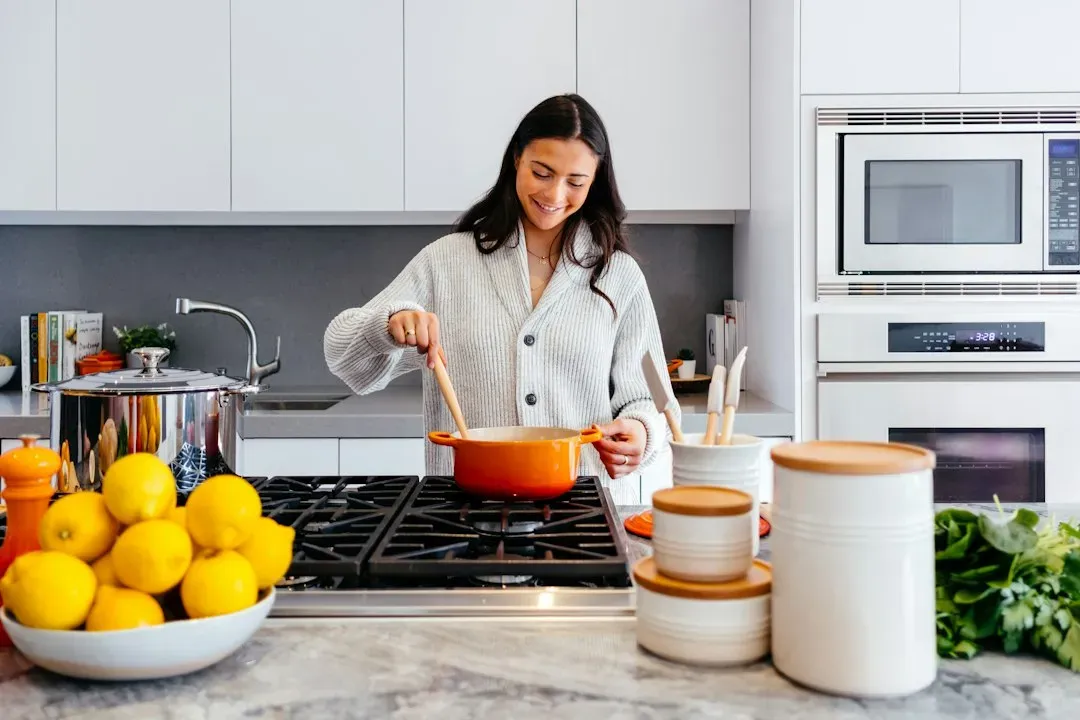
A big part of any grocery bill is really a convenience bill. When a week gets busy, takeout fills the space, and it costs far more than it seems in the moment. One planning tracker estimated a home dinner for four at $17.40, against $53.30 for casual takeout.
That’s an estimate, not a universal figure, and your local prices will differ. Still, the direction is hard to argue with. Having a few easy pantry meals on hand made it much less tempting to order in.
What Was Harder Than Expected
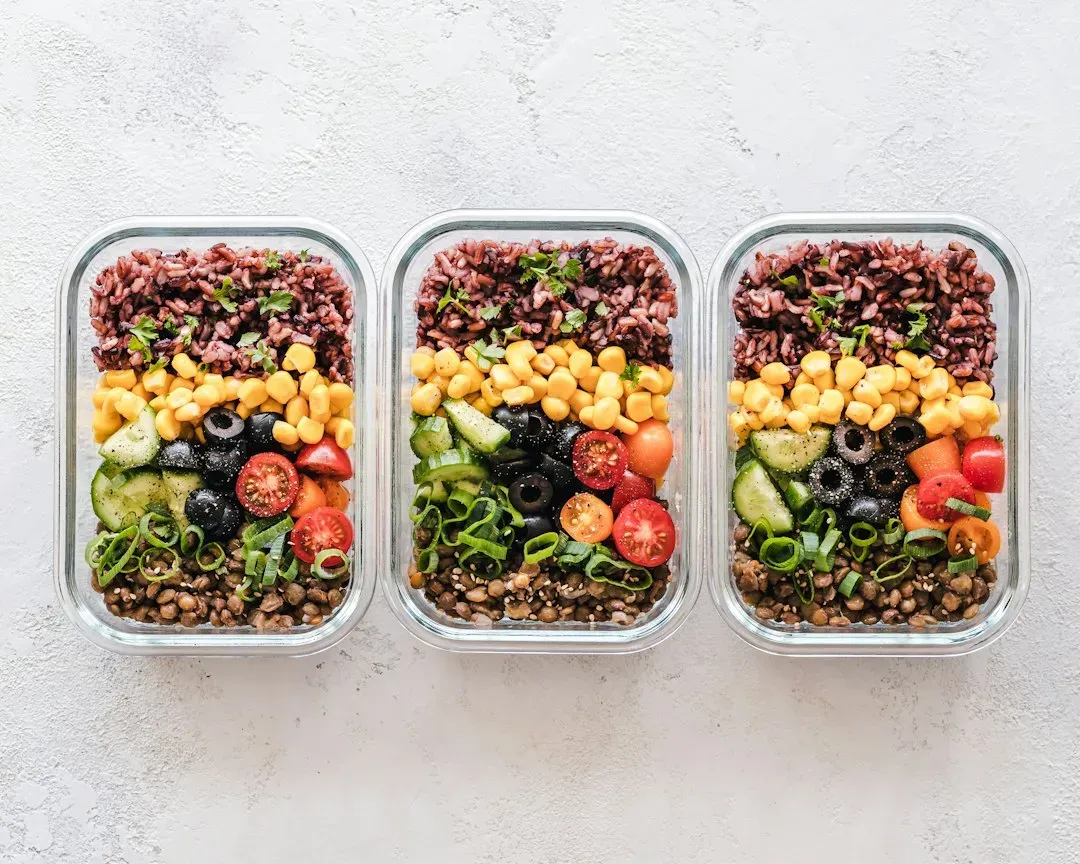
Not everything went smoothly. Around the second week, meal variety dipped, and I missed fresh herbs and crunchy salads. Some evenings I was tired and just wanted something easy.
Having a short list of no-effort fallbacks helped, like pasta with canned tomatoes or fried rice with frozen vegetables. It also reminded me that a challenge like this works best with some flexibility built in.
Keeping the Habit After the Two Weeks
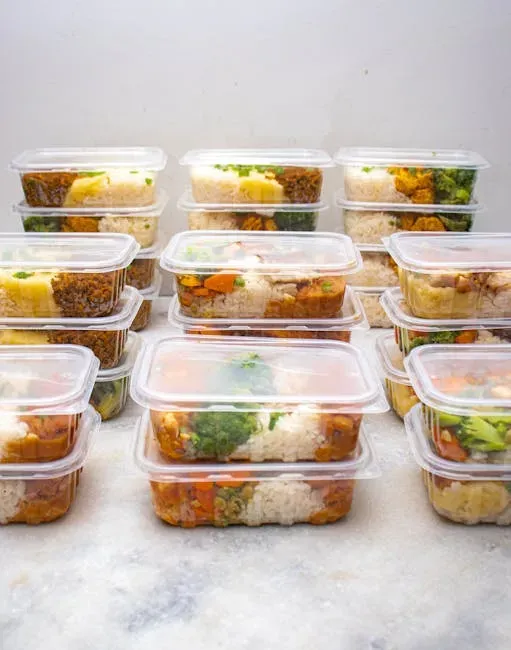
I didn’t plan to live this way forever, and you don’t need to either. The useful part is carrying a few habits forward: check the pantry before shopping, plan around what’s expiring, and keep a small stock of versatile staples.
Looking ahead, USDA projects grocery prices to rise about one point eight percent in 2027, though forecasts can shift. Whatever prices do, cooking from what you already own remains the simplest way to spend less. For me, that came to $180 over two weeks.




Leave a Reply