
Some kitchens had a smell you could pick out blind. Butter, vanilla, and something sweet cooling on the counter. For many families in the 1950s, that smell meant a dessert was coming, and it usually came from a recipe card or a page torn from a magazine.
The decade was a busy one for home bakers. Boxed mixes, new ovens, and company recipe contests changed how people cooked, though plenty of scratch baking carried on. Here are eight desserts that show up again and again in family recipe boxes from those years.
Pineapple Upside Down Cake
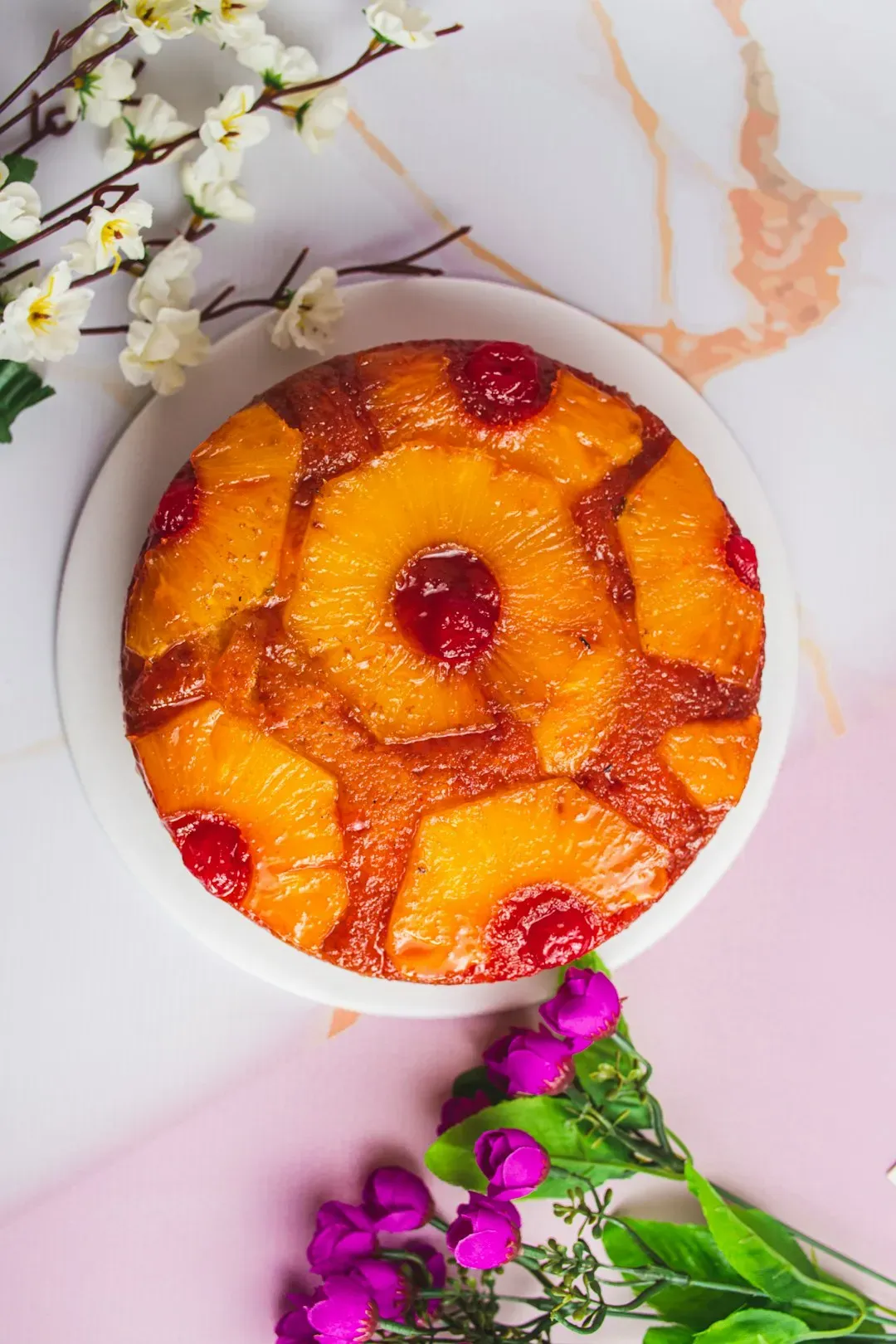
Canned pineapple rings, brown sugar, and butter went into a skillet, and the batter went on top. After baking, the cake was flipped so the fruit sat on top like a glossy topping. The look was a big part of the appeal.
The cake gained wide attention after Dole ran a pineapple recipe contest in the 1920s, and it stayed a staple for decades. A maraschino cherry in each ring was the classic finishing touch. Plenty of grandmothers still baked it in a cast iron pan.
Chiffon Cake
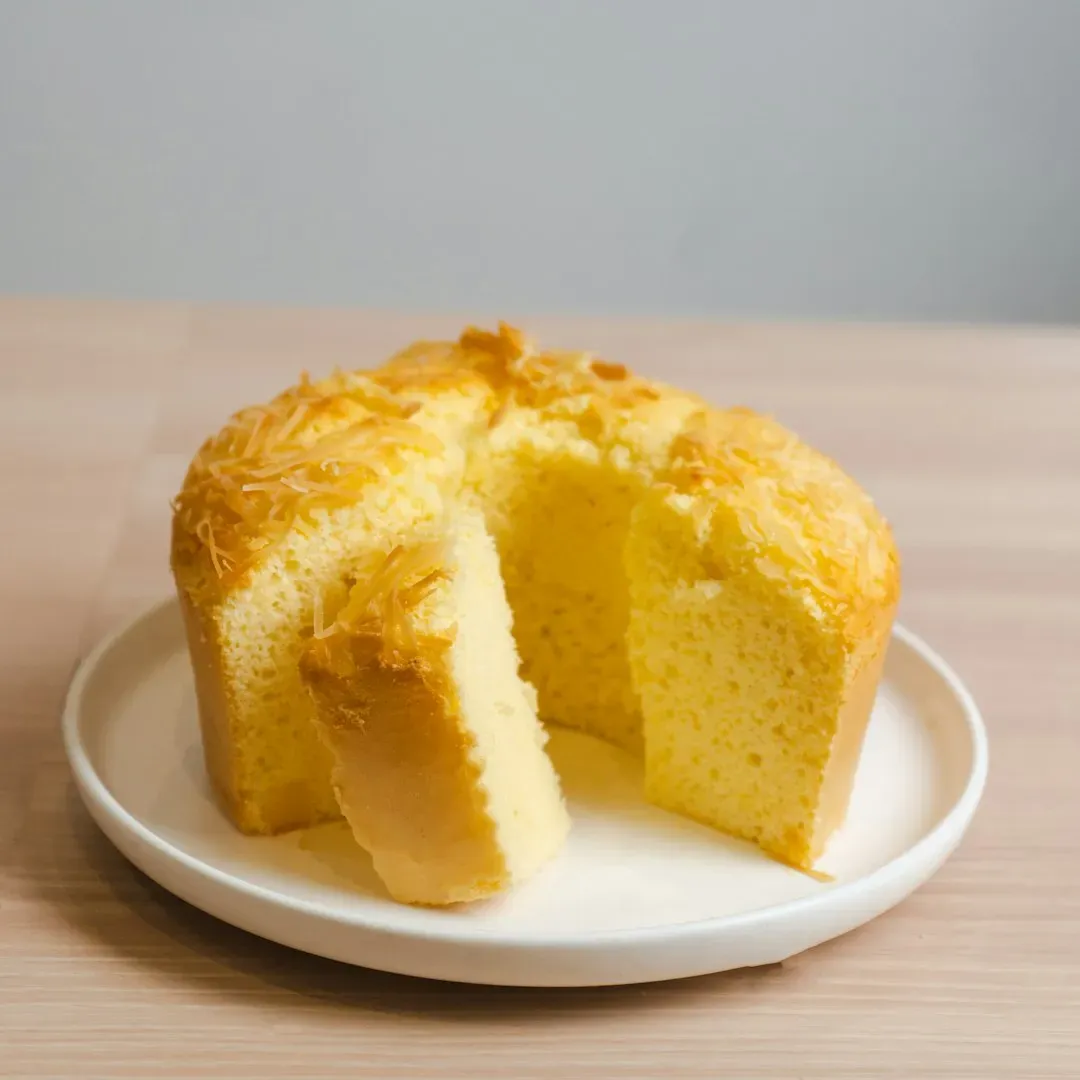
Chiffon cake was a fairly new idea at midcentury. Insurance salesman Harry Baker developed it, and General Mills bought the recipe in the 1940s. It was introduced to the public in 1948 as the first truly new cake in a century.
The secret was vegetable oil combined with whipped egg whites, which gave a cake that was light yet stayed moist. It was baked in a tube pan and often served plain or with a simple glaze. Many 1950s cookbooks featured it, and it gave home bakers something fresh to show off.
Lemon Meringue Pie
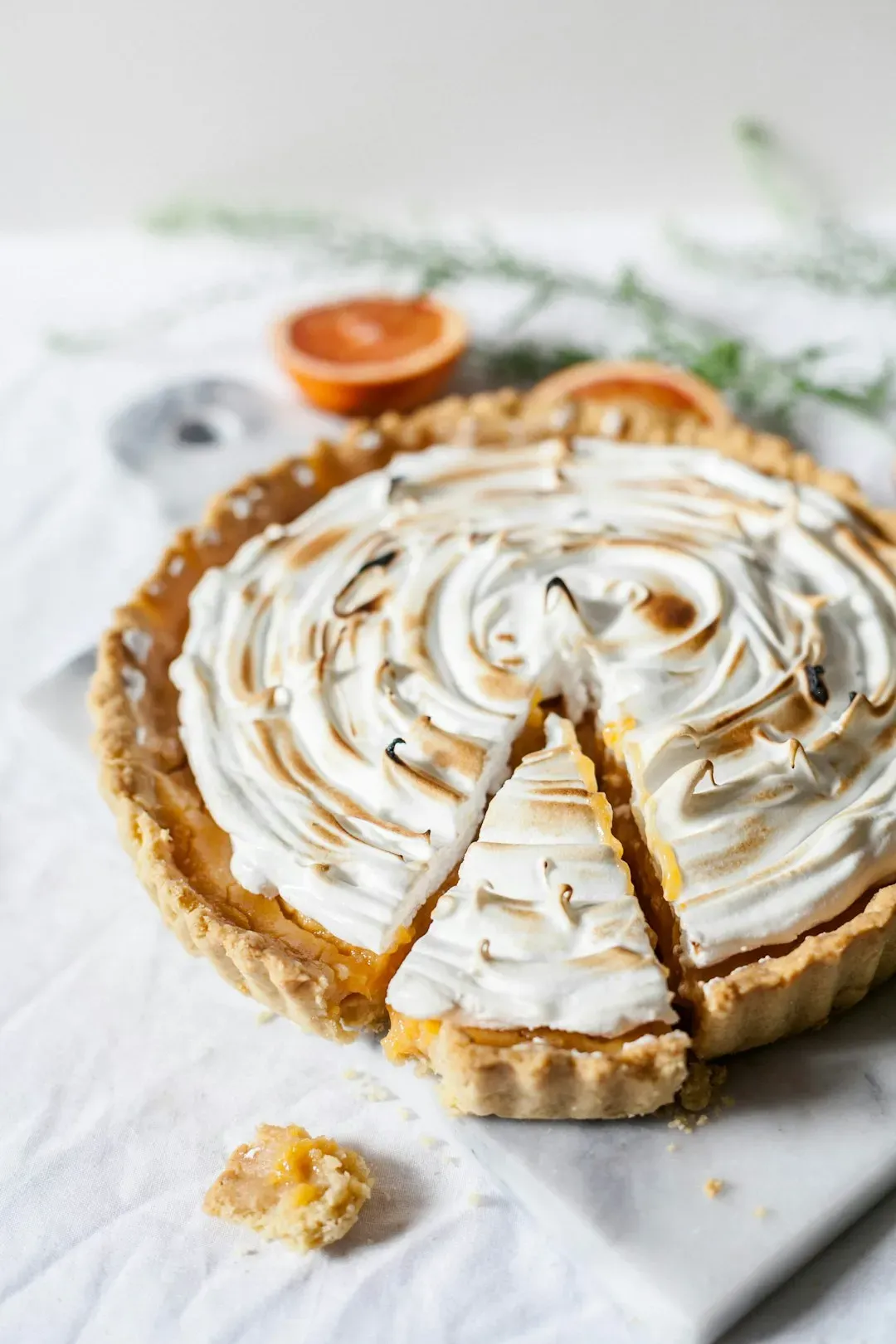
A tart lemon filling, a tall cloud of meringue, and a flaky crust made this a Sunday dinner favorite. The meringue was often browned in the oven until the peaks turned golden. Getting it to stay tall without weeping was a point of pride.
The pie was no invention of the 1950s, but it fit the era’s love of showy desserts. Many cooks used cornstarch to set the filling and relied on the oven’s steady heat to finish the top. It remains one of the most recognizable pies from that time.
Banana Pudding
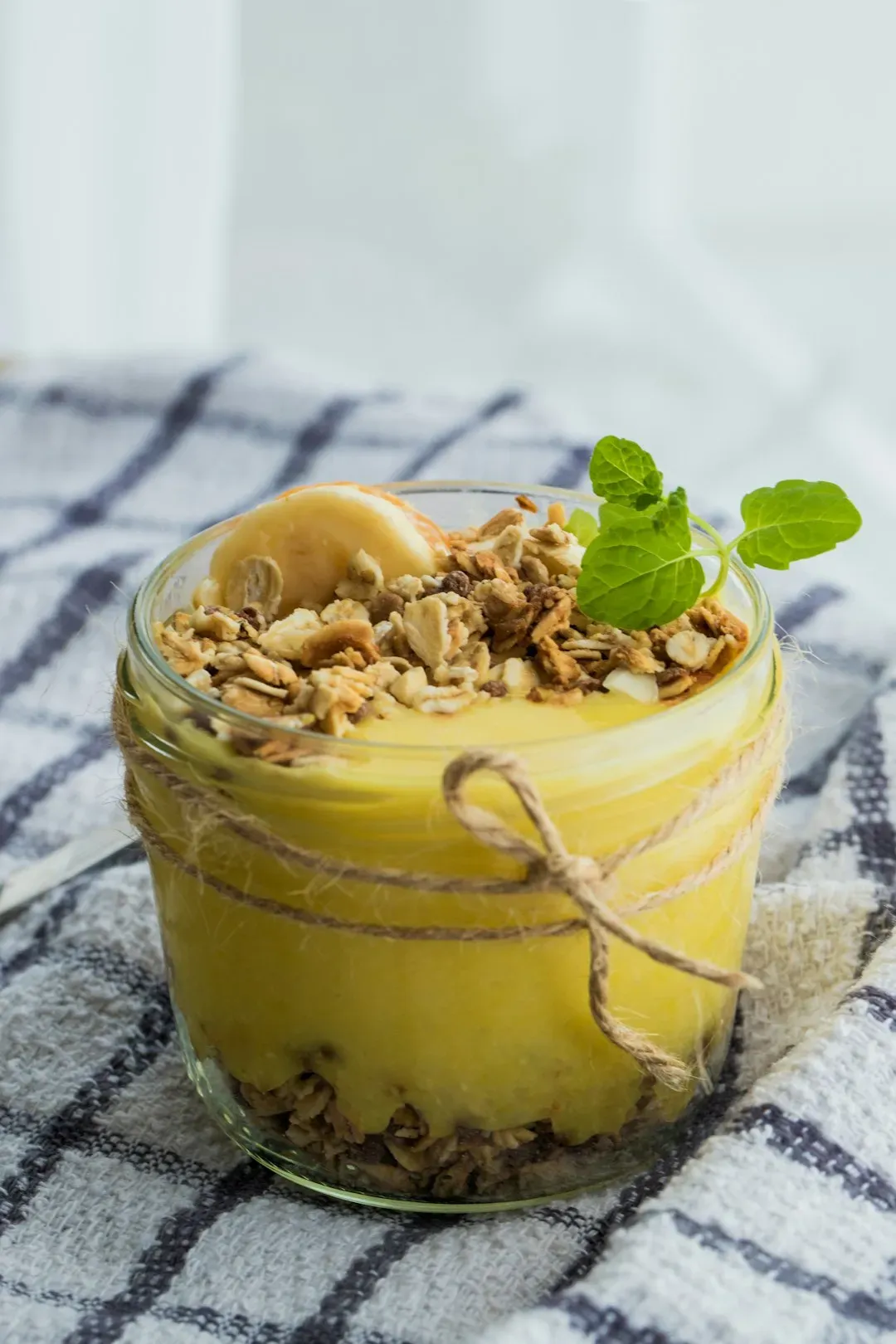
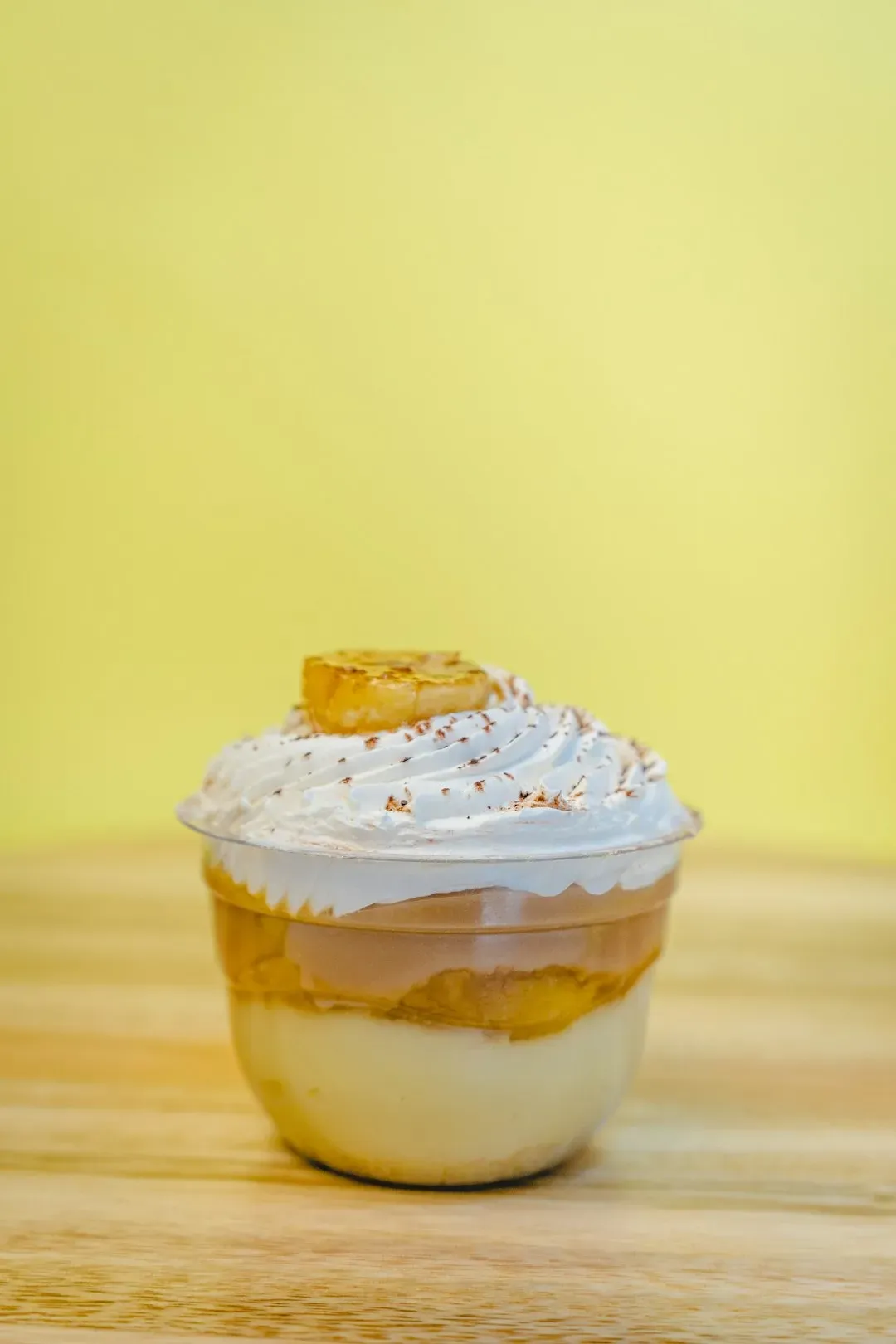
Layers of vanilla wafers, sliced bananas, and custard made banana pudding an easy crowd pleaser. It traveled well to church suppers and potlucks. Some cooks topped it with meringue and baked it briefly, while others chilled it and added whipped cream.
Vanilla wafers from Nabisco became closely tied to the dish, and the company printed a version of the recipe on its packaging. That helped the dessert spread far beyond the American South. Even now, the layered version is a familiar sight at family gatherings.
Icebox Cake
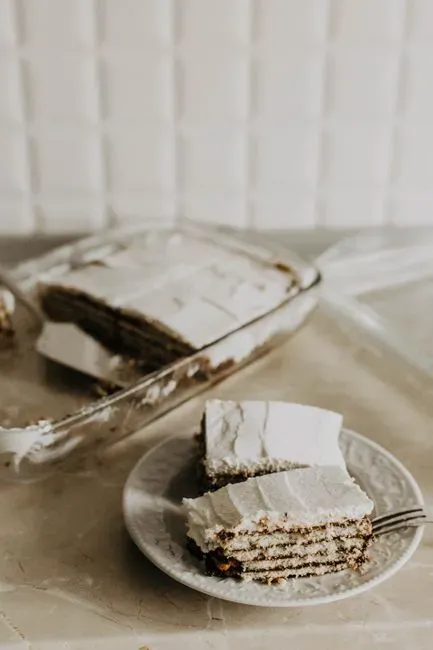
Icebox cake needed no oven, which made it a relief during hot summers. Cooks stacked chocolate wafer cookies with sweetened whipped cream, then let the fridge do the work. Overnight, the cookies softened into something close to cake.
The recipe was famously printed on the box of Nabisco chocolate wafers. It was cheap, quick, and hard to ruin. Many children remember licking the whipped cream bowl while it chilled.
Jell-O Desserts
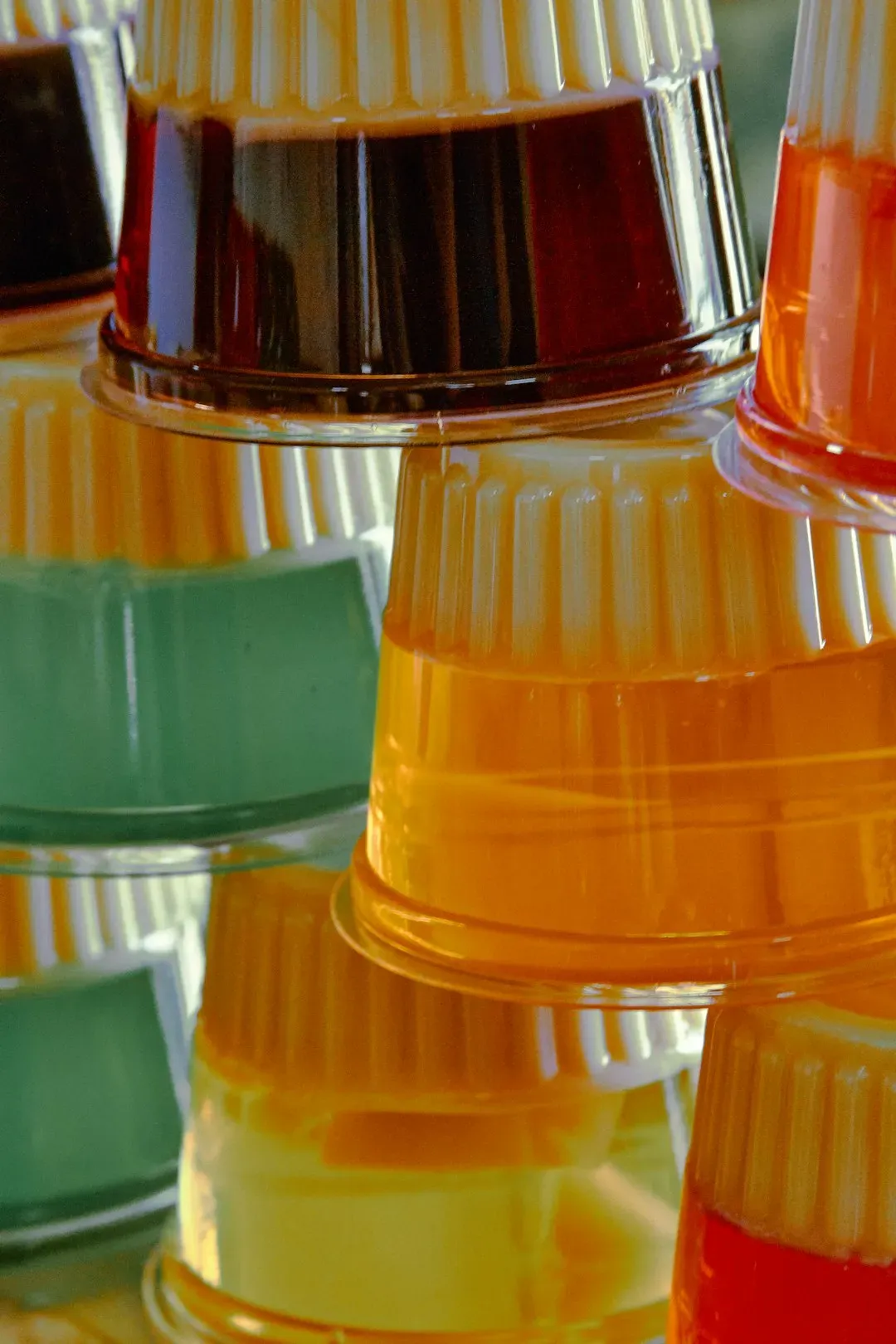
Gelatin was everywhere in midcentury kitchens. Jell-O had been sold since the late 1890s, but its popularity peaked in the postwar decades as refrigerators became common. Cooks set it in molds and folded in fruit, whipped topping, or cream cheese.
Not every creation aged well, and savory versions get most of the jokes today. Sweet ones, like fruit suspended in bright layers, were simpler and more loved. A shimmering mold on the table signaled a special occasion.
Angel Food Cake
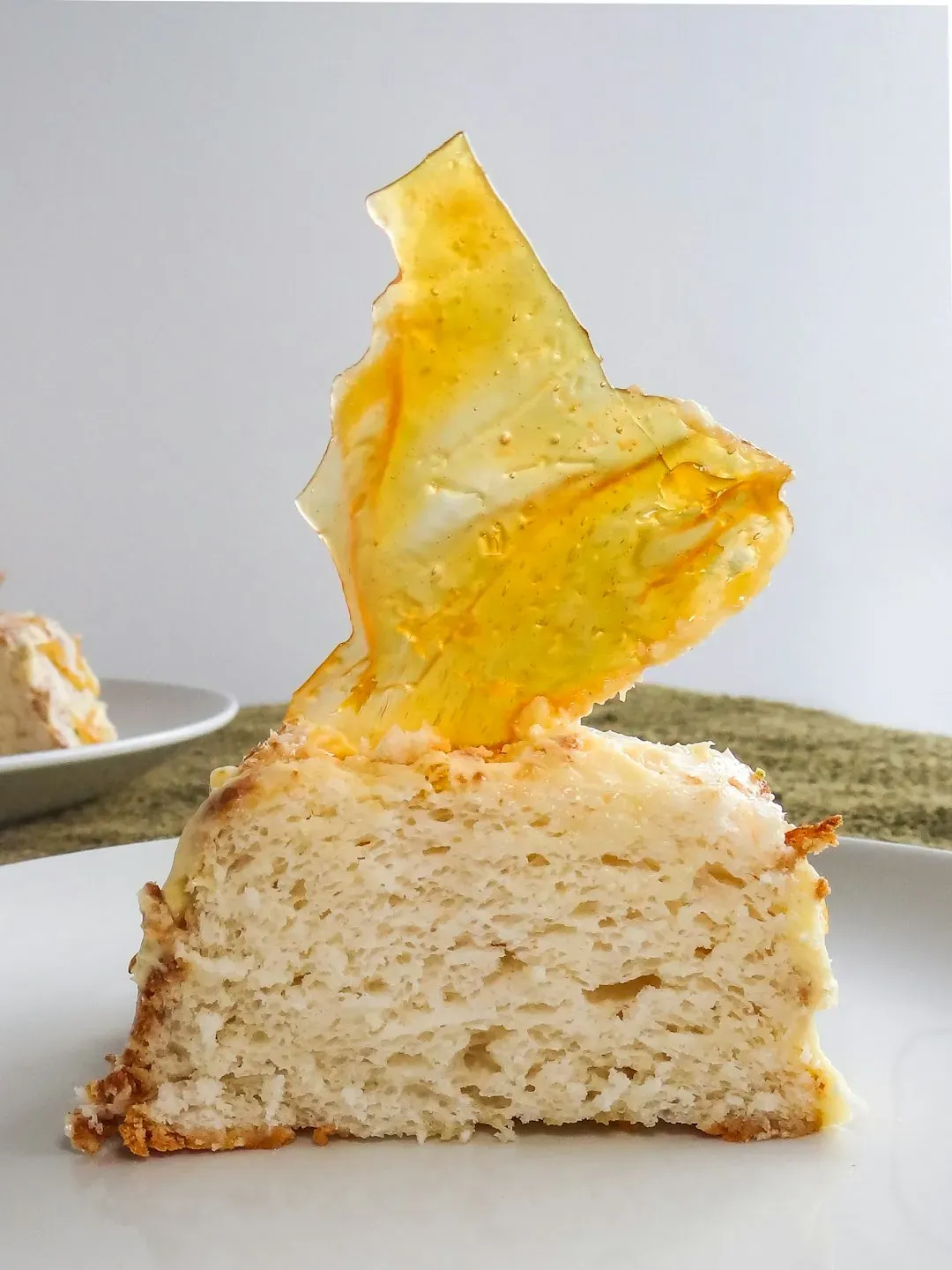
Angel food cake used egg whites, sugar, and flour, with no butter or oil at all. It was tall, airy, and pale, baked in an ungreased tube pan so the batter could climb the sides. Cooling it upside down kept it from collapsing.
It made good use of leftover egg whites and pairs well with fresh strawberries and cream. Boxed angel food mixes appeared in the era too, though many grandmothers preferred to whip their own whites by hand. It was a dessert that quietly showed off skill.
Toll House Chocolate Chip Cookies
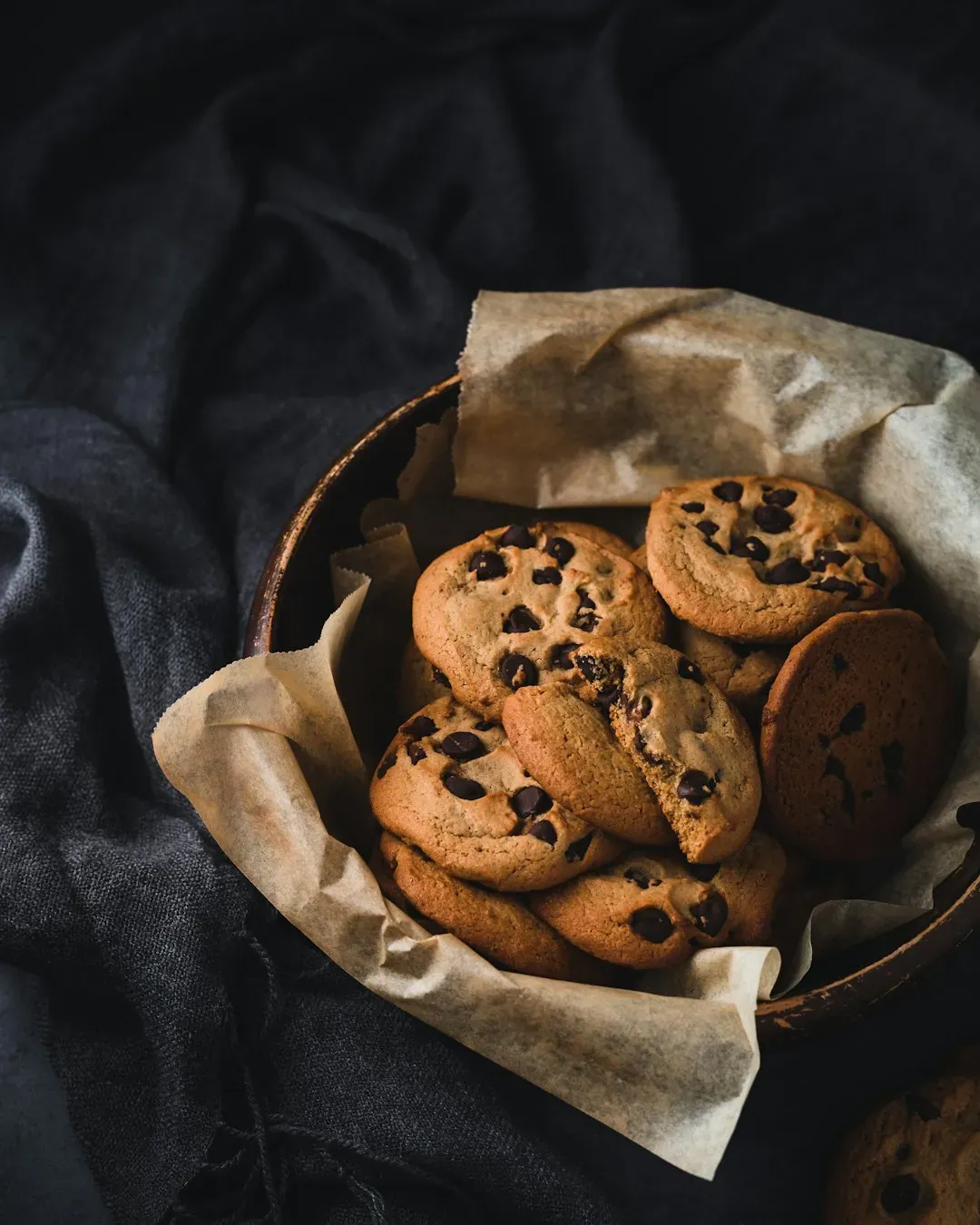
Ruth Wakefield created the chocolate chip cookie at the Toll House Inn in Massachusetts in the 1930s. Nestlé later began printing the recipe on its chocolate bar wrapper, then on bags of morsels. By the 1950s, it was a fixture in home kitchens across the country.
Cookie jars in those years were rarely empty for long. The recipe was simple enough for kids to help with, and the results were reliable. Countless family versions still trace back to that original printed recipe.
Bringing Them Back
Most of these desserts need only a few pantry staples, so they’re easy to try again. Start with the icebox cake or banana pudding if you want a low effort win. Save the chiffon and angel food cakes for a weekend when you have time to whip egg whites carefully.




Leave a Reply