
Flavored Yogurt Parfaits

Parfaits look like a dietitian’s dream: yogurt, fruit, a sprinkle of granola. The problem starts with the yogurt itself. A 6-ounce serving of fruit-flavored yogurt contains 23 to 29 grams of sugar, while plain yogurt has about 13 grams, derived naturally from milk.
That gap is not coming from fruit alone. Flavored yogurts, smoothies and parfaits often contain added sugars, artificial flavors and little to no probiotics, typically combining low-fat yogurt with high-carb ingredients that negate their potential health benefits. Swapping in plain yogurt with real fruit on top solves most of the issue without sacrificing the format people actually enjoy.
Store-Bought Granola
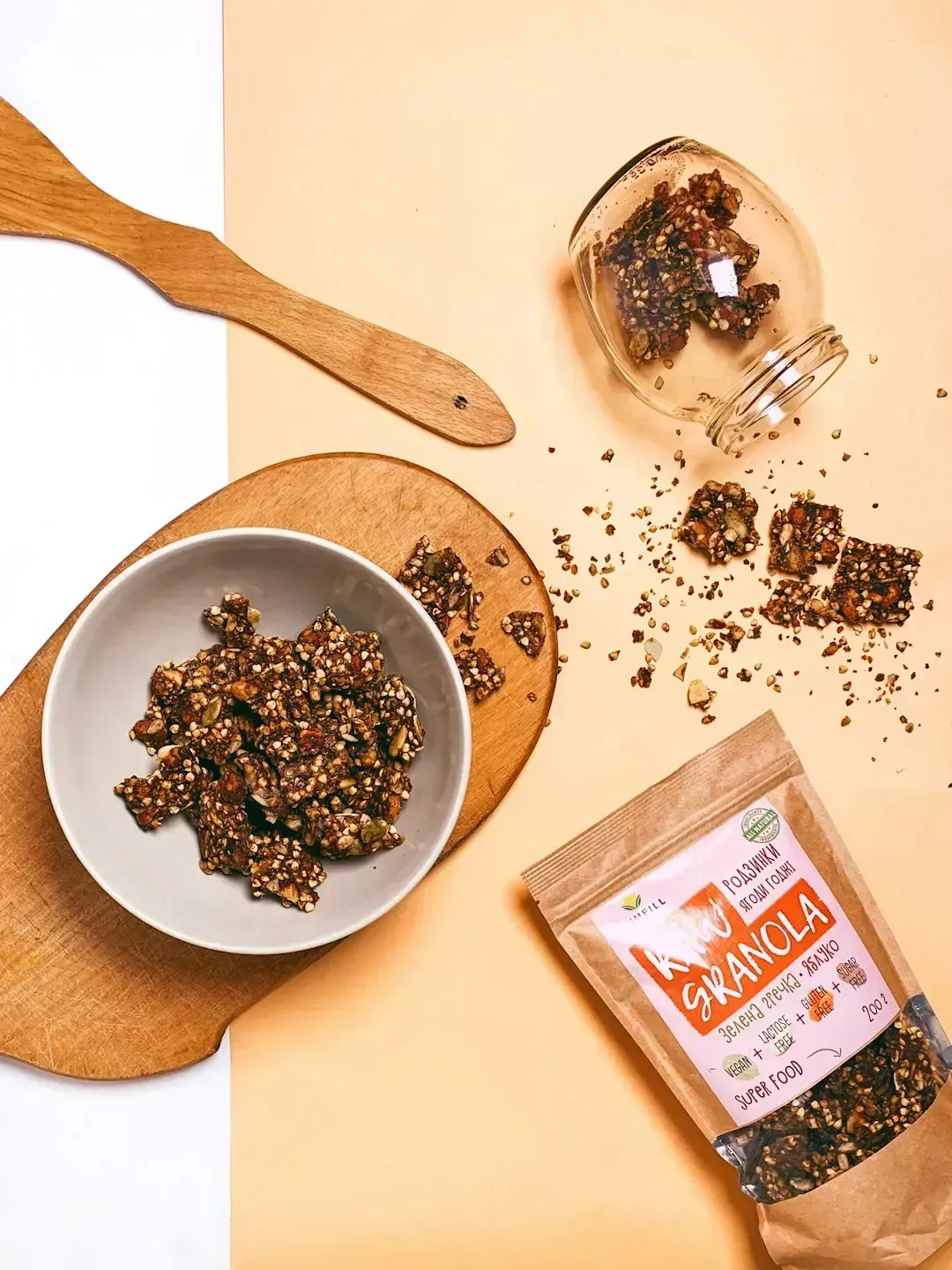
Granola has one of the best reputations in the grocery aisle, and one of the least deserved. Many popular granola brands contain more sugar per serving than a candy bar. The nuts and oats give it a health halo that the sugar content doesn’t back up.
It’s not just the sugar itself, but what it does to your body afterward. The glycemic load of granola, even with added nuts and seeds, can cause blood sugar levels to spike and crash, leaving you hungrier. Reading the label for serving size matters here too, since portions are often smaller than what people actually pour into a bowl.
Fruit-Flavored Instant Oatmeal

Plain oats are genuinely one of the better breakfast staples out there. The fruit-flavored packets in the instant aisle are a different story entirely. Oatmeal’s whole-grain goodness is rich in fiber, protein, and antioxidants, but highly sweetened fruit-flavored options like Quaker’s Apples and Cranberries Instant Oatmeal leave a lot to be desired nutritionally.
The sweetness in these packets rarely comes from actual dried fruit alone. Instant oatmeal will often be sold as a healthy breakfast, and while oats themselves are a great way to start the day, nutrition experts warn to be wary of hidden sugars in fruit-flavored breakfasts. Buying the plain variety and adding your own cinnamon or fresh fruit gets you the same comfort food without the sugar bomb.
Breakfast and Granola Bars
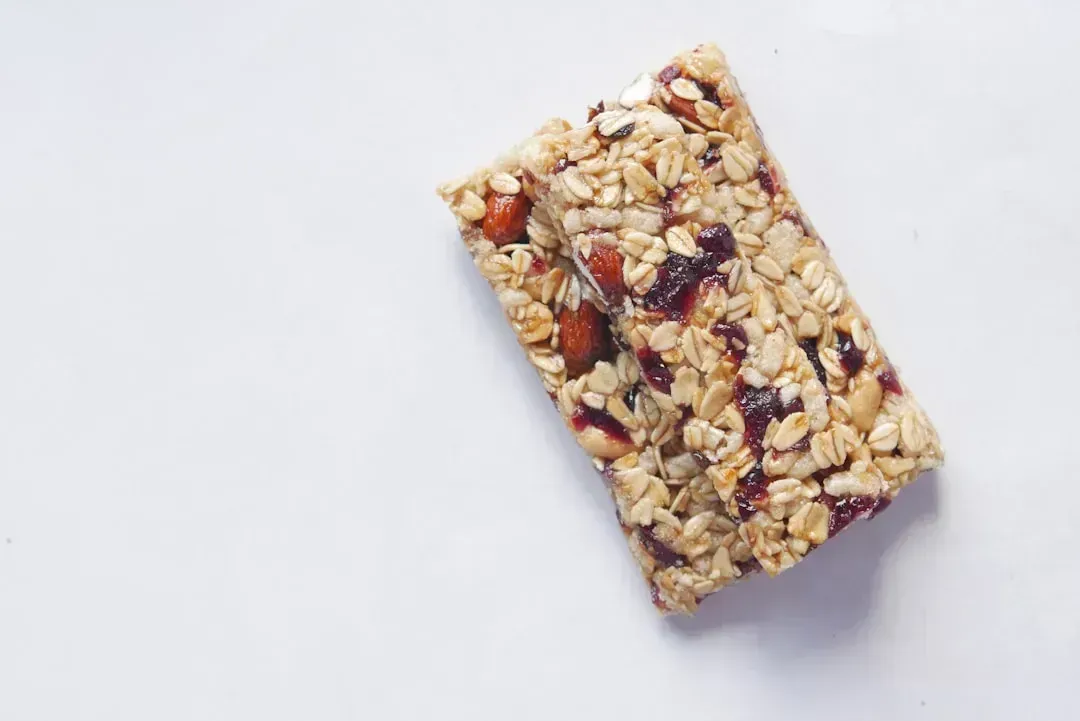
Bars are the ultimate breakfast shortcut, wrapped in packaging that practically shouts “wholesome.” Look closer at the ingredient list and the picture shifts. These bars are usually made from whole grains, nuts, or seeds, held together with syrups, oils, and other additives, and multiple forms of sugar often appear in one recipe, a telltale sign that sweetness is doing the heavy lifting.
The comparison to actual candy is not an exaggeration in some cases. The American Heart Association recommends capping added sugars at approximately 25 grams per day for women and 36 grams for men, a limit that can be reached by consuming just two typical granola bars, meaning a bar with 12 grams of added sugar eats up roughly half your daily allowance before 9 a.m. Checking that sugar isn’t among the first three ingredients is a simple way to sort the decent bars from the dessert impostors.
Bottled Smoothies

Smoothies get credit for packing in fruits and vegetables, and sometimes that credit is earned. Bottled or blended versions loaded with juice concentrate are a different animal though. Fiber is physically broken down when blended, which can affect its ability to slow digestion and stabilize blood sugar levels, and smoothies can also be liquid sugar traps, especially if made with fruit juices or high-sugar fruits.
None of this means smoothies belong on a blacklist. Smoothies can be a healthy breakfast idea if they include whole fruits, vegetables, and a protein source like Greek yogurt. Adding a scoop of protein and a spoonful of flax or chia helps rebuild some of the fiber structure that blending destroys.
Bakery Muffins

A muffin feels lighter than a cinnamon roll, which is exactly why it slides under the radar. Dietitians describe them bluntly. Many breakfast muffins are essentially cupcakes with a healthier-sounding name.
The nutrition math backs up that comparison more often than not. Similarly, while granola and breakfast bars can be a healthy choice, many are low in protein and high in added sugars. A muffin the size of a small dinner plate, common at coffee shops, can easily deliver more sugar than a slice of cake without offering the same amount of protein or fiber to balance it out.
Avocado Toast on the Wrong Bread
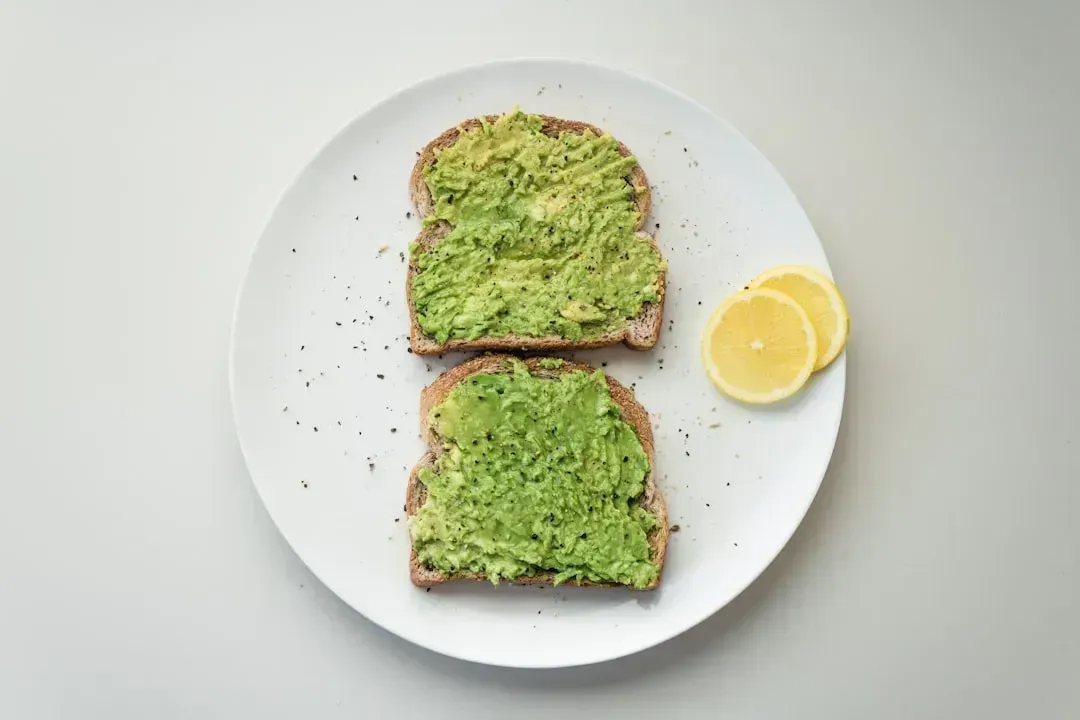
Avocado toast earned its wellness reputation fair and square. Avocados bring fiber, potassium, and healthy fat to the table. The catch is what’s underneath the avocado. While avocados are rich in healthy fats, the choice of bread significantly impacts the meal’s nutritional value, and many whole grain breads marketed as “healthy” contain enriched flours, minimal fiber, and hidden sugars.
Portion size sneaks in as a second problem. While avocados are nutrient-dense, the choice of bread matters, since refined white bread undermines the benefits, so use whole grain or sourdough bread and limit avocado serving size to avoid excess calorie intake. Sourdough and sprouted grain options tend to have a gentler effect on blood sugar than standard sandwich bread labeled “wheat” or “multigrain.”
Whole Wheat Bagels with Cream Cheese
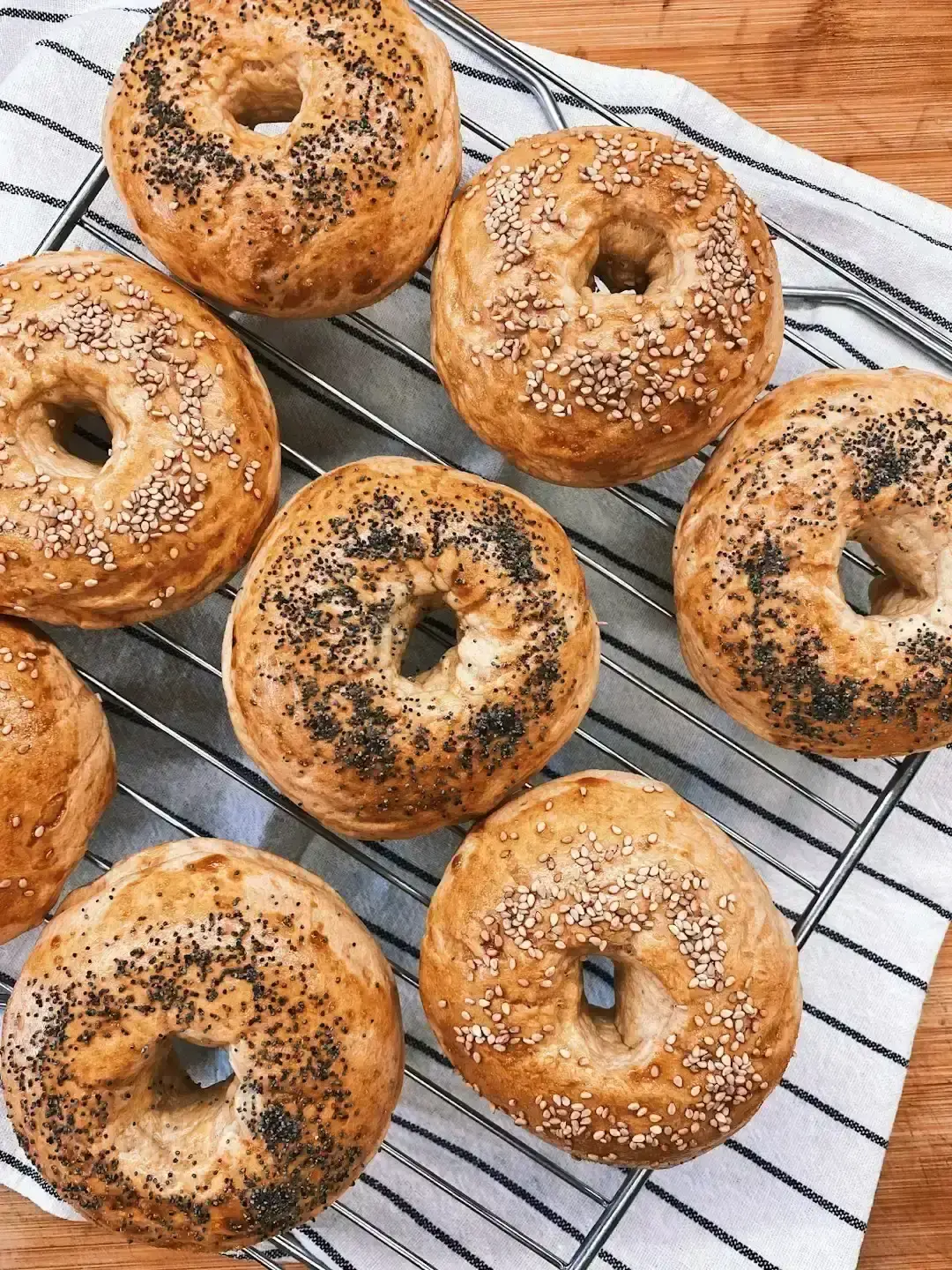
Bagels get a pass because “whole wheat” is printed on the bag, but the topping usually does more damage than the bread. A standard bagel and cream cheese order from a fast casual shop clocks in with real nutritional tradeoffs. A bagel with cream cheese contains 290 calories, 8g total fat, 840mg sodium, 34g carbohydrates, 3g fiber, 5g total sugars, and 20g protein, but it lacks the protein needed to sustain your energy levels all morning.
Flavored versions push things further into dessert territory. A Cinnamon Crunch Bagel from a popular bakery cafe contains 430 calories and 32 grams of sugar before any flavored cream cheese is added. Choosing a plain or whole grain bagel and pairing it with an egg or avocado instead of sweetened cream cheese turns this from a sugar delivery system into an actual balanced meal.
100% Fruit Juice

Juice sits in an odd spot on the health spectrum, technically natural but nutritionally closer to soda than most people assume. While fruit juices can be a beneficial source of vitamins and minerals in moderation, processed juices often have high volumes of sugar and calories. The distinction between a whole orange and a glass of orange juice matters more than marketing suggests.
Whole fruit comes with a built-in advantage that juice loses in processing. When you eat a piece of fruit, you’re consuming sugar in the form of fructose, but because that natural sugar is tied up in a food matrix that also contains fiber, vitamins, minerals and phytonutrients, your body digests the sugar at a slower rate, making it a longer-lasting, steady source of energy. A small glass alongside a protein-rich meal is a reasonable compromise; a large glass as the meal’s main event is where the sugar load starts to matter.
The Bigger Pattern Behind These Foods

Zoom out across all nine of these breakfasts and a pattern emerges that has less to do with any single food and more to do with how “healthy” gets marketed. Some of the most popular packaged breakfast foods, such as cereals, granolas, flavored yogurts, coffee drinks and instant oatmeals, can harbor surprisingly large amounts of sugar, which research shows can lead to weight gain and increase the likelihood of developing heart disease, obesity and Type 2 diabetes.
The scale of the issue is bigger than any one product on this list. Adults in the United States consume far more added sugar, an average of 17 teaspoons per day, than health authorities recommend, with the federal government saying adults should consume no more than 50 grams of added sugar daily, the equivalent of about 12 teaspoons. Breakfast alone can quietly account for a large share of that total before lunch even arrives.





Leave a Reply