
Thunderstorms are one of nature’s most dramatic spectacles, and they don’t strike all parts of the United States equally. Warm, humid air rising rapidly into cooler atmospheric layers is the essential recipe, and certain states have those ingredients in almost endless supply. The result is a regional pattern that repeats itself year after year, shaped by geography, coastlines, moisture-laden winds, and mountain ranges that force air skyward.
Thunderstorms occur in all 50 states, but they are most frequent in the Southeast, especially along the Gulf Coast from Louisiana to Florida, and fairly common across the rest of the Southeast into the Great Plains, where more than 50 storm days per year is the norm. Below are the 11 states where that sky-splitting rumble is simply a way of life.
1. Florida: The Undisputed Thunderstorm Capital
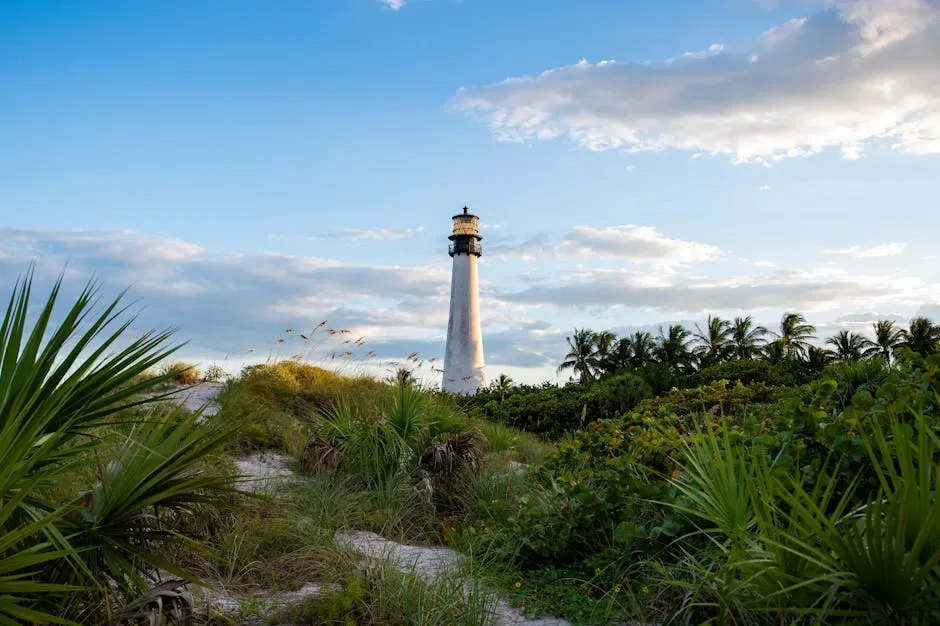
Florida takes the trophy for most thunderstorms in the United States, with parts of the state experiencing thunderstorms more than 100 days per year on average. That’s roughly one in every three days of the year spent under a crackling sky. The figure is stunning even by tropical standards.
Central Florida’s frequency of summer thunderstorms equals that of the world’s maximum thunderstorm areas, including the Lake Victoria region of equatorial Africa and the middle of the Amazon basin. On sunny days with fairly weak winds, sea-breeze fronts press inland from both the Atlantic Ocean and the Gulf of Mexico, and thunderstorms sometimes develop over the Florida peninsula as these two fronts collide.
2. Louisiana: Gulf Moisture in Overdrive

Thunderstorms are most frequent in the Southeast, especially along the Gulf Coast from Louisiana to Florida. Louisiana sits directly in the path of warm, moisture-laden air flowing north from the Gulf of Mexico, giving it a thunderstorm season that runs for much of the year rather than just the summer months. The state’s flat, low-lying topography offers virtually nothing to slow incoming storm systems.
Lake Charles, Louisiana, experiences an average of 76 thunderstorm days yearly, making it the stormiest city outside of Florida. New Orleans averages 75 thunderstorm days per year, and Baton Rouge logs around 74. Three major Louisiana cities all clearing 70-plus annual storm days tells you a great deal about how persistently stormy this state is.
3. Mississippi: Deep South Storm Country
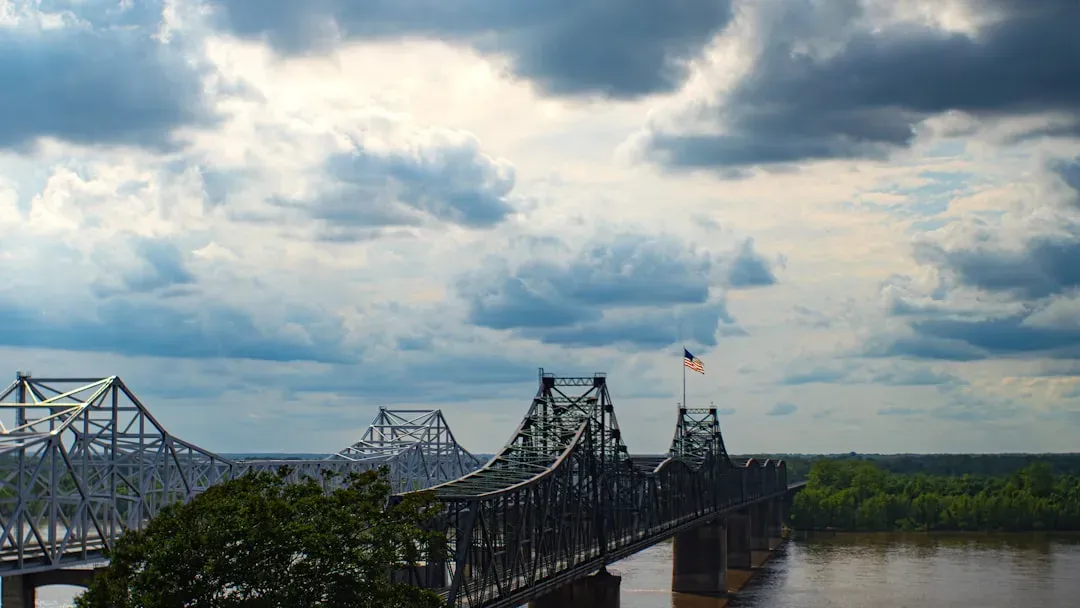
Jackson, Mississippi, averages 72 thunderstorm days yearly. That figure is representative of a broader state-wide pattern: Mississippi benefits from the same Gulf moisture pipeline that keeps Louisiana perpetually stormy, and its inland position means it also catches powerful spring squall lines pushing east off the Plains. The combination produces thunderstorms that tend to be particularly intense.
Besides Florida, three of the top counties with the highest lightning flash density are located in Louisiana and Mississippi, all along the Gulf Coast in the Mississippi Delta region. The Delta’s wetlands and river systems add extra surface moisture that fuels storm development from the ground up, making Mississippi one of the most persistently electric states in the nation.
4. Alabama: Where Lightning Fatalities Are a Serious Concern

Mobile, Alabama, sees an average of 73 thunderstorm days yearly. That number holds across much of the state, which is sandwiched between the storm-rich Gulf Coast to the south and active frontal zones pushing down from the north throughout spring. Alabama’s terrain funnels energy directly into the atmosphere, and storms here can escalate quickly.
Alabama has only about a quarter of the total lightning strikes of Texas, but because it is a much smaller state, its flash density is considerably higher, and it also ranks in the top five in the United States for lightning deaths. The state takes thunderstorm safety seriously, and with good reason.
5. Texas: Raw Volume Like Nowhere Else
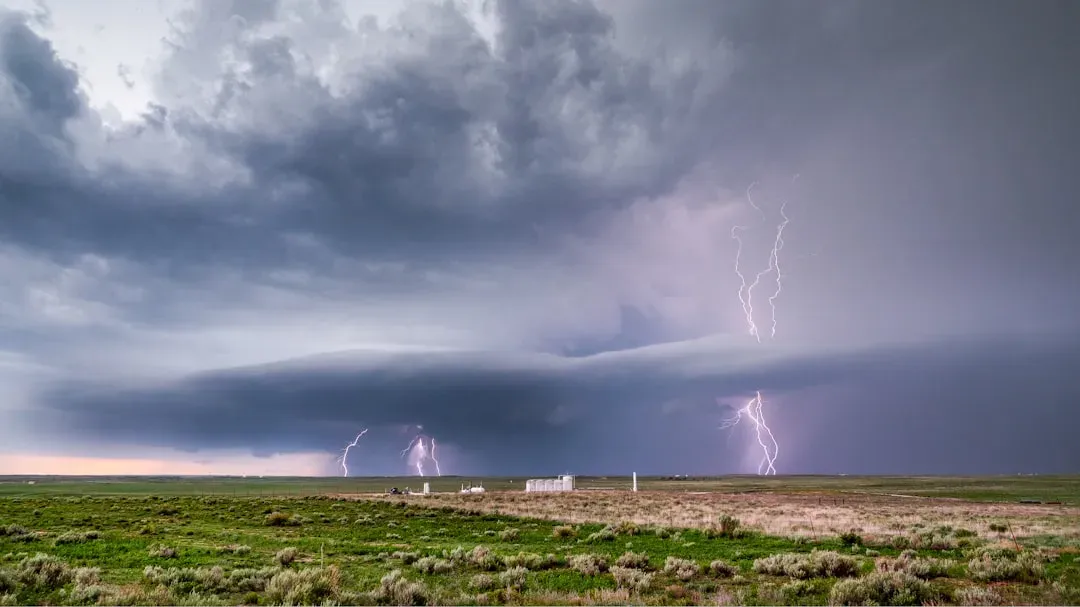
In 2023, the state with the most total lightning strikes recorded across the United States was Texas, with nearly 42.4 million lightning events, partly due to its size and location. Texas is so large that it practically contains multiple climate zones, and its position adjacent to both the Gulf of Mexico and the southern Plains makes it a near-constant target for storm development from March through October.
In the most recent full-year data, Texas had more than twice as many Dangerous Thunderstorm Alerts as the next highest state, which was Oklahoma. Texas’s peak lightning day coincided with the intersection of two separate billion-dollar disasters. It’s the kind of state where storm chasing is practically a local sport.
6. Oklahoma: The New Flash Density Leader
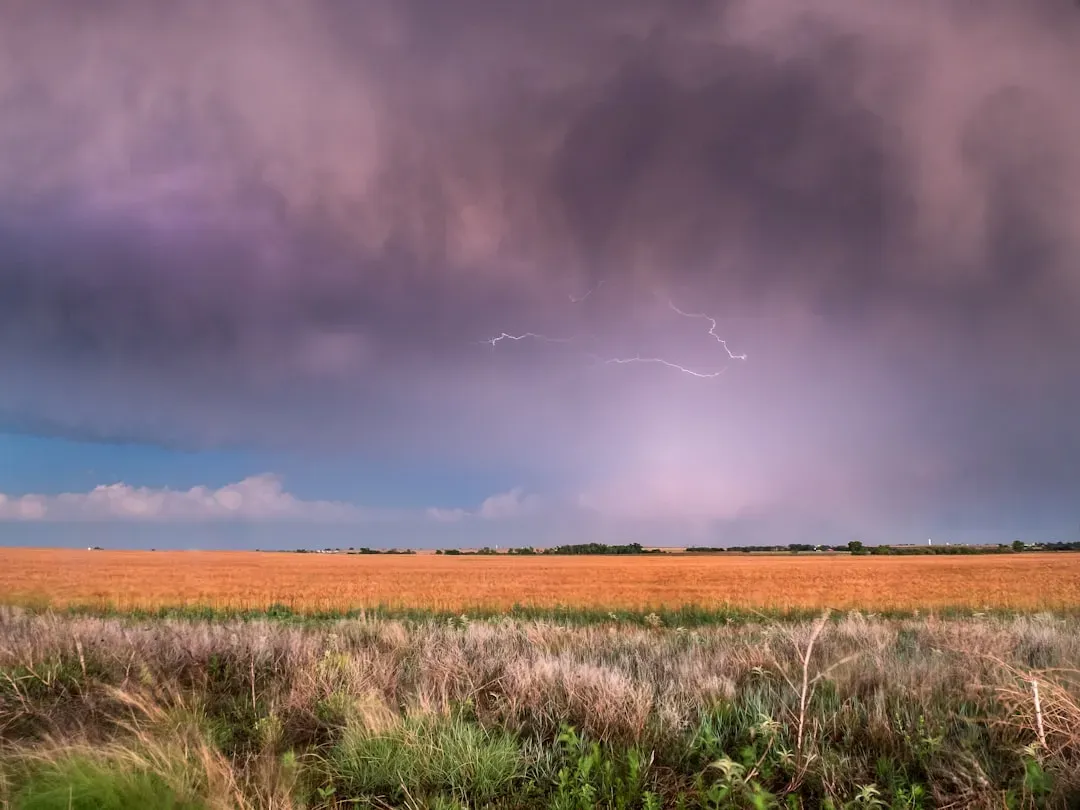
Oklahoma topped Florida to become the state with the highest concentration of lightning in 2025, recording 73 flashes per square mile, a shift that signals a broader surge in lightning activity across the Great Plains. That’s a remarkable development, and it reflects how dramatically active the southern Plains has become in recent years as warm Gulf air pushes further north and lingers longer.
Thunderstorms are fairly frequent across the rest of the Southeast U.S. into the Great Plains, with more than 50 days per year on average. Oklahoma’s position right at the intersection of dry continental air to the west and humid Gulf air to the south creates the atmospheric tension that thunderstorms thrive on. Springtime in Oklahoma is nothing short of relentless.
7. Georgia: Atlantic and Gulf Influences Combined
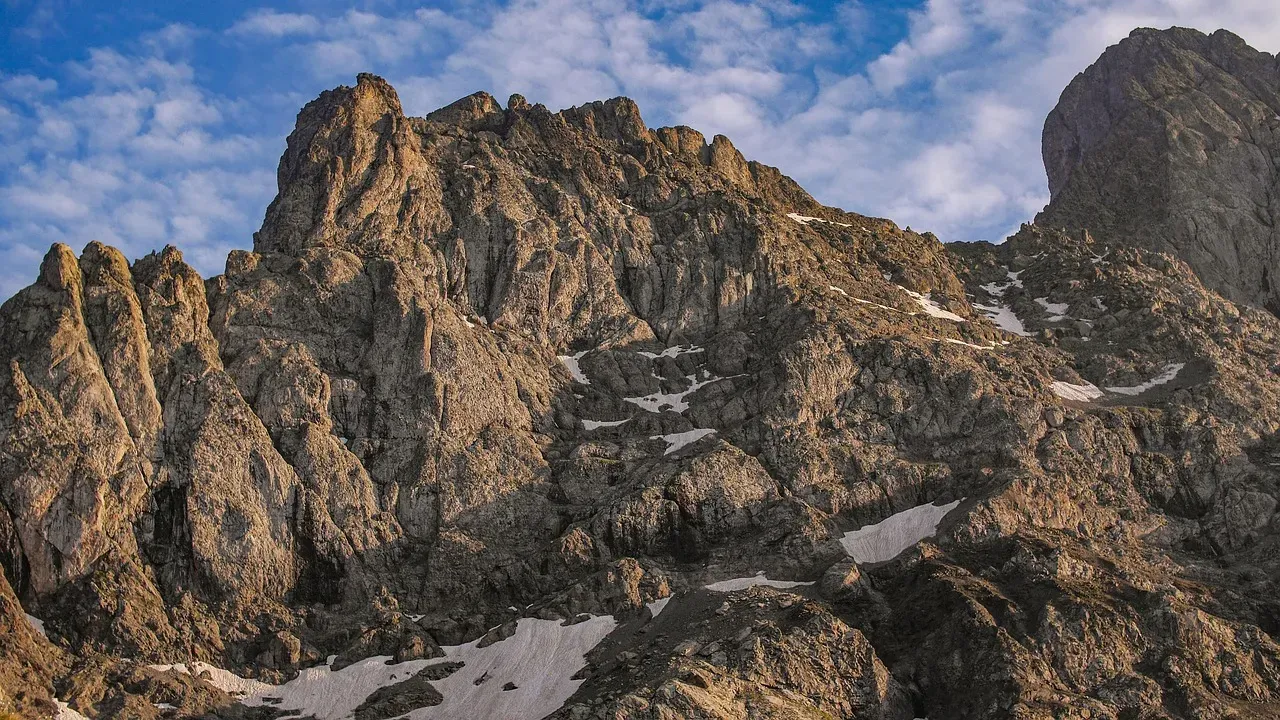
Georgia receives fewer lightning strikes than many other states on the top lists, but it still ranks in the top tier nationally because its denser population means the number of insurance claims and human exposure to storms remains high. The northern part of the state, where the Appalachian foothills provide lift, sees some of the most intense summer storms in the region. Southern Georgia, meanwhile, shares the same Gulf moisture stream as Alabama and Mississippi.
Georgia’s thunderstorm season stretches from late March into early October. The state sits at the crossroads of Atlantic sea breeze systems moving inland and Gulf moisture pushing northeast, meaning it catches storm energy from two separate moisture sources. Cities like Augusta, Macon, and Atlanta each average well over 50 thunderstorm days annually.
8. Arkansas: Caught Between the Plains and the South

Arkansas occupies a uniquely volatile atmospheric position. To its west lies the southern Plains, where powerful squall lines regularly form, and to its south is the continuous conveyor belt of Gulf moisture that feeds the Deep South’s storm machine. That geographic placement means Arkansas gets hit from multiple directions throughout the year.
Arkansas’s peak lightning day in 2025 aligned with a billion-dollar tornado outbreak, underscoring how dangerous the state’s thunderstorm environment can be. The Great Plains and surrounding Southeast states consistently average more than 50 thunderstorm days per year. Arkansas regularly sits well above that threshold, with Little Rock averaging roughly 57 storm days annually.
9. Tennessee: Mountain Lift Meets Southern Heat
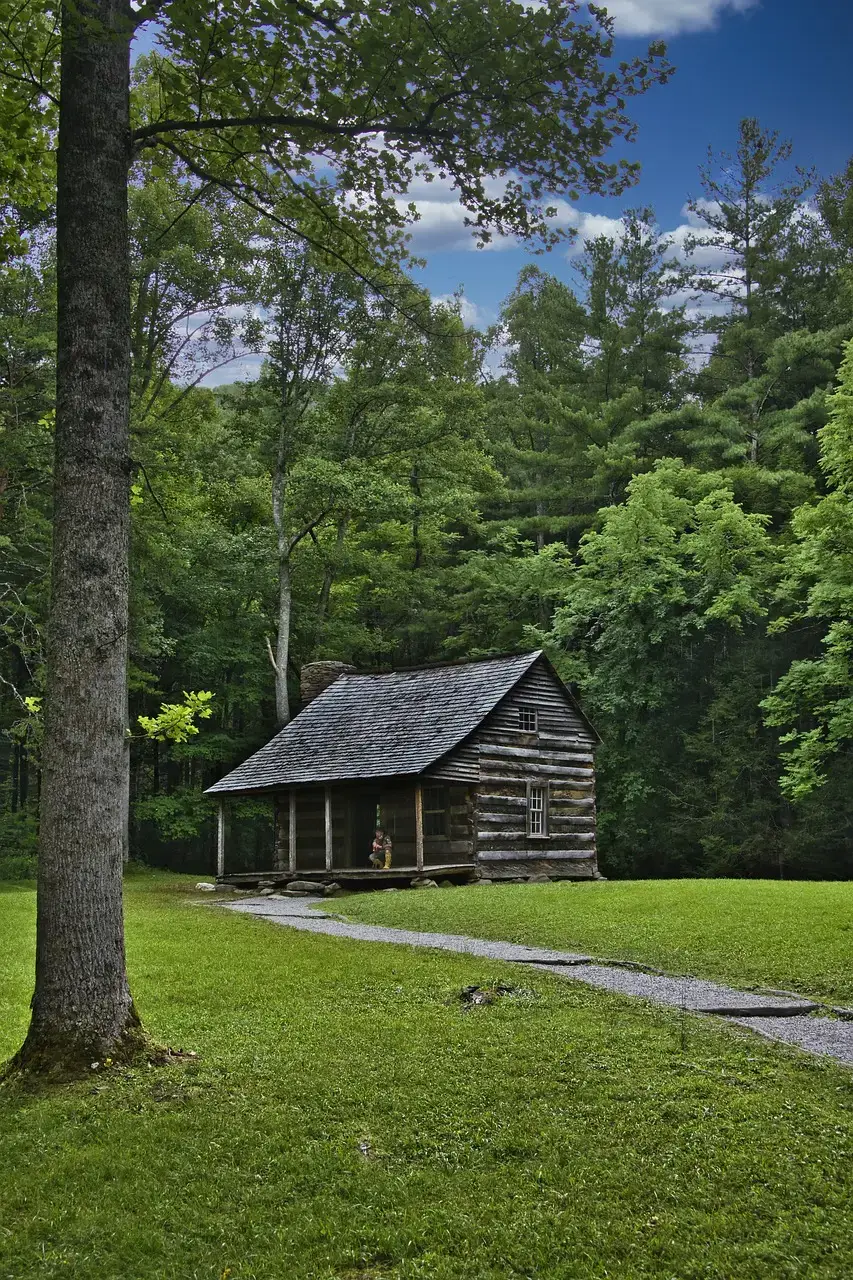
Tennessee benefits from a combination of factors that most states don’t share simultaneously. The Cumberland Plateau and the eastern Appalachians provide orographic lift, forcing air upward into cooler layers where thunderstorms can form. Meanwhile, the western half of the state sits fully in the path of Gulf moisture and late-season frontal systems that extend storm activity well into autumn.
The frequent occurrence of thunderstorms in the Southeast results from the regular presence of warm, moist maritime-tropical air from the Gulf of Mexico, which in the warmer months favors positively buoyant air parcels that blossom into cumulonimbus clouds. Tennessee sits directly in that warm-air corridor, and its varied topography means storms often develop simultaneously in different parts of the state. Nashville and Memphis each average more than 50 storm days per year.





Leave a Reply