
Every neighborhood has one. The house priced noticeably lower than everything around it, the listing that makes buyers stop scrolling and start dreaming about instant equity. It looks like a deal, and sometimes it is. But the gap between “cheapest” and “best value” is often wider than it appears, and the reasons for that price tag rarely show up in the listing photos.
Before signing anything, it helps to understand what actually separates the lowest-priced home on a street from its pricier neighbors. Sometimes the answer is cosmetic. Sometimes it’s structural, financial, or even legal. Either way, the savings on day one can quietly turn into costs that stretch out for years.
Why the price is lower in the first place
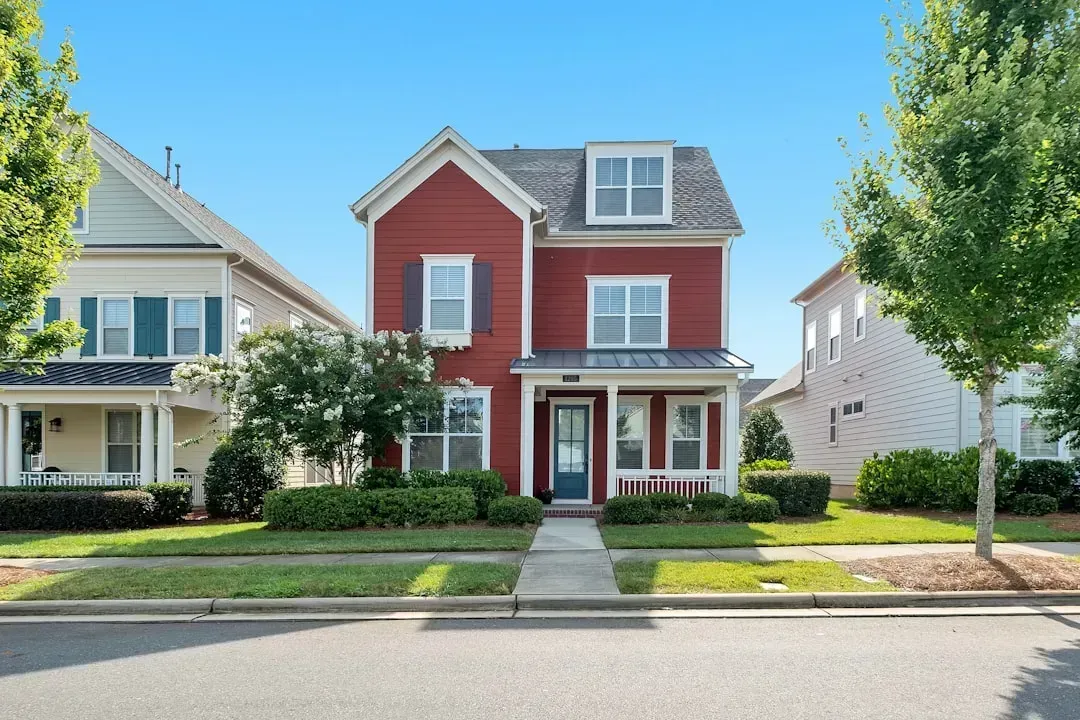
A home rarely sits below the neighborhood average by accident. Appraisers and agents typically explain the gap through condition, size, lot placement, or a seller who needs a fast close more than a top dollar offer. Sometimes it’s as simple as an outdated kitchen or an inconvenient floor plan that scared off other buyers.
Other times the discount reflects something less visible, like a busy road nearby, an odd property line, or a history of repairs that were done cheaply rather than correctly. Buyers who skip asking “why is this one cheaper” often find the answer later, usually during an inspection or, worse, after moving in.
The appraisal ceiling problem
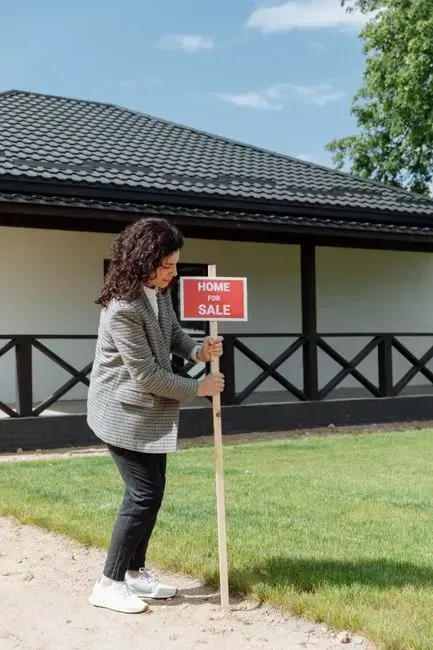
Home values don’t exist in isolation. Appraisers lean heavily on comparable sales in the immediate area, which means the priciest renovations a buyer might dream of adding later can bump against a ceiling set by the surrounding homes. Even a beautifully upgraded kitchen may not appraise for its full cost if neighboring houses are smaller or less updated.
This matters most for buyers planning to renovate and build equity quickly. Lenders and future buyers alike will compare the home to what’s nearby, not to what it could theoretically become. Overinvesting in can mean pouring money into upgrades that never fully translate into resale value.
Deferred maintenance adds up quietly
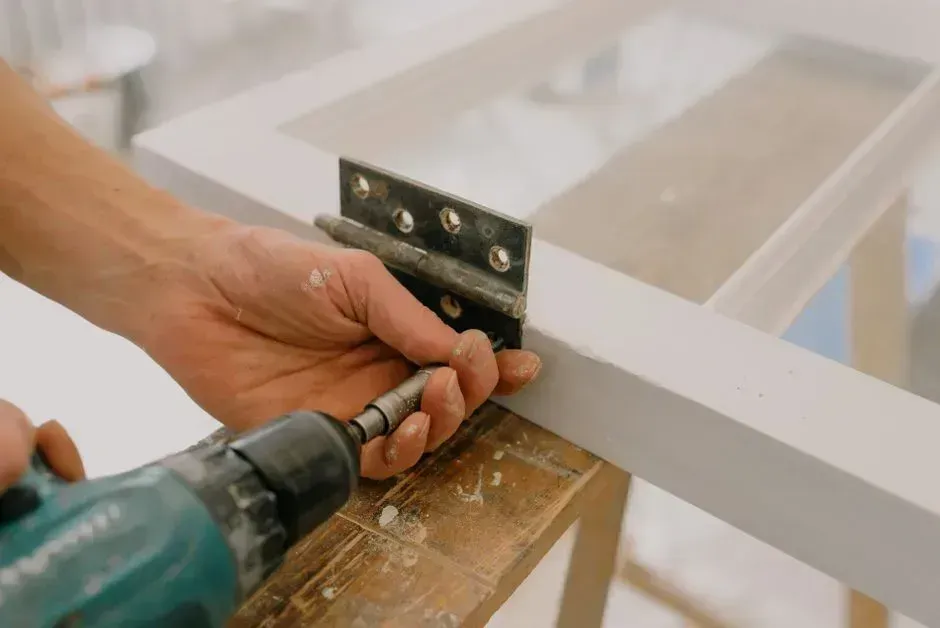
A lower price often correlates with deferred maintenance, meaning the seller postponed repairs rather than fixing them outright. Roofs, HVAC systems, plumbing, and electrical work are common culprits, and none of them are cheap to replace once they finally fail. What looks like a minor imperfection during a walkthrough can be the tip of a much larger and more expensive iceberg.
Buyers focused purely on the sale price sometimes skip a thorough inspection or negotiate away credits to keep the deal moving. That short-term win can turn into a long-term financial strain once the furnace dies in the first winter or the water heater gives out within months of closing.
Financing can get complicated

Lenders don’t just look at the price a buyer is willing to pay. They look at whether the home meets safety and livability standards, especially for government-backed loans like FHA or VA financing. Homes with major deferred repairs, missing handrails, or failing systems can trigger additional inspection requirements or outright loan denials.
This creates a frustrating cycle for buyers drawn to a bargain price specifically because their budget is tight. The very financing options that make a lower-priced home affordable can be the hardest to secure if the property doesn’t meet lending standards. Cash buyers and investors often scoop up these homes precisely because they can bypass that friction.
Insurance costs can erase the savings

An older roof, outdated wiring, or a home in a flood-prone area can make insurance premiums climb fast, sometimes enough to offset years of savings from a lower purchase price. Insurers increasingly factor in the age and condition of major systems, and in regions affected by wildfire or severe weather, some insurers have pulled back coverage altogether. A homeowner who bought might discover that its coverage costs more annually than a pricier, better-maintained house nearby.
This isn’t a hypothetical concern. Rising insurance costs have become one of the most talked about pressures in the housing market in recent years, particularly in states like Florida, California, and Louisiana. A bargain purchase price doesn’t guarantee a bargain cost of ownership once monthly premiums are factored in.
Resale value doesn’t always catch up

There’s a common assumption that buying the cheapest house guarantees appreciation as the neighborhood improves around it. Sometimes that happens. Often, though, the home stays the “problem property” on the block, dragged down by the same structural or layout issues that made it cheap in the first place.
Real estate agents sometimes refer to this as buying the worst house in a good neighborhood, and while the strategy can work with the right renovations, it requires capital, planning, and realistic expectations. Buyers who assume the market alone will lift their investment often end up disappointed when appraisals still reflect the home’s underlying limitations.
Neighborhood dynamics matter more than people expect
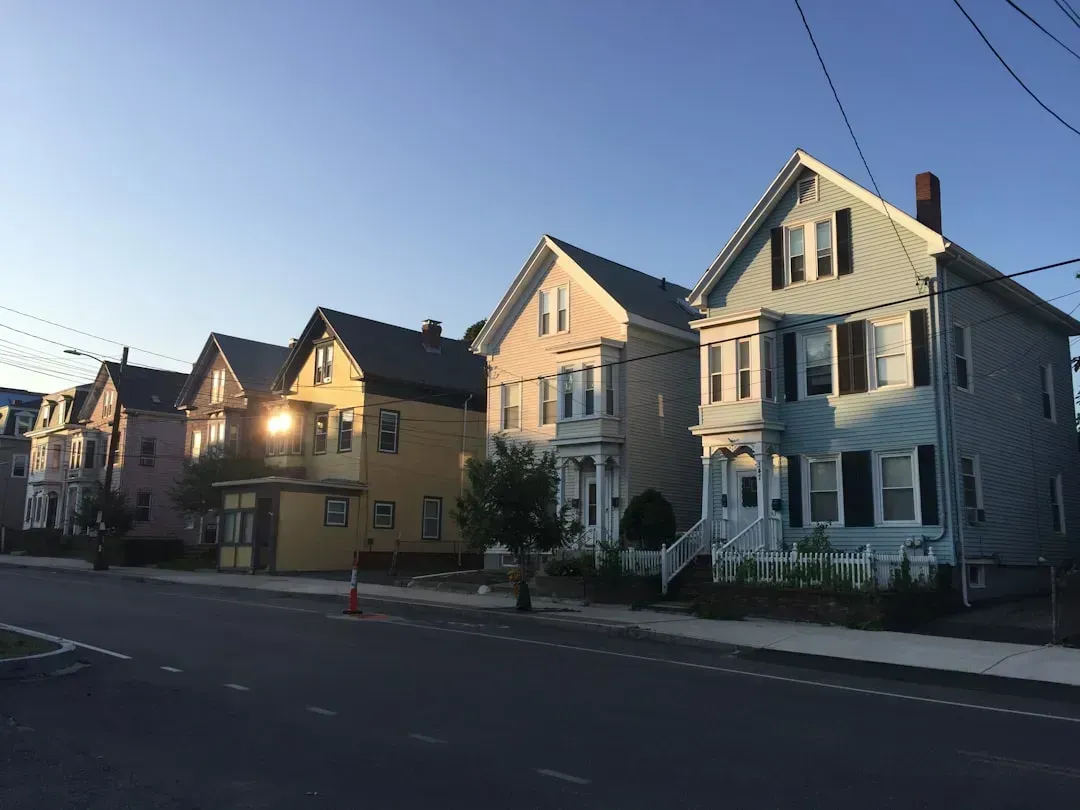
Buying into a block means buying into its trajectory, not just its current price point. If most homes nearby are being renovated, expanded, or sold to owner-occupants investing in upkeep, that momentum can lift even a modest property over time. But if the block is stagnant or dominated by rental turnover, a cheap house might just stay cheap, regardless of what the buyer puts into it.
It’s worth walking the street at different times of day before committing. Small signals, like which yards are maintained, how many homes have recent permits filed, or whether neighbors seem invested in the area, can say more about future value than the listing price ever will.
The emotional and time cost of a fixer-upper

Numbers aside, there’s a real personal cost to buying the least expensive home on a street, especially if it needs work. Living through renovations, managing contractors, and dealing with unexpected repairs takes time and energy that don’t show up in any spreadsheet. What felt like an exciting project in year one can feel exhausting by year three if the list of fixes never seems to shrink.
This cost is easy to underestimate before moving in and hard to ignore once the drywall dust settles into daily life. Buyers who thrive on DIY projects may find it rewarding. Those hoping for a turnkey experience at a discount price often find the mismatch between expectation and reality more draining than anticipated.
How to evaluate a bargain home responsibly
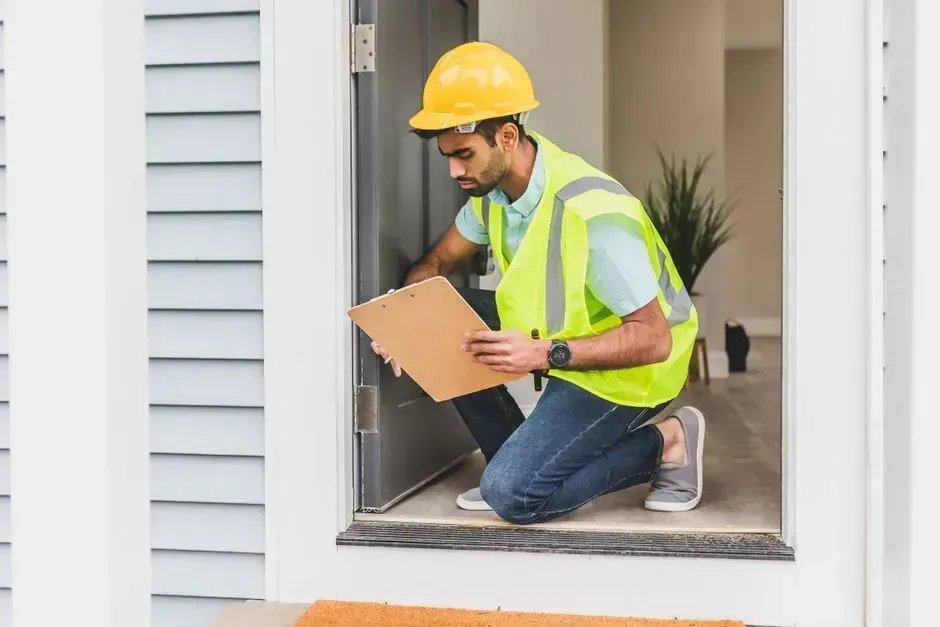
A lower price isn’t automatically a red flag, but it does deserve extra scrutiny. A full inspection, a review of comparable sales, and a realistic renovation budget with contingency funds built in are essential steps before assuming a deal is as good as it looks. Talking to a local agent about why similar homes on the block sold for more can also reveal whether the discount reflects fixable issues or deeper structural ones.
It also helps to get quotes for insurance and financing early, before falling in love with the idea of a bargain. Knowing the true carrying costs, not just the purchase price, gives a much clearer picture of whether is actually the smartest buy or simply the most tempting one.




Leave a Reply