
There’s a version of the American dream that still feels very much alive on paper: the roomy house, the sharp car in the driveway, the kids in premium everything, the vacations posted online. It reads like success. It often isn’t. A middle-class income no longer guarantees financial security, threatening both the nation’s economy and its social fabric, according to a 2024 report from the Financial Health Network. The gap between what people project and what they actually hold onto is wider than most care to admit.
Roughly two-thirds of Americans often considered “middle class” are struggling financially today and don’t expect that to change for the remainder of their lives. That number is striking. The spending patterns driving it are even more telling. Across the country, certain purchases have taken on the quiet role of social performance, things that look like prosperity from the outside while hollowing out savings from within.
The Brand-New Luxury Car With a Seven-Year Loan

Nothing says “I’ve made it” quite like a gleaming new vehicle. The problem is the math hiding underneath it. According to data from Edmunds, more than one in five financed new-vehicle purchases in Q4 2025 came with monthly payments of $1,000 or more, the highest share ever recorded. That’s not a rounding error. That’s a structural shift in how Americans are choosing to spend their income.
Consumers are clearly adapting by stretching their loans to unprecedented lengths, with financing terms of 84 months or longer accounting for more than one in five of all new-vehicle loans. Seven years of payments on a depreciating asset, often with little equity to show for it, is not a symbol of financial health. It’s a treadmill dressed up in premium leather trim.
The Oversized House in the “Right” Neighborhood

According to traditional financial planning guidelines, housing costs should constitute no more than 28% of gross income. Yet many middle-class families go beyond this threshold to purchase larger homes in sought-after neighborhoods, becoming what financial planners call “house poor,” owning an impressive property while struggling with everyday expenses. The address becomes the status signal. The budget becomes the casualty.
The hidden costs of oversized homes extend far beyond the mortgage. Larger properties demand more utilities, maintenance, furnishings, and property taxes. A house with twice the square footage typically costs significantly more to heat, cool, and maintain. What looks like stability from the curb can quietly drain a family’s ability to save, invest, or weather any financial shock.
Designer Labels and Logo-Heavy Wardrobes
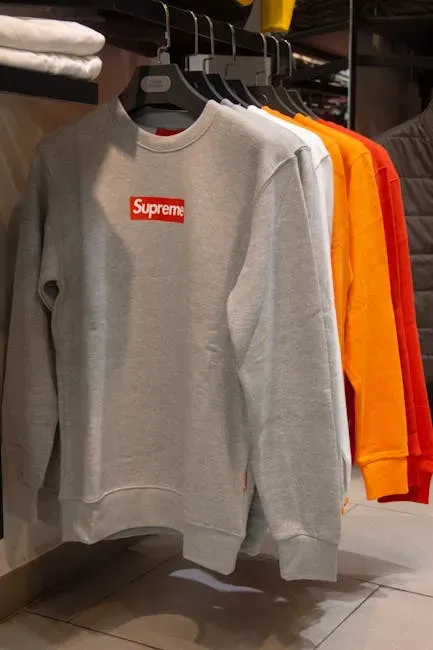
Embracing a designer lifestyle can become a costly endeavor, with purchases ranging from clothing to small everyday items like phone cases branded by high-end designers. Consumers often pay a premium for the label even when comparable alternatives are available at a fraction of the price. The logo, in this case, is doing the real work. It signals belonging to a class that the buyer may not actually inhabit financially.
About nearly half of Americans justify unnecessary spending by saying they got a good deal, and almost half still prefer the usually pricier name-brand versions of products. Paying more for a label when budgets are already strained is one of the clearest examples of social signaling overriding financial logic. The wardrobe looks curated. The credit card statement tells a different story.
Stacking Streaming and Subscription Services

The monthly subscription pile has quietly become one of the most common forms of lifestyle inflation. The average American spends roughly $219 per month on subscriptions across multiple active services, but estimates only about $86, a gap of nearly two and a half times what people think they’re paying. That invisible spending is money that never makes it to savings, retirement, or an emergency fund.
In 2024, more than four out of five respondents had at least one paid subscription going unused each month. The appeal is obvious: a stack of streaming platforms and premium apps feels like abundance. Nearly half of subscribers now say they won’t put up with another price hike, and across multiple services, the combined cost piles up to what amounts to a small rent payment.
Extravagant Children’s Parties and Holiday Spending

Children’s birthdays have morphed from simple cake and balloons into full-scale productions with venues, caterers, and entertainment. Parents feel pressure to top last year’s event or match what they see on social media, turning a personal milestone into a performance for others. The emotional stakes are real. The financial cost, however, is entirely optional.
A LendingTree report showed that more than a third of Americans took on debt during the 2024 holiday season, with the average person going into debt taking on over $1,100. Of those who used debt for holiday purchases, more than two in five used credit carrying an interest rate of 20% or higher. A beautiful holiday Instagram grid and a credit card balance accruing at high interest are rarely shown in the same frame.
Doom Spending on Travel and Experiences
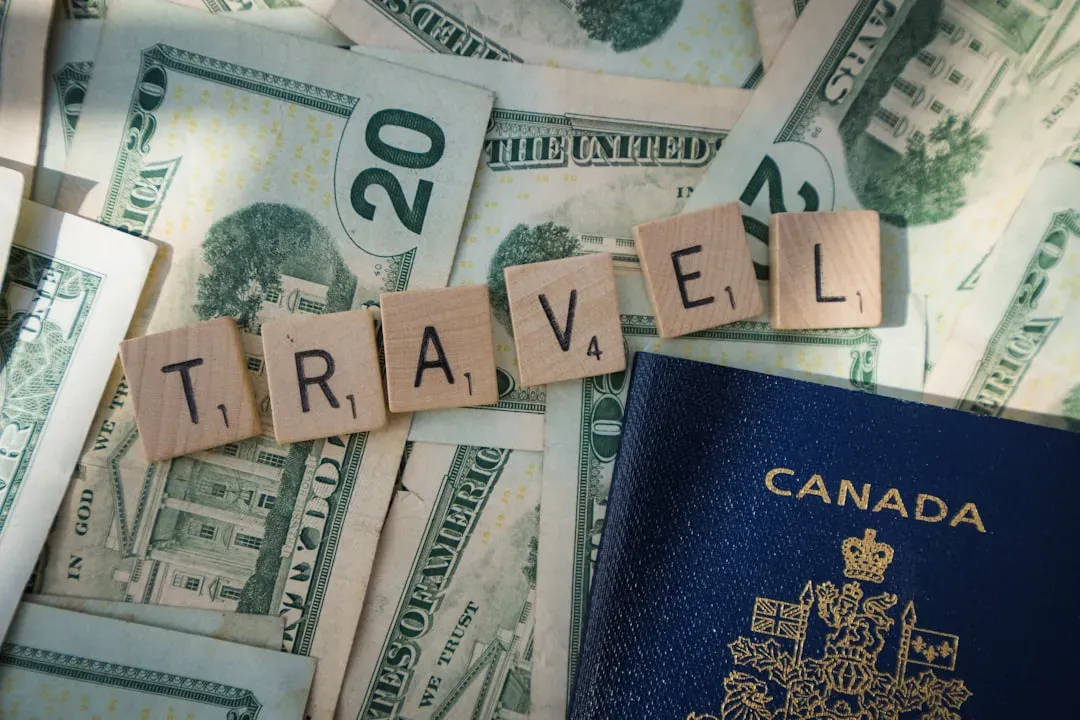
Americans are willing to go into debt to travel, dine out, and attend concerts. Young adults, especially, are focused on enjoying life in the moment rather than saving for the future. Experiences have replaced goods as the prestige currency of the moment, and going into debt for them has been quietly normalized. The photos prove the lifestyle. The bank account doesn’t.
Roughly more than a third of adults planned to take on more debt to travel, dine out, and see live entertainment, according to a Bankrate report. A once-a-year vacation funded by credit isn’t the same as financial comfort. It’s borrowed enjoyment with interest attached, and it tends to push the question of real financial stability further and further down the road.
The Latest Smartphone and Tech Upgrade Cycle

The technology and gadgets market sees consumers gravitating toward the latest products from established brands. New product launches generate significant hype and create a perceived need for the latest devices, and many buy new technology not because it is necessary but because it is a status symbol. Upgrading a phone that works perfectly well every twelve months is not a sign of wealth. It’s often a sign of susceptibility to a very effective marketing machine.
Despite alternatives that offer similar functionality at a lower cost, the appeal of big-name brands in the U.S. tech industry remains a driving force behind overspending. The device sitting in someone’s pocket signals something about their social position. Whether they can actually afford it is a separate, quieter question that rarely comes up at the dinner table.
Credit Card “Wealth” and the Illusion of Purchasing Power
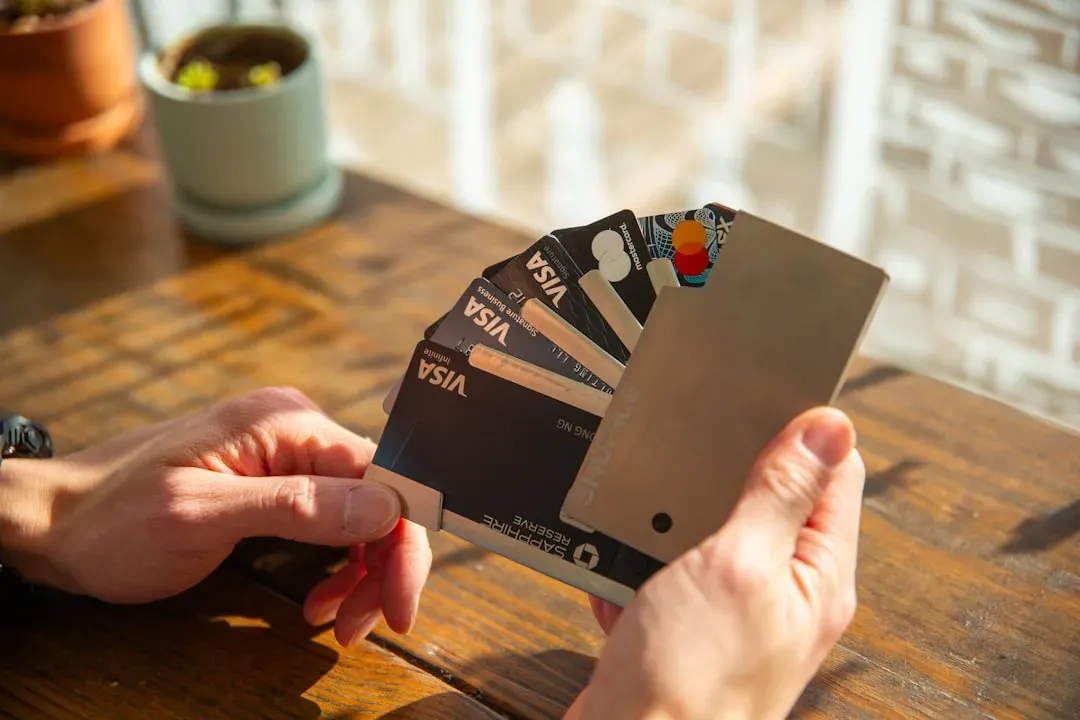
Reports on household debt show that total U.S. liabilities climbed to a record $18.8 trillion by late 2025, with credit cards accounting for a growing share of that burden. For a significant portion of middle-class households, the ability to buy things is not the same as the ability to afford them. The card goes through. The debt accumulates. The lifestyle looks intact from the outside.
More than half of middle-class households are at least somewhat concerned about the risk of a serious decline in their financial situation, and almost half are not confident they will be able to build sufficient retirement savings. Swiping freely while retirement accounts sit thin and emergency funds sit empty is perhaps the most invisible status symbol of all. It doesn’t look like struggle. It looks like confidence. The difference only becomes clear when something actually goes wrong.



Leave a Reply