
South America has long held a particular kind of pull on the traveler’s imagination. Ancient ruins perched above cloud forests, salt flats so vast they mirror the sky, and colonial cities that feel frozen in a more deliberate century. That appeal has never been stronger. In the first quarter of 2025 alone, the region recorded a 13% surge in international tourist arrivals compared to early 2024. For the places receiving all that attention, the math isn’t always flattering.
Overtourism generally describes the tipping point at which visitors and their cash stop benefiting residents and instead cause harm by degrading historic sites, overwhelming infrastructure, and making life markedly more difficult for those who live there. Across South America, that tipping point is not a distant warning. It’s already arrived in several iconic places, and locals are making their frustration heard.
1. Machu Picchu, Peru – Wonder Under Siege
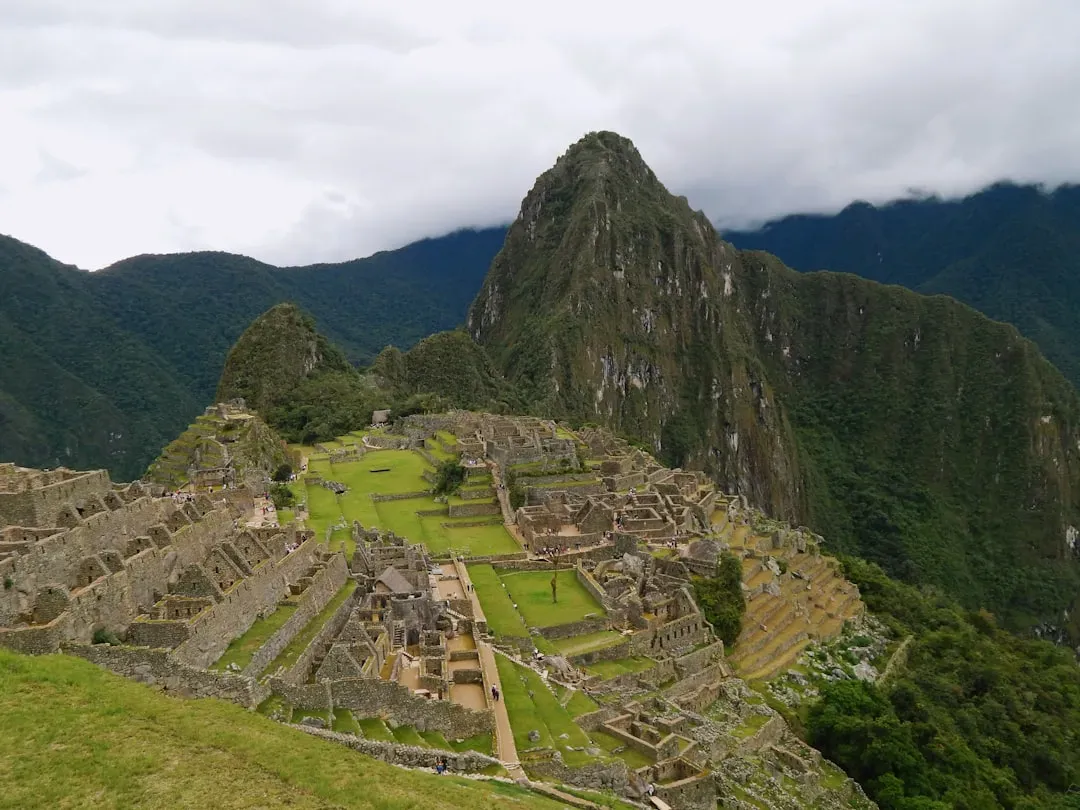
The New7Wonders project warns that Machu Picchu is at risk of losing its “credibility” as one of the world’s wonders due to overtourism, limited conservation policies, and social conflicts, among other issues. That’s a striking statement about a site that was chosen partly because of its enduring magnificence. More than 1.5 million visitors entered Machu Picchu in 2024, despite regulations designed to limit footfall.
The nearby town of Aguas Calientes, which serves as the gateway to Machu Picchu, has expanded rapidly to accommodate the growing number of tourists. The town’s infrastructure, including transportation systems, utilities, and waste management, has struggled to keep pace, resulting in overcrowded conditions that affect both residents and visitors. Local protests are often fueled by perceived inequities in the tourism system, such as inadequate local involvement in tourism decision-making processes and frustrations over insufficient benefits from tourism-related revenues. The tension boiled over in September 2025, when protesters blockaded the railway tracks, leaving over a thousand tourists stranded.
2. The Galápagos Islands, Ecuador – Paradise Priced and Pressured
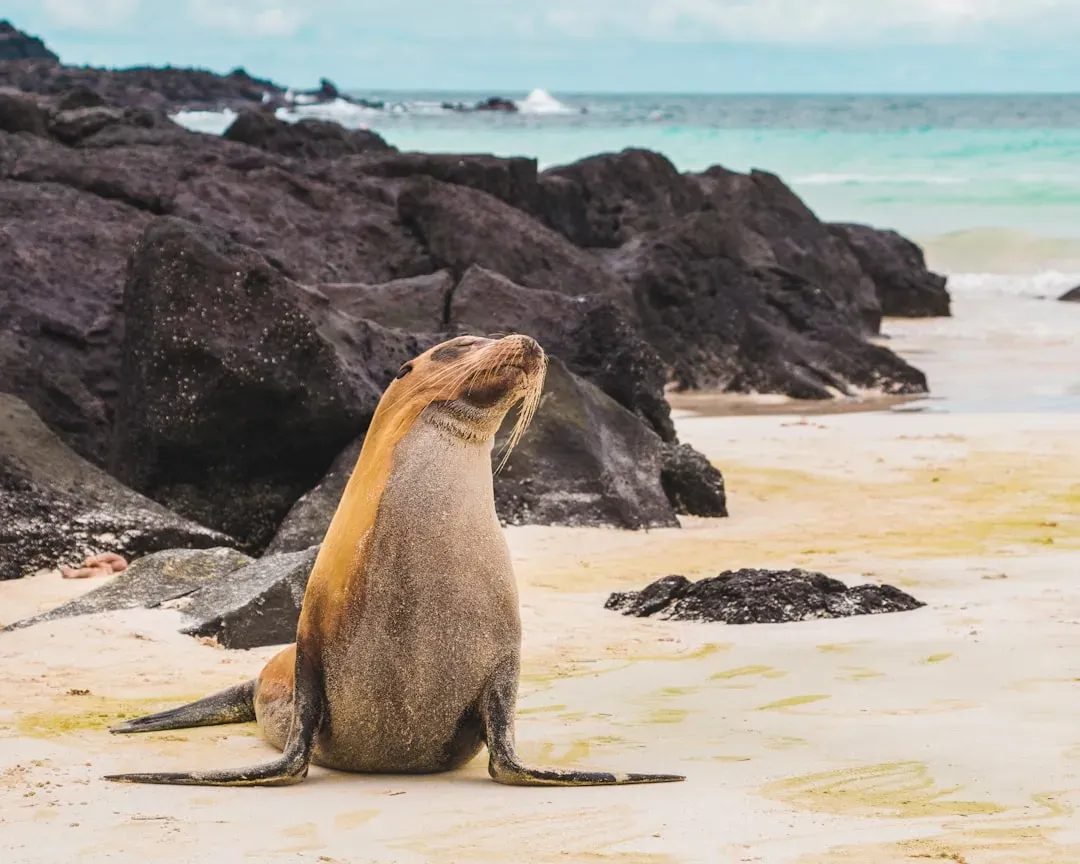
The Galápagos Islands have experienced a 260% increase in tourism arrivals over the past two decades while attempting to enact a more sustainable transition. The result is an archipelago caught between its global reputation as a biodiversity sanctuary and the real costs of sustaining it. Tourism generates funds and provides the local community with an economic motive to care for wildlife, but it also brings negative impacts including carbon emissions, over-use of resources, waste management issues, pollution, and the introduction of non-native species.
Ecuador battles invasive species, resource shortages, and ecological disruption in the Galápagos Islands. In a bid to slow the pressure, from August 2024, visitors from most countries are required to pay $200, up from $100. The Ecuadorian archipelago became the latest destination to crack down on overtourism with a hike in the tourist tax. Whether pricing alone can protect something as fragile as the islands’ ecosystems remains very much an open question.
3. Salar de Uyuni, Bolivia – Tyremarks Across an Irreplaceable Surface
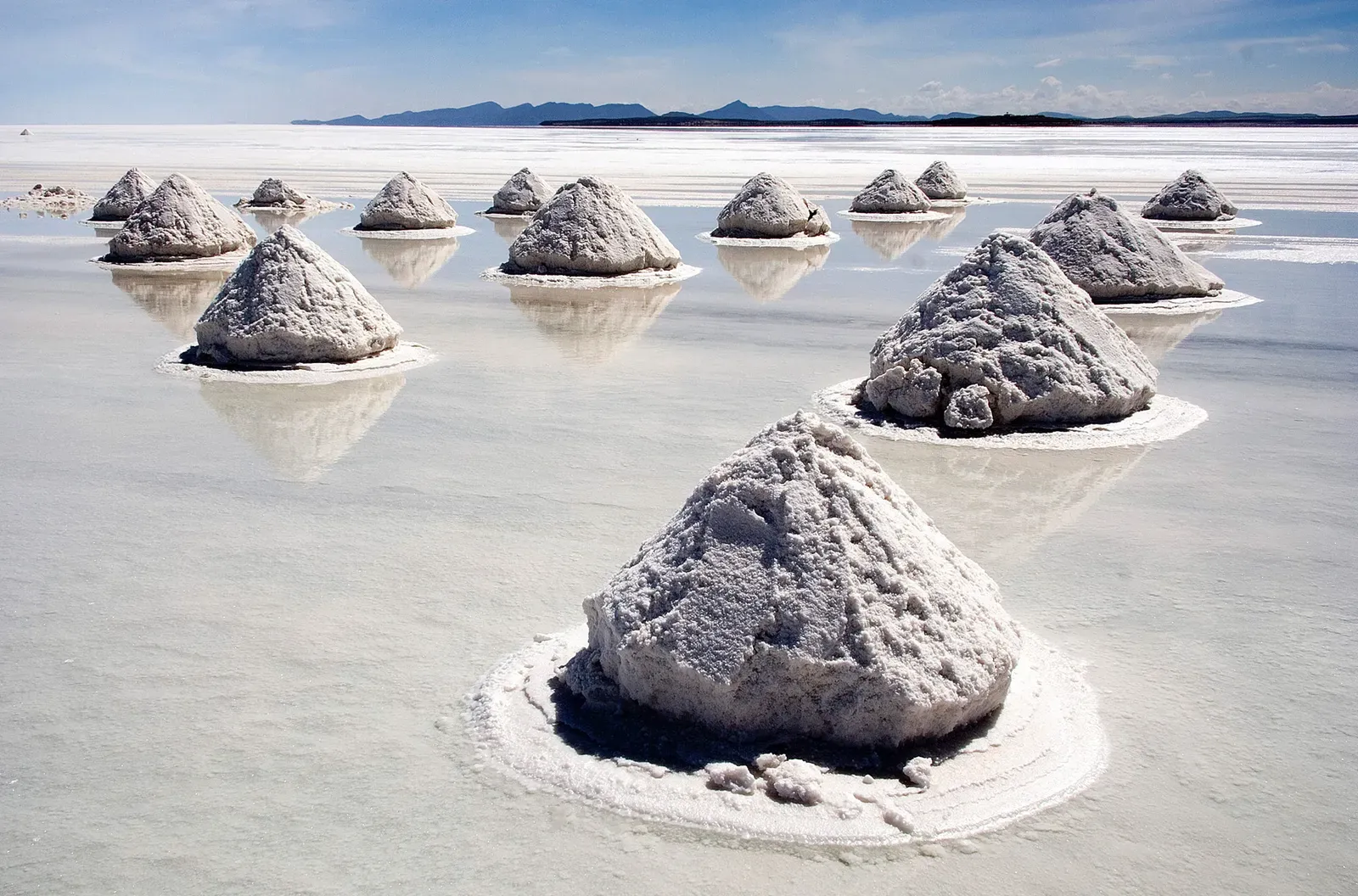
Salar de Uyuni, the world’s largest salt flat, is a place of surreal beauty. Its blinding-white expanse stretches beyond the horizon, while during the rainy season, a thin sheet of water turns it into a flawless mirror reflecting sky and clouds in perfect symmetry. This otherworldly scenery has made Uyuni an international phenomenon, especially on social media.
This growing popularity comes at a heavy cost. Thousands of vehicles drive across the salt crust each year, leaving tyre marks that fracture its delicate surface. Uyuni stands as a stark reminder that environments shaped over millennia can be damaged in years without thoughtful management. The salt flat requires no admission fee and has very limited visitor controls, meaning almost anyone with a 4×4 and a camera phone can roll directly across its ancient surface.
4. Easter Island (Rapa Nui), Chile – A Sacred Place Running Out of Room
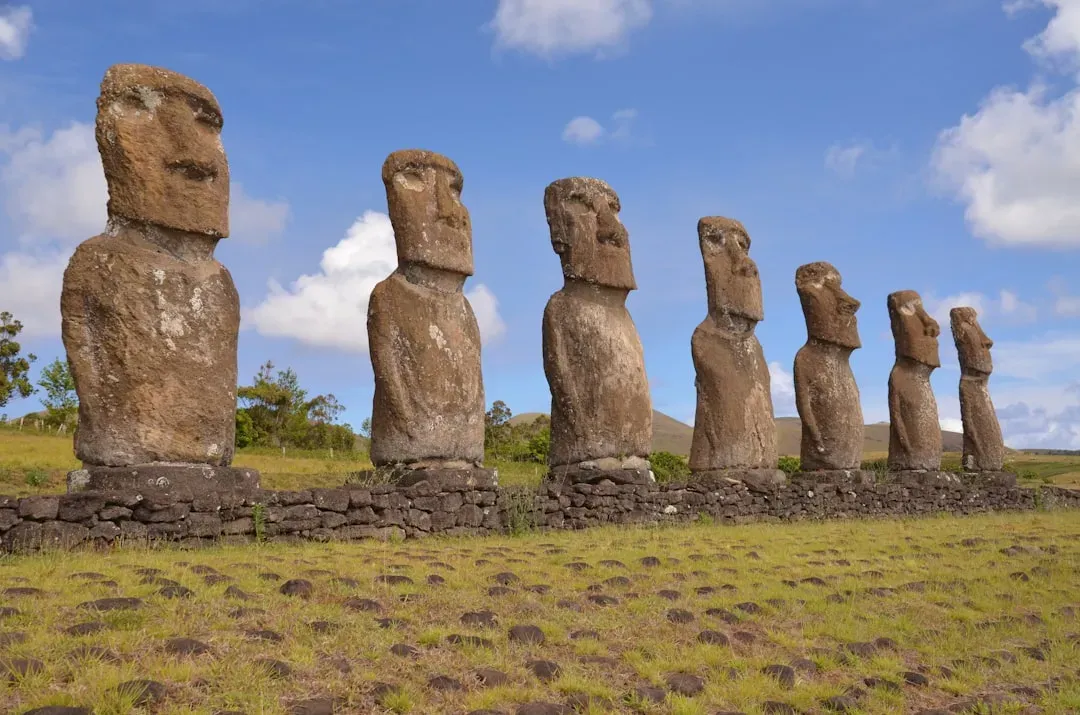
Chile confronts escalating damage to the sacred moai of Easter Island. Rapa Nui, as it is known to its indigenous inhabitants, is one of the most remote inhabited places on the planet. That remoteness once protected it. Now it draws visitors precisely because of its isolation, and the island’s capacity to absorb that interest is severely limited. The Galápagos and Rapa Nui share many challenges around overtourism, as recognized at the 2024 Pacific Leaders’ Summit.
The island has only a small permanent population and a single main road. Infrastructure for waste management, water supply, and transport simply wasn’t designed for mass tourism. Local Rapa Nui communities have long argued that the cultural and spiritual significance of the moai statues demands a level of reverence that current visitor numbers make nearly impossible to maintain. Entry fees and visitor caps have been discussed for years, but enforcement remains inconsistent.
5. Iguazú Falls, Argentina and Brazil – Majesty Overwhelmed by Volume
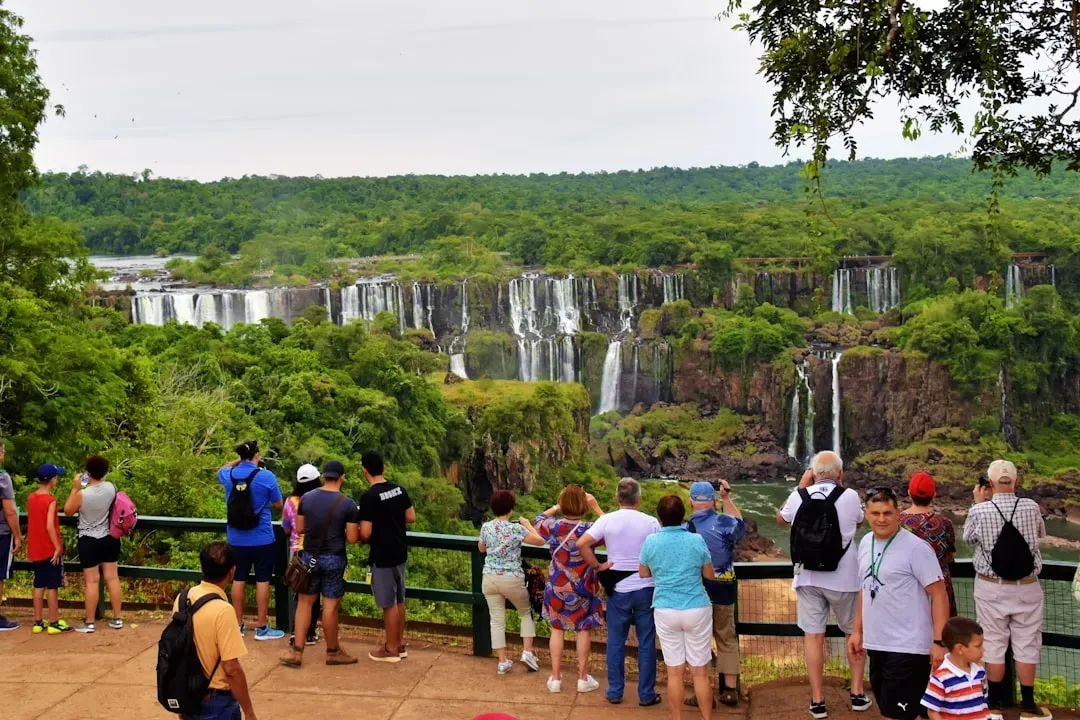
Brazil and Argentina struggle with congestion and ecological stress around Iguazú Falls. One of the world’s most spectacular natural sites sits at the border between the two countries, drawing visitors from every corner of the globe. The falls are vast, yes, but the walkways and viewing platforms are finite, and on peak days the experience for many visitors resembles a crowded theme park more than a wilderness encounter.
Signs of strain are unmistakable, with stressed rainforests around Iguazú. When overtourism sparks rapid transformation, communities feel the pressure. Traditional livelihoods shift. Local identity becomes commercialised. Costs rise faster than wages. The towns on both sides of the border have expanded quickly to service tourism demand, and the buffer zones meant to protect the surrounding Atlantic Forest are increasingly under pressure from development.
6. Patagonia, Argentina and Chile – The Paradox of Seeking the Untouched
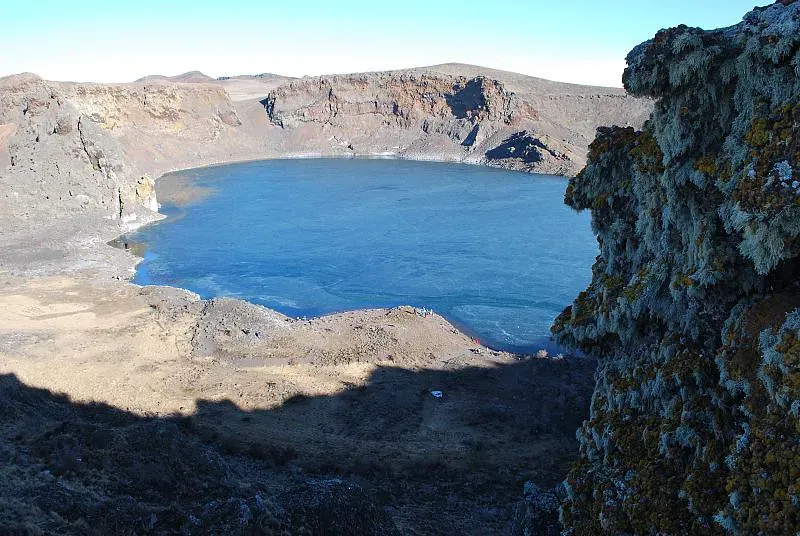
Patagonia now exemplifies the paradox of adventure tourism: the more people seek untouched landscapes, the faster those landscapes lose their untouched character. Torres del Paine in Chile and Los Glaciares in Argentina draw trekkers, photographers, and wildlife enthusiasts in numbers that have grown dramatically over the past decade. Tourism brings employment and investment, but also rising prices, overcrowding, and a shift away from wilderness stewardship.
Polluted rivers in Patagonia are among the unmistakable signs of environmental strain sweeping through South America’s iconic natural regions. The W-Trek in Torres del Paine is now so booked out during high season that permits must be secured months in advance, and campsites that were once peaceful outposts have become small, crowded settlements. Local conservation groups have called for stricter daily limits and more mandatory off-season closures to allow the landscape to recover.
7. Cartagena, Colombia – A Walled City Straining at the Seams
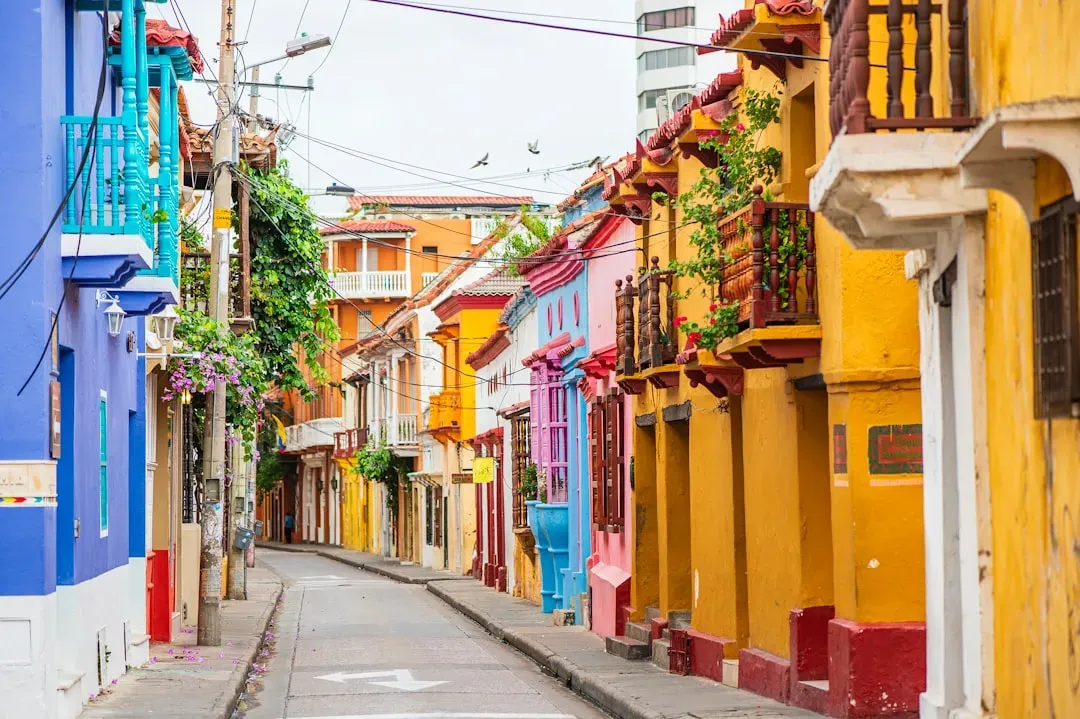
Cartagena’s colonial architecture, Caribbean beaches, and vibrant culture remain appealing, but rising tourist traffic has caused growing concern. Overcrowding in Old Town areas reduces accessibility to restaurants, attractions, and local neighborhoods. Some visitors experience inflated prices for accommodations and services due to popularity. Cartagena’s historical heritage and beaches attracted more than 855,000 international visitors in 2024.
Local authorities reported an unprecedented surge, with an estimated 1.6 million visitors expected to flood its streets by the end of the 2025 holiday season, between December and January alone. The cobblestone streets of the UNESCO-listed Walled City were simply not designed for that kind of volume. Long-time residents of the historic center describe streets that were once neighborhood gathering places now functioning primarily as photo corridors for tourists, with local commerce increasingly replaced by souvenir vendors and boutique hotels.
8. Medellín, Colombia – Innovation Hub Grappling With Its Own Hype
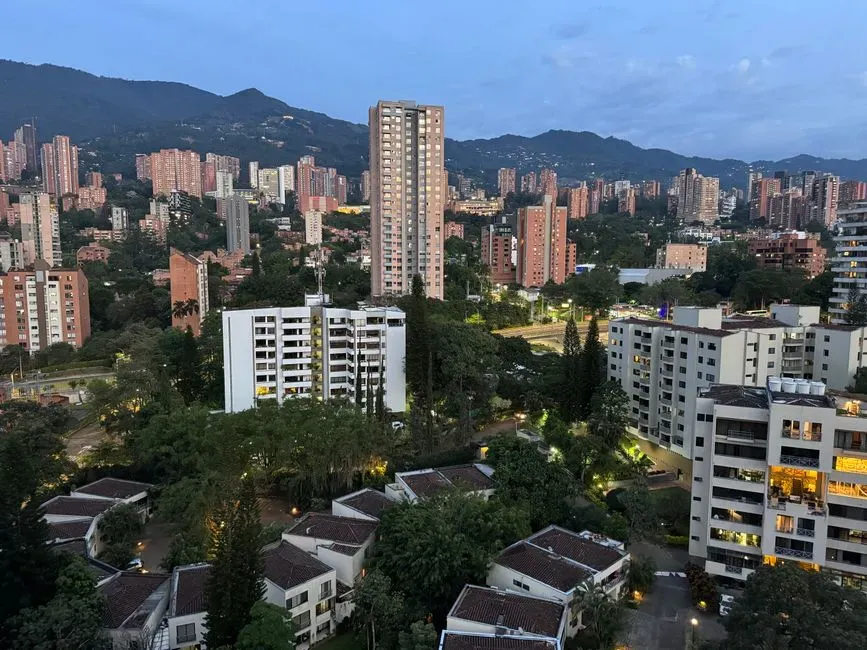
Once infamous, Medellín has reinvented itself as a cultural and innovation hub. Yet some travelers remain cautious due to lingering safety concerns. Over-tourism in popular neighborhoods like El Poblado can affect accessibility and local authenticity. According to the Mayor’s Office of Medellín, in 2024 there was an increase of over 23% in international tourism.
In 2010, there were around 5 hostels catering to foreign tourists in Medellín. Today there are well over 200, with a further proliferation of new builds geared exclusively toward digital nomads. That transformation happened in roughly fifteen years. For many residents of El Poblado and Laureles, neighborhoods that tourism absorbed almost entirely, the speed of change is the problem. Rising rents, noise, and the rebranding of daily life into a backdrop for visitor experiences are frictions that locals describe openly. The city’s remarkable reinvention deserves recognition, but it is worth asking who the reinvention was ultimately for. Overtourism in iconic locations, rising accommodation costs, and pressure on local resources have become flashpoints. Some cities already report strain on public services during peak tourist weeks. Across all eight of these destinations, that same pattern keeps appearing. The challenge now is whether governments, communities, and travelers can agree on what sustainability actually looks like before the things that made these places worth visiting are altered beyond recognition.



Leave a Reply