
Can we skip the history and just get to the photo spot?

Guides spend years learning the layered stories behind a monument, a neighborhood, or a piece of architecture, only to have a guest ask them to fast forward straight to the selfie moment. It’s a request that quietly undercuts the entire purpose of hiring a guide in the first place. Context is what separates a guided tour from simply walking around with a map, and skipping it turns the experience into a photo op with narration attached.
This request has become more common as social media shapes how people plan travel, with visitors arriving already knowing exactly which angle or backdrop they want. Guides often try to weave in a shortened version of the history anyway, hoping something sticks even if the group is impatient. It rarely feels great to condense centuries of context into a ten-second soundbite just so someone can move on to the next shot.
Requests to alter the route for a personal errand

Occasionally a guest will ask if the group can make a quick stop at a pharmacy, a specific shop, or even a friend’s apartment, treating the tour like a private taxi service. Guides typically operate on tight schedules tied to opening hours, ticket time slots, or transportation connections, so a detour isn’t as simple as it sounds. Saying no without sounding rude requires a delicate touch, especially when the request comes from someone who genuinely doesn’t realize the disruption it causes.
Group tours in particular carry the added complexity of fairness, since one person’s errand affects everyone else’s experience and timing. A guide who bends the schedule for one guest risks upsetting the rest of the group, who paid for the same itinerary. It’s a small ask on paper but a logistical headache in practice.
Asking for a discount mid-tour

Negotiating the price after the tour has already started puts guides in an uncomfortable spot, since the transaction was typically settled beforehand through a booking platform or agency. Some guests use complaints about pace, weather, or crowd size as leverage to ask for money back on the spot, even when none of those factors are within the guide’s control. It’s an awkward position because guides often don’t have the authority to issue refunds themselves.
Many tour companies operate on commission structures where the guide sees only a portion of the total fee, meaning a spontaneous discount could come directly out of their own pocket. Guides are left explaining policies that were never theirs to write in the first place. The mid-tour haggling rarely ends well for anyone involved.
Ignoring safety instructions in favor of a better view
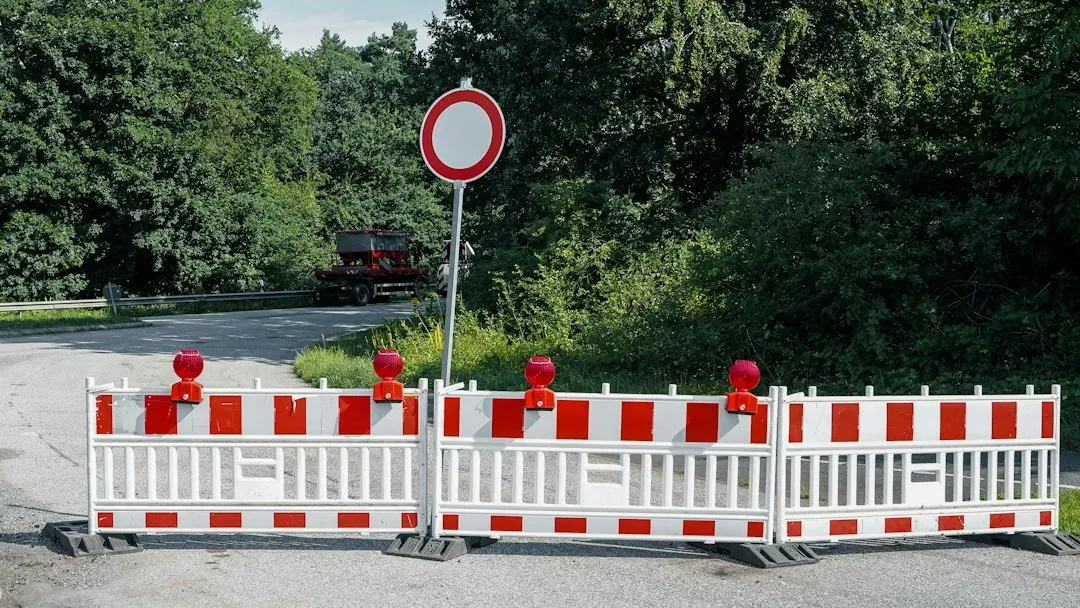
Whether it’s leaning over a barrier at a cliffside lookout or wandering off a marked trail for a clearer photo, guests occasionally treat safety guidance as optional. Guides are trained to spot these risks quickly, partly because liability concerns are real and partly because they’ve likely seen close calls before. Popular sites like overlooks in national parks or historic ruins often have specific rules precisely because visitors have been injured ignoring them in the past.
The tension here is that guides want guests to have a memorable experience, but not at the cost of an actual emergency. Repeating the same safety reminder to every group can start to feel routine, yet the one time it’s skipped is usually the one time something goes wrong. It’s a balancing act between being firm and not coming across as overly strict.
Comparing everything to home

A specific type of guest spends much of the tour drawing constant comparisons to their own country, city, or culture, often in a way that diminishes what’s actually in front of them. Comments like insisting a local landmark isn’t as impressive as something back home can be exhausting to field repeatedly throughout a single day. Guides are there to illuminate a place on its own terms, not referee a running competition between destinations.
This pattern tends to show up more with first-time international travelers who haven’t yet adjusted to experiencing a new culture without a home-country filter. It’s not malicious, usually, just a habit of processing the unfamiliar by measuring it against the familiar. Still, it can flatten what should be an open, curious experience into a series of unfavorable comparisons.
Requests to skip paying entrance fees by sneaking in
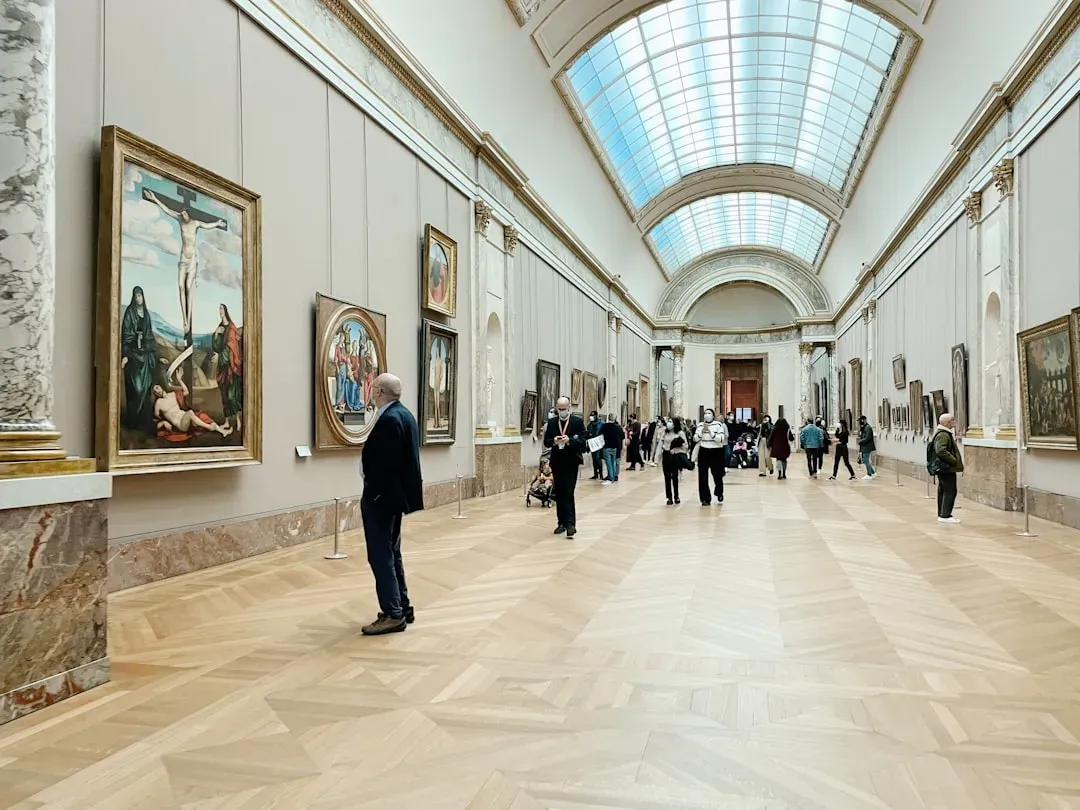
Some guests, hoping to save a modest amount of money, ask their guide about ways to bypass entrance fees at museums, historic sites, or attractions. This puts guides in a genuinely difficult position, since suggesting anything illegal or against site policy could jeopardize their professional license or the tour company’s standing with that location. Many cultural sites, especially in cities like Rome or Paris, actively monitor for exactly this kind of behavior and can bar entire tour groups if a guide is caught facilitating it.
Beyond the legal risk, there’s a fairness issue, since entrance fees typically fund preservation and maintenance of the very sites people are visiting. Guides who refuse these requests are sometimes met with frustration, as if declining were a personal failure rather than a professional boundary. It’s one of the clearer lines that most guides simply won’t cross, regardless of how the request is framed.
Wanting constant photos taken of them, one after another
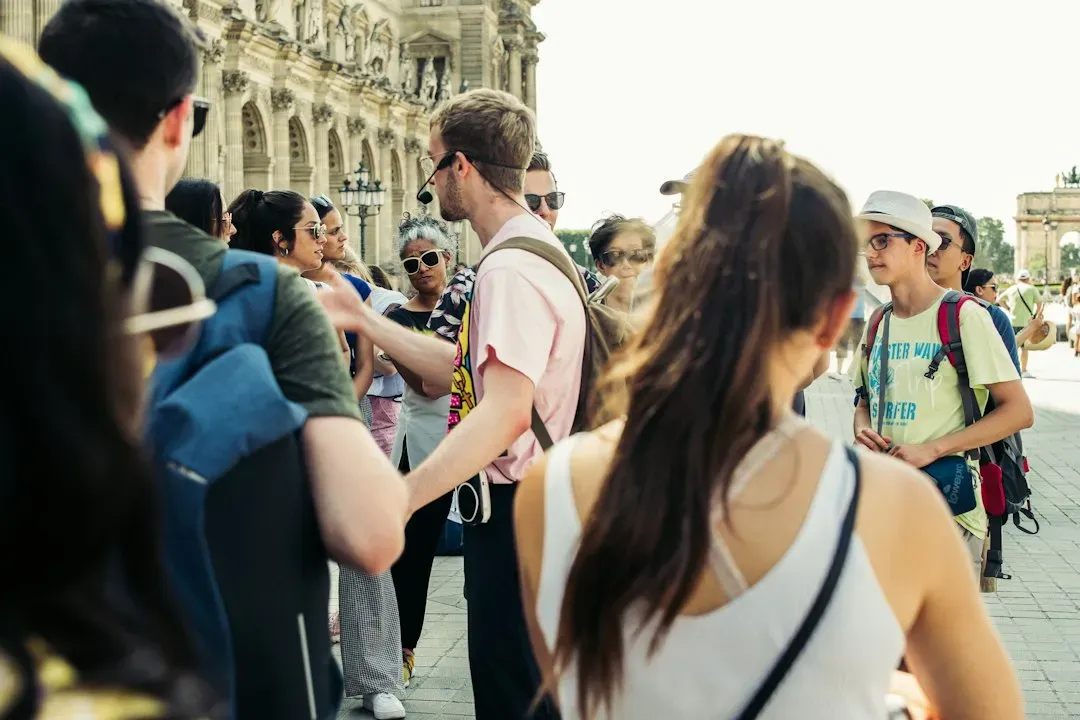
A guide’s job includes some amount of photo assistance, but a subset of guests turn this into an ongoing task throughout the entire tour, requesting retakes at nearly every stop. What starts as a quick favor can eat into the limited time allotted for the actual tour content, especially on itineraries with several stops packed into a few hours. Guides end up half-narrating, half-photographing, and neither task gets full attention.
The frustration isn’t about helping guests capture memories, which most guides are happy to do. It’s the sheer volume and repetition, sometimes dozens of shots at a single location, that eats into everyone else’s experience. Group tours especially suffer when one person’s photo session becomes the pace-setter for the whole itinerary.
Asking guides to lie about historical facts for a better story
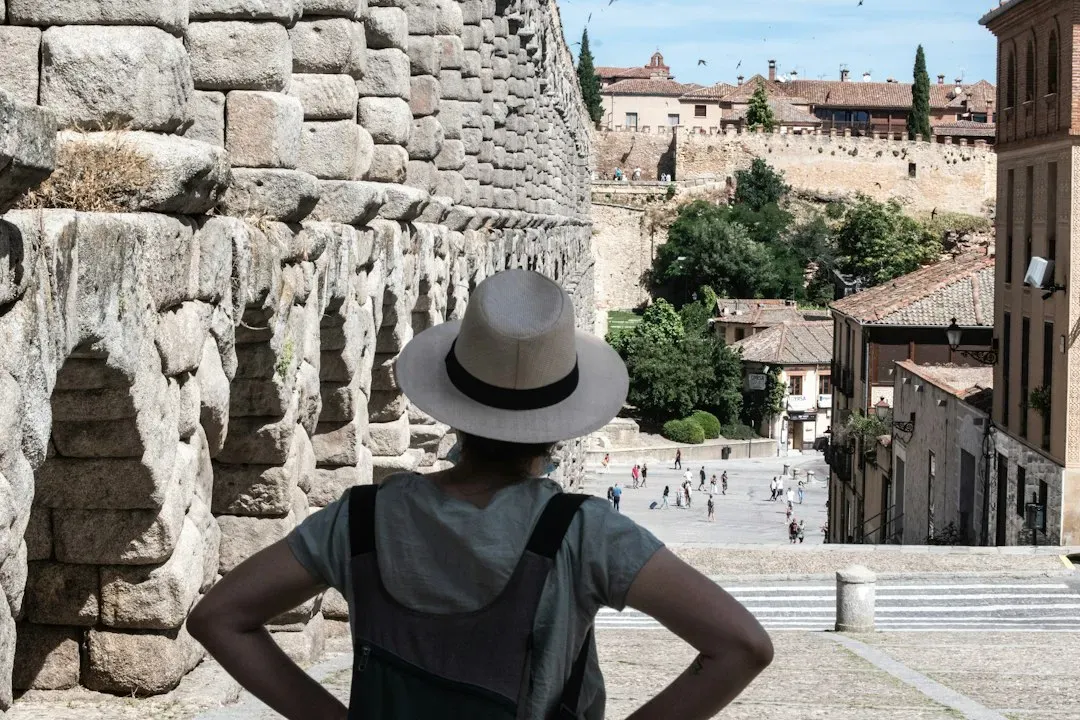
Occasionally a guest will push back on an accurate but less dramatic historical detail, essentially asking the guide to embellish or invent a more exciting version of events. This puts professional guides in an uncomfortable spot, since their credibility rests on accuracy, not entertainment value. Licensed guides in cities with strict certification requirements, such as many destinations across Europe, are specifically trained to correct popular myths rather than perpetuate them.
The request often comes from guests who’ve absorbed exaggerated versions of local legends from movies, novels, or unreliable online sources beforehand. Correcting these misconceptions gently, without embarrassing the guest, takes practice and patience. Still, most guides would rather tell an accurate but modest story than knowingly spread fiction just to keep an audience entertained.





Leave a Reply