
Most pet owners have wondered about it at some point. You grab your keys, say goodbye, pull the door shut – and then what? What actually happens on the other side of that door? Thanks to indoor cameras, behavioral research, and a growing body of animal science, we now have a much clearer picture than we used to.
The short answer is that it varies enormously, by species, by individual temperament, and by how long you’ve been gone. Some pets settle quickly. Others enter a state of genuine distress within minutes. Understanding what your dog or cat is actually doing – and why – turns out to matter quite a bit for their wellbeing, and yours.
The First Few Minutes Are the Most Revealing
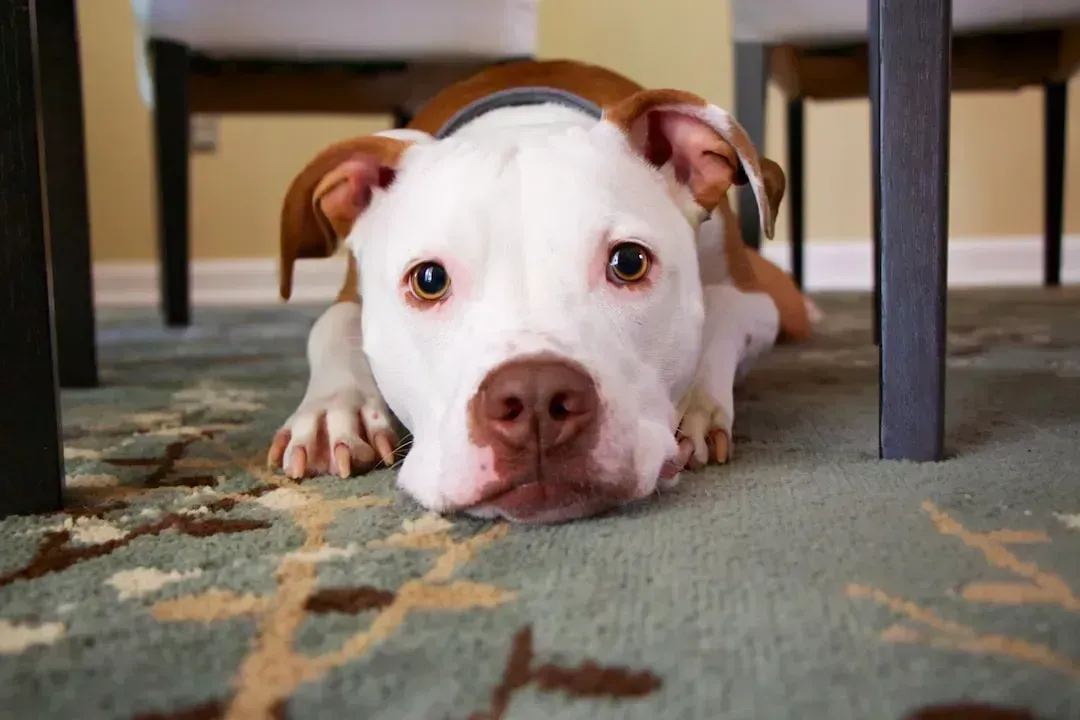
Usually, right after a guardian leaves, a dog with separation anxiety will begin barking and displaying other distress behaviors within a short time after being left alone – often within minutes. This early window is where you see the clearest split between a pet that’s coping and one that isn’t.
Research suggests that problem behaviors tend to begin shortly after the owner’s departure, with a latency of roughly three minutes for vocalization and about seven minutes for destructive behavior. So if something is going to go wrong, it typically goes wrong fast.
Dogs: What They Actually Do When You’re Gone

Dogs without separation-related behavior problems tend to be passive and inactive during their owner’s absence. They nap, they wait, and they do very little of note. That unremarkable quietness is, ironically, a sign of a well-adjusted animal.
Dogs that do struggle can develop separation-related behaviors such as barking or howling, pacing, toileting, or destroying household items when left without human company. These behaviors are not just inconvenient for owners – they’re also welfare concerns, because they indicate the dog is in a genuinely negative emotional state.
The Mischief List: What Research Actually Found

Research found that when left alone, pets are lying somewhere they’re not allowed (in nearly half of cases), urinating or defecating indoors (in roughly the same proportion), scratching at furniture (in over two fifths of cases), and chewing on clothing (in about the same share). These are the classic unsupervised behaviors that owners come home to.
More than two thirds of pet owners reported feelings of anxiety when away from their pets – which means the concern runs in both directions. It’s not just the animal that’s unsettled. The human on the other end of the door is often not doing much better.
What Cats Are Really Up To

Cats have a reputation for indifference, but the science paints a more nuanced picture. Research found that cats generally coped well with being left alone, but they were affected by the duration of separation, showing differences in behavior when the owner returned. The increased level of social contact initiated by cats after a longer period of separation suggests a rebound of contact-seeking behavior – implying the owner is a meaningful part of the cat’s social world.
A study published in PLOS One found that among cats showing separation-related issues, roughly two thirds displayed destructive behavior, about three in five showed excessive vocalization, and a similar proportion urinated outside the litter box. Cats living without other animals in the household were significantly more likely to develop these problems.
When It’s More Than Just Boredom: Separation Anxiety Explained
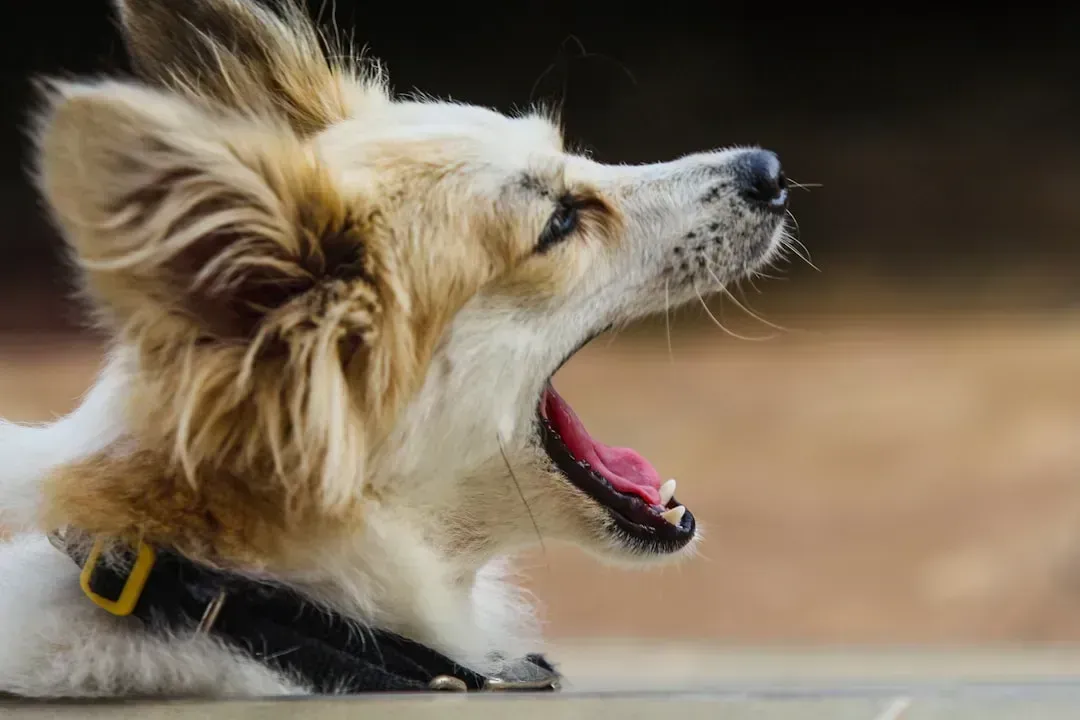
Separation anxiety describes pets that are usually overly attached or dependent on family members. They become extremely anxious and show distress behaviors such as vocalization, destruction, or house soiling when separated from their owners. It’s easy to mistake these behaviors for stubbornness or bad manners, but they’re rooted in something closer to panic.
Separation anxiety is a stress response a pet exhibits when they are away from the person they’re bonded to. One certified separation anxiety trainer has described a dog experiencing this condition as similar to a human having a panic attack. That framing shifts the whole conversation away from discipline and toward genuine support.
The Post-Pandemic Factor

The COVID-19 pandemic ushered in an era in which dog owners spent an unprecedented amount of time at home, fostering a deeper bond between humans and their pets. Yet the return to pre-pandemic routines introduced new challenges, with cases of canine anxiety jumping by more than seven hundred percent since the pandemic’s peak.
Many owners recognized that spending extra time with their dogs during lockdown may have negatively impacted the dog’s future ability to cope when left alone. Owners reported observing new undesirable behaviors in their dogs during this period, including barking and dogs being clingy or vocalizing when briefly left alone. The shift back to normal schedules was, for many pets, genuinely disorienting.
Reading the Predeparture Signals
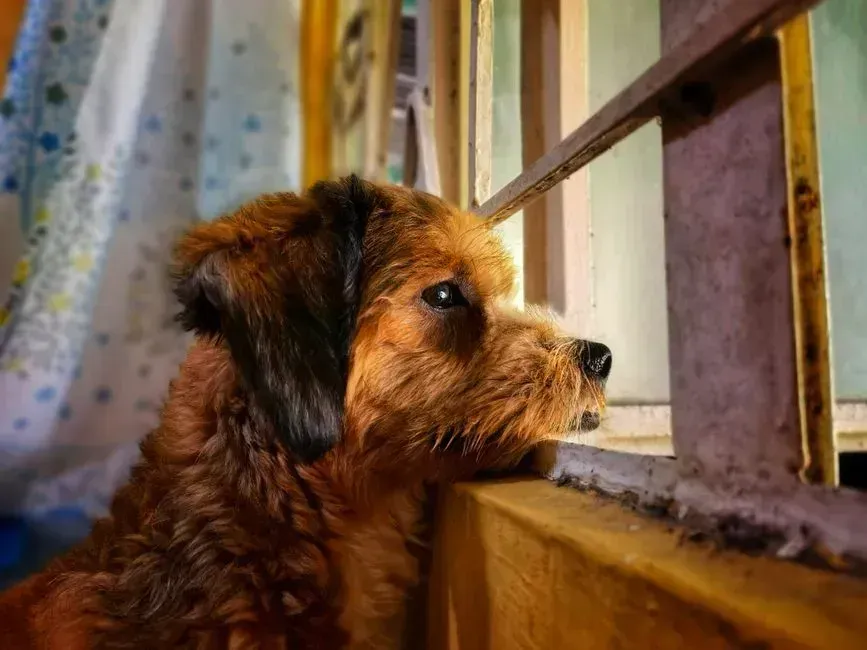
Most dogs with separation anxiety try to remain close to their owners and follow them from room to room. They often begin to display anxiety as soon as the owners prepare to leave – before the door even closes. Watching for these early cues is often the first step toward recognizing a real problem.
For example, a dog might start to pace, pant, and whine when he notices his guardian applying makeup, putting on shoes and a coat, and then picking up a bag or car keys. These departure rituals, so routine for the human, carry enormous emotional weight for the animal picking up every signal.
What It Actually Means When Your Pet Destroys Things

Pets with separation anxiety may urinate, defecate, bark, howl, chew, dig, or try to escape. Although these problems can look like poor training, they can also be symptoms of distress. When accompanied by signs of anxiety during the owner’s departure, they are not evidence of bad habits – they are indications of separation anxiety.
In almost all cases there is likely a genetic component, as some dogs simply aren’t programmed to cope very well with solitude. It’s important to remember that your pet is not trying to punish you by acting this way. The destruction is a symptom, not a statement.
How Long Is Too Long to Leave a Pet Alone?
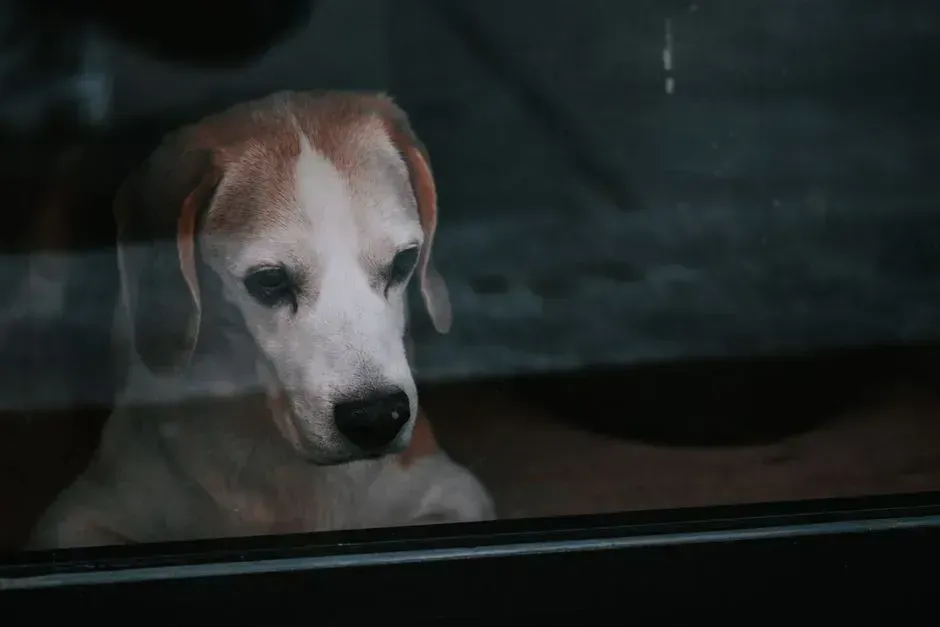
Adult dogs can usually be left alone for six to eight hours as long as they can access the outdoors safely. Puppies, by contrast, can only be left alone for roughly one hour for every month of their age, up until the six-month mark. Individual temperament matters too, and some dogs will struggle even with shorter windows.
Boredom typically affects young, energetic dogs who struggle when left to their own devices. If left alone for too long, especially when not exercised enough, these dogs may find their own entertainment – such as chewing table legs or raiding the rubbish bins. The behavior looks naughty. The cause is simply unspent energy with nowhere to go.
What You Can Actually Do About It
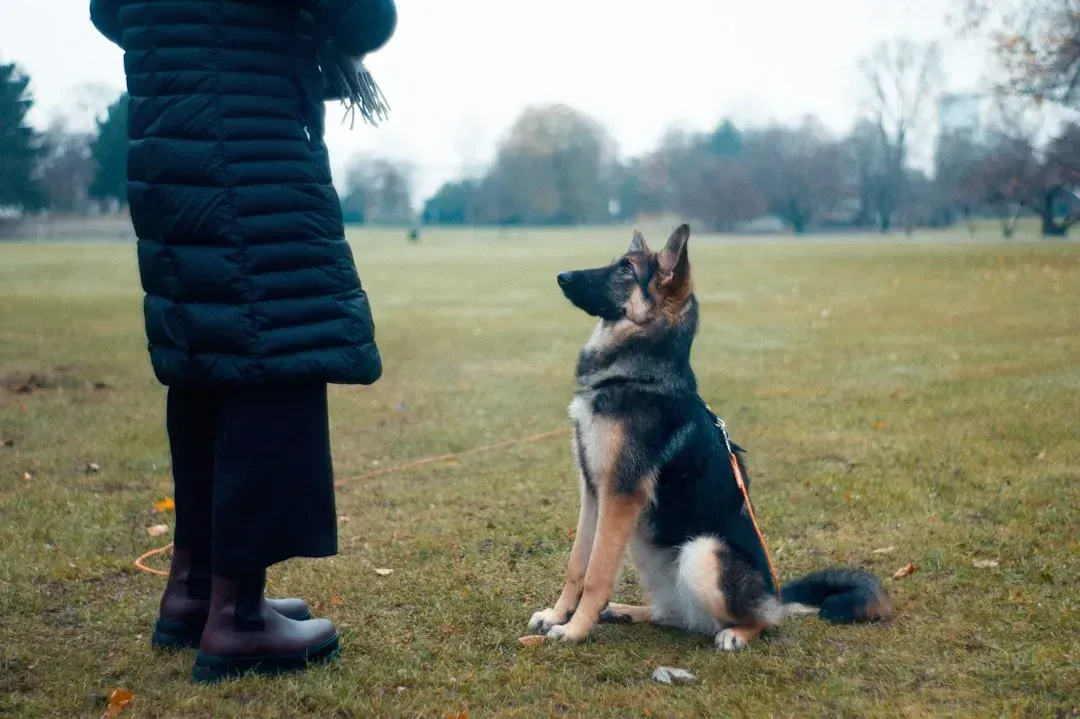
The most successful treatment for canine separation-related problems may be behavior modification that focuses on systematic desensitization and counterconditioning. The core idea is simple: you teach the animal that your absence is nothing to fear, by exposing it to very brief separations that don’t trigger anxiety, then building up slowly.
Trainers also stress the importance of desensitizing predeparture cues that are involved in the leaving routine, such as picking up your keys, putting on shoes, grabbing your bag, and opening the door. Giving your pet a high-value, long-lasting treat or a puzzle toy only when you leave helps create a positive association with your departure. Over time, your exit stops signaling danger and starts signaling something the animal can actually look forward to.
The takeaway for most pet owners is quieter than expected: your pet’s behavior when you leave is less about you, and more about whether they’ve learned that the world stays safe without you in it. That’s a learnable thing – for them, and with patience, for you.




Leave a Reply