
Why the classic subway tile lost its shine
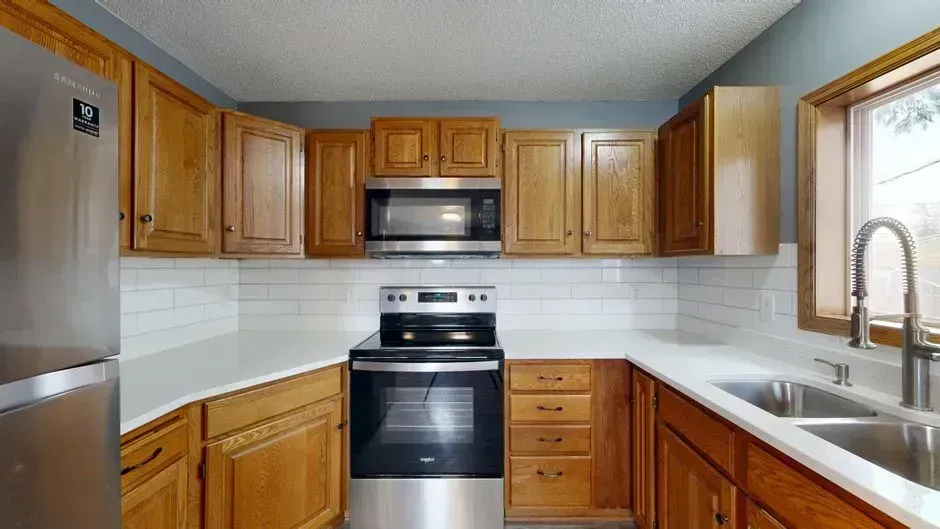
The core problem with subway tile was never quality. It was ubiquity. Subway tile backsplashes have been much loved for a while, but that’s just the issue. When something is everywhere, people quickly grow tired of it.
That fatigue has been building for years but hit a tipping point recently. Over-saturation is one of the easiest ways to kill a home design fad, and after subway tiles started popping up everywhere, they started feeling less trendy and more builder grade. Pair this with the push towards personality in design and away from outdated white kitchens, and it was only natural for this once-timeless backsplash to start falling out of favor.
Full height slabs are taking over the wall
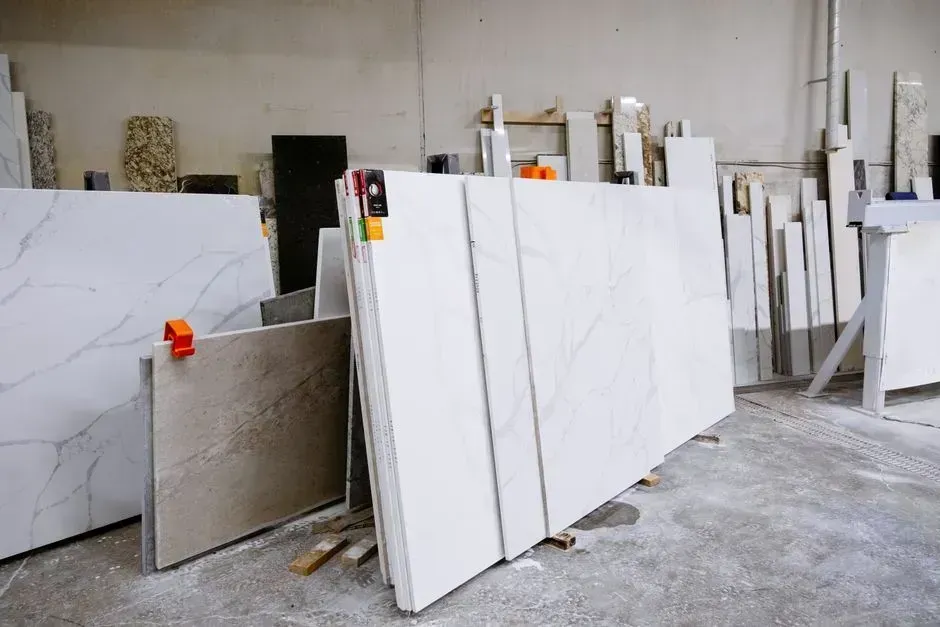
The single biggest shift in kitchen backsplashes right now has nothing to do with tile at all. Full-height slab backsplashes, meaning countertop-to-ceiling surfaces that flow seamlessly up the wall, are gaining traction, with homeowners increasingly drawn to clean, uninterrupted expanses that blur the line between counter and wall, creating a sense of continuity and understated sophistication.
Designers point to a practical upside as well as a visual one. Full-height slabs work especially well in open-concept kitchens, where the backsplash doubles as a visual anchor for the entire living area. Statement marble is one of the most favored choices for this look, though soapstone, stainless steel, or even copper works just as well.
Zellige tile brings texture back to the wall
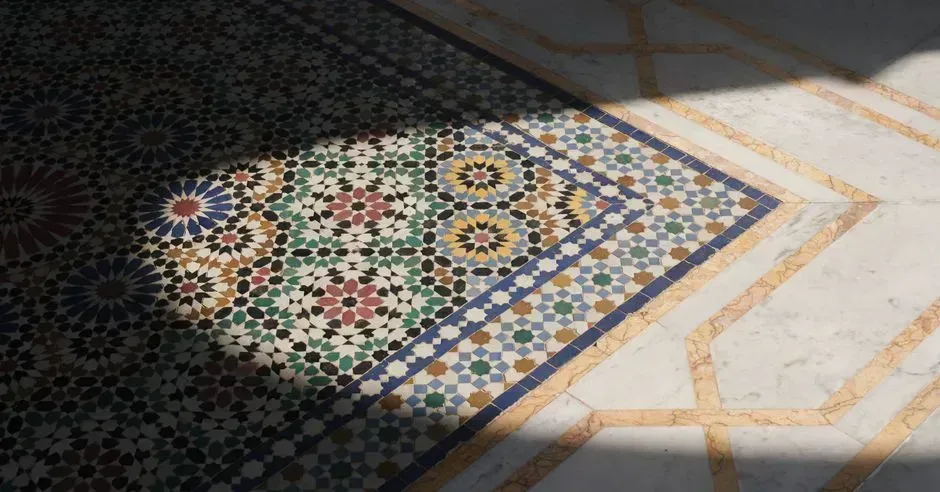
If any single material defines the anti-subway movement, it’s zellige. This handmade, Erin Napier-favored tile is making a comeback in 2026, and its appeal comes from exactly what subway tile lacks: irregularity. Zellige has been building momentum for a couple of years, and these handmade Moroccan clay tiles have a slightly uneven surface that catches light in a way factory-produced tile simply cannot replicate.
It isn’t a universal fit, though. The irregular, inconsistent look of Zellige tile limits its use, and some designers caution that its sudden popularity means it’s occasionally installed in kitchens whose style doesn’t really call for it. Buyers drawn to the look but wary of the upkeep are increasingly choosing zellige-look porcelain instead, which delivers a similar visual effect with an easier install.
Warm, earthy color palettes are replacing stark white
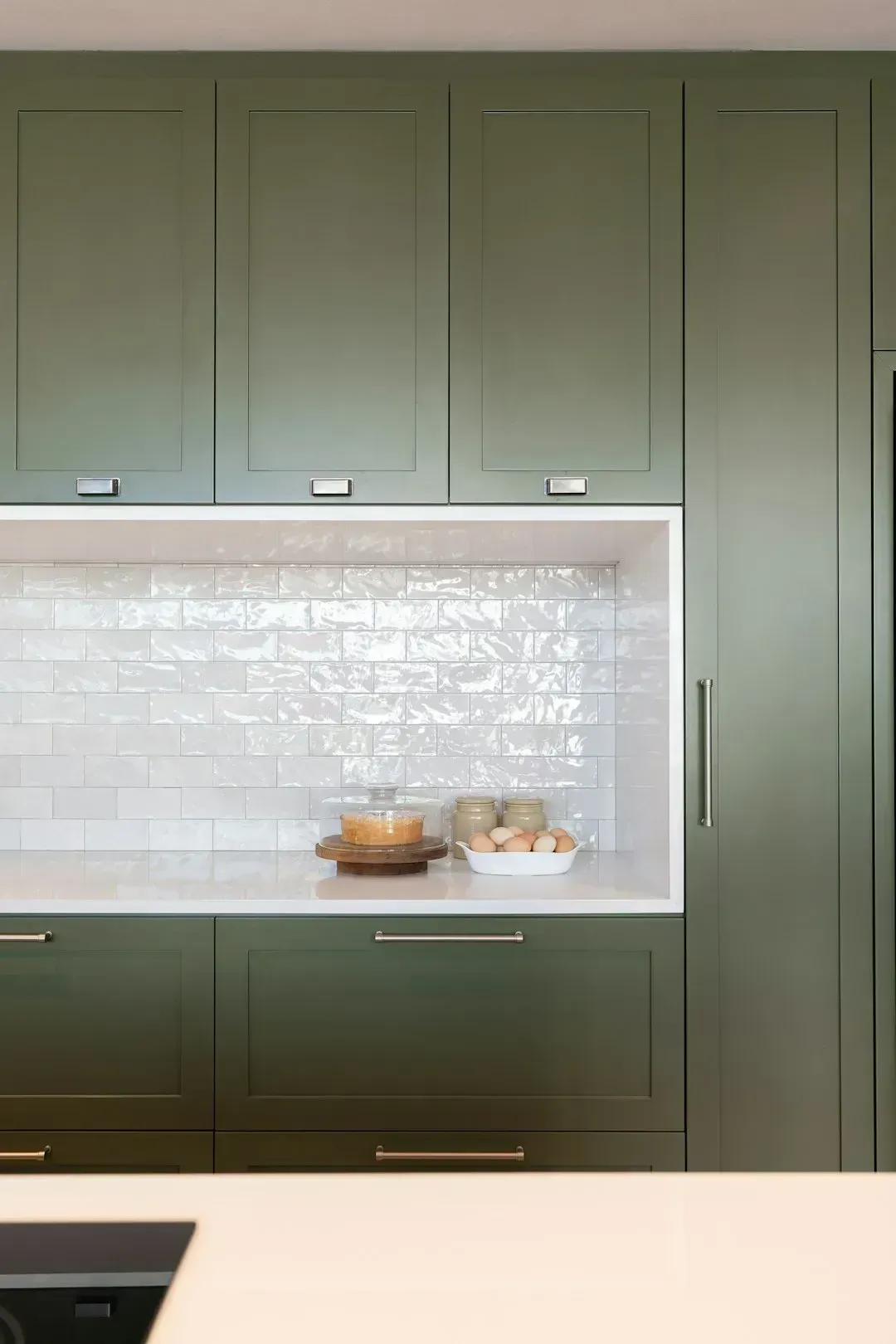
The all-white kitchen hasn’t disappeared, but it’s sharing space with warmer tones. Warm white, cream, taupe, sage green, soft blue, terracotta, and stone-look neutrals are strong backsplash colors right now.
Sage green in particular has staying power. It’s the color that defines the current backsplash scene, showing up beautifully in zellige, ceramic subway, and even glass tile formats, and it works because it’s versatile enough to complement both warm wood tones and cool white cabinetry. Designers say its staying power comes from its ability to feel both current and timeless at the same time.
Grout is disappearing into the background
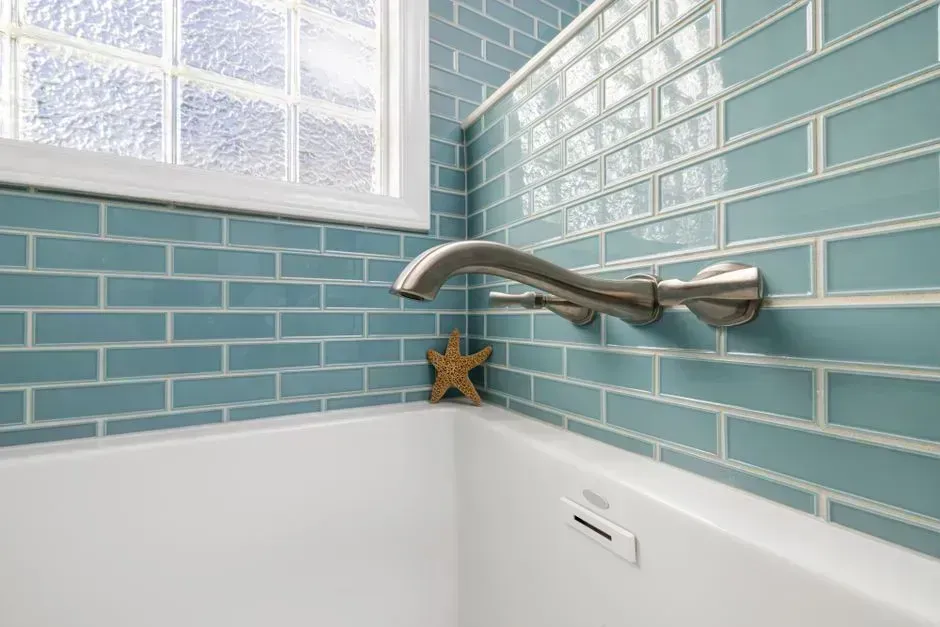
One quiet but telling shift involves grout, of all things. The high-contrast dark grout lines that once made subway tile pop are losing favor fast, because that kind of contrast makes the tile too grid-like, which can become visually busy and draw attention away from other statement pieces.
Designers are steering clients toward a subtler approach instead. Grout shouldn’t be a moment to make a statement; instead, homeowners should stick with grout that blends in with their kitchen’s tiles and let the tile itself do the heavy lifting. This is especially true when a statement material like zellige is already doing plenty of visual work on its own.
Square and larger format tiles offer a quieter alternative
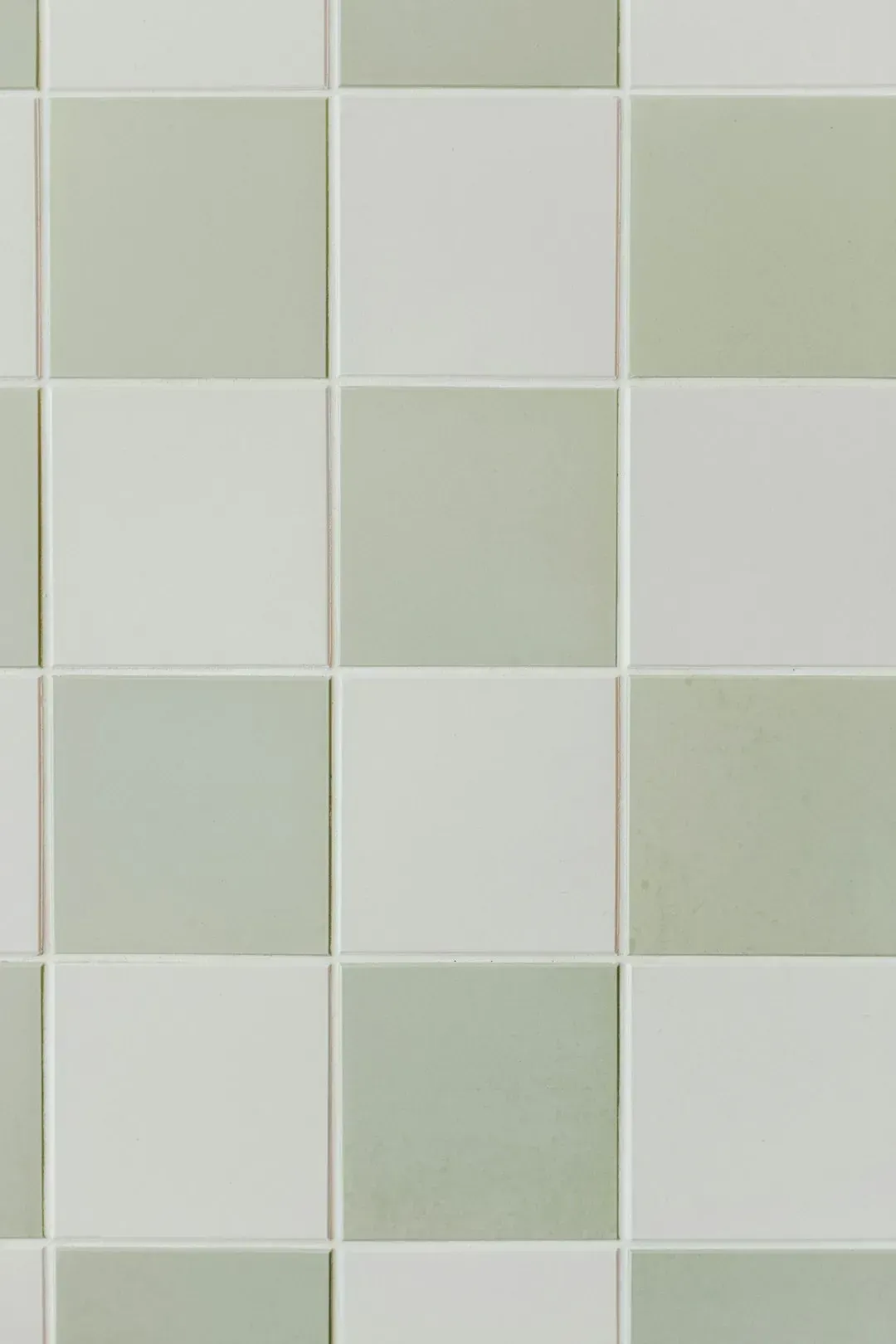
Not every kitchen wants a bold marble slab or textured zellige wall, and that’s where square format tile comes in. Square ceramic tile has returned because it feels simple, honest, and graphic without being loud, and a 4-by-4 or 6-by-6 grid can make a backsplash feel calmer than subway tile, especially when the grout color closely matches the tile.
What makes this option appealing is its flexibility across styles. The look works in both modern and traditional kitchens. In a modern kitchen, a square grid can echo flat-panel cabinets and slab counters, while in a cottage or old-house kitchen, it can feel more modest and timeless than a high-contrast pattern.
Vertical and herringbone layouts give a familiar shape new life
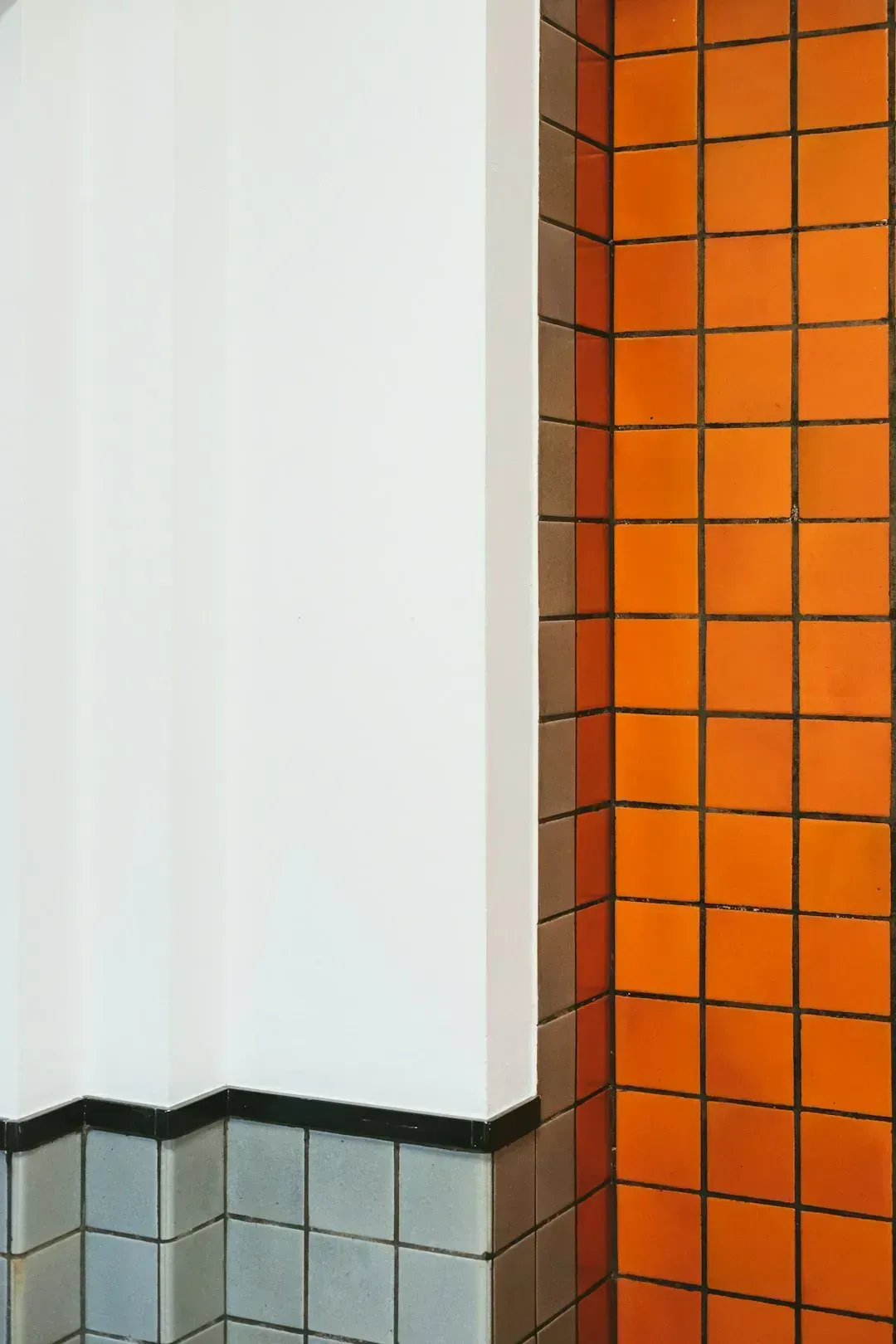
Some homeowners still love the rectangular subway shape but want to escape the predictable stacked pattern. The fix many are landing on is a change in orientation rather than a change in material. Installing rectangular tiles vertically rather than horizontally instantly creates the illusion of increased headroom, and with elongated tiles placed vertically, a kitchen can visually gain several inches of perceived height.
Herringbone is having its own moment for similar reasons. By embracing a new herringbone arrangement rather than the classic end-to-end look, some designers are predicting that subway tiles might see a revival. This style of tiling works well with both half tiles and brick style tiles, and while the layout may look complex, it can be achieved when prepared and planned correctly.
Hand painted and specialty tile add a personal signature
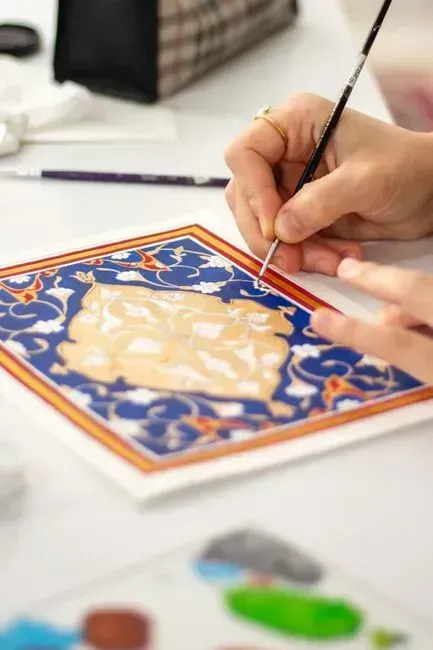
For buyers who want their kitchen to feel distinctly theirs rather than a repeat of a neighbor’s renovation, hand painted tile has become a go-to option. Designers are seeing more clients open to strong statements through hand-painted or specialty tile, with subway tile no longer treated as the default choice.
The trick is knowing where to use it. The best placement is often controlled rather than wall-to-wall, so hand-painted ceramic tends to go behind the range, inside an alcove, around a coffee bar, or across one short backsplash run, giving the tile enough presence without overwhelming the room. It’s a way to get personality into the kitchen without committing to an entire wall of a bold pattern.
Backsplash height is getting a second look
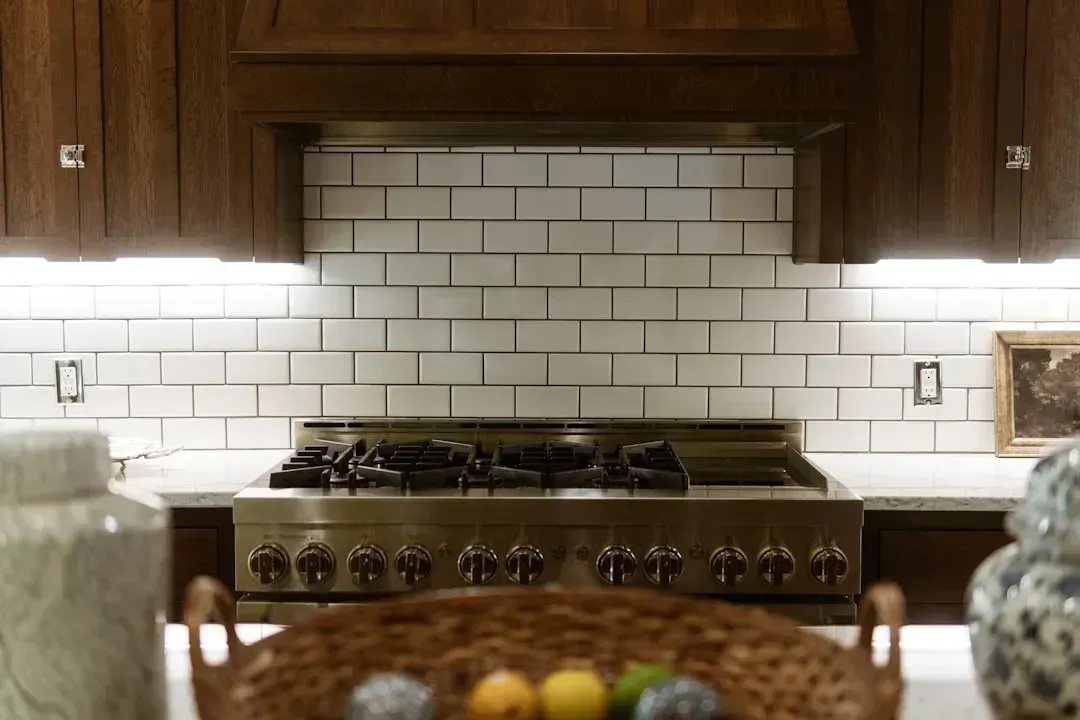
It isn’t only the tile itself under review. The standard four inch or eighteen inch backsplash height that left a strip of bare painted wall above the counter is also falling out of step with current taste, as the height of kitchen backsplashes is now under scrutiny alongside patterns and materials.
That scrutiny is part of what’s fueling the full-height slab and tile trend described earlier. Rather than stopping short and leaving a gap for paint, more buyers want the surface to run uninterrupted from countertop to cabinet, or even higher. It’s a small dimensional change, but it noticeably shifts how finished and intentional a kitchen feels.
Subway tile isn’t gone, but it’s no longer the default
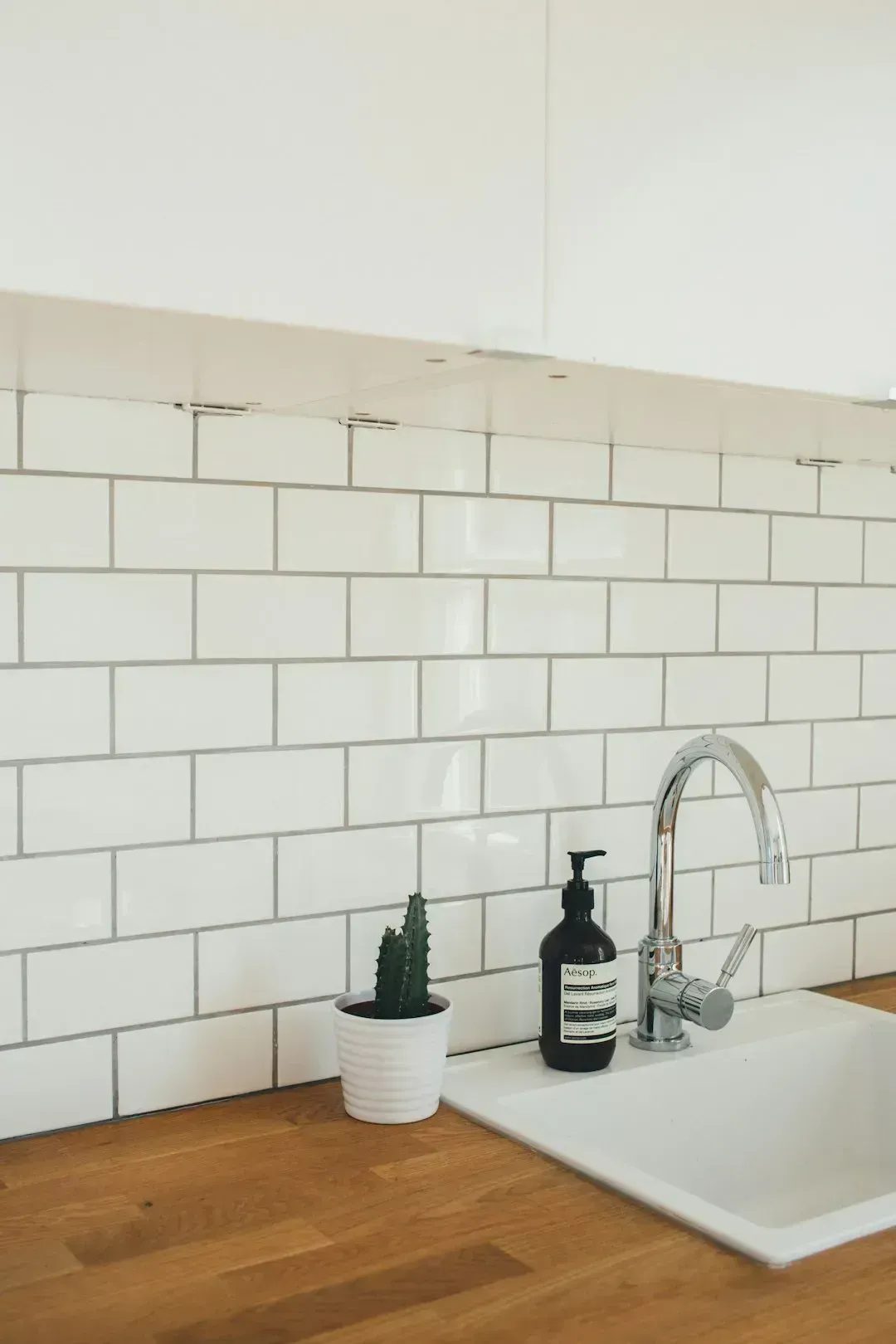
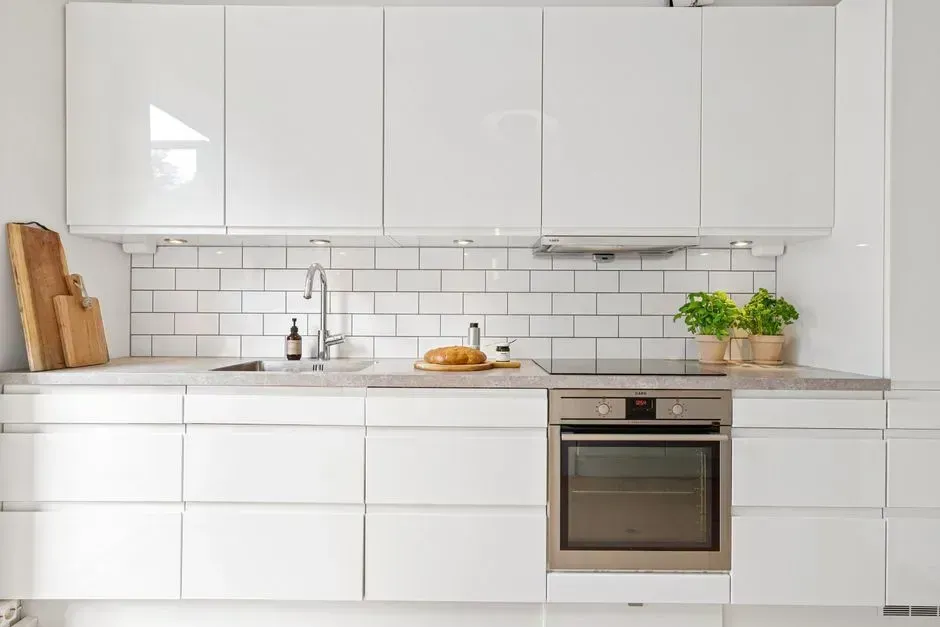
It’s worth being clear about what this shift actually means, because subway tile hasn’t vanished from kitchens and probably never will. It is too useful, too adaptable, and too familiar to vanish completely, but it is no longer the automatic answer for every backsplash.
What’s changed is the assumption behind it. More homeowners want a kitchen that feels personal, layered, and specific to the home, not like the same white rectangle repeated from one renovation to the next, and designers are responding with backsplash choices that still perform well in cooking zones but bring more texture, color, scale, and craft into the kitchen. For buyers who still love the shape, the workaround is simple: choose a subway-style tile with texture, glaze, or an irregular edge rather than the flat, glossy, perfectly uniform version that defined the last two decades.
The takeaway for renovation planning





Leave a Reply