
That container of last night’s dinner sitting in your fridge might seem innocent enough. You figure you’ll reheat it tomorrow, maybe the day after. Maybe you’ll toss it in the freezer for later. Millions of families do this daily without thinking twice. Yet certain foods break all the rules when it comes to safe leftover storage, and we keep making the same mistakes over and over.
Let’s be real, nobody wants to waste food. Still, some leftovers aren’t meant to stick around, and others should never see the inside of a freezer. What’s more shocking is how often we mix incompatible foods together, creating the perfect environment for bacteria to throw a party. Here’s what you need to know about the leftovers that deserve a one way trip to the trash.
Cooked Rice That Sat Out Too Long
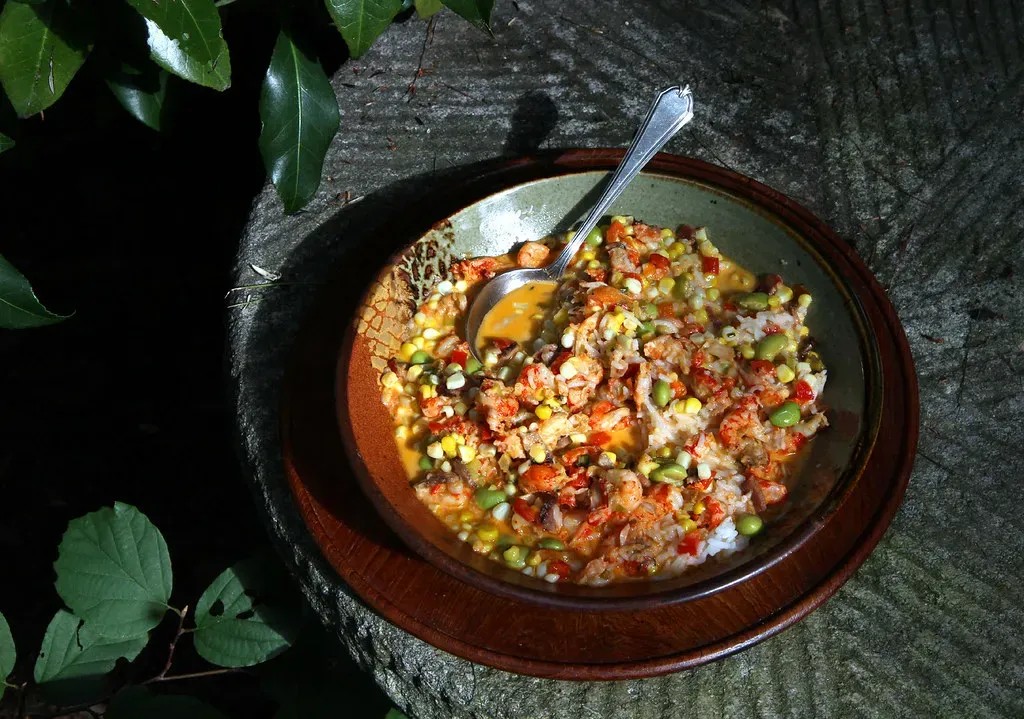
Bacillus cereus, a spore forming bacteria, causes what experts call reheated rice syndrome. This isn’t some made up scare tactic. The Centers for Disease Control and Prevention estimates Bacillus cereus causes 63,000 annual cases of foodborne illness in the United States, though many cases go unreported because symptoms typically resolve on their own.
The spores can survive cooking and reheating because the toxins are heat resistant. In the right conditions, a colony of B. cereus can double in size every 20 minutes at around 86 degrees F. If rice has been out of the fridge for up to two hours, it’s safe to put it back, but if it’s been out for longer than four hours, it starts to become a risk. Once rice cools after cooking, get it in the fridge quickly or just toss what you won’t eat immediately.
Leftover Pasta Mixed With Raw Vegetables
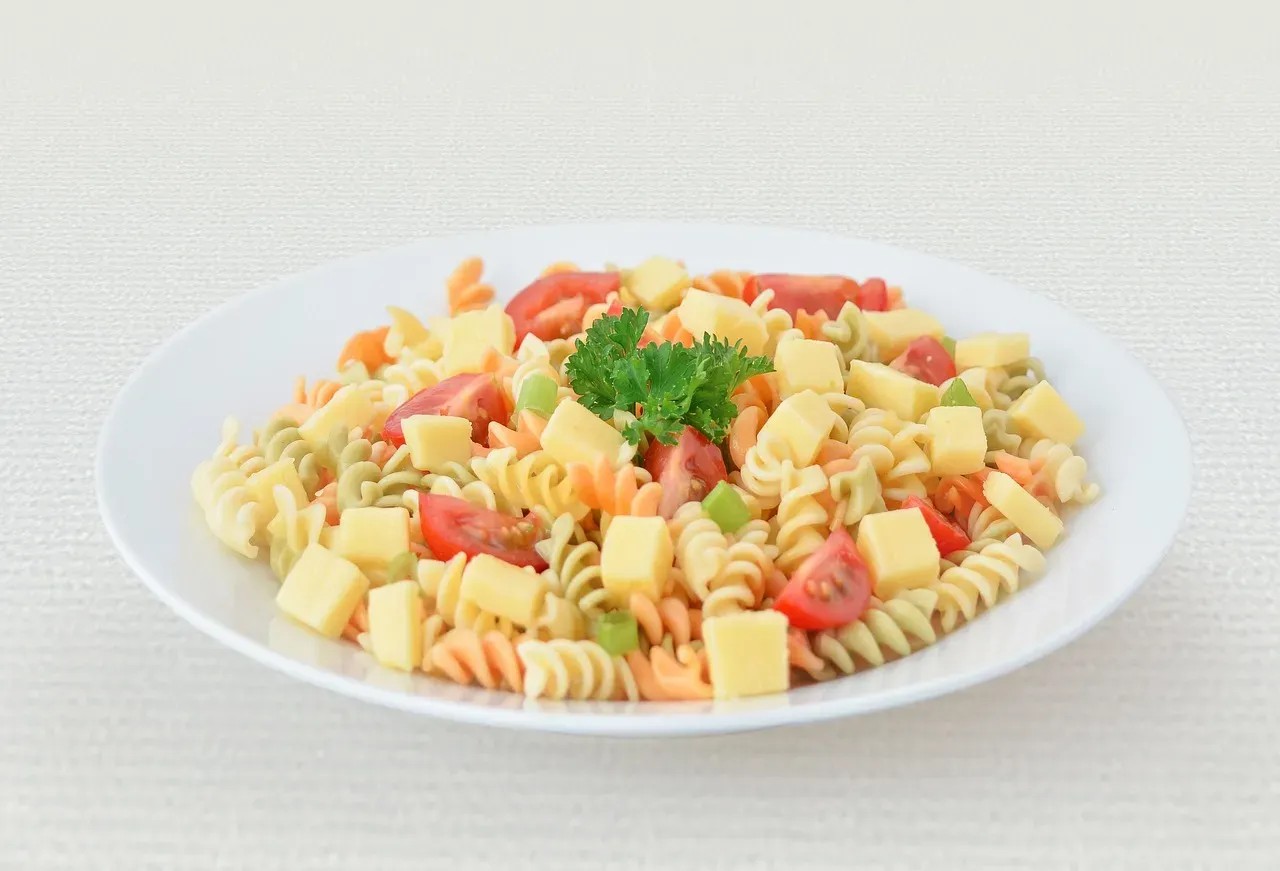
Cross contamination happens faster than most people realize. Cross contamination is the transfer of harmful bacteria to food from other foods, cutting boards, and utensils and it happens when they are not handled properly. When you mix already cooked pasta with raw vegetables or salad greens, you’re creating multiple temperature zones in one container.
The pasta might still be warm while the vegetables are cold. Bacteria love this inconsistency. Most bacteria multiply every 20 minutes in the danger zone between 40 to 140 degrees F. Even if you refrigerate the mixture, uneven cooling means some portions stay in that danger zone far too long. Store cooked items and raw produce separately, always.
Cream Based Soups Frozen For Months
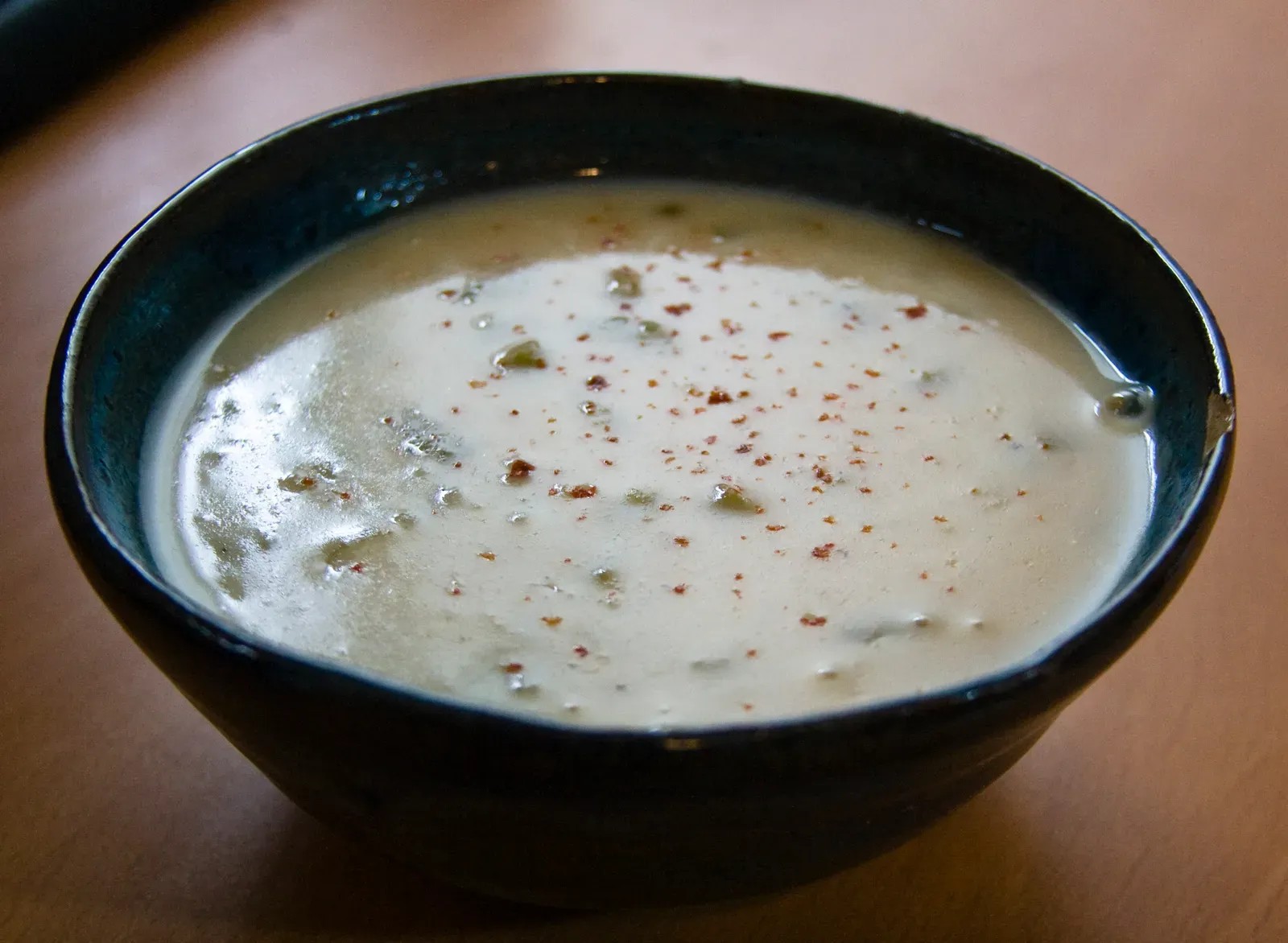
Hard cooked egg whites, lettuce, cabbage, mayonnaise, cream fillings, puddings, custard, gelatin salads, and cheese do not freeze well. Cream soups separate and develop a grainy, unpleasant texture when frozen and thawed. The dairy fat breaks down, leaving you with a watery mess that tastes nothing like the original.
Leftovers can be kept in the refrigerator for 3 to 4 days or frozen for 3 to 4 months, although safe indefinitely, frozen leftovers can lose moisture and flavor when stored for longer times in the freezer. Cream based dishes are particularly vulnerable to this quality loss. If you really want to save that chowder, eat it within a few days or accept that it won’t be the same after freezing.
Stuffing or Dressing Left Inside Poultry
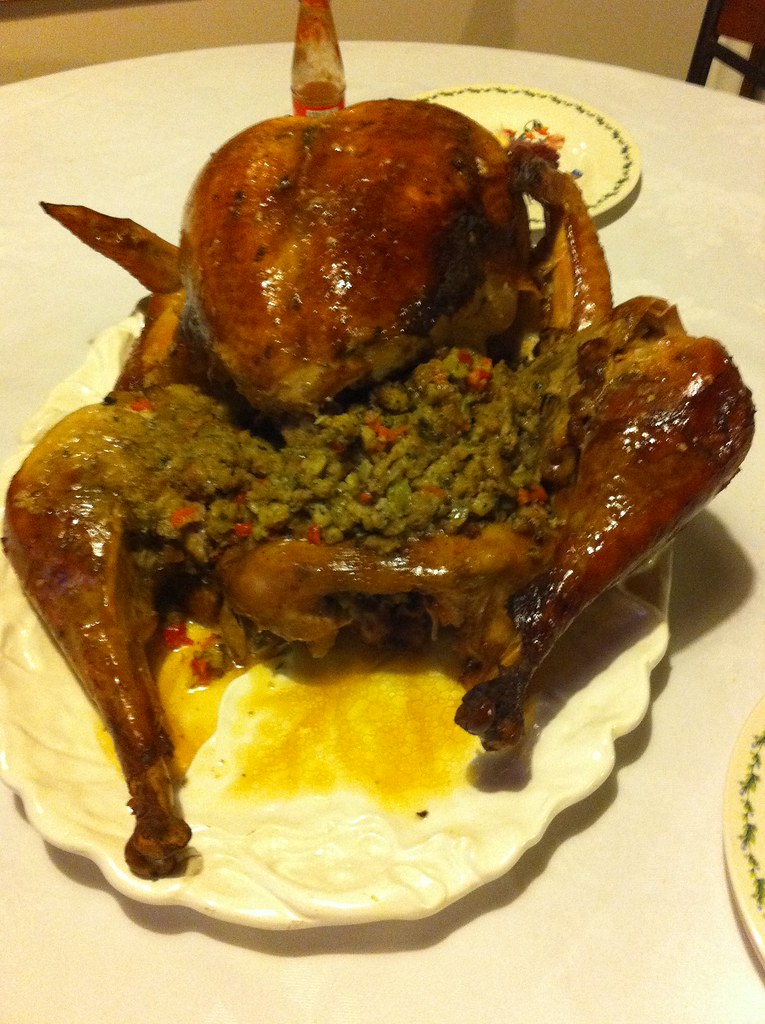
This one catches families during the holidays every single year. November and December are the peak months for food poisoning caused by the bacteria Clostridium perfringens, called the cafeteria germ, which grows in cooked foods such as turkey and beef when they’re kept too long at room temperature. Stuffing inside a turkey creates an insulated pocket where bacteria thrive.
Even after you refrigerate the whole bird, the stuffing in the center stays warm for hours. To prevent bacterial growth, it’s important to cool food rapidly so it reaches the safe refrigerator storage temperature of 40 degrees F or below, and a big pot of soup will take a long time to cool, inviting bacteria to multiply. Same principle applies to stuffed poultry. Always remove stuffing from the bird before storing leftovers.
Mayonnaise Based Salads Kept For Days
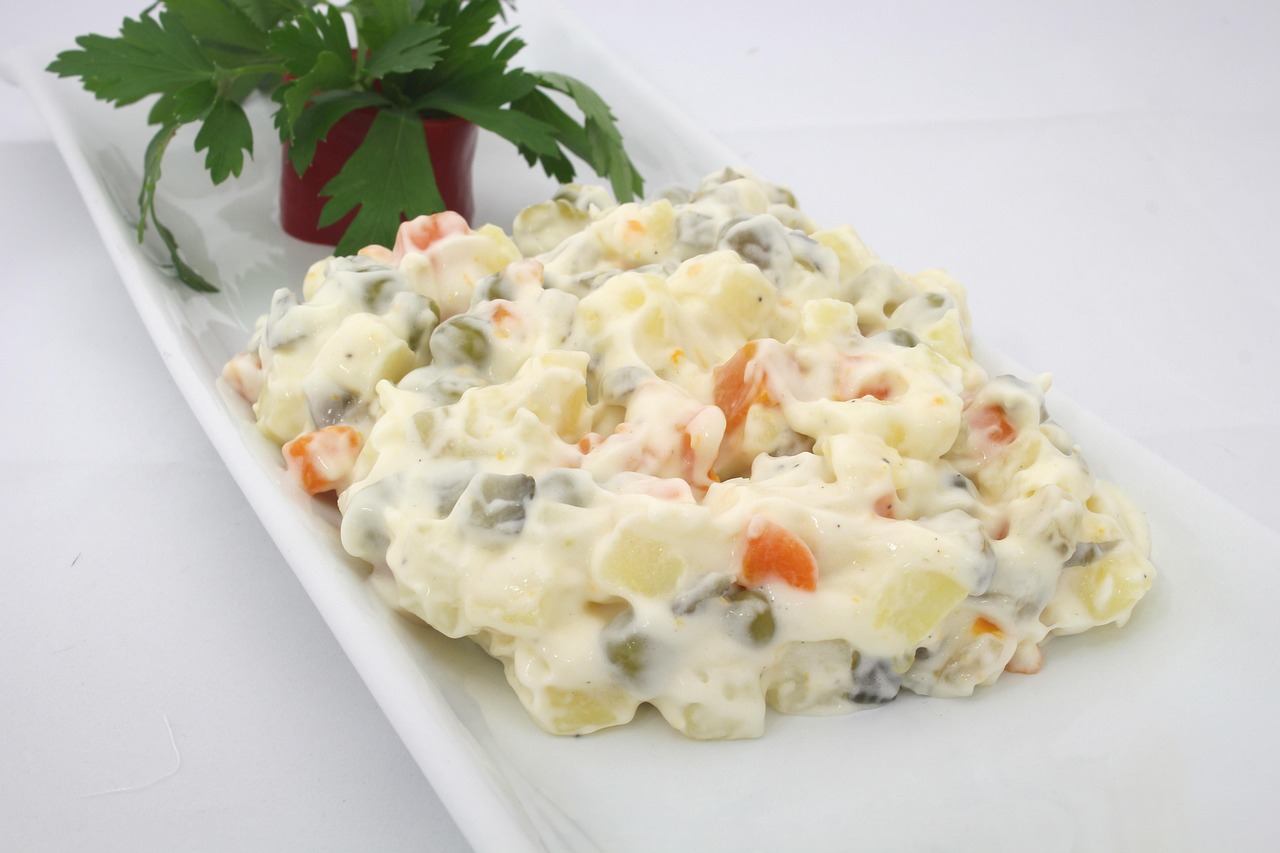
Potato salad, chicken salad, tuna salad. These picnic staples turn dangerous faster than you’d think. In a USDA survey, nearly 80 percent of respondents said they let leftovers cool down before refrigerating them, but it’s a bad idea. Mayonnaise itself is acidic and relatively safe, but once you mix it with proteins and starches, the pH changes.
Throw away all perishable foods that have been left in room temperature for more than 2 hours, or 1 hour if the temperature is over 90 degrees F. Mayonnaise based salads should never be left at room temperature during summer cookouts. Even in the fridge, these salads only last about three days max before bacterial loads become concerning. When in doubt, make smaller batches.
Previously Frozen Meat That’s Been Thawed
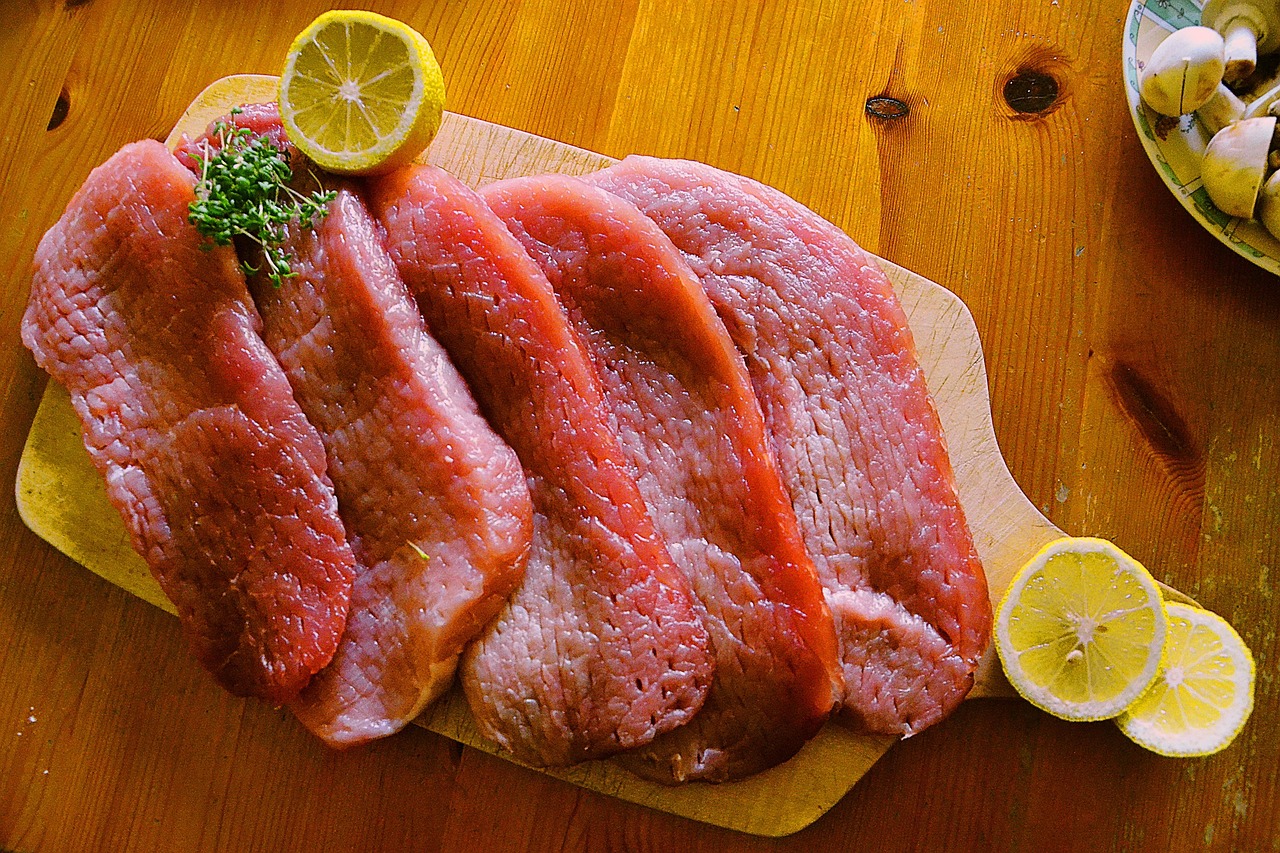
Do not refreeze any foods left outside the refrigerator longer than 2 hours, or 1 hour in temperatures above 90 degrees F. Once meat thaws, ice crystals melt and moisture seeps into muscle fibers. Refreezing creates new ice crystals that rupture cell walls, turning your meat mushy and compromising safety.
Cans that have thawed and refrozen are not safe, but a frozen can that has not thawed can be safely defrosted in the refrigerator and used. The same logic applies to meat. After thawing, the food should be used within 3 to 4 days or can be refrozen, but only if it was thawed properly in the refrigerator and stayed below 40 degrees F the entire time.
Leafy Greens Mixed With Hot Leftovers
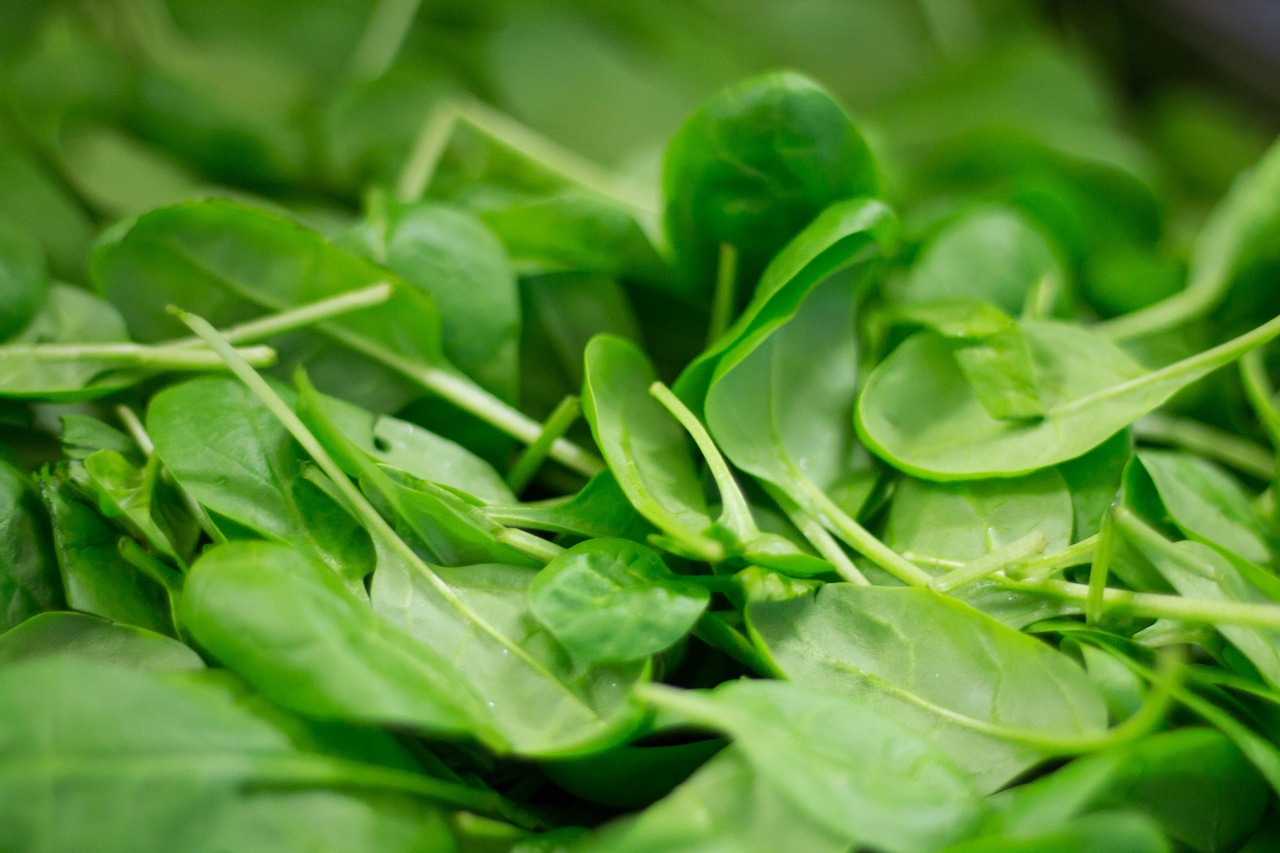
You’d think adding fresh spinach or kale to hot pasta would be healthy and convenient. The problem is the temperature differential. Hot food placed directly in the fridge raises the internal temperature of your entire refrigerator. Avoid overpacking your refrigerator because air circulation is essential to keep foods cool.
Mixing hot and cold items together makes cooling uneven. The greens on top might chill quickly while the pasta underneath stays lukewarm for hours. One out of four refrigerators are kept too warm, according to food safety research. If your fridge is already struggling, adding hot mixed leftovers makes the situation worse. Cool items separately before combining them, or better yet, keep them apart altogether.
Opened Canned Foods Left In The Can
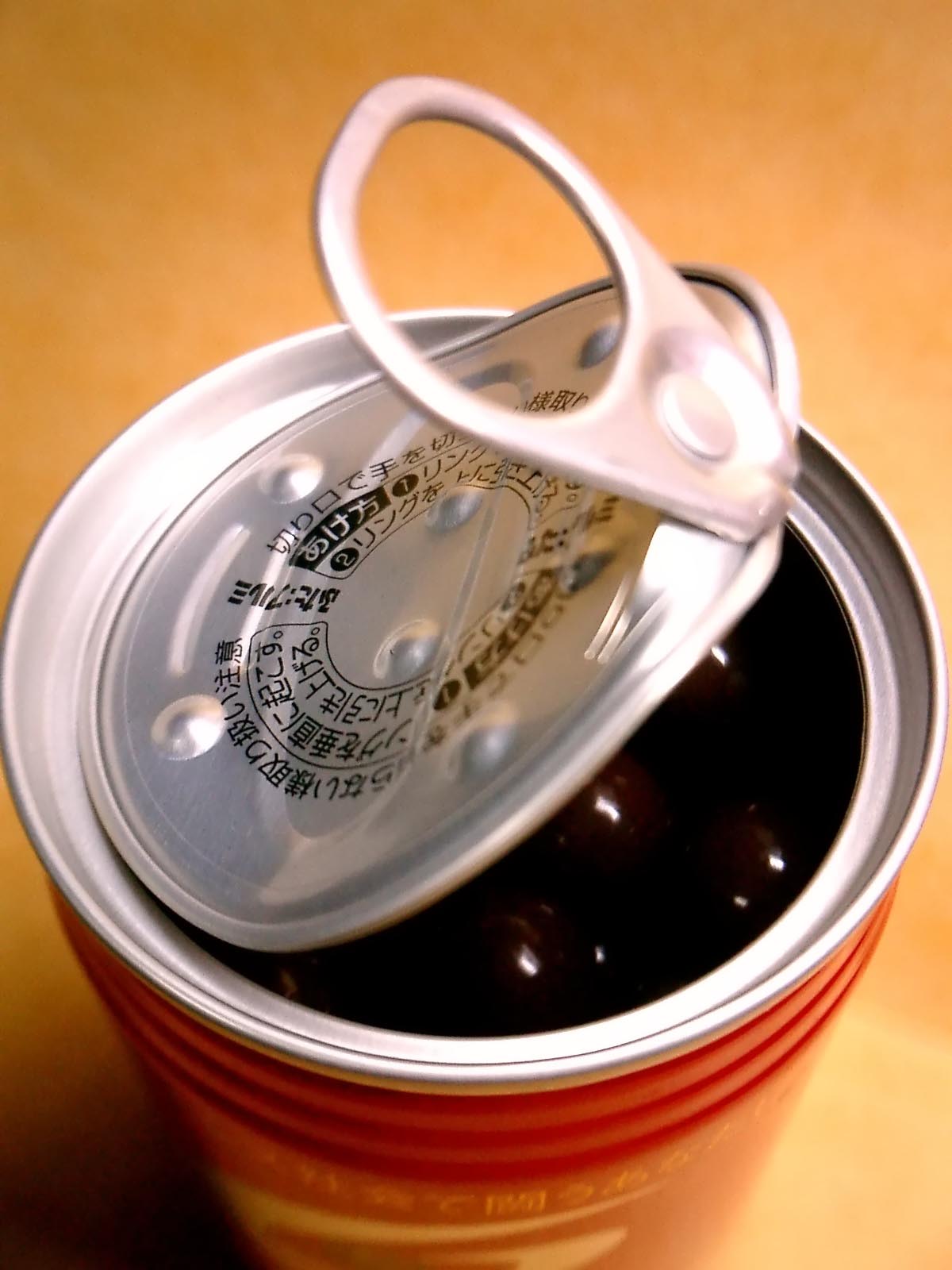
Open canned foods should be repackaged. Once you crack open a can, the metal interior starts to oxidize when exposed to air. This creates a metallic taste and can lead to chemical reactions with acidic foods like tomatoes or beans. The can itself wasn’t designed for storage beyond its sealed state.
Transfer leftover canned goods to glass or plastic containers immediately after opening. Store refrigerated foods in covered containers or sealed storage bags, and check leftovers daily for spoilage. Leaving food in the can doesn’t just affect flavor. It increases the risk of contamination because the jagged edges of opened cans harbor bacteria that regular refrigeration won’t eliminate.
Fried Foods Stored In Airtight Containers
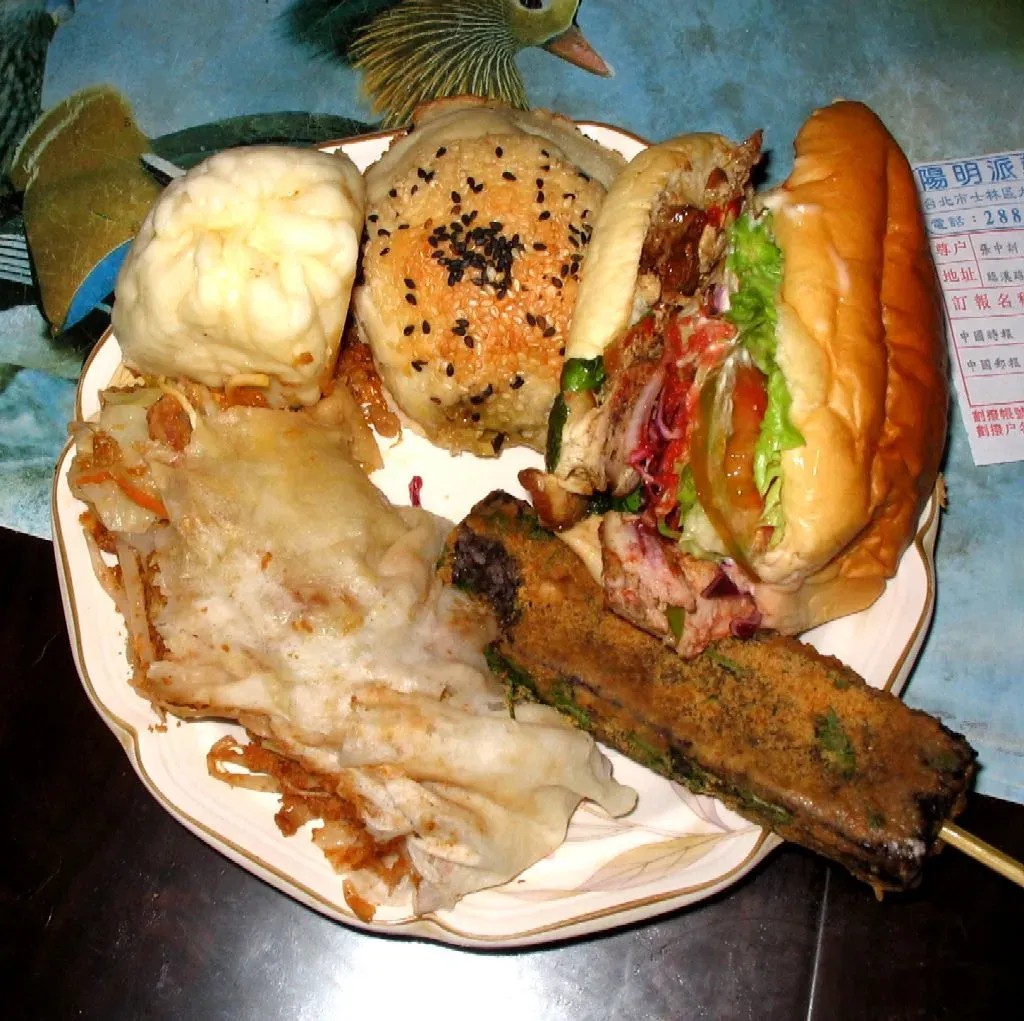
Here’s where things get counterintuitive. We’re told to seal leftovers tightly, yet fried chicken, french fries, and tempura turn into a soggy disaster when stored in airtight containers. The steam from residual heat gets trapped, creating condensation that destroys the crispy coating you wanted to preserve.
Store leftovers on the top shelf, cover loosely so the food will cool faster, then once cool, cover them tightly. Fried foods need ventilation during the initial cooling phase. Use a container with small vents or simply drape a paper towel over the container for the first hour. Seal it only after it reaches room temperature, then refrigerate immediately. Honestly, fried foods rarely taste good reheated anyway, so consider making less next time.
Gravy or Sauce Mixed With Multiple Meat Leftovers
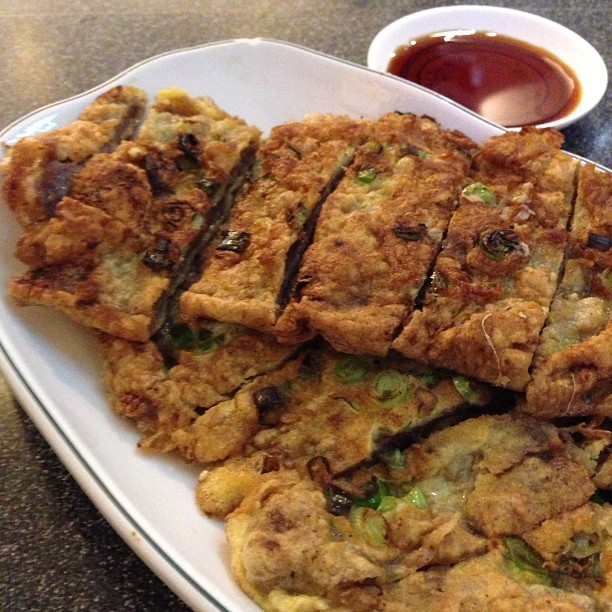
Combining turkey, beef, and pork leftovers all together in one gravy filled container seems efficient. The reality is you’re mixing different bacterial loads and cooking temperatures. Clostridium perfringens grows on gravy and meats and produces toxins resistant to cooking and reheating.
Place foods to be refrigerated or frozen in small, shallow containers three inches or less in height, and do not stack these containers right next to other containers, leaving some air space around them promotes rapid, even cooling. When you dump everything together in one deep container, the center stays warm for hours. Store each type of meat separately in shallow containers. Reheat only what you need, and always bring it to an internal temperature of 165 degrees F.
Your Leftover Game Plan
Food waste is a real concern, no question. Yet saving money shouldn’t come at the expense of your family’s health. The key is knowing which leftovers deserve a second chance and which ones are ticking time bombs. Temperature control, proper storage depth, and avoiding cross contamination aren’t just suggestions from overcautious health departments. They’re based on decades of research into how bacteria behave in home kitchens.
Most families could cut their food poisoning risk dramatically just by following the two hour rule and using shallow containers. Small changes make a massive difference. Next time you’re tempted to save that questionable leftover, ask yourself if the few dollars saved are worth the potential misery. What’s your biggest leftover storage mistake? Are you guilty of any of these?

Leave a Reply