
Cooked Rice and Pasta
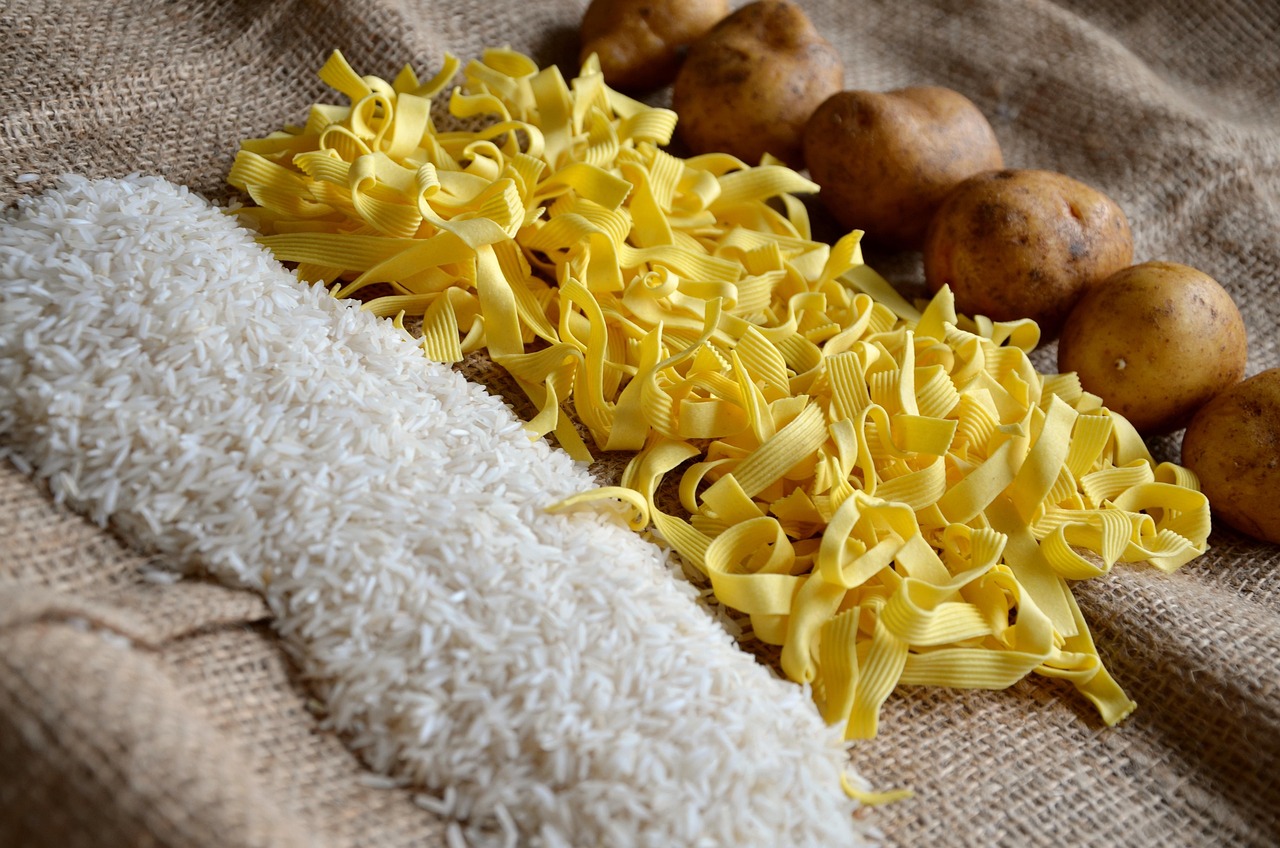
Fried rice syndrome is food poisoning caused by a bacterium known as Bacillus cereus, which likes to live on starchy foods like rice and pasta. This microorganism produces spores that survive even when you cook rice properly. According to a review of 98 scientific studies published in 2023 in the journal Food Control, rice appears to be the most common source of this particular bacteria. About 63,000 people in the U.S. get sick from Bacillus cereus a year, according to the Centers for Disease Control and Prevention, though many cases go unreported.
The bacteria produces a type of cell called a spore, which is very resistant to heating, so while heating leftovers to a high temperature may kill other types of bacteria, it might not have the same effect if the food is contaminated with B. cereus. A colony of B. cereus can double in size every 20 minutes at around 86 degrees Fahrenheit, producing enough toxins to make you sick. After cooking rice, other grains, and pasta, you should refrigerate them within 2 hours, according to the USDA’s Food Safety and Inspection Services.
Shellfish and Seafood
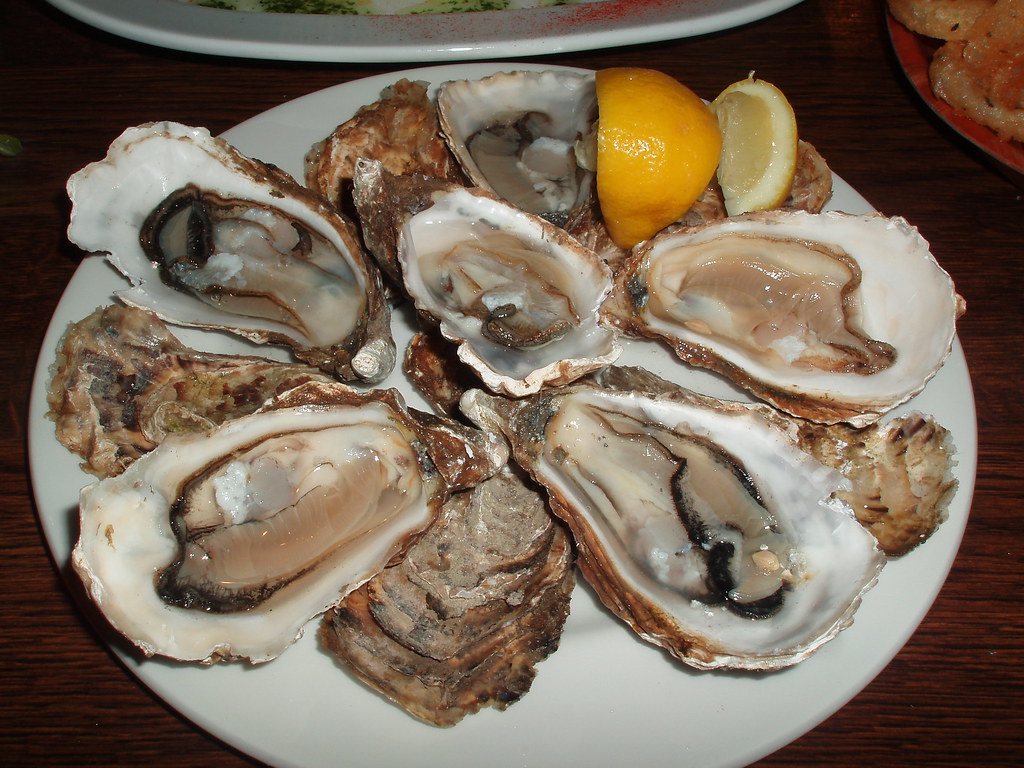
The human-pathogenic marine bacteria Vibrio vulnificus and V. parahaemolyticus are strongly correlated with water temperature, with concentrations increasing as waters warm seasonally, and both of these bacteria can be concentrated in filter-feeding shellfish, especially oysters, exposing people to large doses of potentially harmful bacteria. In the United States, Vibrio vulnificus is responsible for 95% of all seafood-related mortalities.
V. vulnificus causes an infection often incurred after eating seafood, especially raw or undercooked oysters, with symptoms including vomiting, diarrhea, and abdominal pain. Noroviruses and hepatitis A are the most common enteric viruses transmitted by fish and seafood. Even properly cooked shellfish becomes risky once leftovers are stored. Microbial pathogens in refrigerated and frozen seafood products can pose significant food safety risks, with presence and growth persuaded by storage duration, temperature, packaging, and handling practices.
Cooked Chicken and Poultry
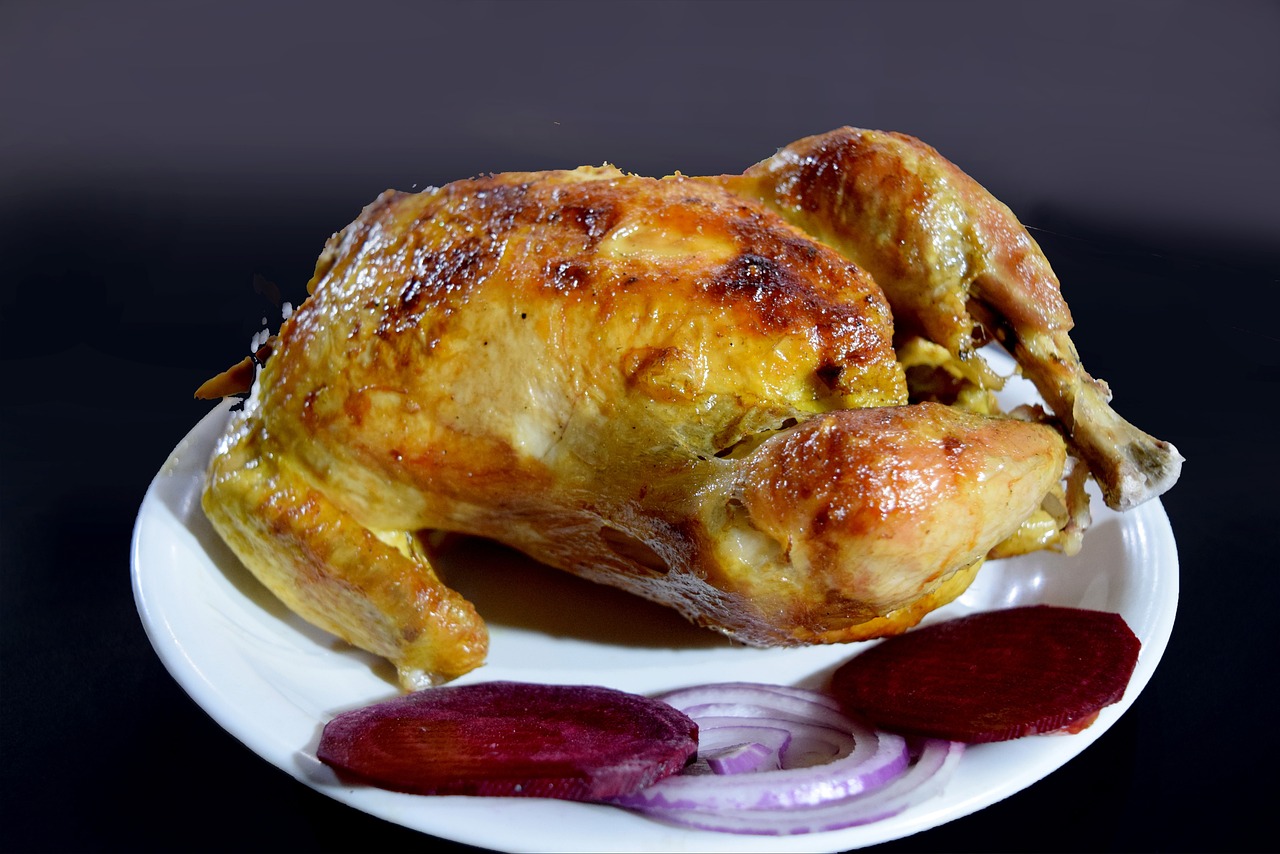
Raw chicken can be contaminated with Campylobacter, Salmonella, or Clostridium perfringens germs. Every year in the United States about 1 million people get sick from eating contaminated poultry. Research shows Campylobacter commonly live on raw poultry like chicken, turkey and duck, and even one drop of raw poultry juice can make you sick.
Let’s be real, chicken leftovers are a staple in most fridges. All poultry products should always be cooked to 165 degrees Fahrenheit internal temperature as measured with a food thermometer, and leftovers should be refrigerated no more than two hours after cooking. 48.1% of Salmonella isolates were resistant to 3 or more classes of antibiotics, making infections potentially more dangerous. Refrigerate or freeze leftover chicken within 2 hours, or within 1 hour if the food is exposed to temperatures above 90 degrees Fahrenheit.
Mushrooms

If mushrooms are not refrigerated quickly after being cooked, their complex enzymes and proteins will begin to break down, making them susceptible to dangerous bacteria, which can be worsened by the reheating process. Contamination from water, animals, and improperly composted manure can make mushrooms unsuitable for consumption, and malpractices during and after harvests, storage, and transport, and cross-contamination from raw meat, poultry, or seafood can contaminate mushrooms with harmful bacteria.
According to the European Food Information Council, if cooked mushrooms are kept in the fridge for no longer than 24 hours, they can safely be reheated, with reheating recommended to a temperature of 158 degrees Fahrenheit or 70 degrees Celsius. While fresh mushrooms do not naturally contain bacteria that can make you ill, they can become contaminated if they are grown on compost that has not been properly sterilized. Fresh mushrooms that become mushy or slimy should be discarded immediately as this indicates bacterial growth, making them unsafe to consume.
Leafy Greens and Vegetables with High Nitrate Content

Spinach, celery, and other leafy greens naturally contain nitrates that convert to potentially harmful nitrites when reheated or stored improperly. Though research on this topic remains complex, bacteria present on vegetables can convert these nitrates during storage. When vegetables are cooked and then left at room temperature, bacterial activity accelerates this conversion process.
Here’s the thing: vegetables seem harmless, but they’re actually quite vulnerable once cooked. The moisture and nutrient content creates an ideal environment for bacteria to multiply rapidly. Scientists recommend consuming cooked greens immediately or cooling them quickly and storing them properly. Most experts suggest eating leftover greens within a day, especially if they’ve been reheated once already.
Eggs and Egg-Based Dishes
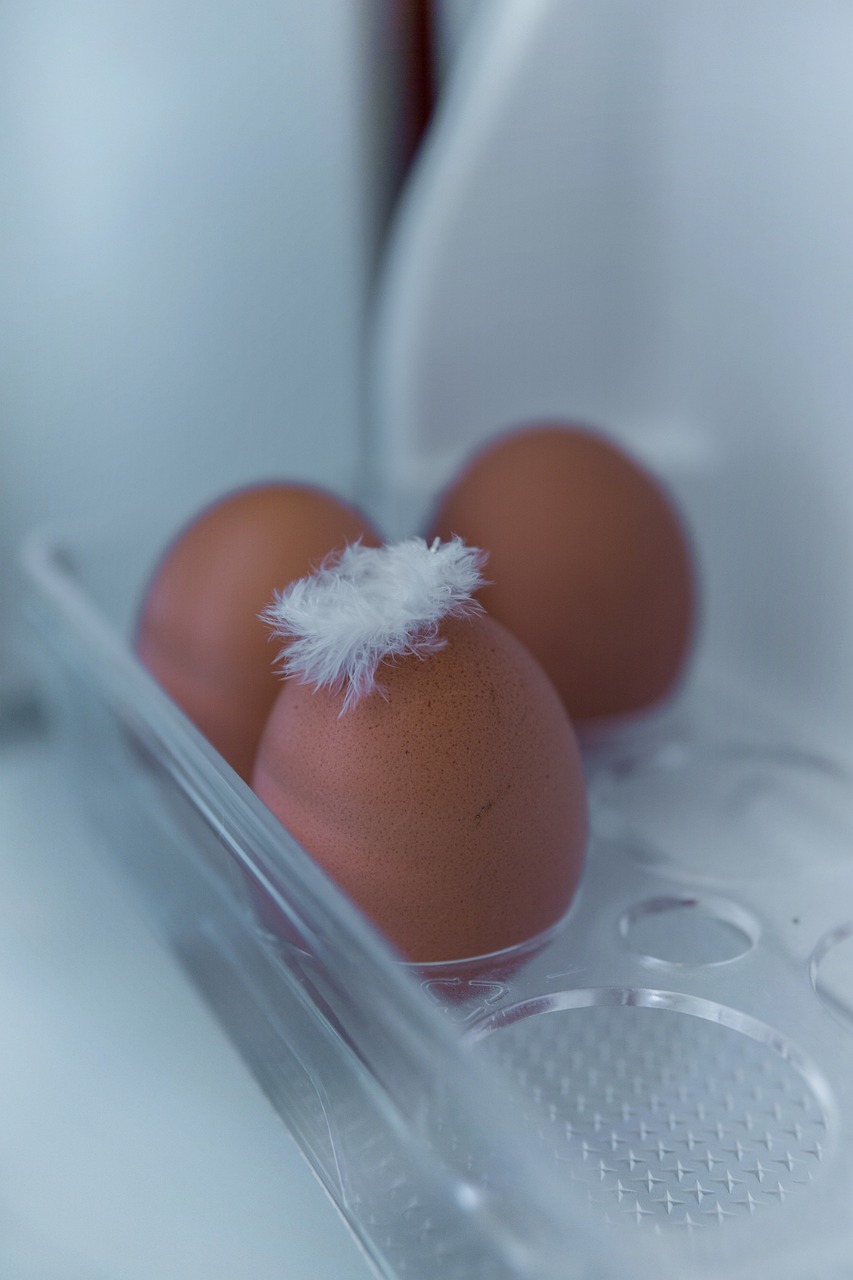
Never allow eggs or other foods that require refrigeration to sit at room temperature for more than two hours, or one hour if the air temperature is above 90 degrees Fahrenheit, which also applies to items such as leftovers. Store eggs in their carton in the refrigerator itself rather than on the door, where the temperature is warmer.
Egg-based dishes like quiches, frittatas, or scrambled eggs pose particular risks as leftovers. Refrigerate perishable food including eggs and cooked leftovers within 2 hours, or if the food is exposed to temperatures above 90 degrees Fahrenheit, refrigerate it within 1 hour. The protein-rich environment of eggs makes them especially attractive to bacteria. Honestly, if you’ve ever left egg salad sitting out during a picnic too long, you know exactly what can happen next.
So, do you really need to toss those day-old leftovers? It depends on what they are and how you’ve stored them. Following the two-hour rule religiously can save you from a miserable bout of food poisoning. Did you expect rice and mushrooms to be so risky?



Leave a Reply