
There’s a certain kind of traveler you see at every European airport. They’re breezing through the terminal looking calm, coordinated, and suspiciously unburdened. No monstrous suitcase crashing into strangers, no frantic digging through a bag for a passport. They’ve clearly done this before. A lot. So what’s their secret?
Honestly, it’s not about packing more. It’s about packing smarter, and knowing exactly which overlooked items make or break a trip. Whether you’re heading to Rome, Lisbon, or Amsterdam, the gap between a stressful trip and a seamless one often comes down to a handful of things you almost certainly left at home. Let’s dive in.
Merino Wool Clothing: The Fabric That Does the Work of Five

Most travelers pack cotton shirts by the handful, which is arguably the worst fabric choice you can make in Europe. Packing one merino wool t-shirt is like the equivalent of packing five cotton tees when it comes to freshness. It keeps you cool in the heat, warm in the cold, and you don’t have to wash it every time you wear it. Think about that for a second. Fewer clothes. Less laundry. More space in your bag for everything else.
Merino wool prevents odor-causing bacteria from growing due to its moisture control, which means you don’t have to wash it as often. For a two-week European trip, that practically cuts your clothing pile in half. Instead of packing bulky jackets or sweaters, pair a thin merino cardigan or top with a non-insulated waterproof jacket. Merino wool is an excellent insulator while maintaining breathability, so you can layer efficiently. I think this is one of the single biggest upgrades a traveler can make before their first trip.
Packing Cubes: The Underrated Organizer That Changes Everything
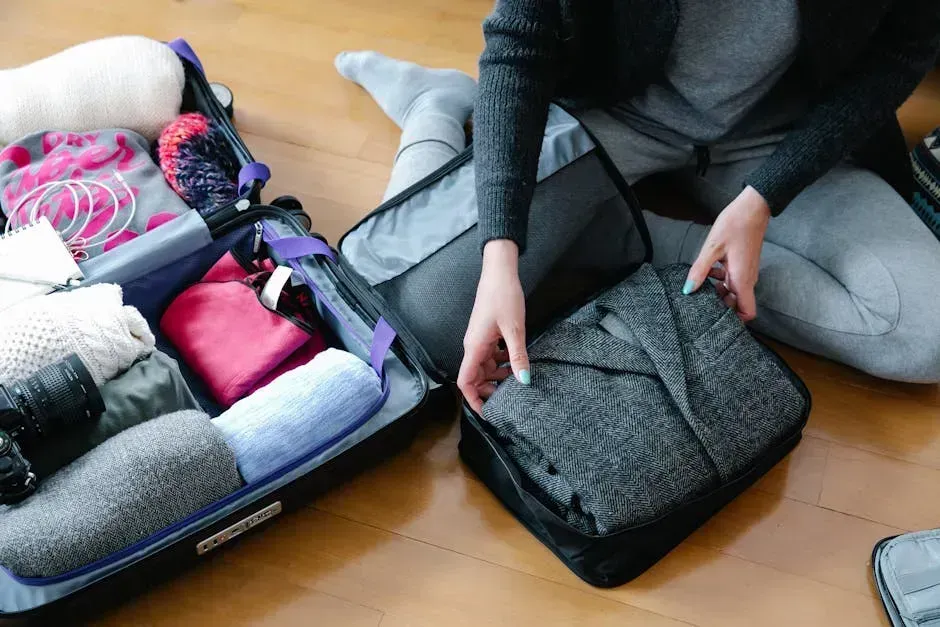
Let’s be real: stuffing clothes into a suitcase and hoping for the best is a rookie move. Packing cubes are the secret weapon for anyone looking to bring order to the potential chaos of a suitcase. They turn that jumbled mess into something that actually makes sense, especially when you’re hopping between cities on a train and need to find a clean shirt in under thirty seconds.
Packing cubes transform your suitcase from a jumbled pile into a well-organized dresser on the go. Instead of emptying your entire bag to find one shirt, you can simply pull out the relevant cube. For travelers hopping between cities like Rome, Florence, and Venice by train, this means less time repacking and more time exploring. Europe has so many climates, from cool to desert to alpine tundra to Mediterranean. Packing cubes help you prepare for any scenario, letting you easily categorize your suitcase with one cube for tops, one for bottoms, one for dresses, and so on.
A Compact, Universal Power Adapter With USB Ports
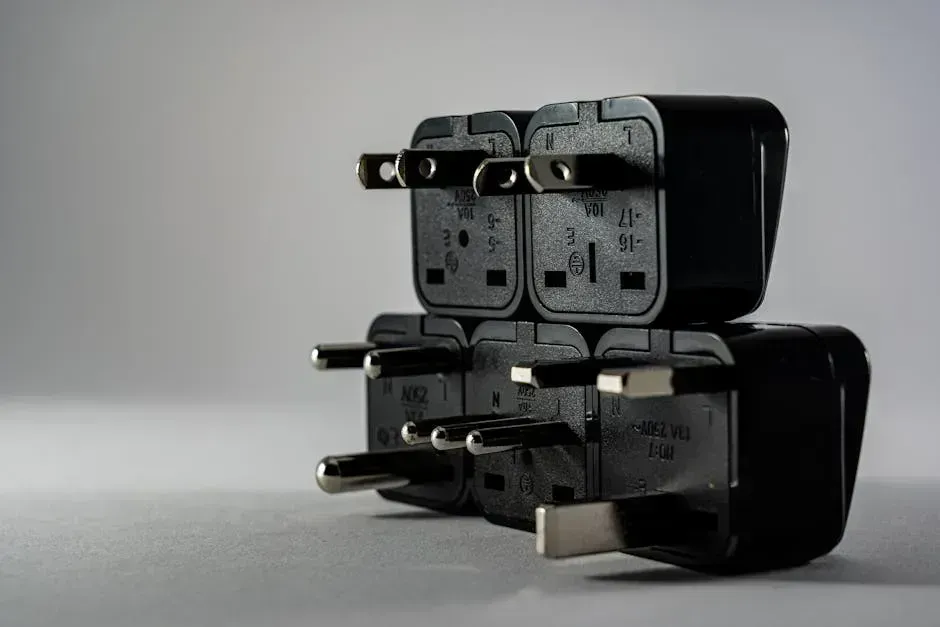
Europe uses a different electrical system than the U.S., and this often trips people up. You’ll need adapters. This sounds obvious, but the number of travelers who arrive in Paris at midnight with a dead phone and no adapter is almost comical. Almost. The most common outlets in Europe include Type C, E, F, and G, which is why bringing an international power adapter that works in almost all European countries is recommended.
Things like the Dyson Airwrap or a steamer or blow dryer won’t work even with a converter. Leave them behind and instead bring dual-voltage electronics. Seasoned travelers go one step further and bring an adapter that includes built-in USB and USB-C ports, so they can charge multiple devices simultaneously from a single outlet. Many travelers only realize they’ve forgotten their converter around 11:58pm, when all the shops are closed, they don’t want to walk down to the hotel front desk, and their phone is on 2%. Do yourself a favor and pack one before you leave.
A Portable Power Bank for All-Day Sightseeing
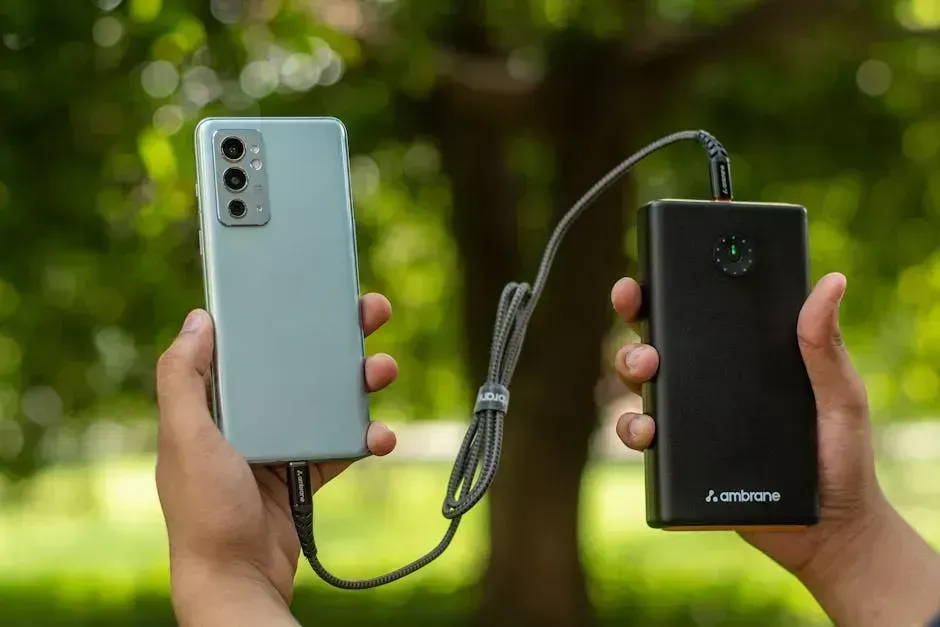
Your phone works overtime in Europe. Navigation, translations, ticket bookings, photos, messaging home. Whether you are going on tours across Europe, walking around Rome or flying to Paris, your phone is probably going to die quickly. When planning your Europe packing list, make sure to purchase a portable power bank to bring along for your trip. This is one of those items that feels unnecessary until the exact moment it becomes absolutely critical.
Having a portable charger is a must. A slim model that fits in purses without taking up much space is ideal. Experienced travelers treat the power bank like a fifth limb. They charge it overnight and toss it in their bag every single morning without thinking twice. Meanwhile, the first-time traveler is desperately hunting for a charging port at a museum café, paying four euros for a coffee they don’t want just to sit near an outlet.
Proper Walking Shoes That Handle Cobblestone Streets
This one might sound obvious, but it’s shocking how many people show up in Europe with fashionable shoes that are completely wrong for the terrain. Trendy stilettos or chunky wedges are not ideal for the cobblestone streets and endless walking you’ll be doing in cities like Rome, Paris or Barcelona. You’ll regret it. Those ancient stones are stunning to look at. They are brutal to walk on in the wrong footwear.
In Europe, walking is often the best way to explore, so comfortable shoes are essential. Go for supportive, breathable options that can handle cobblestone streets and long distances. If you’re traveling to Europe during a rainy season, waterproof shoes are a must. Experienced travelers typically bring two or three pairs of well-broken-in shoes and rotate them throughout the trip. You will be glad you have comfortable walking shoes. Truer words have never been printed on a packing list.
A Lightweight Shawl or Scarf for Religious Sites

Here’s something that catches a surprising number of visitors off guard. There are plenty of places in Europe that require covered shoulders and arms for entry, most of which are holy sites and cultural locations. These include the Vatican City, Roman churches, Florence’s Duomo, Barcelona’s Sagrada Família, and churches in Poland, Portugal, and more. Carrying a lightweight shawl or wrap ensures modesty and entry. Getting turned away at the door of the Sistine Chapel because of a sleeveless top is a genuinely deflating experience.
A lightweight scarf solves the problem instantly. It weighs almost nothing, takes up barely any space, and doubles as a blanket on cold trains, a pillow on overnight buses, and an emergency towel if needed. You don’t want to risk being turned away, and it’s nice to have on a chilly night too. Versatility like that is what experienced travelers live for.
Copies of Key Documents and a No-Fee Credit Card
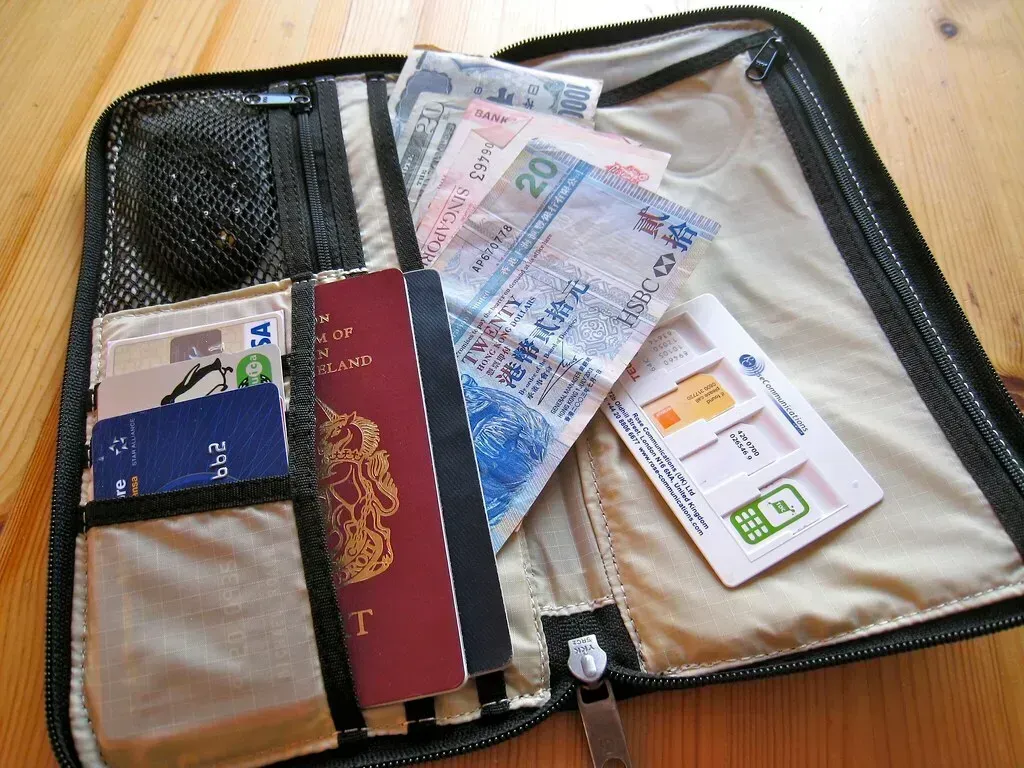
Losing your passport in a foreign country is every traveler’s nightmare. Experienced travelers treat document backup like a non-negotiable ritual before every trip. Bringing copies of your passport, visas, travel insurance, and any tickets is strongly recommended. It’s also handy to write down local emergency numbers on a small card and keep it in your bag on your trip. A digital copy stored in cloud storage or a secure email is equally smart.
Bring along the credit cards you plan to use that don’t have foreign transaction fees. If you want to get cash out, be sure to have a debit card as well. Upgrading your card to tap-to-pay is a wise move. Keeping photos of all important documents on your phone in a dedicated folder makes them easy to access. Most novice travelers forget the no-fee card part entirely, then spend their whole trip paying a small percentage surcharge on every single transaction without even noticing.
An Anti-Theft Bag or Hidden Security Pouch
Pickpocketing in Europe is a very real issue, especially at the continent’s most iconic landmarks. Visitors to Italy’s Colosseum, Trevi Fountain, Pantheon in Rome, the Duomo di Milano in Milan, and the Gallerie Degli Uffizi in Florence mentioned the highest volume of stolen personal items on online travel reviews. This equates to nearly 500 pickpocketing mentions for every million visitors to Italy’s top tourist attractions, the highest proportion of any European country. Paris and Barcelona are not far behind.
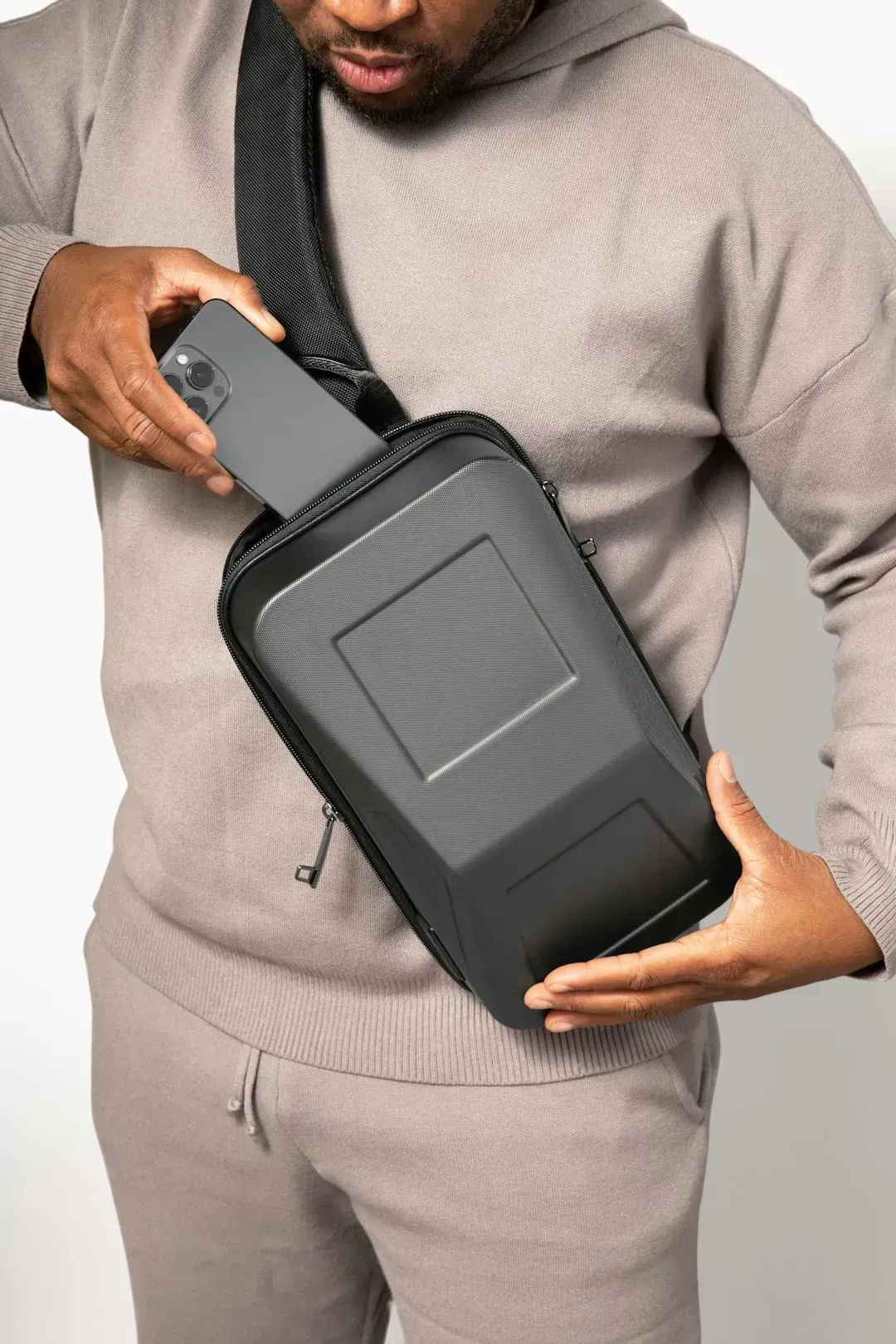
Travelers are targets of pickpocketing and the statistics back it up. More than a third of travel insurance claims deal with the theft of personal property. This means that pickpocketing incidents are common and that you need to protect yourself in any way possible. Experienced travelers use a secure crossbody bag with zipped compartments or a hidden neck or waist pouch for their passport and backup cash. Mobile payment technology reduces the need to handle your cards or cash. If you have a payment app such as Apple Pay, Google Pay, or PayPal on your phone, become familiar with it before your trip. That alone eliminates a huge vulnerability.
A Reusable Water Bottle for Europe’s Incredible Tap Water

Here’s something that surprises many first-time visitors: you can drink the tap water in most of Europe. A reusable water bottle is a sustainable, budget-friendly choice. Most European countries have safe, drinkable tap water. Some cities, like Rome and Paris, even have public fountains with free potable water. That means you essentially have access to free hydration across an entire continent, if you have the right vessel to carry it in.
A water bottle works across airports, trains, and hotels. It’s good for the environment, it serves as a reminder to drink more, and water actually costs money in European restaurants and cafes. Experienced travelers know this and use it to save money every single day. Think of a reusable bottle as a tiny investment that pays for itself within the first afternoon in Rome, and then again and again for the rest of the trip.
Travel Insurance Documents and Comprehensive Coverage
This is the one item most people genuinely forget to bring, or worse, skip entirely. Insurance is mandatory for parts of Europe and experienced travelers never leave home without it. Europe is not a cheap place to foot a hospital bill, and accidents happen when we least expect them. Since your domestic provider typically does not follow you overseas, protecting your travel investment against situations like cancellations, delays, theft, baggage loss, medical transport, and international hospital expenses is essential.
Europe is a diverse continent that poses a wide range of unique challenges and risks. This includes petty theft and pickpocketing in popular tourist cities like Rome, as well as raging wildfires in Greece. Purchasing a comprehensive travel insurance plan that protects you financially if your trip takes an unexpected turn for the worse is strongly recommended. If you’ve purchased travel insurance, be sure you have documentation of your policy. Bring along the credit cards you plan to use that don’t have foreign transaction fees. Experienced travelers don’t see travel insurance as a luxury. They see it as the price of peace of mind, and they never, ever leave home without it.
The gap between a first-time traveler and a seasoned one isn’t really about how many countries they’ve visited. It’s about how they pack. Every single item on this list costs less than a bad meal at a tourist trap restaurant near the Eiffel Tower, and every single one can save your trip in ways you won’t fully appreciate until you actually need it. What would you have guessed was the most-forgotten item before reading this?




Leave a Reply