
Picture this: you’ve found the perfect cruise itinerary or dream group tour, you’re scrolling through the details, everything looks great – and then you hit checkout. Suddenly the price jumps by hundreds, sometimes thousands of dollars. No extra nights, no upgrades, no add-ons. Just a quiet little line item that says “single supplement.” If you’ve ever traveled alone, you probably know the feeling.
It’s one of travel’s most frustrating open secrets. Solo travelers, who are one of the fastest-growing segments in the entire tourism industry, are routinely charged more per person than people traveling in pairs. The reasons are more complicated than a simple money grab – though honestly, not always more flattering. Let’s dig into what’s really going on, where this practice came from, and whether anything is finally starting to change.
What the “Single Supplement” Actually Is

Vendors and agents in the travel industry quote package-deal and accommodation prices in terms of dollars per person when the customer travels in a group of two – that is, “twin share” or “double.” The single supplement is a premium surcharge applied to a traveler who travels alone but will use a room that could fit two or more passengers. Think of it like ordering a pizza that’s priced for a table of four, then getting charged for the empty seats at your table.
The phrase “single supplement” is often misunderstood. It’s not an extra charge added on top of a regular holiday price – it’s simply the cost difference when one person occupies a space originally priced based on two people sharing. Holiday packages, cruises, and hotel stays are usually advertised using per-person pricing based on two sharing. The amount involved ranges from 10 to 100 percent of the standard accommodation rate. That’s a staggeringly wide range, and it makes a huge financial difference depending on who you book with.
Where This Pricing Model Came From

Much of the travel industry is built around shared occupancy. Hotel rooms, cruise cabins, and tour accommodations are typically designed and priced for two people. Fixed costs such as room inventory, staffing, transportation, and contracted supplier rates are often calculated on the assumption that space will be shared. This isn’t some new trick – it’s a structure that has been baked into the industry for decades.
When one person occupies space designed for two, the unused capacity still carries a cost. Single supplements emerged as a way to recover that difference rather than distribute it across all travelers. This mechanism influences market segmentation by making solo bookings less affordable relative to shared ones, thereby encouraging couple or group travel to maximize occupancy and profitability, as evidenced by the industry’s historical reliance on double-occupancy assumptions since the mid-20th century.
The Business Logic – And Where It Gets Murky

Accommodation vendors argue that solo travelers should expect to pay for the luxury and convenience of having a room to themselves. Vendors also expect to be compensated for the cost of preparing a room for a guest, in cleaning and providing disposables, when only one person will be charged. Some vendors also charge more because they believe a solo traveler will spend less on food, drinks, and entertainment compared to a group of two or more. That last point is where the logic starts to feel a bit shaky, honestly.
Single supplements become more difficult to justify when they appear disconnected from actual cost recovery. Flat supplements that significantly exceed the implied cost of unused capacity, or that are applied uniformly without regard to room type, duration, or demand, often signal legacy pricing rather than necessity. In some cases, supplements persist simply because systems were never redesigned to account for the growth of solo travel. In other words – it’s sometimes just inertia.
How Much Are We Really Talking About?
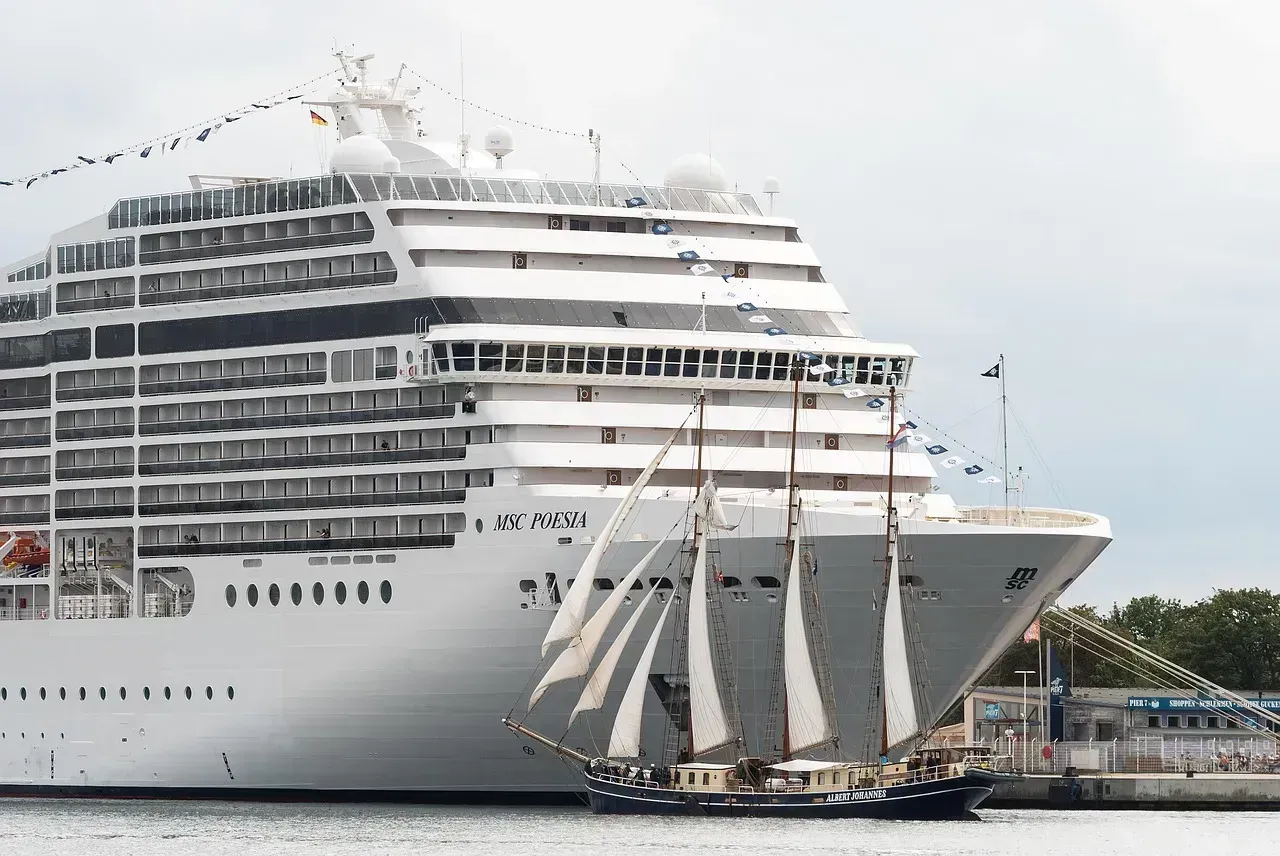
The cost of a single room supplement varies based on the tour company, type of trip, and when you book. It’s usually about 20 percent of the cost of the trip, but 50 percent is not uncommon, and some companies actually charge a full 100 percent – meaning you’re paying for two people. On a river cruise or a two-week escorted tour, that math can easily translate to an extra thousand dollars or more piling onto your bill.
When you book a cruise solo, you’re often still paying for a cabin built for two. The single supplement is the extra charge that covers that empty second spot, an additional percentage on top of the base fare. In practice, that means paying anywhere from 125 to double the base fare just to have a cabin to yourself. Popular cruise lines for families, such as Carnival Cruise Line and Disney Cruise Line, charge a 200 percent single supplement fee and do not offer solo cabins. Yes, you read that right – effectively paying for two people, all on your own.
Who Is Most Affected – And the Gender Angle

The global solo travel market size was estimated at USD 482.34 billion in 2024 and is projected to reach USD 1.07 trillion by 2030, growing at a compound annual growth rate of 14.3 percent from 2025 to 2030. Despite that colossal market size, solo travelers are still systematically paying more than their paired counterparts. That’s worth sitting with for a moment.
The practice exhibits gender bias, disproportionately affecting women, who comprise approximately 84 percent of solo travelers according to 2024 data. Solo travelers frequently perceive single supplements as a form of discrimination, penalizing individuals for not traveling in pairs. A 2024 survey of female solo travelers aged 50 and older found that 78 percent view these surcharges as the primary barrier to independent travel, describing them as an unfair “penalty” for solo status. That is not a small number. Nearly four in five women say this fee is their biggest obstacle – not safety, not loneliness, not logistics. The price.
The Transparency Problem

A lack of transparency compounds the issue. When supplements appear late in the booking process or are framed as unavoidable without explanation, trust erodes quickly. This is something almost every solo traveler has experienced. You get deep into booking mode, you’re already mentally packing your bags, and then – bam – the real price appears at checkout. It feels like a trap, even when the operator isn’t necessarily trying to be deceptive.
Regulatory efforts in major markets have increasingly targeted the transparency of fees like the single supplement to protect consumers from hidden costs. In the United States, the Federal Trade Commission’s Junk Fees Rule, finalized in December 2024 and effective in 2025, mandates that short-term lodging providers disclose the total price – including all mandatory fees – upfront in advertisements and bookings. The European Union’s Package Travel Directive also requires tour operators to provide clear, pre-contractual information on all prices and unavoidable fees for package holidays. Regulations are moving in the right direction, even if enforcement still has some catching up to do.
How Tour Operators Structure the Fee

Most tour accommodation is priced assuming two people share a room. When two travelers share a room, they split the room cost. When one traveler stays alone in a private room, that person covers the full room cost. The single supplement is the difference between the shared cost and the cost of using the room privately. Put simply: if a room costs $200 per night and two people share it, each pays $100 as part of their tour price. Solo traveler? You’re on the hook for the full $200.
Almost every tour company will waive the single supplement if a solo traveler is willing to share a room with another traveler of the same gender. This is what many solo travelers do, and it not only reduces cost but you may find a great person to share your trip with. It’s always possible you don’t like your roommate or they snore, but you’ll rarely be in the room together anyway. It’s a trade-off, of course. Privacy versus cost. That’s a very personal calculation.
Which Cruise Lines Are Leading the Change
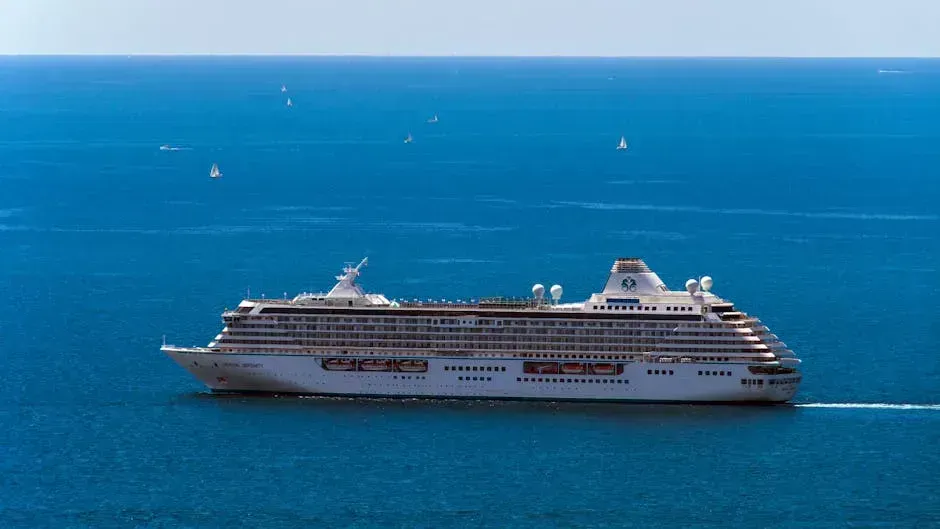
Norwegian Cruise Line is widely regarded as the trailblazer in solo cruising. In 2010, NCL launched the Studio Staterooms on the Norwegian Epic, marking the first time a major cruise line introduced an entire deck dedicated to solo travelers. Since then, the Studio Complex has been rolled out across multiple ships in the fleet. All Norwegian Cruise Line ships now have single occupancy cabins with no single supplement. Depending on the ship, categories may include studios, solo insides, solo ocean views, and solo balconies.
Royal Caribbean’s standard single supplement rate is 100 to 200 percent, depending on the sailing, which is eye-watering. However, many cruise lines charge as much as 200 percent “single supplement,” while Virgin Voyages rewards solo travel with a special solo cruise deal, making it far more affordable to travel alone. AmaWaterways often waives the single supplement fee for double occupancy rooms on select sailings, and their standard single supplement rate is just 20 to 25 percent – one of the lowest in the river cruise world. The landscape is genuinely uneven, and doing a bit of research before you book can save you a small fortune.
Practical Ways to Avoid Paying the Full Supplement

As this market grows, finding a way to cater to the solo traveler is becoming increasingly urgent. Many companies now offer discounts for room sharing, reduced single supplements, or tours specifically designed for solo travelers. More companies are offering more trips and more departures with more space without single supplements. Many new cruise ships now have single cabins built into the design. That is real, measurable progress – even if it’s unevenly distributed.
There are practical strategies worth knowing: choosing off-peak seasons, when prices are lower and rooms are more flexible; booking early, as some deals waive single supplements in advance; asking specifically about solo-friendly suppliers; and looking for smaller ships or boutique tours, which often mean better single pricing. If a tour is having difficulty booking and filling rooms, operators often prefer to have a few rooms with partial occupancy rather than none at all – so it’s always worth calling and asking directly. You’d be surprised how often a friendly conversation leads to a waived fee.
Is the Single Supplement Fair – Or Just Outdated?

Here’s the thing: the business logic behind the single supplement isn’t entirely without merit. Fixed costs are real. An empty bed still requires a made sheet. A room still needs to be cleaned whether one or two guests slept in it. The single supplement is not, strictly speaking, a rip-off – you are paying for the cost of the room. But the way it is applied and disclosed is a different story entirely.
An important distinction lies between recovering costs and discouraging solo participation. Pricing that quietly assumes couples as the default can unintentionally function as a deterrent to solo travelers, even when that is not the intent. Over time, this reinforces a perception that traveling alone is an edge case rather than a normal way of traveling. Market trends reflect a shift driven by the single supplement’s drawbacks, with the rise of single-supplement-free options in niche segments reshaping competition and attracting solo travelers. The industry is moving – just not quite fast enough for the millions of people already traveling solo right now. What would you pay to keep your freedom on the road? That’s the real question only you can answer.




Leave a Reply