
There’s no universal rulebook for what women like or dislike. Preferences shift with personality, background, and lived experience. Still, when researchers and social scientists look at large patterns across surveys, behavioral studies, and psychological research, certain themes emerge with striking consistency.
Some of these things are mildly frustrating. Others carry real weight, affecting women’s health, confidence, and professional lives. This list draws from documented research, not stereotypes, to highlight eleven experiences that genuinely bother , and often for very good reasons.
Being Talked Over or Interrupted

A number of linguistic studies, dating as far back as the 1970s, found a strong trend of women’s voices being cut off when men are in the room. In one well-known 1975 paper, researchers found that when men and women spoke to each other, men interrupted women far more than the reverse. The pattern hasn’t entirely disappeared in modern professional life.
A LeanIn.org Women in the Workplace report found that roughly half of all women have experienced being interrupted or spoken over, compared to about a third of men. Research also demonstrated that when faced with interruption, women reacted more negatively and were more likely to see the behavior as indicative of gender bias when the communicator was a man.
Condescending Explanations (Mansplaining)

A 2024 Forbes report found that more than half of women have experienced mansplaining at work, often leaving them feeling undervalued and less likely to speak up. The behavior isn’t just irritating in the moment. Its effects accumulate over time and change how women engage in conversations.
Video footage from research showed that after being spoken to condescendingly by a man, women spoke fewer words. Men, on the other hand, were unaffected. While this was a lab experiment, researchers noted these behaviors could have very real effects on women’s careers and lives. Studies from Cambridge University and Michigan State University have also shown that this dynamic decreases confidence and increases burnout.
Street Harassment and Unwanted Comments in Public
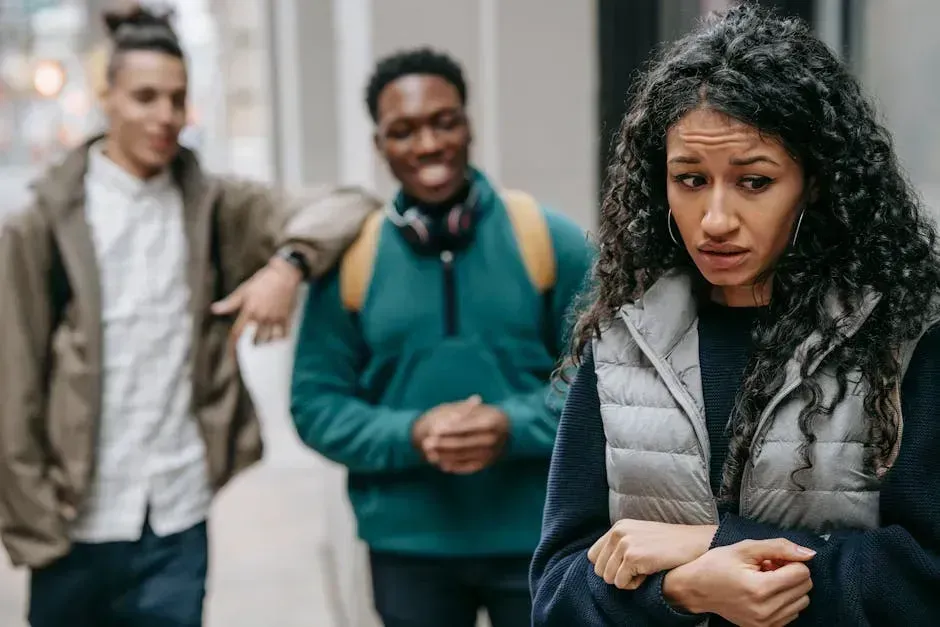
A 2024 national study surveying more than 3,300 U.S. adults found that the vast majority of women and nearly half of all men have experienced sexual harassment or assault in their lifetime. Roughly one in four U.S. adults experienced sexual harassment or assault in the past year alone, with significantly higher rates for women compared to men.
These abuses often occur as sexual harassment in public spaces, with nearly three quarters of women reporting harassment in locations like streets, parks, beaches, gyms, stores, buses, or subways. Over half of women experience sexual harassment or assault by age 18. These are not isolated incidents for most women. They are recurring features of everyday life.
Being Dismissed or Having Their Opinions Ignored

Dismissal of opinions, being interrupted, or talked over are among the most commonly cited interpersonal frustrations women report. Stereotypes that women are less competent lead many women’s contributions to be dismissed or overlooked. Many women have experienced disrespectful behaviors such as being frequently interrupted or talked over, told that they are wrong, or being corrected on things they actually understand well.
Stereotypes of women as less competent may lead others to downgrade, ignore, and question the importance of their contributions. These challenges to women’s full participation at work have increasingly been described in public discourse as the difficulties of “speaking while female,” due to behaviors like being interrupted and a lack of acknowledgment when voicing suggestions.
Unsolicited Advice About Their Bodies or Choices

Unsolicited advice about appearance, parenting, or lifestyle is one of the situational examples most consistently cited as something women find frustrating. Microaggressions related to gender, including assumptions about abilities, interests, or roles, also feature prominently. The commentary often comes from strangers, acquaintances, and even close family members.
The frustration here isn’t just about sensitivity. It reflects a broader pattern of treating women as though their personal choices require approval or correction from others. Whether it’s comments about weight, career decisions, or how they raise children, the cumulative experience of being second-guessed wears thin quickly.
Relationship-Threatening Behavior in Partnerships

Research published in academic psychology literature found that relationship-threatening behaviors were more annoying to women than to men, while autonomy-threatening behaviors showed the reverse pattern. This isn’t just about jealousy or possessiveness. It includes things like dishonesty, emotional unavailability, and unreliability, behaviors that women consistently rate as deeply problematic in close relationships.
Patterns that emerge from social research and surveys consistently show that the things many women commonly dislike fall into three broad categories: disrespect, dishonesty, and lack of emotional competence. Being honest and reliable, keeping commitments, and practicing active listening while validating experiences without immediately trying to fix them are among the qualities women value most in the people around them.
Aggressive Behavior and Physical Intimidation
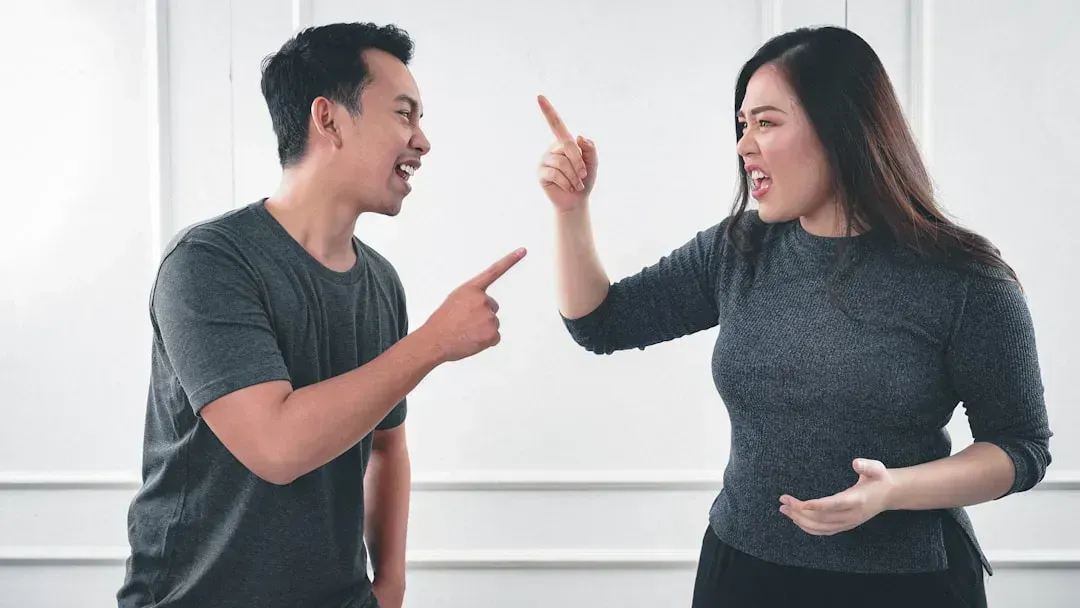
Research in evolutionary psychology found that aggressive behaviors were significantly more annoying and distressing to women than to men, a difference that held independently of age and education level. This makes intuitive sense given the physical reality that aggressive behavior from others poses a different kind of risk for women than it typically does for men.
Unsafe or inconsiderate behavior, including ignoring consent and reckless behavior when a partner is present, is among the most commonly flagged sources of discomfort women report across surveys. The discomfort isn’t irrational or oversensitive. It’s a well-grounded response to real patterns of risk.
Workplace Double Standards
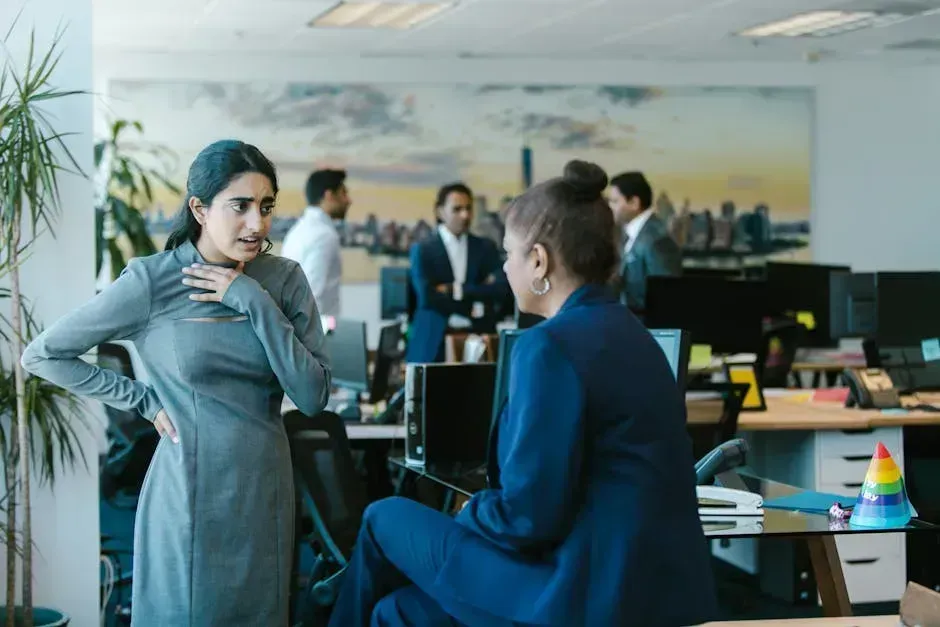
Research continues to add to a long catalog of double standards faced by women at work. Studies from the University of Michigan and Carnegie Mellon found that strategically trying to build professional networks pays off for men but backfires for women. When women built networks rich with high-status contacts, instead of receiving a status boost, their status gradually declined over time.
A team of researchers surveyed 900 women in leadership positions in health care, higher education, law, and faith-based nonprofits. These are fields considered relatively friendly to women, so whatever problems the survey revealed are likely to be even more pronounced in more male-dominated industries. The list of bias-related obstacles women described was extensive.
Being Treated as a Stereotype Rather Than an Individual

Being treated as a stereotype or possession rather than a full person is a persistent source of frustration. Preferences vary widely among women because individuals differ by personality, culture, age, and experience. Yet many women find themselves reduced to a category, especially in professional or social contexts where gender becomes the first thing others seem to register.
Comments that reduce a woman’s worth to her appearance or sexualize her without consent sit alongside being treated as a stereotype as the most consistently disliked social experiences women report. These experiences are connected: both involve being perceived as a type rather than a person with specific knowledge, opinions, and needs.
Having Their Social Awareness Dismissed as “Oversensitivity”

Research from Michigan State University has found that women are generally more sensitive to other people’s annoying behavior than men. The lead researcher suggested women may be more socially aware on average, making it easier for them to pick out behaviors that are genuinely problematic. Yet this heightened social awareness is often reframed as oversensitivity or emotional excess by others.
When women flag an interaction as condescending or dismissive, the response from others is often skepticism rather than acknowledgment. Research confirms that women perceive slights like interruptions or condescension in the workplace in a different way than men, and researchers have called for greater awareness of when and why “speaking while female” can be genuinely difficult. Dismissing that reality doesn’t make it disappear.
Feeling Unsafe Walking Alone

Personal safety in public spaces is something many women think about in a way that men largely don’t. Planning a route home, avoiding certain streets at night, and keeping a phone in hand are habits that have become second nature for a large share of women, not out of paranoia but out of learned experience.
The 2024 MeToo national study found that the vast majority of women have experienced sexual harassment or assault in their lifetime, and that these abuses frequently occur in public spaces, affecting nearly three quarters of women compared to roughly a quarter of men. The perpetrators of verbal, cyber, and physically aggressive sexual harassment are most often strangers. The precautions women take aren’t excessive. They reflect a documented reality that hasn’t improved in over a decade.
What this list ultimately reflects isn’t a collection of pet peeves. It’s a set of patterns, backed by research, that shape how many women move through daily life. Some of these experiences are deeply serious. Others are smaller frustrations that become exhausting through sheer repetition. Taken together, they point to something worth paying attention to: context matters, and so does the cumulative weight of experiences that are easy to overlook from the outside.




Leave a Reply