
Most holiday albums exist as background events. They fill rooms during parties, drift through shopping malls, and hum beneath Christmas dinner conversations. That’s what they were designed for, in many cases quite literally. The room was the instrument. But put on a pair of headphones, close your eyes, and some of these records reveal themselves as something else entirely.
A few of these albums were produced with such density, such deliberate layering of instruments and voices, that speakers tend to flatten their depth into a single wall of sound. Headphones crack them open. Others were recorded with a quiet intimacy that speakers dilute into mere pleasantness, while headphones restore something closer to presence. These eleven records all share that quality: they sound completely different, and often considerably more interesting, once you seal out the world.
A Christmas Gift for You from Phil Spector (1963)
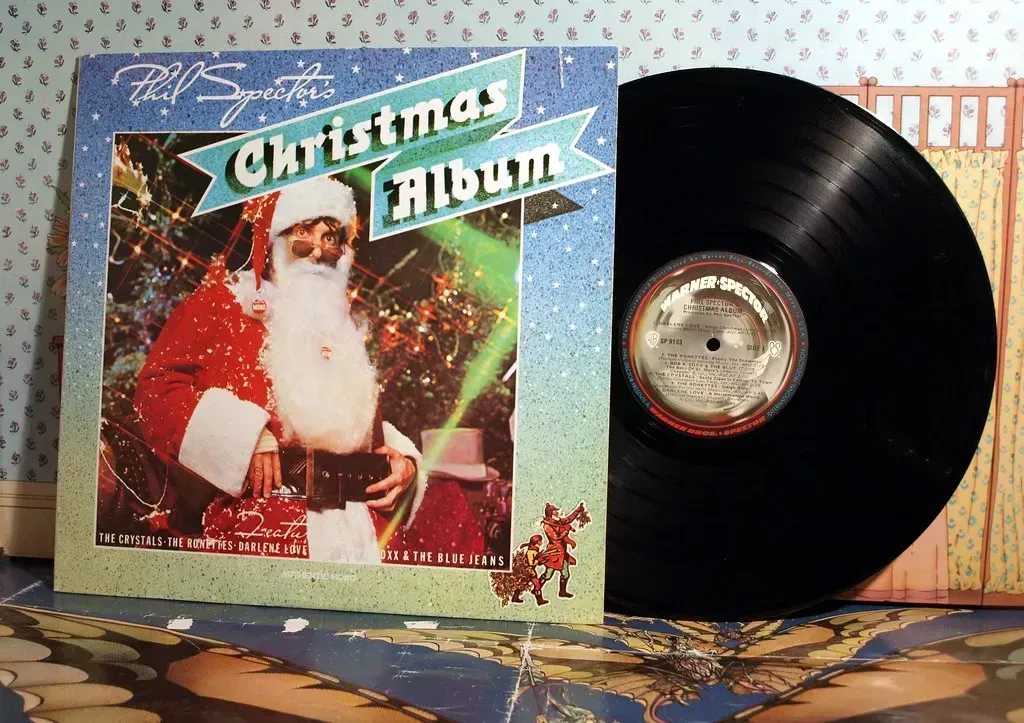
Originally released in November 1963 on the Philles label, this album applied Spector’s famous Wall of Sound production style to a series of mostly secular Christmas standards, featuring vocal performances from his regular stable of artists. Through speakers, the result is often described as a single tidal wave of noise. Through headphones, the architecture of that wave becomes audible. You start noticing how drums, castanets, and multiple guitar parts overlap, each occupying its own narrow slice of the mix.
The final master of the songs was created for maximum performance through the speakers of AM radios, jukeboxes, and cars, which had a limited frequency response concentrated in the midrange band, and the tracks were originally issued in mono because Spector believed that stereo would upset the balance of the mix. Headphones bring a different revelation: Spector’s arrangements required large ensembles, with multiple instruments doubling or tripling many of the parts to create a fuller, richer tone, and he would often duplicate a part played by an acoustic piano with an electric piano and harpsichord. Mixed in a certain way, the three instruments would be indistinguishable to the listener. Except, through headphones, they aren’t quite so indistinguishable anymore.
Mariah Carey – Merry Christmas (1994)

Merry Christmas has sold 18 million copies worldwide, making it the best-selling holiday album by a female artist in history and one of the best-selling holiday albums in world history. Its ubiquity on speakers means most people have absorbed it through car stereos and store PA systems, where the mix’s finer details simply don’t survive. The album’s arrangements feature a contemporary holiday style, enriched with gospel-influenced background vocals and instrumentation comprising keyboards, bass guitars, drums, and percussion.
The track listing is classic and the song sequence memorable, but more so, it is actually one of the most well recorded and produced Christmas music offerings, if not the most well-made holiday album in the history of music outside of the classic era. Through headphones, the album plays with superb detail, depth, and dimensionality, and breathes with a newfound openness and transparency that enhances the spirituality, passion, and festive tenor of Carey’s singing. The whisper-to-belt dynamic range in tracks like “O Holy Night” is genuinely startling in close listening.
Vince Guaraldi Trio – A Charlie Brown Christmas (1965)
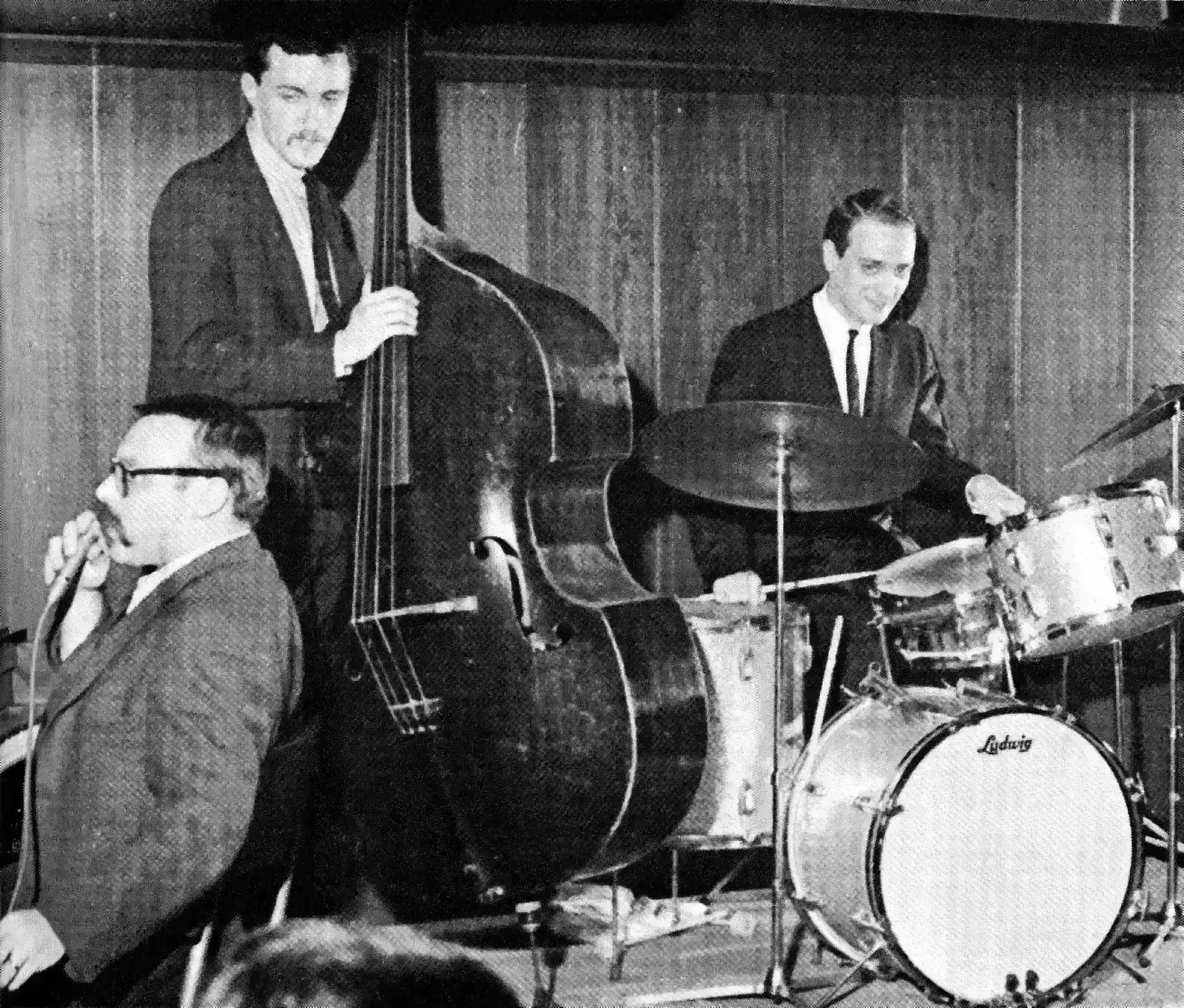
This album blends holiday cheer with jazz sophistication, featuring soft piano, mellow bass lines, and gentle percussion. Guaraldi’s compositions add a layer of depth and nostalgia that resonates with fans of all ages, and the open, natural sound of the recording is a treat for high-end systems, allowing each instrument to breathe and convey the holiday spirit. Through a room speaker, that trio settles into atmosphere. Through headphones, it becomes a conversation between three specific players.
From the swinging march of “My Little Drum” to the carefree fun of “Skating” to the wistfulness of “The Christmas Song,” Guaraldi brings the characters to life and evokes a wealth of feelings that encompass the very spirit of the holidays. The recording was made in 1965 with a directness and minimal processing that places the piano very close, almost uncomfortably so. With headphones, the key clicks and pedal sounds become audible, lending the whole record an unhurried, handmade quality that speakers typically absorb into the room.
Mannheim Steamroller – Christmas (1984)
Known for its electronic, orchestral sound, Mannheim Steamroller’s Christmas has become a modern holiday classic. The album’s high production quality, with crisp instrumentals and sweeping dynamics, is perfect for showing off what a hi-fi setup can do. On speakers, Mannheim Steamroller tends to sound grand but slightly overwhelming, all synthesizer swells and baroque counterpoint arriving at once. Headphones impose order on that chaos. The stereo imaging is unusually wide, with harpsichord parts panned far left and synthesizer drones appearing on the right while orchestral strings hover in the center.
The album was produced with remarkable attention to spatial placement, a fact that gets lost entirely when played through typical home speakers. Through headphones you realize the mix was essentially built for close listening, designed to create the sensation of being inside a cathedral rather than standing outside one. That’s a very different experience from what most people have encountered through living room stereos on December afternoons.
Trans-Siberian Orchestra – Christmas Eve and Other Stories (1996)
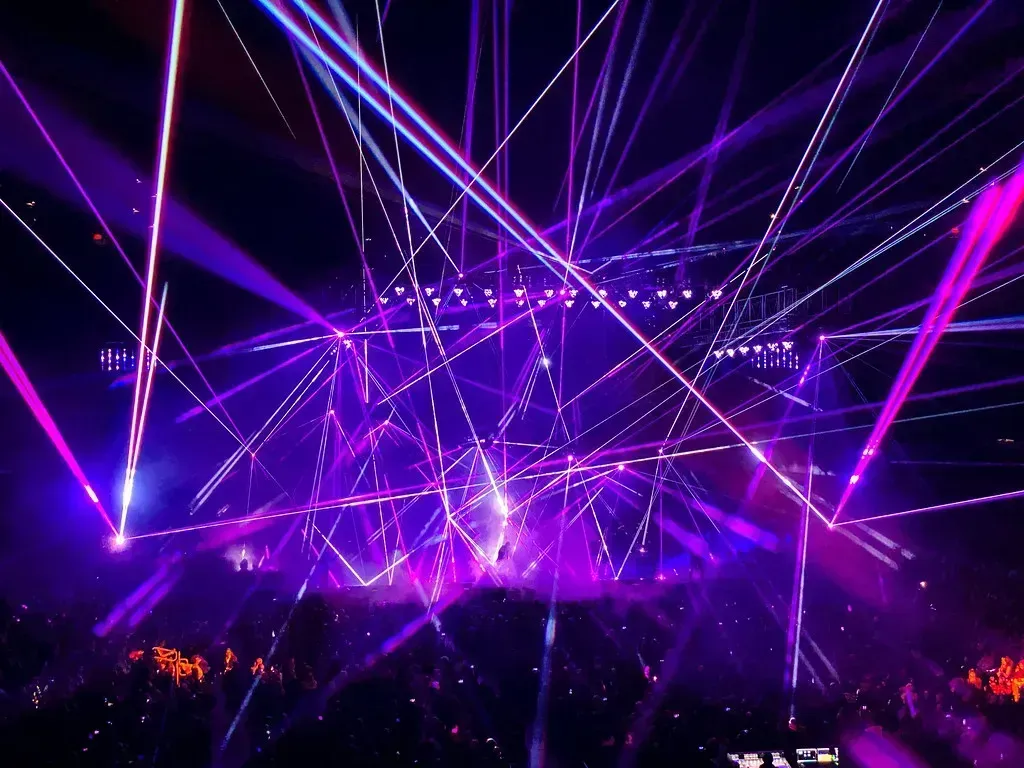
With its mix of rock, classical, and symphonic arrangements, Christmas Eve and Other Stories is a unique, high-energy album. The production emphasizes dynamic range and crisp instrumentals, making it an ideal holiday album for systems that can handle complex, layered soundscapes. Most listeners encounter this album through a speaker at high volume, which is one legitimate way to experience it. Through headphones, though, the narrative dimension of the record becomes far more legible. The album tells a story across its tracks, and the production uses spatial audio cues to move characters and sound effects around the stereo field.
Guitar solos emerge from spaces that speakers collapse into a single point. The orchestral sections have genuine depth, with lower strings sitting far back and brass sections stepping forward. There are moments of near-silence between movements that simply disappear in a room but become genuinely dramatic through headphones, the pause before a storm rather than a gap in the playlist.
Ella Fitzgerald – Ella Wishes You a Swinging Christmas (1960)
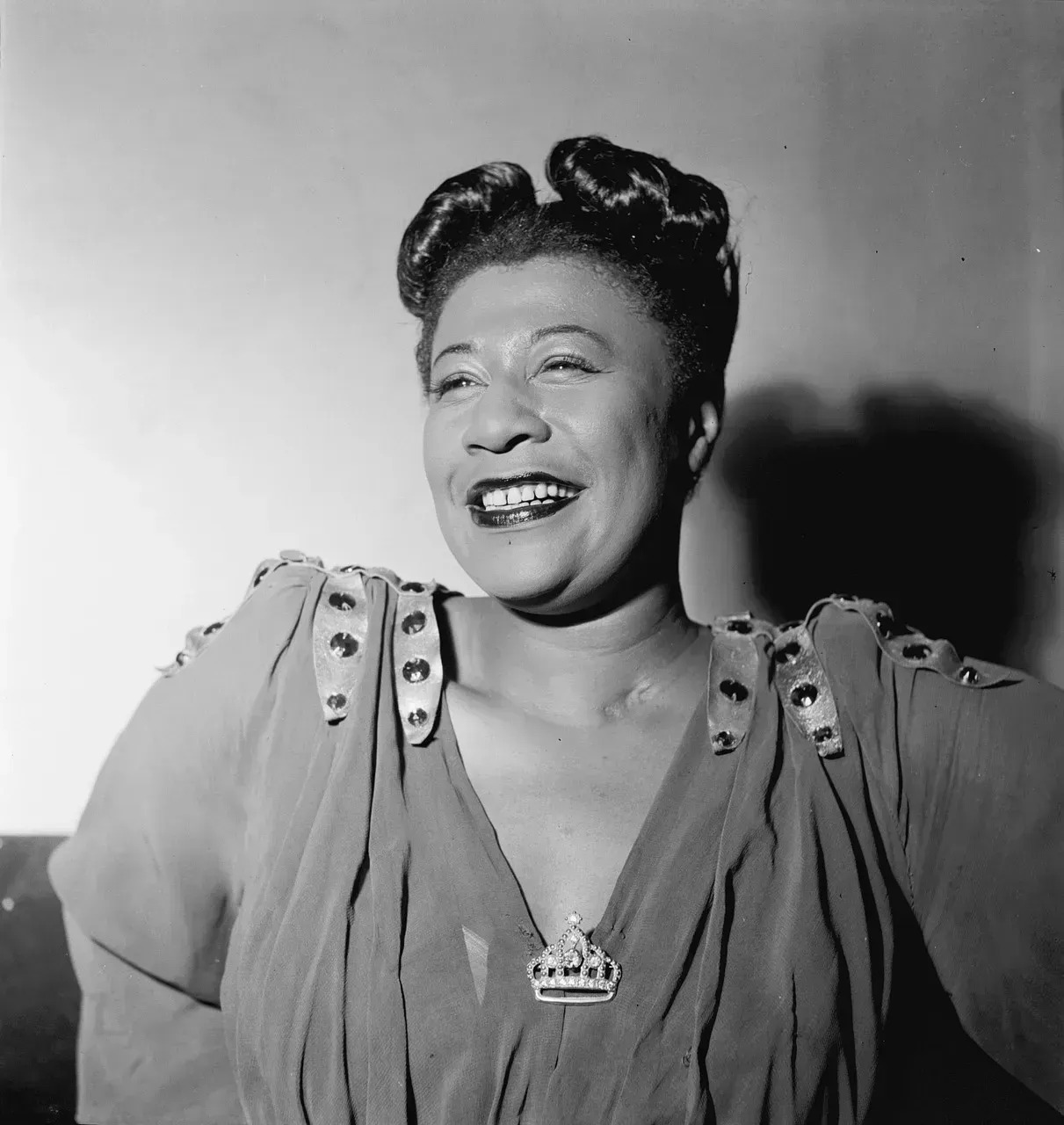
The 1960 album, recently reissued on double vinyl with six bonus tracks making their vinyl debut, is one of the cornerstone vocal jazz holiday records. The Frank DeVol arrangements are lush, filled with big band brass and string sections, and through a speaker the whole thing tends to blend into a pleasantly swinging wash. Through headphones, Fitzgerald’s voice separates clearly from the orchestration, and the specific qualities of her phrasing become audible in a way that background listening never reveals.
She bends notes in places that are easy to miss in a room, microadjustments of pitch and timing that constitute some of her most expressive singing. The brass section has real physical presence at close range, and the rhythm section sits in a distinct pocket beneath everything else. What sounds like holiday lounge music on speakers turns out, through headphones, to be a masterclass in jazz phrasing delivered with total control and considerable wit.
August Burns Red – Sleddin’ Hill (2012)
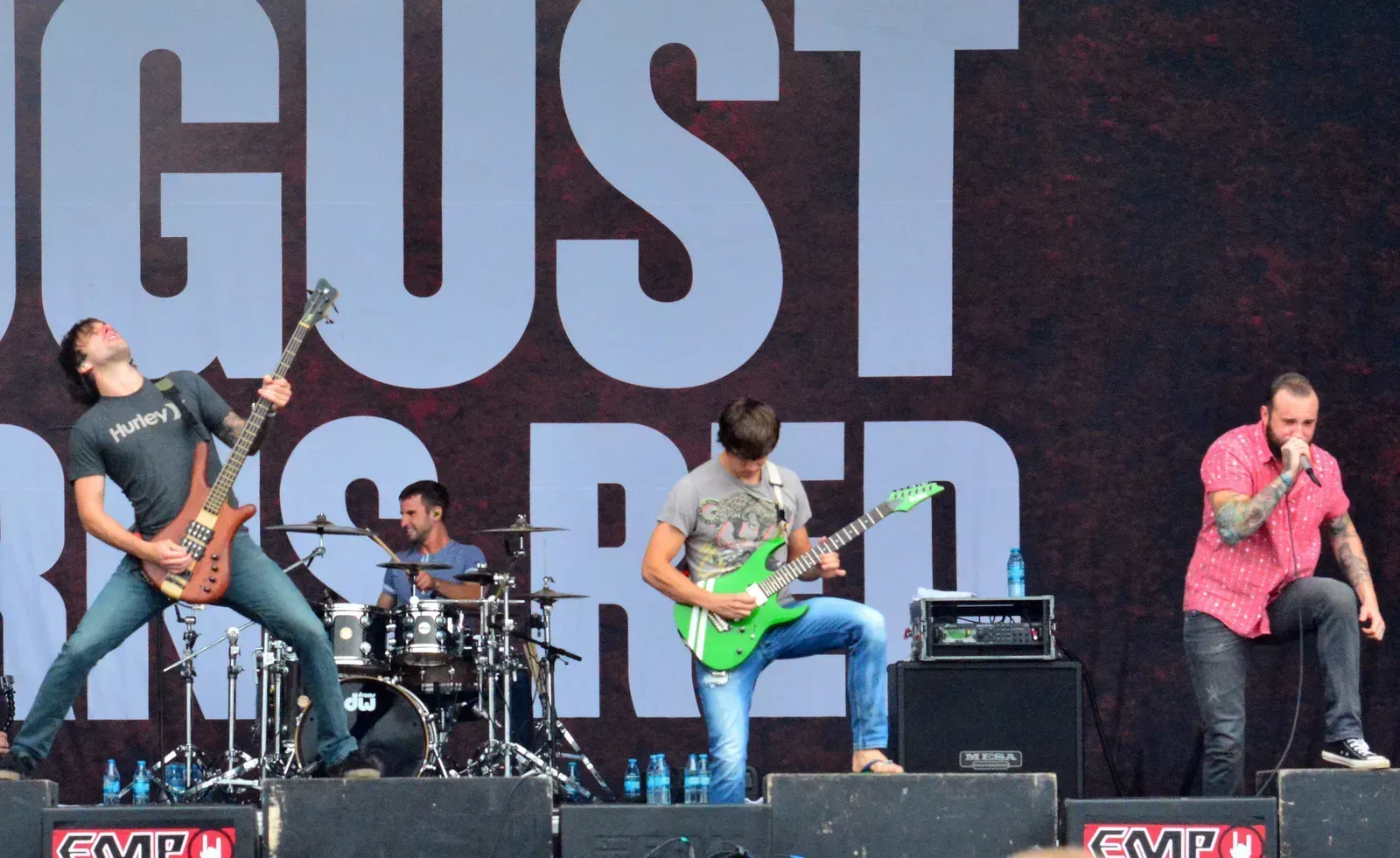
Sleddin’ Hill was an obvious choice from August Burns Red, as the annual tradition of supplying Christmas music started in 2009 with their version of “Carol of the Bells,” a version that would go on to be used in advertisements and television shows, and the band continued to release Christmas singles until the demand grew from songs to a full-length album. Through a speaker at regular volume, metalcore Christmas music tends to register as a single blunt force. Through headphones, the internal structures of these arrangements reveal themselves. There are actual melodic counterparts woven into the guitar work, and the rhythmic precision of the drum tracks is genuinely striking.
The genius of this record is how faithfully it reconstructs traditional carols before dismantling them. “Carol of the Bells” becomes a study in polyrhythm at close range, with guitar and drum patterns interlocking in ways that speakers render indistinct. Listeners who have only heard Sleddin’ Hill at a holiday party may find themselves listening to what sounds like a partially different album when they finally sit down with it and headphones.
Booker T. & the MG’s – In the Christmas Spirit (1966)
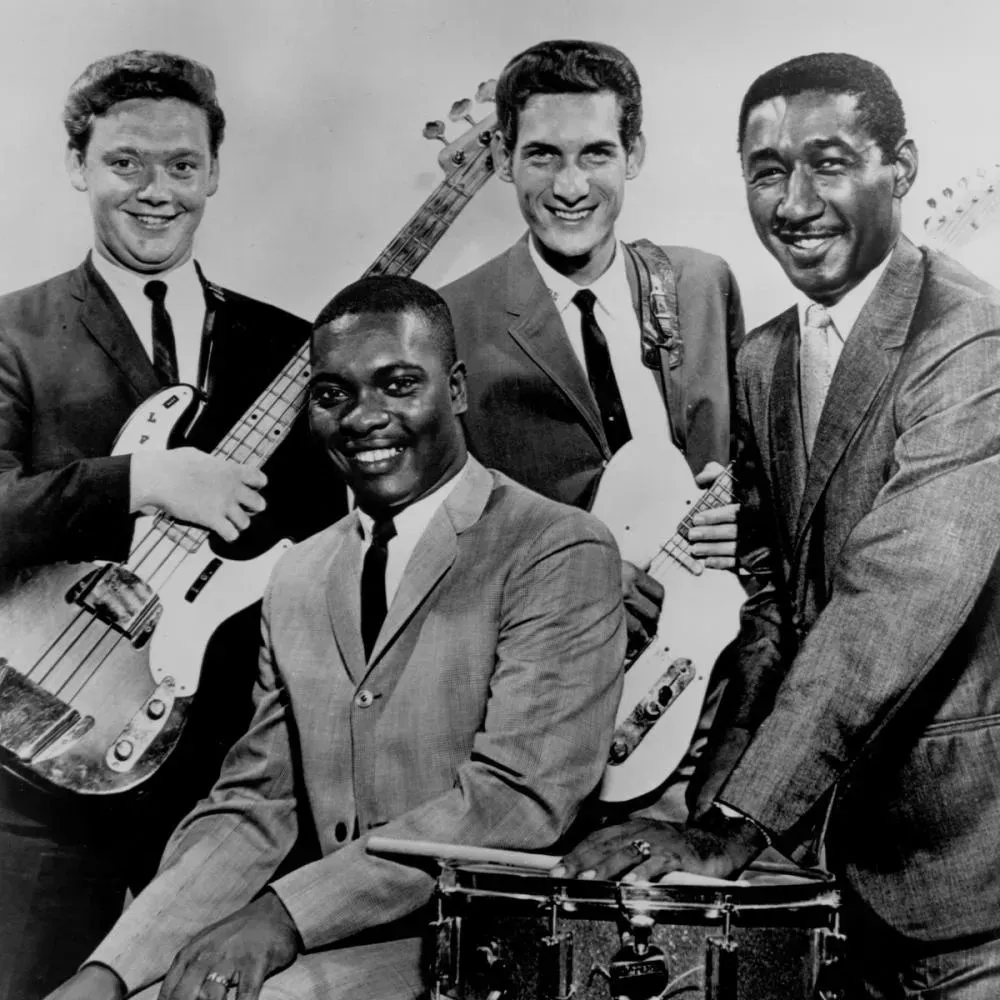
Booker T. & the MG’s walk the perfect line between easy listening and soul, and their treatment of traditional Christmas carols on In The Christmas Spirit never traverses the boundaries of good taste. The MGs were too cool for school, and listening to their fresh take on these old standards is like a refreshing breeze on a hot, sticky Memphis day. Through speakers at a holiday gathering, it tends to serve as smooth, agreeable background music. Through headphones, the interplay between Steve Cropper’s guitar and Booker T.’s organ becomes the main event rather than supporting detail.
The rhythm section, featuring Al Jackson Jr. on drums and Donald “Duck” Dunn on bass, locks together with a tightness that speakers tend to blend into a general groove. Through headphones those two instruments become distinct and audibly in conversation with each other. It’s a soulful and funky Christmas offering featuring the great session players from Memphis featured on so many soul hits of the ’60s and beyond. At close range, the session craft is immediately apparent.
Jethro Tull – The Jethro Tull Christmas Album (2003)
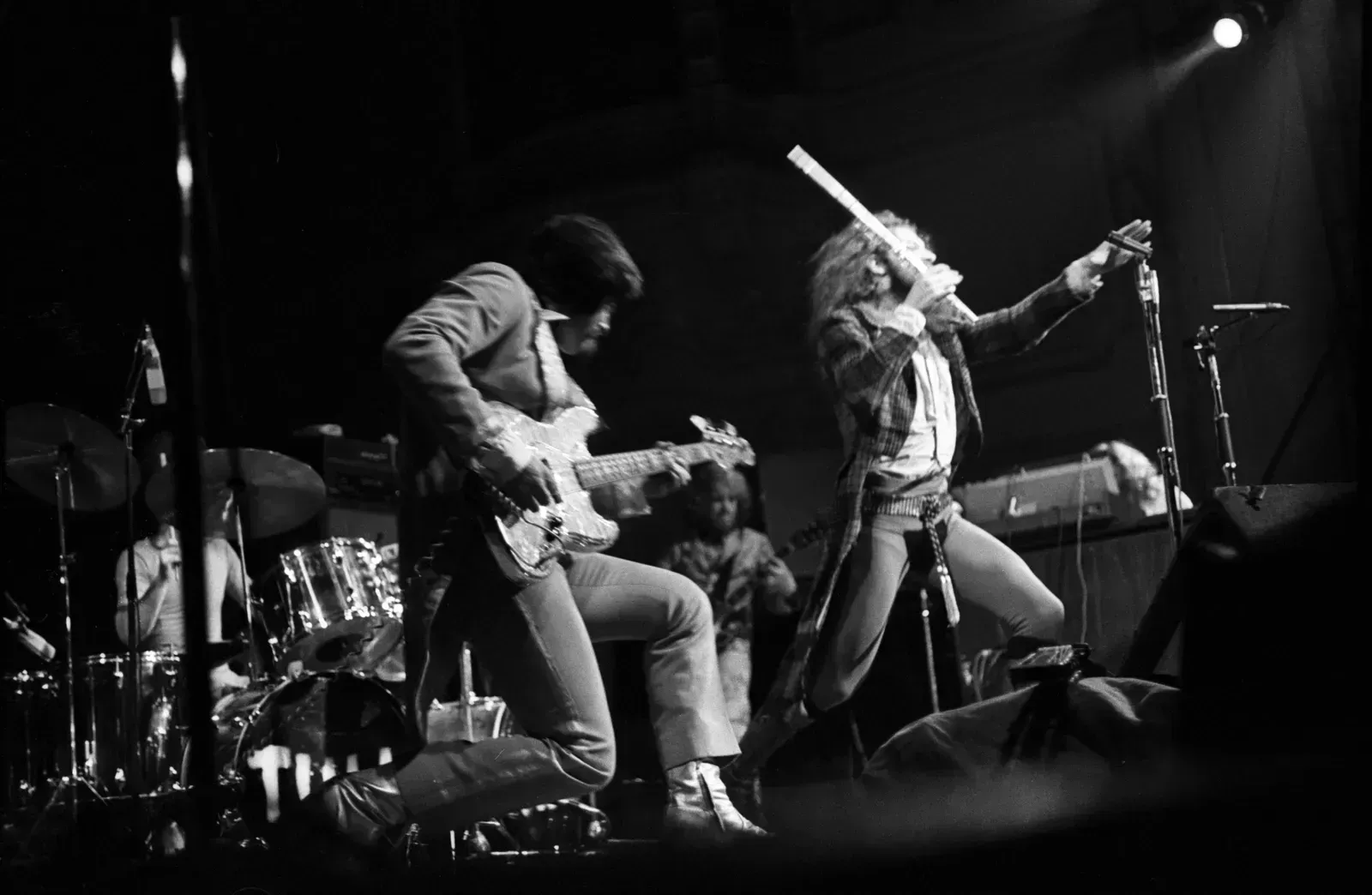
This album received a significant 2024 expansion as a four-CD, one-Blu-ray box set, remixed by Bruce Soord in stereo, 5.1 and Dolby Atmos. The original record was unusual for a holiday album: Ian Anderson’s flute-forward arrangements give it a medieval texture, and the production places acoustic and electric instruments in close proximity in ways that initially seem dissonant. Through speakers, this can sound merely cluttered. Through headphones, the logic of those choices becomes audible.
The 2003 album was remixed and expanded for the deluxe collection, which features all-new artwork as well as live material. Some of the songs are not Christmas songs but seasonal songs. That distinction matters through headphones, where the more contemplative, wintery tracks sit differently from the explicitly festive ones. Anderson’s flute sounds genuinely three-dimensional in the stereo field, and the acoustic guitar work sits with a clarity that speakers routinely absorb into the room ambiance.
Diana Krall – Christmas Songs (2005)
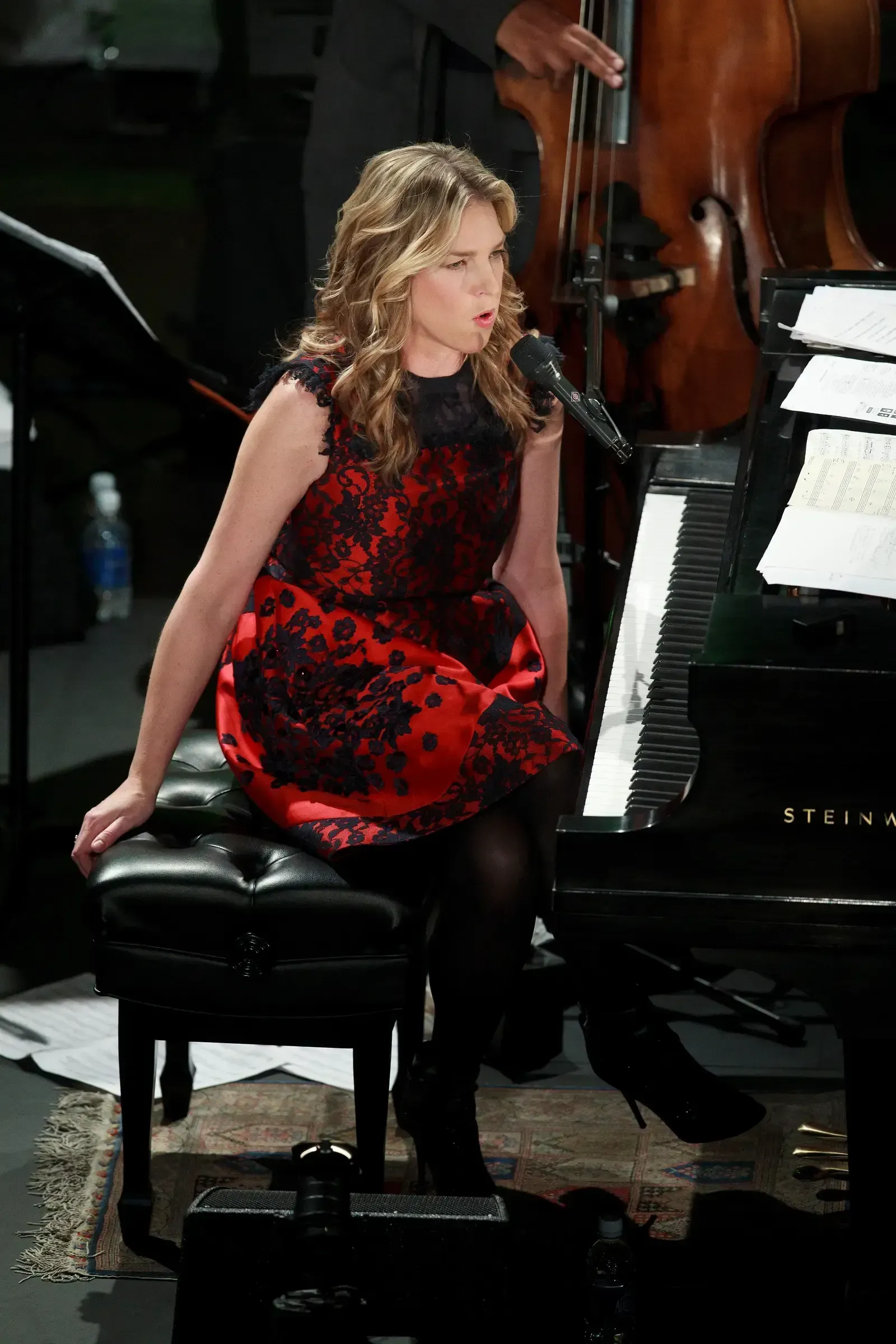
Diana Krall’s Christmas Songs is described as a contemporary vocal jazz approach to holiday classics, perfect for late-night fireside listening. The album was recorded largely live in the studio, with Krall at the piano and a small ensemble around her. Through speakers it sounds polished and seasonal. Through headphones, the room around the recording becomes audible, a warm acoustic space with a slight reverb tail on the piano’s sustain notes that gives the record a sense of physical intimacy almost no other holiday album quite achieves.
Krall’s voice is consistently placed very close in the mix, and through headphones the breath between phrases, the weight of her lower register, and the control in her upper range all become part of the experience rather than details that evaporate into the air. The piano voicings she chooses for familiar standards are often unconventional, leaning toward jazz harmony where other artists play it safe. Speakers flatten those choices. Headphones make them the point.
Trio Mediaeval – Yule (2024)
The Norwegian label 2L’s recording from this outstanding Oslo choir features arrangements that reflect Christmas as an emotionally intense season. The duality of darkness and celebration is reflected in many of the arrangements, notably with Kjetil Bjerkestrand’s arrangement of “Kling no klokka,” dark and celebratory in equal measure, with synthesizers accompanying the voices. Through speakers, the choral blend is beautiful but somewhat undifferentiated. Through headphones, three distinct voices become individually trackable, and the tension between them, the moments of dissonance before resolution, are audible in a way that room acoustics dissolve.
This is something you’d happily listen to all year round, and 2L’s production values are superb. The Norwegian audiophile label 2L is known for its commitment to high-resolution recording, and Yule benefits from that tradition. The spatial rendering of voices and the dynamic contrast between sparse and full passages is genuinely revelatory through headphones. Audiophile reviewers have noted that this album merits permanent placement in the front row of any serious listening collection. It’s the sort of record that makes you reconsider what holiday music can actually do.
What connects all eleven of these albums is that their makers, whether consciously or not, embedded information in the recordings that typical listening conditions fail to surface. Holiday music carries a particular social pressure to recede into background pleasantness. Sometimes the most interesting thing you can do with these records is refuse that role entirely, put on headphones, and pay attention.



Leave a Reply