There’s something quietly strange about a drink disappearing. No funeral, no farewell tour. One day it’s in the gas station cooler, and then one day it simply isn’t. For millions of Americans, a handful of sodas from the 1980s and 1990s belong to that particular category of lost things that you only realize you miss once they’re already gone.
Some of these drinks vanished due to poor sales, corporate reshuffling, or a market that wasn’t ready for them. Others built cult followings so fervent that fans organized petitions, flooded company phone lines, and refused to let the memory die. Here are eight of those sodas, each with its own strange story.
1. Surge: The Neon Green Cult Classic
Surge is a citrus-flavored soft drink first produced in the 1990s by the Coca-Cola Company to compete with Pepsi’s Mountain Dew, and it was advertised as having a more “hardcore” edge in an attempt to lure customers away from Pepsi. Bright green in color, Surge was described as a “Fully Loaded Citrus Soda with Carbos,” meaning it boasted a blend of bold citrus flavors and maltodextrin, which when combined with its low carbonation produced a bold yet smooth taste.
Lagging sales caused production to end in 2003 for most markets, but popular fan bases such as Facebook’s “SURGE Movement” led Coca-Cola to re-release the soft drink on September 15, 2014, for the US market via Amazon Prime. Surge’s campaign succeeded because it tapped into a specific demographic – millennials seeking a taste of their childhood – and capitalized on the rise of social media as a tool for collective action.
2. Crystal Pepsi: The Clear Cola That Confused Everyone
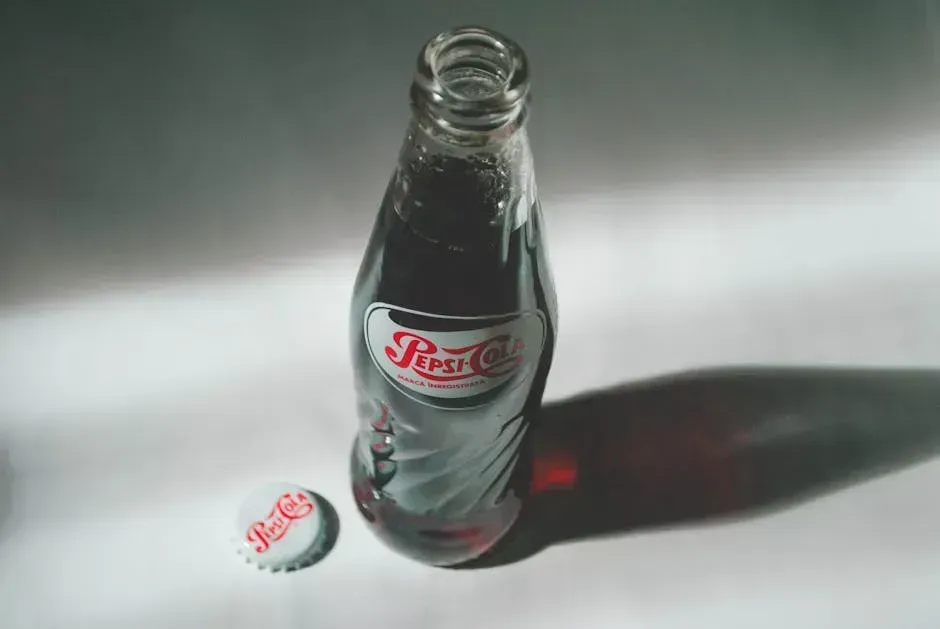
Crystal Pepsi was launched in 1992 with a huge marketing campaign and to great success, capturing a 1% soft drink market share worth approximately 474 million dollars in its first year. In the early 1990s, a marketing fad called the Clear Craze equated clarity with purity, and Crystal Pepsi rode that wave hard. PepsiCo made some mistakes, and Coca-Cola launched Tab Clear as a deliberate “kamikaze” copy to sabotage Crystal Pepsi, so it was off the market by 1994.
Hardcore fans refused to accept the news, lobbying PepsiCo so consistently that Crystal Pepsi returned for brief production runs in 2016 and 2022. Two decades after its disappearance, the soda was named by TIME Magazine as one of the “10 Biggest Product Fails of All Time,” noting that many purchases were likely due to curiosity and one try was enough. Being that kind of famous failure is, in its own way, a form of immortality.
3. Jolt Cola: All the Sugar, Twice the Caffeine
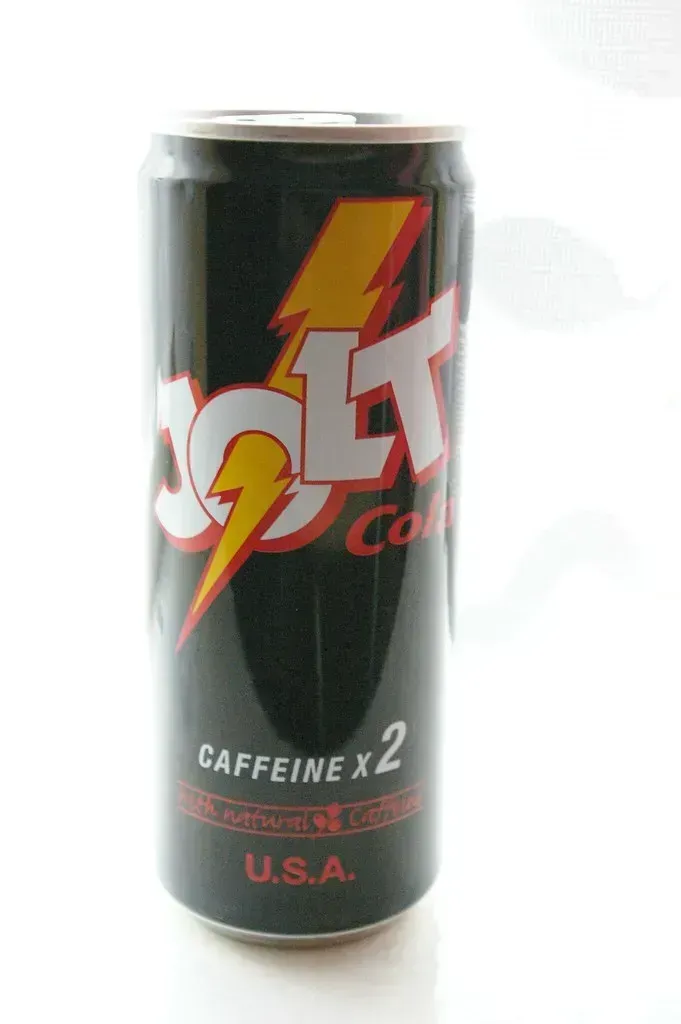
Launched in 1985, Jolt Cola boldly advertised “all the sugar and twice the caffeine,” positioning itself as a rebellious alternative to the diet drink craze. A 12-ounce can of Jolt Cola had 70 milligrams of caffeine in 1985, which was a genuinely radical amount for a mainstream soda at the time. Although Jolt gained a cult following among students and tech workers for its energy-boosting punch, its popularity eventually waned.
The heightened amount of caffeine in the beverage paved the way for such modern giants as Red Bull, which eventually overtook Jolt in popularity. Jolt filed for bankruptcy in 2009 but was made available again in Dollar General stores for a fleeting couple of years in the late 2010s before disappearing again. An announcement at the end of 2024 sparked some hope for Jolt aficionados, indicating that, in collaboration with energy drink brand Redcon1, Jolt would be making a return to shelves in 2025. This new 16-ounce version carries 200 milligrams of caffeine – nearly three times the original amount.
4. TaB: The Original Diet Soda Icon
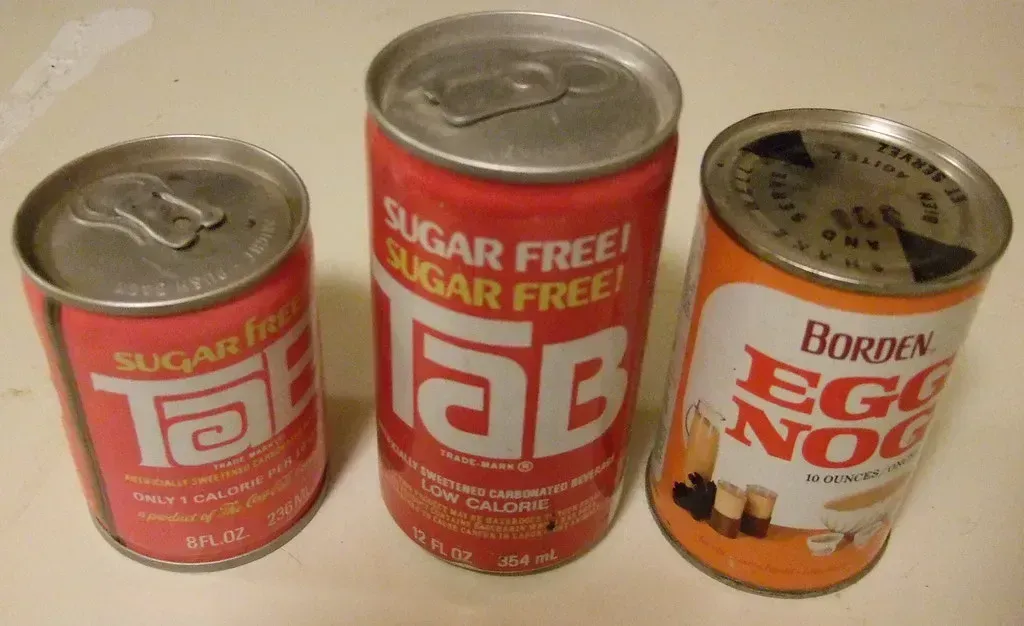
TaB came onto the soda scene in 1963, a time when American consumers were becoming more conscious of sugar consumption and weight gain. Coca-Cola came up with a sugar-free cola that was supposed to help customers keep a “tab” on their weight. TaB was an instant success and even survived a series of reformulations due to various bans over artificial sweeteners. The soda reached peak popularity in the 1970s and 1980s, and many devotees came to love it for its crisp, lemon-like taste rather than its purported healthiness.
During the 1970s and 1980s, TaB was the number one diet beverage in the entire United States. Once Diet Coke hit the scene in 1982, that all changed. In an effort to compete with Diet Pepsi, Coca-Cola wanted its own cola-flavored diet drink. Eventually, more marketing money was funneled into Diet Coke, and in October of 2020, Coca-Cola pulled the plug on TaB. After 57 years on shelves, its exit felt like the end of an era for anyone who had grown up reaching for that pink can.
5. Josta: The Energy Pioneer Nobody Remembers
Josta was a soft drink brand produced by PepsiCo and the first energy drink ever introduced by a major US beverage company. It was marketed as a “high-energy drink” with guarana and caffeine. PepsiCo’s pioneering energy soda launched in 1995, blending guarana with a bold flavor profile and a fierce black panther on its packaging – a groundbreaking product that paved the way for the energy drink craze that would sweep the market in the decades to come.
Josta was introduced in 1995, but PepsiCo pulled the drink from its lineup due to a change in corporate strategy in 1999. Shortly before the beverage was discontinued, an “Association for Josta Saving” was started. Josta’s flavor has been described as a combination of guarana and dragonfruit, and it is probably the most missed of these discontinued sodas, with fans still reminiscing about its flavor and deep red color decades later and spearheading campaigns to bring it back. The energy drink market it helped invent is worth billions today – without Josta ever getting a dime of credit.
6. Slice: The Fruit Soda That Actually Had Juice
When the drink got its start in 1984, cracking open a cold can of Slice meant you were about to enjoy a refreshing lemon-lime soft drink. By 1986, Slice also came in orange, cherry, and apple flavors. The earliest Slice actually had a decent bit of real fruit juice in it, though that juice content dwindled over the years until Slice was just an artificial fruit-flavored soda. That original promise of real fruit was genuinely unusual for its time.
The soda brand replaced Sierra Mist, which itself replaced Slice, a line of fruit-flavored sodas that included lemon-lime as its flagship. Slice was first phased out around 2010, and made a brief comeback as a low-calorie sparkling water brand in 2018. Its new owner has added Slice to its lineup and plans to bring it back in a healthier way. Under Suja Life’s guidance, Slice was set to be reintroduced in 2025 with a fresh look and revamped formula featuring clean ingredients.
7. Orbitz: The Lava Lamp You Could Drink
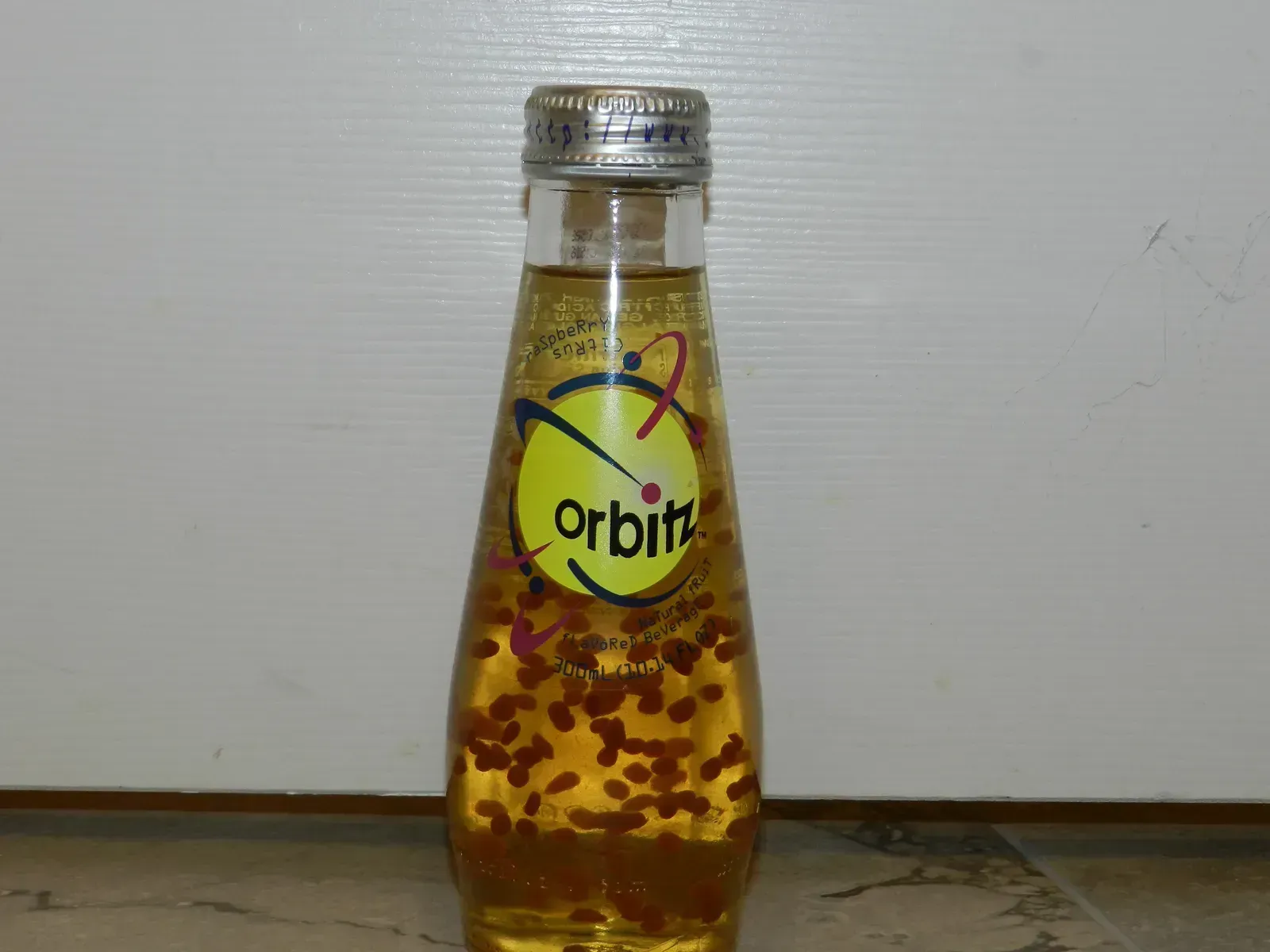
Launched in 1996 by flavored water company Clearly Canadian, Orbitz was a fruity, non-fizzy beverage dotted with colored gelatin balls. It looked just like a lava lamp in a glass bottle, and came in six exotic flavors, including vanilla orange, pineapple banana cherry coconut, and raspberry citrus. Describing it as a beverage almost feels generous. It was more of an experience.
Despite its striking looks, Orbitz failed to ever really take off and was discontinued in 1999. These days, unopened bottles sell at inflated prices on eBay. Those who long for the return of Orbitz face one serious obstacle: the expensive equipment used to make it is no longer available. Some drinks are too strange to survive and too strange to forget – Orbitz sits right at that intersection, remembered more as a cultural artifact than a beverage.
8. New York Seltzer: The Brand That Saw the Future
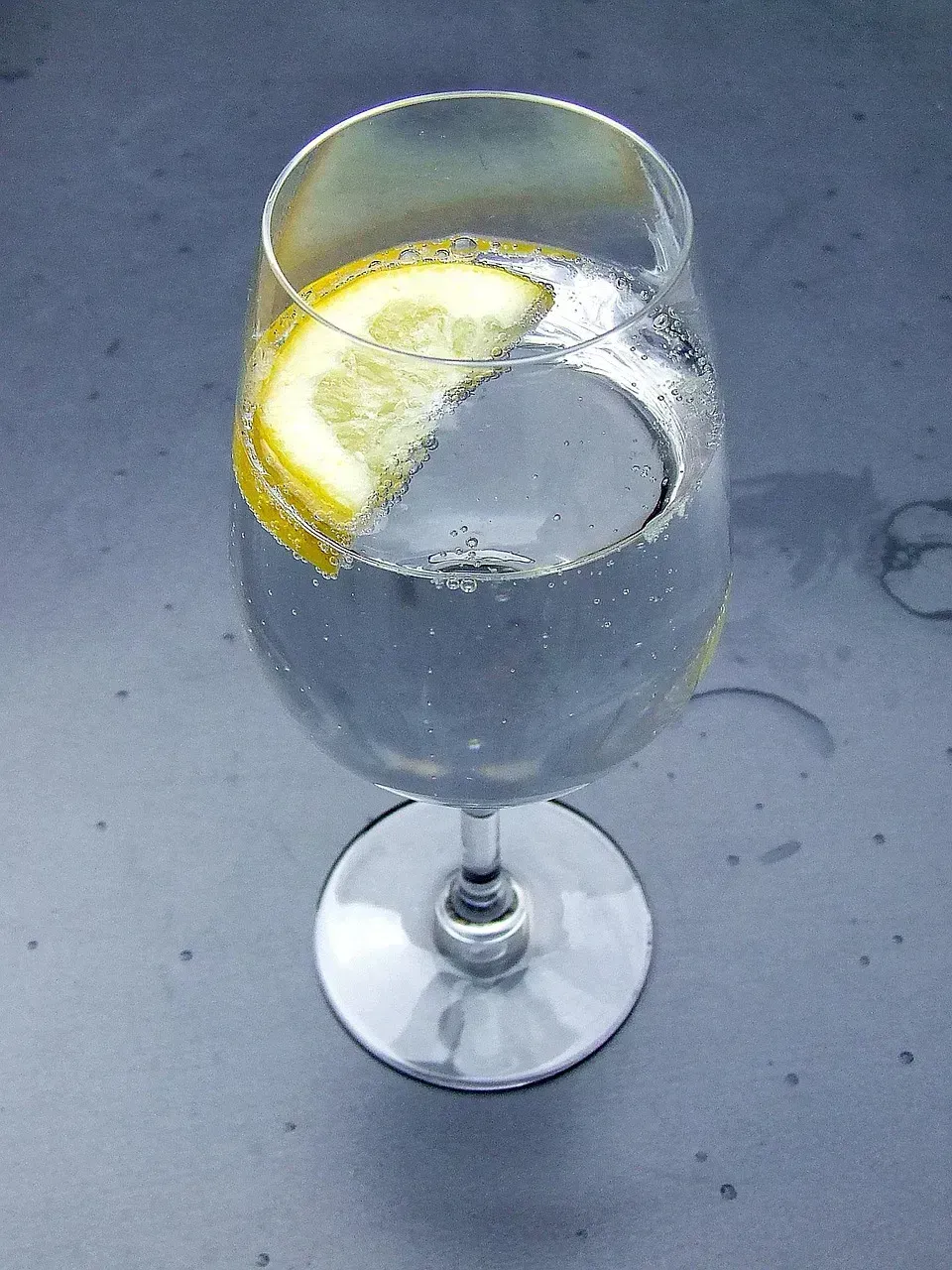
One soda brand in the 1980s predicted the resurgence of tasty seltzer – New York Seltzer. This non-caffeinated beverage was very popular in the 1980s and represented something genuinely ahead of its time: a flavored sparkling water with no caffeine and a clean ingredient list, decades before that concept became a whole industry. It was ultimately discontinued in 1994.
New York Seltzer came back in 2015 and now sells 11 flavors of seltzer water. Its return felt almost inevitable, given that the sparkling water category it essentially invented has since become one of the fastest-growing segments in the entire beverage industry. What once seemed like a quirky niche product turned out to be a glimpse at where American tastes were actually heading – it just took the rest of the market about three decades to catch up.
The soda graveyard is enormous, and most of what’s in it stays buried. What makes these eight drinks worth remembering isn’t just nostalgia. It’s the fact that each of them, for one reason or another, left a mark that outlasted the product itself. Whether through fan campaigns, lawsuits, or simply being too weird to forget, they stuck around in memory long after the last can was crushed.
Leave a Reply