
Tuna is one of the most nutritious proteins you can pull from a pantry shelf. It’s lean, rich in omega-3 fatty acids, and genuinely good for your heart, brain, and immune system. So it seems a little backwards that the way most of us eat it – loaded with creamy white mayonnaise – quietly works against nearly every one of those benefits.
Nutrition professionals and culinary experts have been increasingly vocal about this disconnect, and it’s not just about calories. The reasons to reconsider the mayo habit go deeper than most people expect, touching on food chemistry, inflammation, food safety, and even flavor. Here’s what the evidence actually shows.
Tuna Is One of the Healthiest Proteins on the Planet – Until You Add Mayo
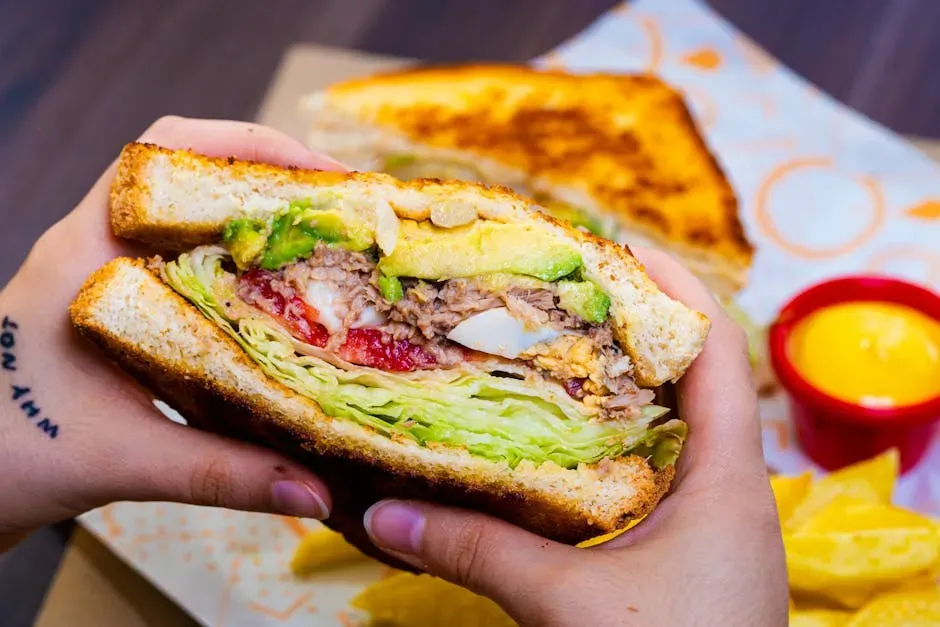
On its own, tuna is an excellent source of lean protein. Three ounces of albacore tuna provides about 23 grams of protein and only 120 calories. That profile makes it a genuinely powerful food for anyone managing their weight or trying to build muscle. Canned tuna is a nutrient-dense food and a good source of protein, omega-3 fatty acids, vitamin D, and selenium. Those omega-3 fatty acids are critical for healthy brain function, as well as reducing inflammation and supporting cardiovascular health.
Once mayonnaise enters the picture, that nutritional profile changes fast. Even smaller portions add up quickly, turning one of the leanest proteins available into a meal loaded with unnecessary calories and fats. The fish itself isn’t the problem – it’s the condiment that’s doing the damage. Health benefits of tuna can be negated if you load up with mayonnaise because that condiment is high in saturated fat. This creates an unfortunate situation where a healthy protein source becomes part of a less healthy meal.
The Calorie Math Is Worse Than You Think
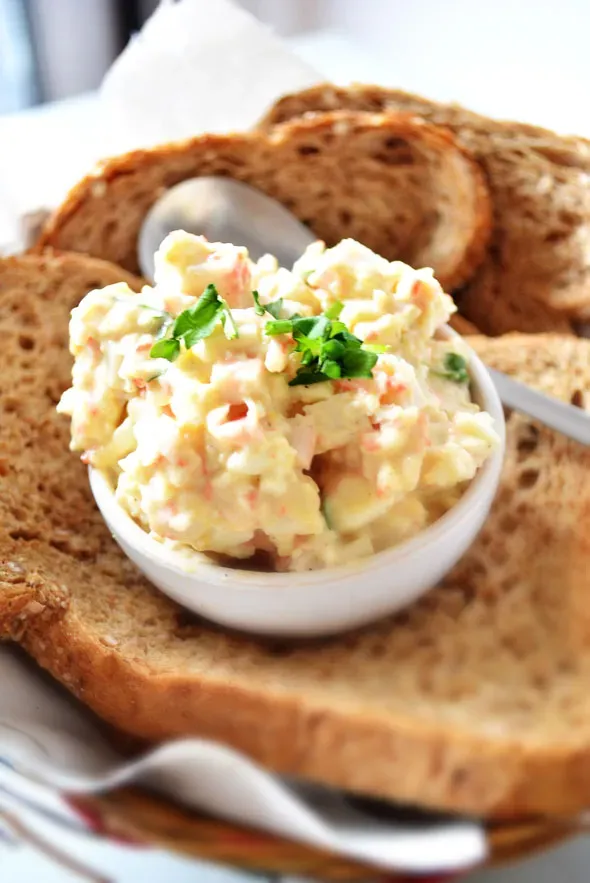
Mayonnaise delivers a shocking ninety-five calories in just one tablespoon, transforming an otherwise healthy tuna sandwich into a caloric landmine. Most people don’t realize they’re often using more than one tablespoon when preparing their tuna salad, easily doubling or tripling this caloric contribution. It adds up without much thought or intention.
A typical tuna sandwich with mayo contains between three hundred fifty and four hundred fifty calories, with much of that energy coming from the condiment rather than the nutritious fish itself. The accumulation of these hidden calories becomes particularly problematic for people trying to manage their weight. Unlike the protein-rich tuna that provides satiety and muscle-building benefits, mayo calories come almost entirely from fat. This means you’re consuming significant energy without the corresponding nutritional benefits that help you feel satisfied and nourished throughout the day.
The Inflammation Problem Hidden Inside the Jar
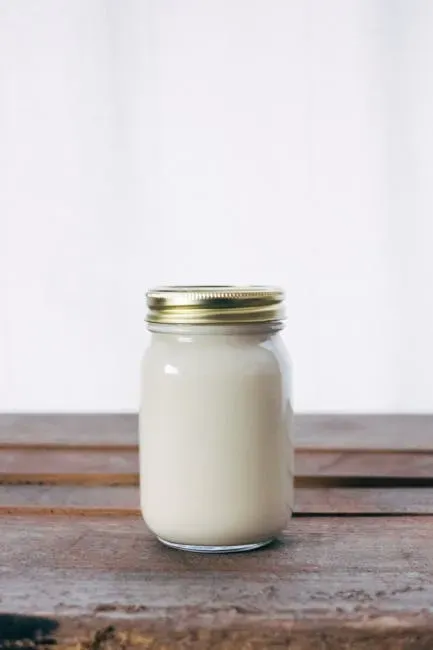
Commercial mayonnaise is made up of at least two-thirds vegetable oil by weight, most commonly soybean, sunflower, or corn oil. These oils are high in omega-6 fats, particularly linoleic acid, which research has linked to inflammation, obesity, and a higher risk of chronic disease when consumed in excess. That’s a significant concern when you’re eating tuna specifically for its anti-inflammatory omega-3s.
Historically, human diets contained a near one-to-one ratio of omega-6 to omega-3 fats. Today, that ratio has shifted dramatically, closer to ten-to-one in modern Western diets. This change happened rapidly, largely due to the rise of processed foods and seed oils. Mayonnaise is a concentrated example of that shift. Adding it to tuna essentially cancels out part of the very reason you’re eating fish in the first place.
Saturated Fat and Heart Health: What Experts Are Flagging
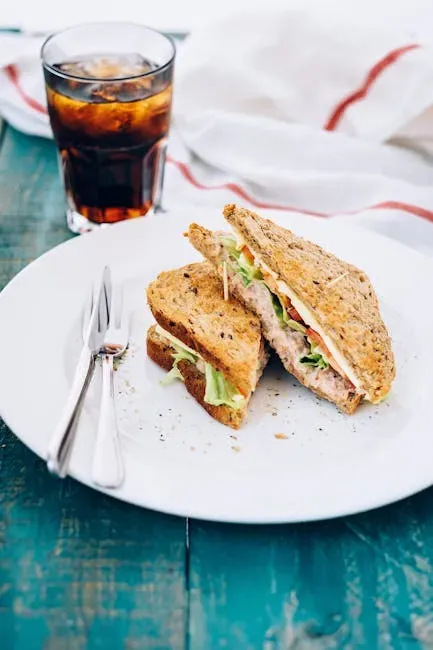
High consumption of saturated fats can raise cholesterol levels, increasing the risk of heart diseases, and mayonnaise contributes significantly to this concern. Traditional mayonnaise contains substantial amounts of these problematic fats, which accumulate quickly when used as a sandwich base. For people who eat tuna sandwiches regularly, that contribution isn’t trivial.
Loading up with mayonnaise can negate the health benefits because that condiment is high in saturated fat, with about 1.6 grams of this unhealthy fat per tablespoon according to the USDA. Mayo is more than ten times higher in fat and calories than plain yogurt, so adding loads of mayo to tuna salad can quickly add up to a daunting amount of fat, salt and calories. These are numbers worth pausing on, especially since tuna is so often thought of as the “healthy” option.
Sodium Stacks Up From Every Direction
The sodium content in tuna sandwiches comes from multiple sources, creating a compound effect that many people don’t consider. Regular canned tuna has significant added salt, and using unsalted canned tuna saves approximately two hundred to two hundred fifty milligrams of sodium per sandwich. When you add mayonnaise to an already sodium-rich base, the total becomes concerning for people monitoring their blood pressure. This sodium accumulation becomes particularly problematic for individuals with hypertension or cardiovascular concerns.
Mayonnaise is a source of vitamin K, but does contain about 90 milligrams of sodium per tablespoon. That’s sodium coming from the condiment alone, before you factor in the canned fish, the bread, or any added pickles or relish. It’s a layering effect that sneaks past most people’s awareness entirely.
The Food Safety Risk That Mayo Actually Creates
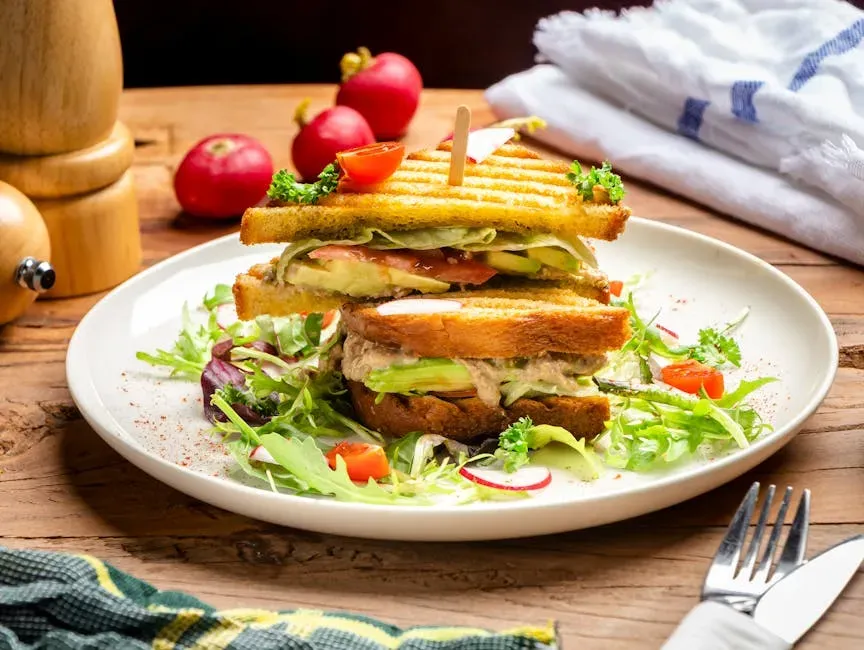
Tuna’s protein-rich nature and its pairing with mayonnaise create a breeding ground for bacteria, making refrigeration non-negotiable for longevity. When a tuna sandwich sits out for more than two hours, or just one hour if the temperature is above 90°F, it enters the “danger zone” where bacterial growth accelerates rapidly. This isn’t about spoilage – it’s about invisible pathogens that can cause severe illness within hours or days of consumption.
Tuna, being a protein-rich food, is particularly susceptible to bacterial growth. When combined with mayonnaise, which is often egg-based, the risk increases. Eggs can harbor Salmonella, and even commercially produced mayonnaise, while pasteurized, can become contaminated if not handled properly. Tuna is often mixed with mayo in a tuna salad, and you just never know how old that mayo is – plus there’s also the risk that the mayo has been left sitting in a hot kitchen all day before it’s mixed with your tuna and served to you.
What Happens to the Tuna’s Own Flavor
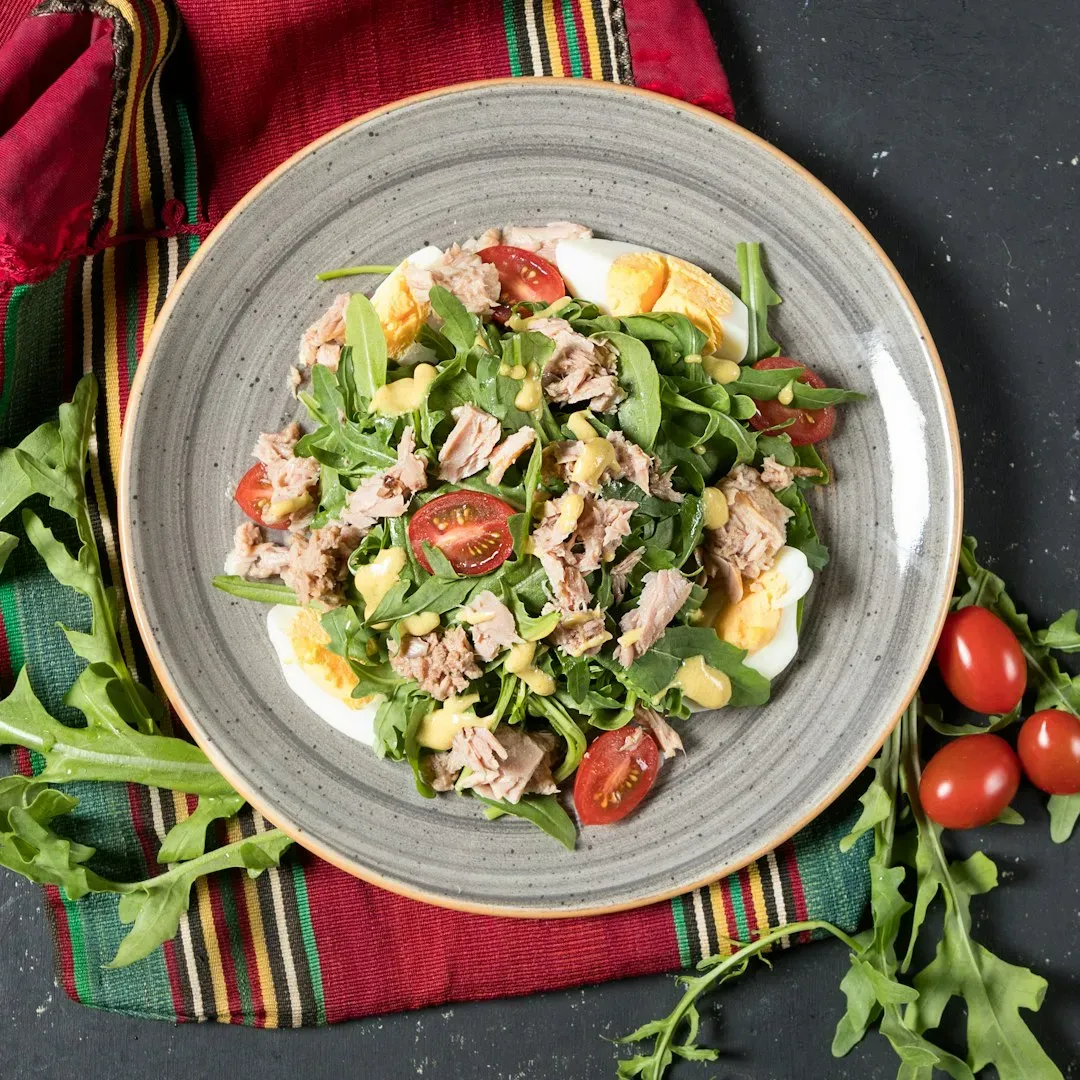
There’s a culinary argument here too, not just a nutritional one. Tuna has a genuinely distinctive, briny, ocean-forward flavor that most food professionals find worth protecting. Heavy mayonnaise doesn’t enhance that – it buries it. Olive oil combined with lemon juice creates a lighter, more refreshing alternative that lets the tuna flavor really shine through. This combination is actually quite common in places like Italy and France where they’ve been doing tuna salad this way for ages.
You can switch things up by adding a slice or two of cucumber or including lettuce and tomato for that refreshing bite, but if you truly want to enhance the taste of this dish, culinary specialists suggest replacing mayonnaise with sour cream instead. The point is that tuna is an ingredient with real character, and it doesn’t need to be masked – it needs a lighter hand to let that character through.
The Best Alternatives Nutritionists Actually Recommend
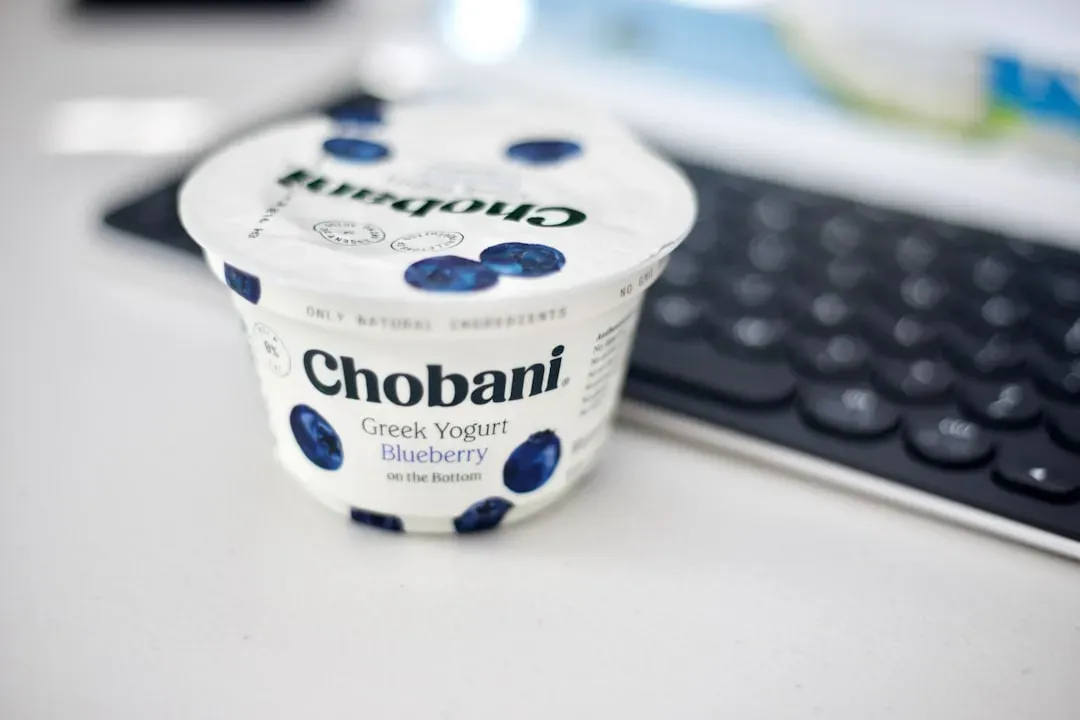
Greek yogurt is the perfect mayonnaise substitute for tuna because it’s rich and creamy while being lower in fat. You get nearly the same texture and tang, but with way fewer calories and a serious protein boost. Low-fat plain yogurt has the creamy consistency and tangy flavors that blend so deliciously with briny tuna, and the healthiness of yogurt is an added bonus since it’s naturally high in calcium and has gut-friendly probiotics, in addition to being low in fat.
Avocado brings healthy fats and a naturally creamy texture that works beautifully with tuna, though it does add a green tint to your salad. Hummus is another fantastic choice that adds both protein and fiber while delivering that Mediterranean vibe many of us crave. While commercial sour cream contains 18 to 20 percent fat, it is still lower in fat than mayonnaise – making it yet another reasonable swap for those who want something with a similar richness but a lighter nutritional footprint.
Restaurant Tuna Sandwiches Are the Worst Offenders
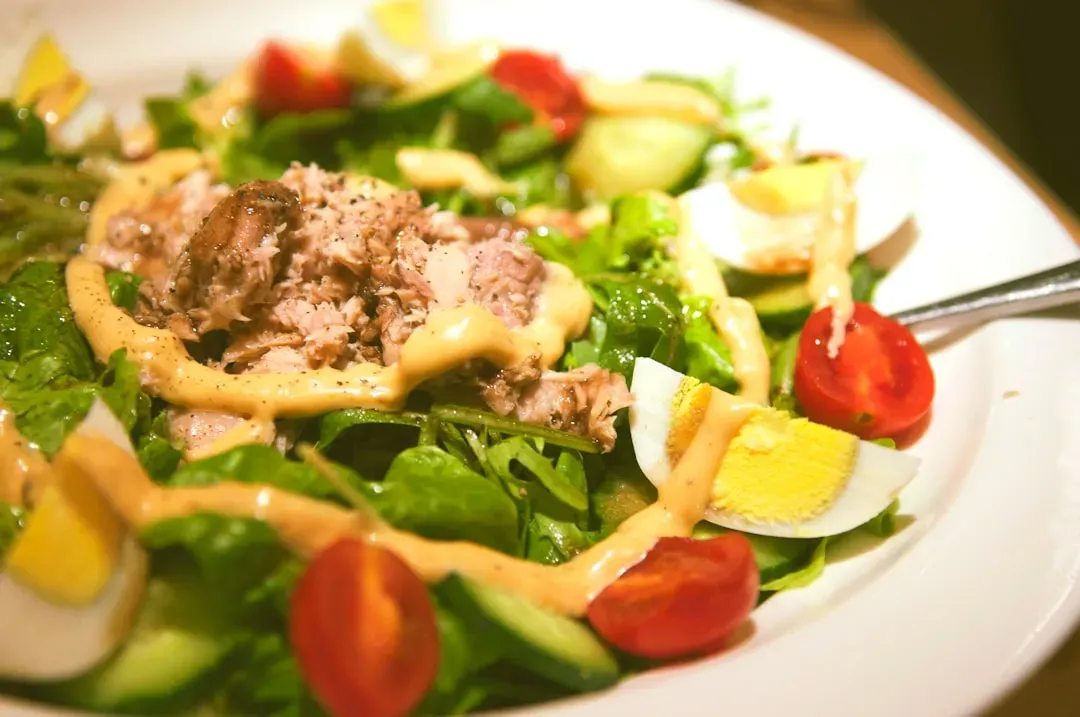
Tuna salads at restaurants are typically loaded with fat and sodium-filled ingredients, from mayonnaise to extra salt, making restaurant tuna salad calorie-dense and far from a healthy option. When you order out, you have essentially no control over how much mayo goes in, and kitchens rarely err on the side of restraint. When you order tuna salad at a deli or restaurant, you have zero control over the quality or quantity of ingredients being used. Commercial kitchens often use cheaper mayonnaise varieties and pile it on generously because fat equals flavor and they want you coming back.
According to the USDA, one cup of tuna salad has 383 calories and the calorie breakdown is 54% fat, 15% carbs, 31% protein. That fat percentage tells the real story. More than half the calories in a standard tuna salad come from fat – and virtually all of that fat is from the mayo, not the fish. Preparing tuna at home gives you back the control that eating out strips away.
Making the Switch Is Easier Than It Sounds
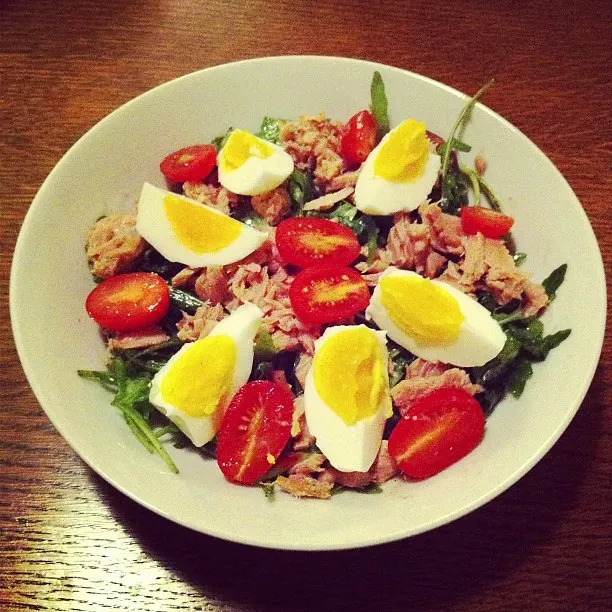
A flavorful, healthy tuna salad without mayo can use celery, Dijon mustard, lemon juice, fresh herbs, and extra virgin olive oil to create a super flavorful dish. These are pantry staples most people already have. The adjustment is less dramatic than it might seem – the tuna still binds, the texture still satisfies, and the overall flavor is arguably fresher and more interesting.
Tuna fish sandwiches can be made healthier by using whole grain bread, adding fresh vegetables, and choosing low-fat mayonnaise. Whole grain bread is a better choice than white bread. It provides more fiber, which aids digestion and promotes a feeling of fullness. Small changes at each layer of the sandwich compound into a genuinely different nutritional outcome – and the tuna, at last, gets to be the star it always was.

Leave a Reply