
Most people treat the fridge like a safety net. Cook something, slide it in, and assume it’ll be fine for days. The truth is a little more complicated. Although refrigeration slows the growth of most bacteria, they can still grow to unsafe levels and cause a foodborne illness if food is stored for too long. The fridge slows things down, it doesn’t stop them.
While the general guidance from food safety authorities covers most leftovers, certain cooked foods degrade or become risky far faster than others. These are the eleven you really shouldn’t be keeping beyond that 24-hour mark.
1. Cooked Mushrooms
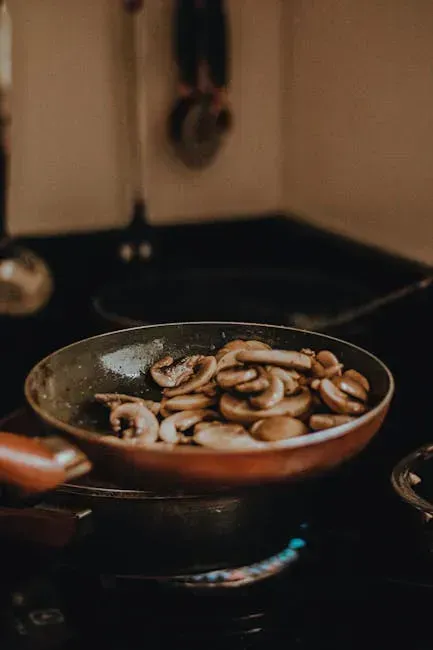
Mushrooms are deceptively fragile once cooked. If mushrooms are not refrigerated quickly after being cooked, their complex enzymes and proteins begin to break down, making them susceptible to dangerous bacteria, which can be worsened by the reheating process. The moisture they hold accelerates this breakdown significantly.
According to the European Food Information Council, if cooked mushrooms are kept in the fridge for no longer than 24 hours, they can safely be reheated, with the recommended reheating temperature at 158 degrees Fahrenheit or 70 degrees Celsius. Past that window, the risk rises quickly, and no amount of thorough reheating fully corrects deteriorated mushroom proteins.
2. Cooked Shellfish
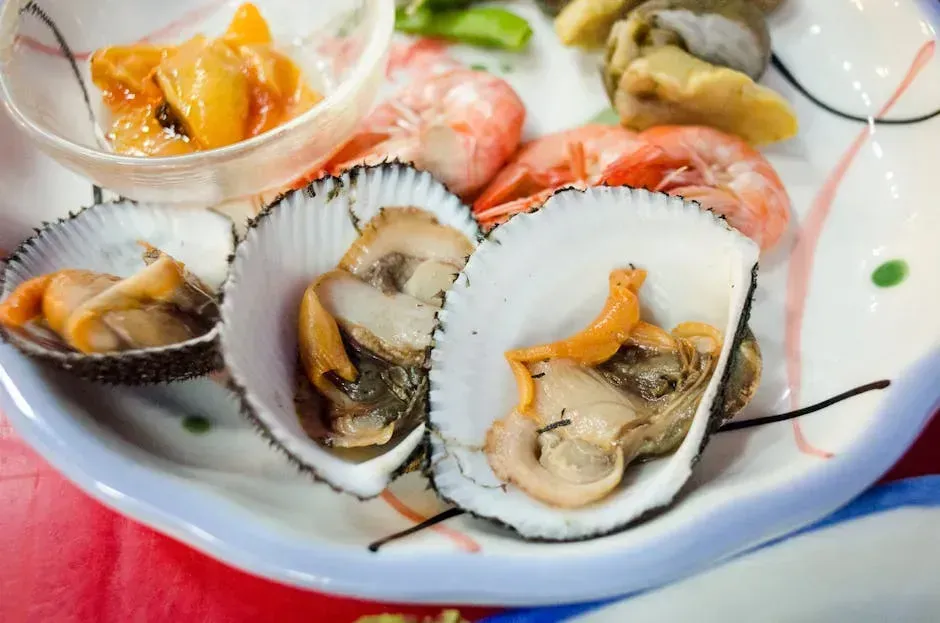
Shellfish sit at the top of the risk list when it comes to cooked leftovers. Dead shellfish spoil rapidly and develop off-flavors and off-odors. The bacteria responsible, particularly Vibrio species, can multiply quickly even in a cold environment.
You should never leave seafood or other perishable food out of the refrigerator for more than two hours, or more than one hour if temperatures exceed 90 degrees Fahrenheit, because bacteria that can cause illness grow quickly at temperatures between 40 and 140 degrees Fahrenheit. Cooked clams, mussels, and oysters are especially prone to rapid protein breakdown, making the 24-hour window a practical ceiling, not a safe midpoint.
3. Cooked Rice
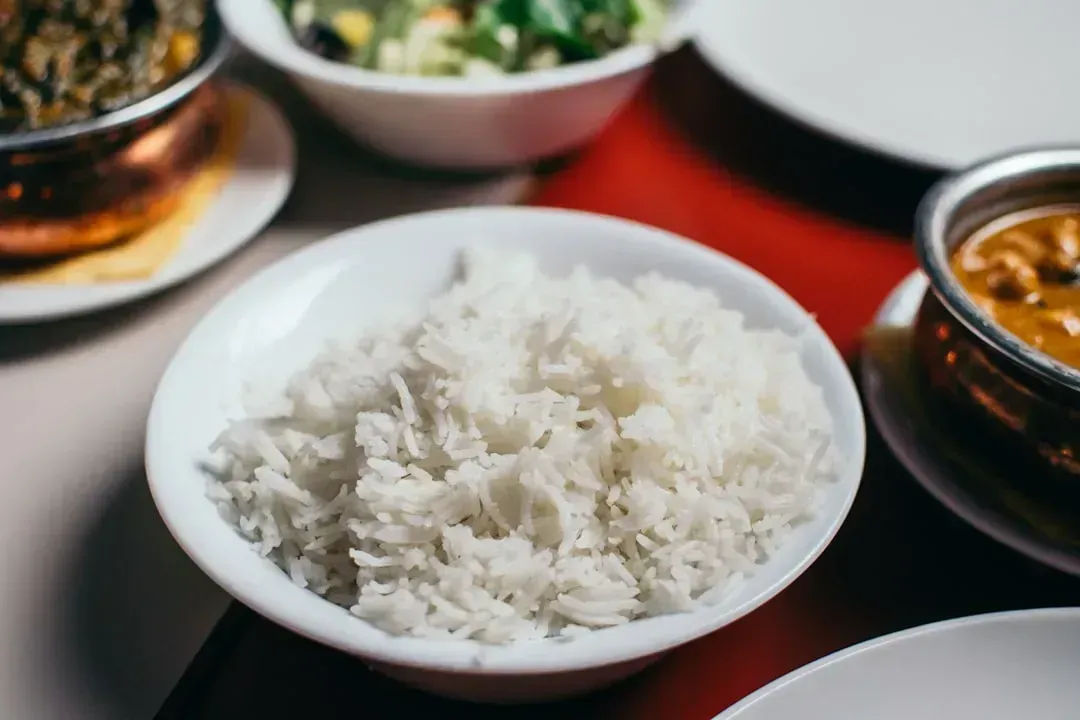
Rice has a particular reputation among food scientists for harbouring a specific threat: Bacillus cereus. Some bacteria, such as staphylococcus and Bacillus cereus, produce toxins not destroyed by high cooking temperatures. These toxins form while rice sits at room or warm temperatures, and they survive reheating entirely.
Bacteria grow rapidly between the temperatures of 40 and 140 degrees Fahrenheit, and within two hours of cooking food or after it is removed from an appliance keeping it warm, leftovers must be refrigerated. Rice stored longer than 24 hours, or rice that was left out before refrigerating, carries a meaningfully higher toxin risk than most people realize.
4. Raw Fish Sushi and Sashimi

Leftover sushi is a real-world dilemma that trips people up regularly. According to the USDA, raw fish at room temperature should be eaten within two hours, and if you want to refrigerate sushi containing raw fish, you must consume it within one to two days. That already short window becomes even more pressing when you factor in handling time at the restaurant before it ever reached your plate.
As an uncooked animal protein that’s somewhat heavily handled, raw fish sushi is a riskier food than most. Listeria contamination is particularly worrisome because this bacteria can grow in the fridge, and while it rarely causes illness in healthy adults unless consumed in large amounts, immunocompromised individuals can become extremely ill from relatively small quantities. If you’re unsure how long it’s been refrigerated, it’s simply not worth the gamble.
5. Cooked Poultry
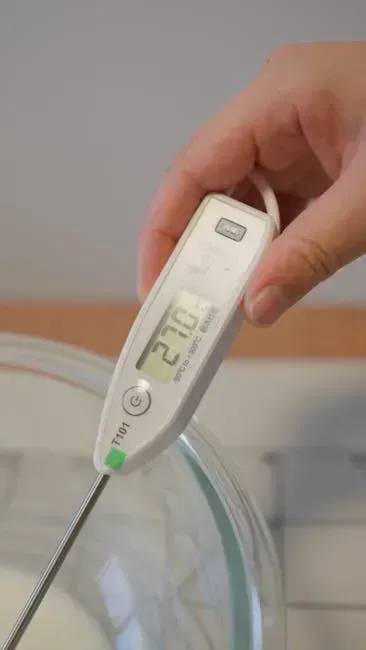
Chicken and turkey are among the most common sources of foodborne illness in households worldwide. All poultry should be cooked to an internal temperature of 165 degrees Fahrenheit as measured with a food thermometer. That initial cooking step is critical, but storage is where many people make mistakes.
Fresh poultry should be cooked or frozen within two days. Once cooked, whole poultry dishes or dishes heavy with shredded chicken should ideally be eaten within 24 hours, especially if they contain added sauces, cream, or stuffing that provide extra environments for bacterial activity. When dealing with cooked turkey, cut it into smaller pieces and refrigerate; slice breast meat, while legs and wings may be left whole. Smaller portions cool faster and stay safer longer.
6. Cooked Stuffed Dishes
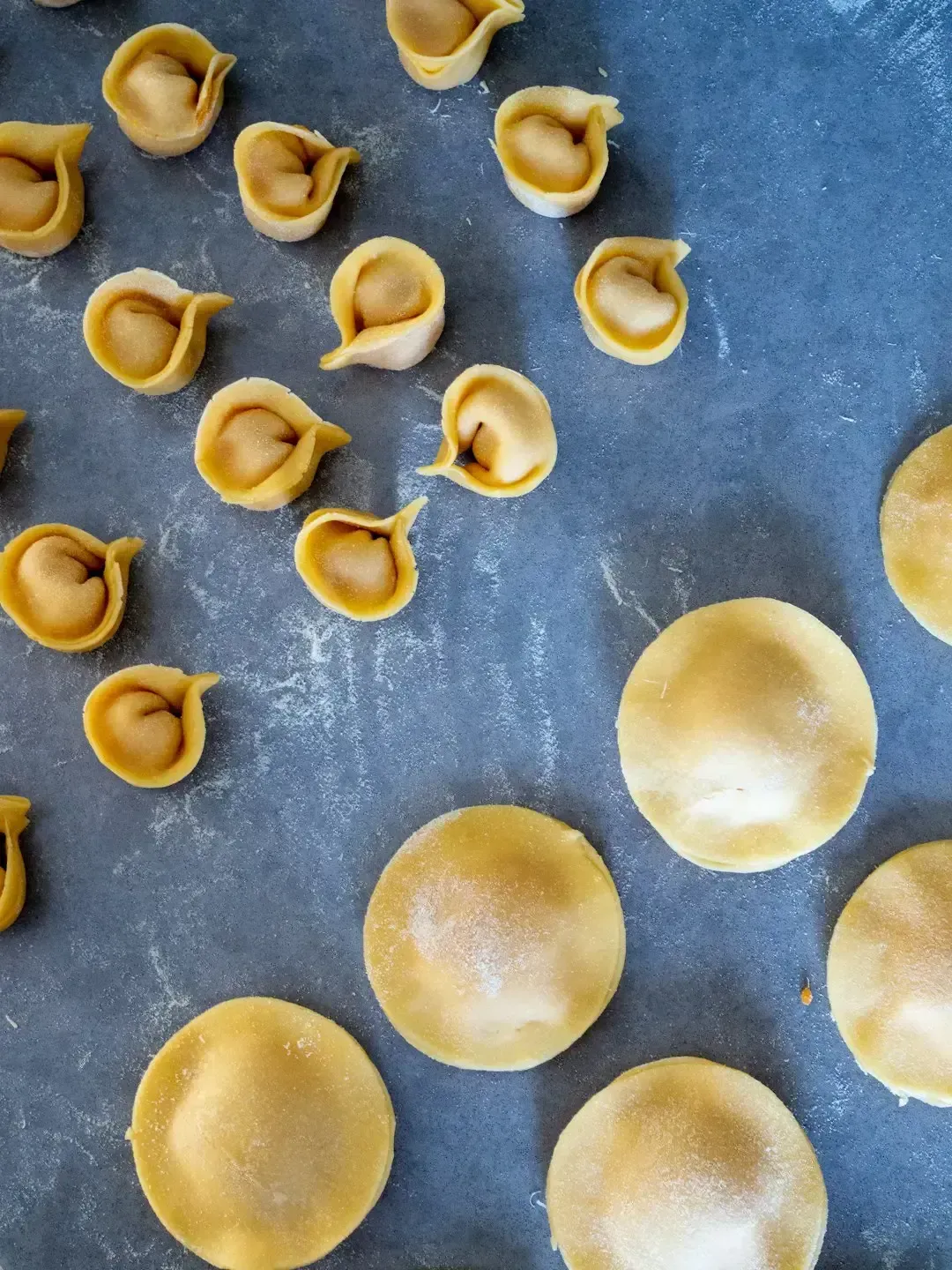
Stuffed foods, whether a pepper, a turkey, or a pasta shell filled with meat and cheese, present a layered food safety challenge. All stuffed meats and stuffed pasta must be cooked to at least 165 degrees Fahrenheit instantaneously to ensure safety. The dense, multi-ingredient interior of these dishes makes thorough initial cooking harder and uneven temperature retention during storage a real issue.
Do not refrigerate or freeze cooked food in a large, deep container because the food in the center of these containers remains warm for a longer period, allowing harmful bacteria to grow. Stuffed dishes already have a dense core by design, meaning the bacteria risk in the interior is far higher than the surface suggests. Consuming them fresh, or within 24 hours, is the safer approach.
7. Hollandaise Sauce and Egg-Based Sauces

Hollandaise is one of those sauces that lives almost entirely outside the safe leftover zone. It’s made from raw or barely cooked egg yolks combined with butter, which means it sits at the intersection of two high-risk ingredients. Not cooking food to a safe temperature and leaving food out at an unsafe temperature are the two main causes of foodborne illness. Hollandaise frequently fails the first condition by design.
When food stays in the temperature danger zone for too long, bacteria grow and multiply to unsafe levels. Egg-based emulsion sauces like hollandaise, béarnaise, or homemade aioli lose their structural and microbiological integrity quickly after preparation. Once made and served, the 24-hour ceiling is generous; many food safety professionals would argue these should be consumed the same day they’re made.
8. Cooked Soft-Boiled or Runny Eggs
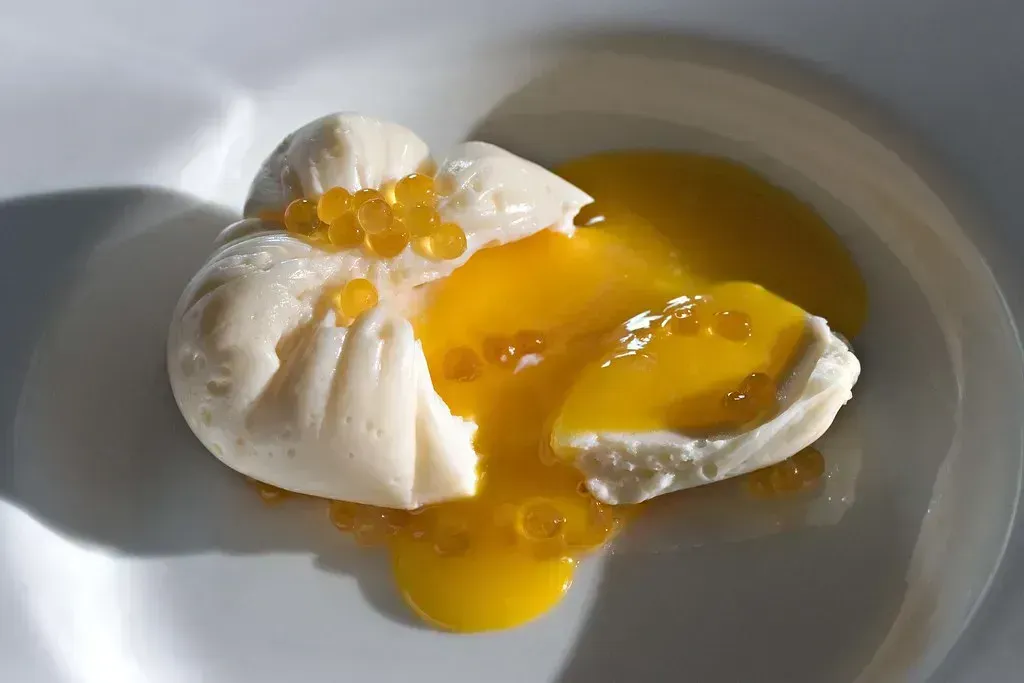
A perfectly runny egg yolk is wonderful at the table and genuinely problematic the next day. Unlike hard-boiled eggs, soft-boiled and poached eggs retain a liquid yolk that was never brought to a temperature high enough to eliminate Salmonella entirely. Ground beef, pork, hamburger, or egg dishes should be cooked to a minimum internal temperature of 160 degrees Fahrenheit. A runny yolk means that threshold was never reached.
Food that has been held at unsafe temperatures for more than two hours may become contaminated with harmful bacteria that are not destroyed by ordinary cooking and reheating. Storing soft-cooked eggs overnight changes both their texture and their safety profile. The yolk firms in a way that makes reheating uneven, and the partial cooking offers far less microbial resistance than a fully cooked alternative.
9. Cooked Fish and Seafood Fillets
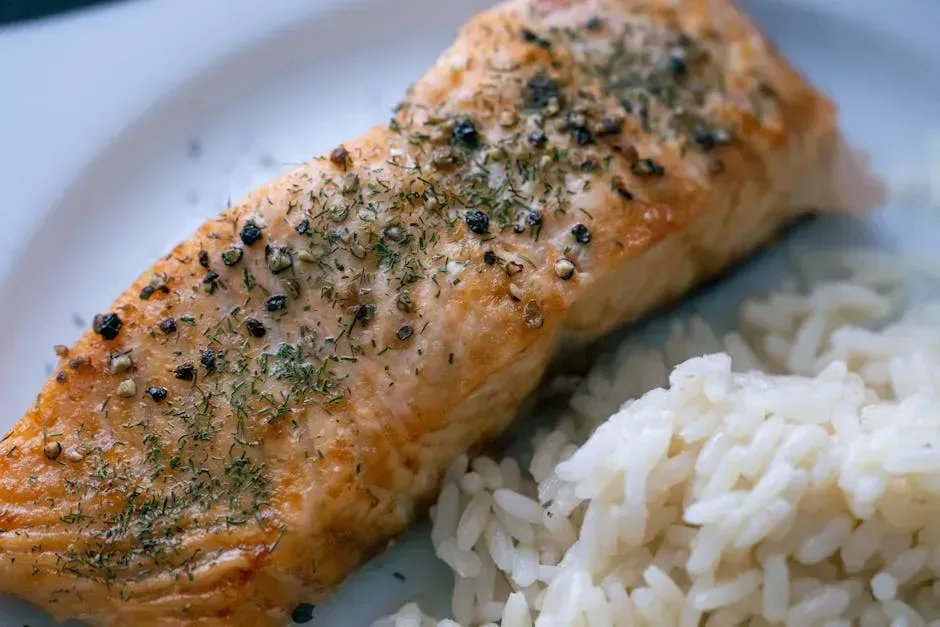
Fish is delicious the day it’s made and noticeably less appealing the day after, which is actually your body picking up on real chemical changes. High ambient heat accelerates bacterial proliferation and the breakdown of delicate fish fats, making spoilage happen much faster than it would in a climate-controlled dining room. Even well-refrigerated cooked fish undergoes oxidation that changes smell, taste, and safety within a short window.
If you smell sour, rancid, or fishy odors in raw or cooked seafood, do not eat it, and if you smell either a fleeting or persistent ammonia odor in cooked seafood, do not eat it. The 24-hour rule is a practical guide for cooked fish fillets, particularly oily varieties like salmon, mackerel, or sardines that oxidize faster. Some toxins, like histamines, may not be detectable by scent or sight, which makes visual and smell checks alone insufficient.
10. Cooked Leafy Greens and Wilted Salads
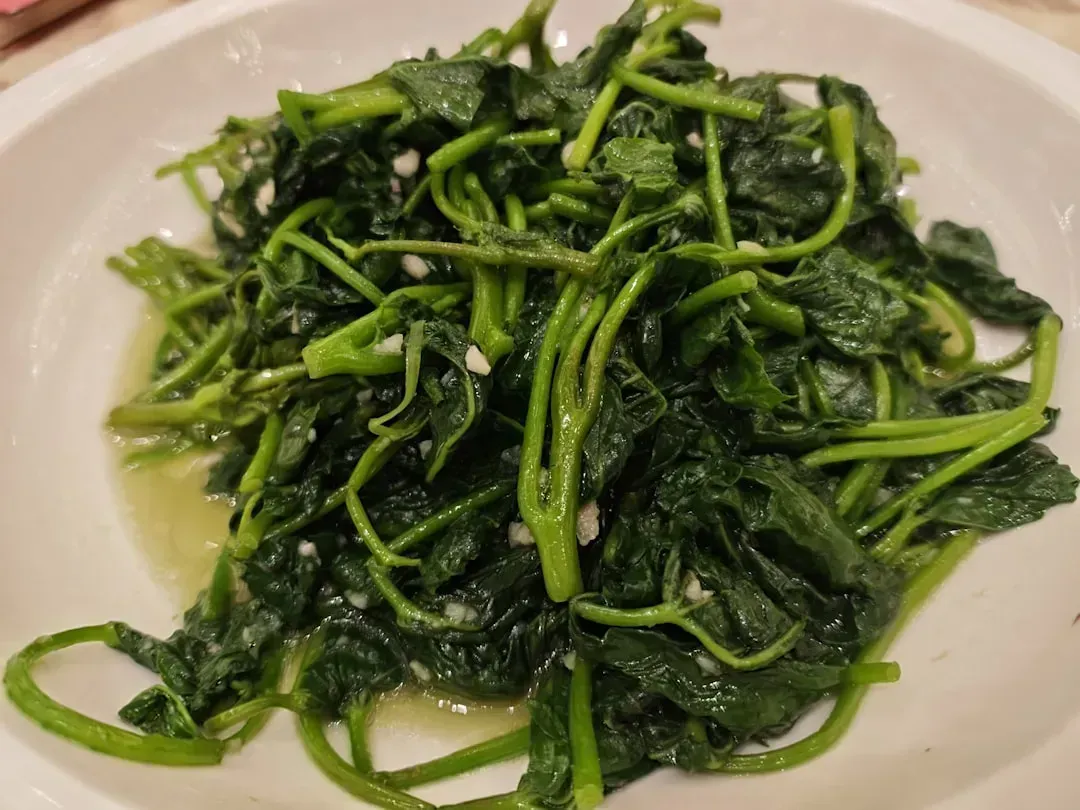
Sautéed spinach, cooked kale, or any wilted green dish releases significant moisture during cooking, creating an environment where bacteria thrive. When food stays in the temperature danger zone for too long, bacteria grow and multiply to unsafe levels, and the temperature danger zone for food handlers and others in foodservice is between 41 and 135 degrees Fahrenheit. The high moisture content in cooked greens means the internal environment of a stored container stays warm and hospitable for microbial growth far longer than drier foods.
Although the growth of bacteria and other pathogens is generally stopped or at least slowed down during refrigeration, some bacteria can survive this condition, and one main concern is the dangerous growth of the cold-loving bacteria Listeria monocytogenes to unsafe levels. Cooked spinach, chard, and similar vegetables are soft, moist, and nutrient-rich in exactly the ways bacteria prefer. Consuming these within 24 hours, or simply cooking what you need, is the wisest approach.
11. Cooked Dishes with Mayonnaise or Cream-Based Dressings
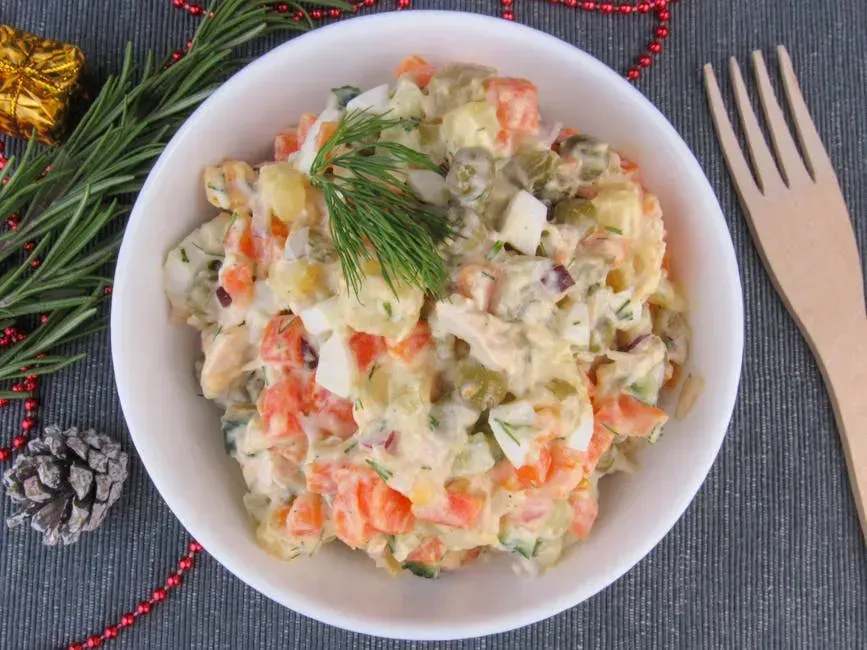
Potato salad, pasta salads, coleslaw, and similar dishes that combine cooked or starchy bases with mayonnaise or cream dressings are a well-documented source of foodborne illness, especially at outdoor gatherings. Changes in temperature and the middle-ground between properly heated and properly chilled make food susceptible to spoiling and bacteria growth. Mayo-based dishes cycle through this danger zone easily when they’re served at a buffet, taken to a picnic, or simply left out while people go back for seconds.
All perishable foods that have been left at room temperature for more than two hours should be thrown away, and this window shrinks to one hour if the temperature exceeds 90 degrees Fahrenheit. Once mayonnaise breaks down or cream sauces begin to separate, the dish may look unchanged while bacterial counts have already climbed significantly. Mayonnaise also does not freeze well because it separates, which means freezing isn’t a reliable way to extend the life of these dishes either.
The 24-hour rule isn’t arbitrary caution. For these particular foods, it reflects genuine science about how quickly bacteria multiply, how certain toxins form and resist reheating, and how quickly moisture and protein-rich environments become risky. To ensure that leftovers are safe to eat, food must be cooked to a safe temperature and refrigerated promptly, because not cooking food to a safe temperature and leaving food out at an unsafe temperature are the two main causes of foodborne illness. The safest habit is simply knowing which foods reward freshness and planning accordingly, rather than finding out the hard way.




Leave a Reply