
Every holiday table tells a quiet story. Someone’s grandmother spent two days making it, someone else carried it through traffic for an hour, and now there it sits, slightly warm and slightly unwanted, while guests smile politely and take the smallest possible slice. The gap between what people say at the table and what they actually eat is real, and desserts bear the brunt of it.
Some treats earn their place through genuine enthusiasm. Others stay on the menu because of tradition, obligation, or the simple fear of hurting feelings. The nine below fall firmly into the second camp. They show up every year, they receive compliments, and they go home in foil with most of themselves intact.
1. Fruitcake
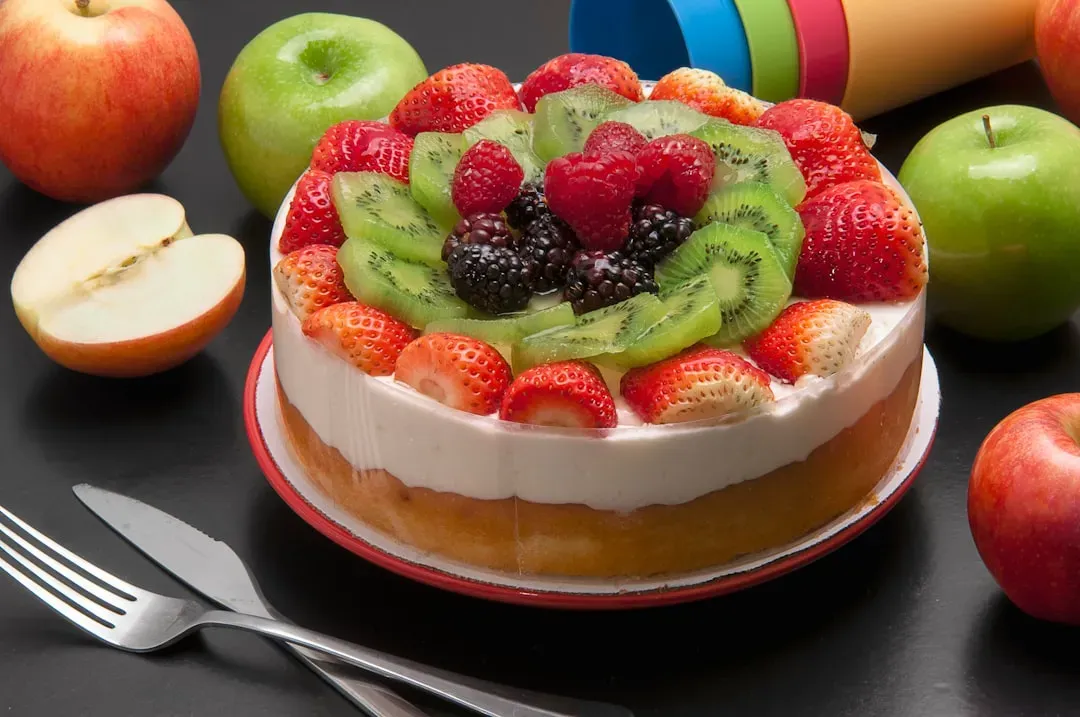
Fruitcake has to be the most reviled of all holiday foods. Deservedly so. There’s simply no defending it as a foodstuff. The reputation collapse happened fast once it became a punchline. During an episode of “The Tonight Show,” late-night host Johnny Carson famously quipped, “There is only one fruitcake in the entire world, and people keep sending it to each other.”
Its downfall in the modern era might be partially attributed to this tradition changing when it was commercialized in the 20th century, transforming the hand-crafted delicacy into something mass-produced, heavily preserved, and a little more rock-like. When mass-produced and brought to the supermarket, it has to be deliberately overbaked in order to have a very long shelf life, with side effects including hardness and a flat taste. The survey numbers back all of this up: by 1989, a survey by Mastercard found that fruitcake was the least favorite gift of three quarters of those polled.
2. Figgy Pudding and Christmas Pudding
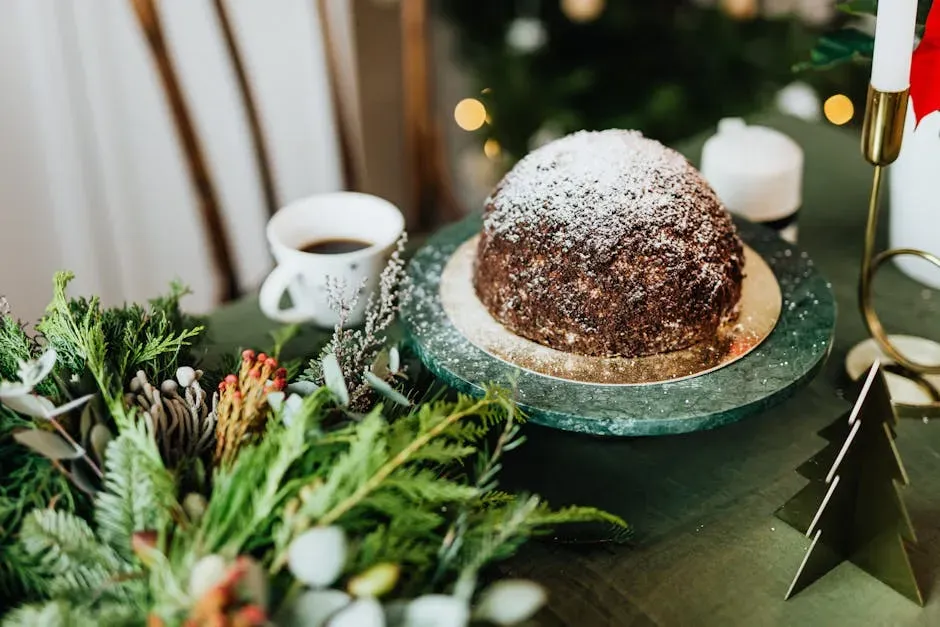
Christmas pudding is one of those desserts that sounds atmospheric and festive right up until you actually eat it. Fancy puddings are listed among traditional Christmas desserts, but the reality on the plate rarely matches the expectation. Dense, steamed, and often soaked in brandy to the point of being more spirit than dessert, it lands in the stomach like something between a brick and a bath bomb.
The texture is a particular sticking point. Many people said this was one they hated because of the texture. The experience is very much an acquired taste, one that takes years of cultural conditioning to fully appreciate, and most people at an American or Canadian holiday table simply haven’t done that conditioning. It sits on the table looking dramatic with its flaming brandy crown, and then gets nudged around the plate by nearly everyone who was brave enough to take a portion.
3. Ambrosia Salad
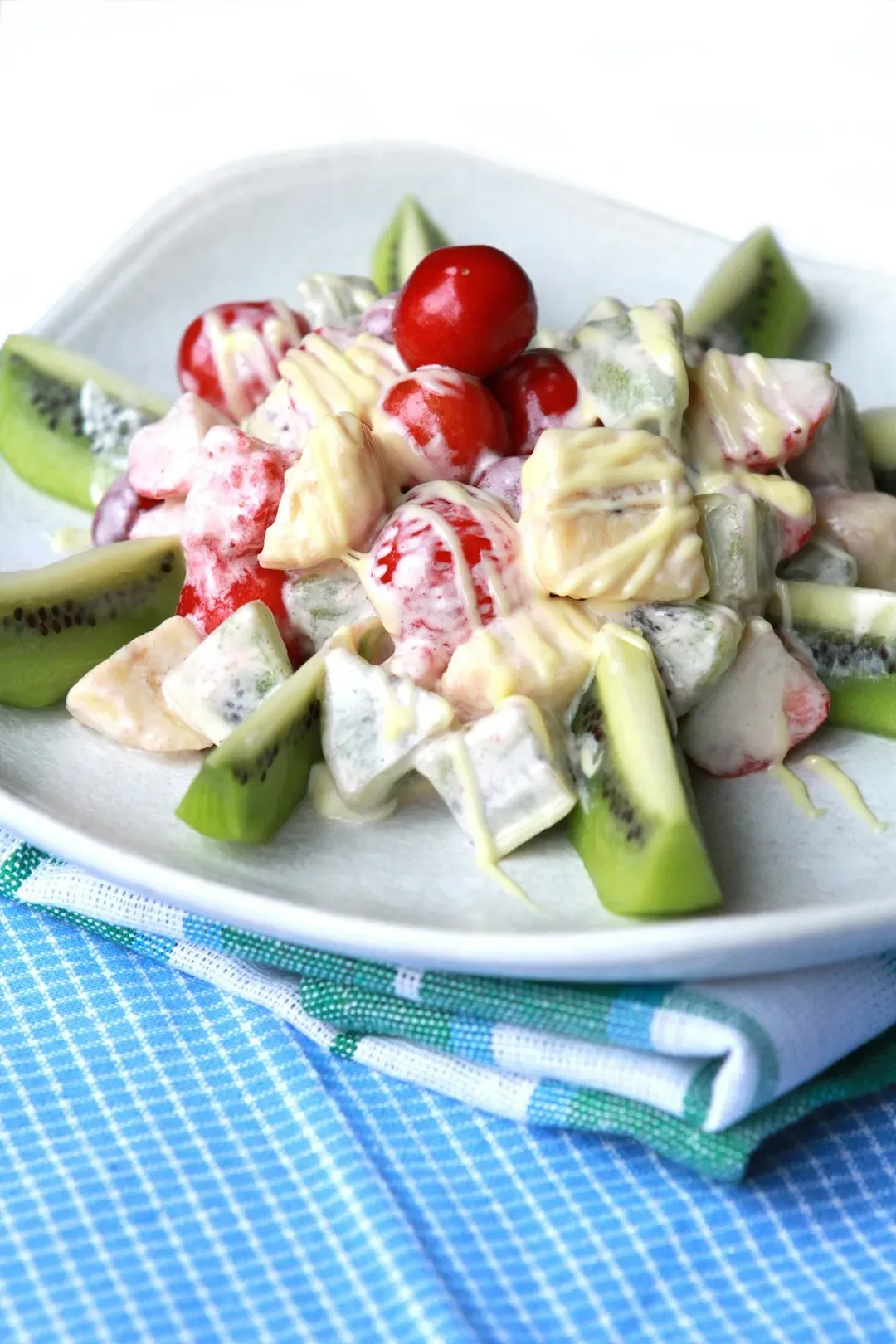
Ambrosia salad is made with pieces of fruit and shredded coconut folded into whipped cream and sour cream. Ambrosia appeared on traditional Christmas menus alongside eggnog pie and mince pie as far back as the 1870s. It’s one of those dishes with deep regional roots, particularly in the South, that gets passed from generation to generation less because people love it and more because no one wants to be the one to retire it.
More traditional mixtures of ambrosia include heavy cream, mini marshmallows, oranges, and cherries, making this “dessert” a bane on the tables of holiday celebrations across the country. The combination of canned mandarin oranges, marshmallows, and shredded coconut in a sour cream base is genuinely puzzling to anyone encountering it for the first time. It straddles the line between side dish and dessert without quite committing to either, and it shows.
4. Mince Pies
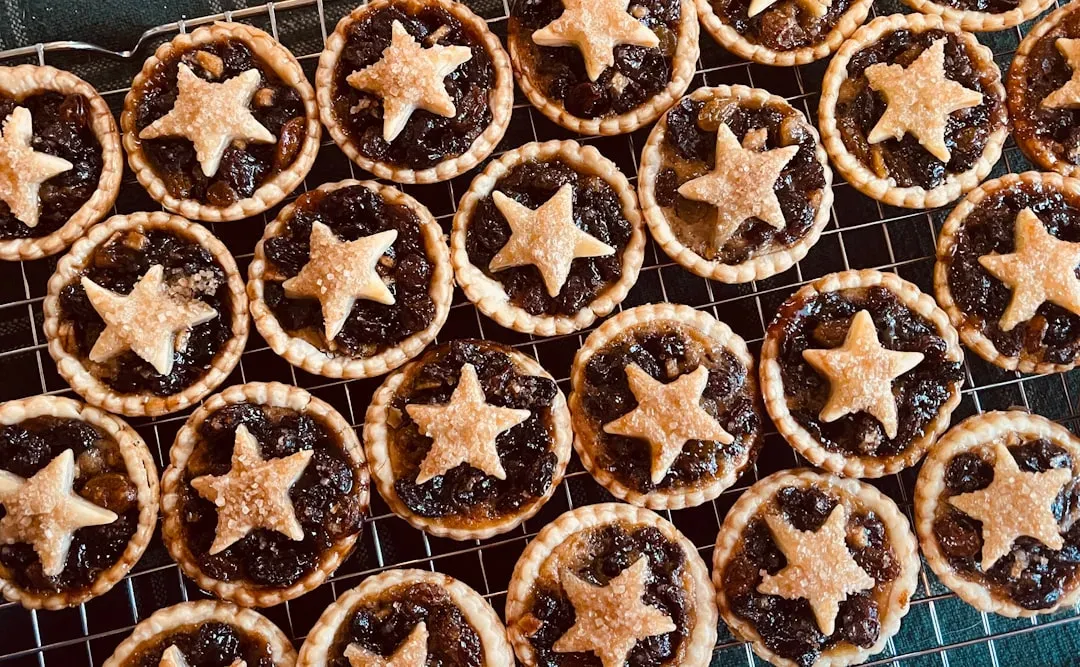
Mince pies are a British institution so entrenched in Christmas culture that questioning them feels borderline treasonous in certain households. A popular filling for mince pies is dried fruits and spices, the mixture known as mincemeat. The name itself is an immediate obstacle for anyone unfamiliar with the history, and the intensely sweet, spiced interior can be overwhelming after even a single pie.
The labor-intensive nature of true mincemeat production and changing tastes toward lighter desserts led to its gradual replacement with vegetarian versions. Even with those changes, mince pies remain polarizing. They’re offered, accepted out of politeness, eaten in part, and quietly set down on whatever surface is closest. The second half rarely gets finished.
5. Panettone
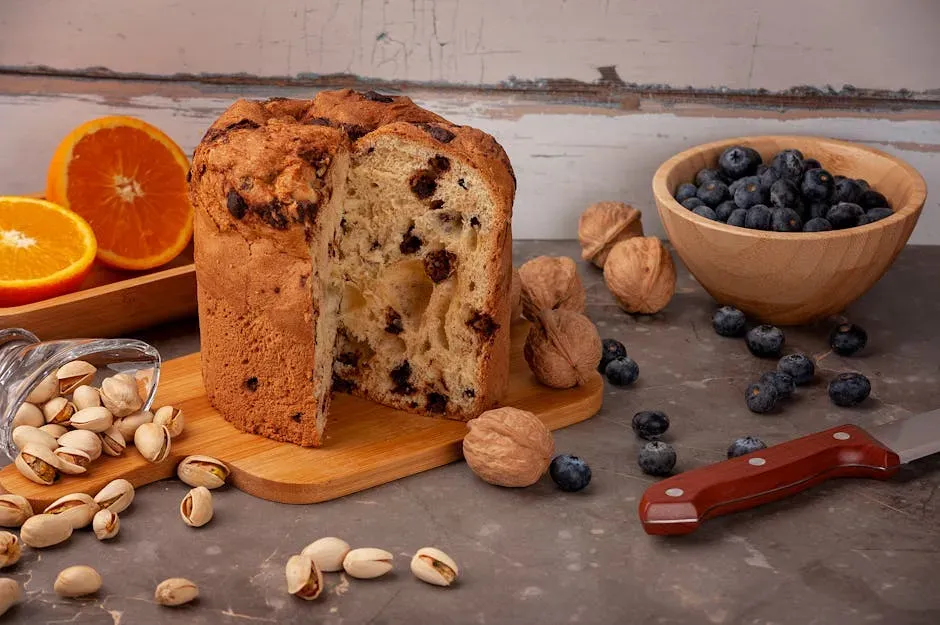
Panettone is an iconic Italian sweet bread from Milan, studded with rum-soaked raisins and citron. Every December, these tall, elegant domes appear in glossy boxes, are unwrapped with ceremony, and are met with expressions of mild enthusiasm that don’t quite reach the eyes. The bread itself is airy and beautiful. The problem is largely the fruit inside, which tends to be chewy, intensely sweet, and unevenly distributed.
Italian fruitcakes, or panettones, are more fluffy and less compact than the American fruitcake option. That lighter texture is genuinely appealing. Still, the combination of candied citrus peel and raisins turns off a significant portion of people who otherwise enjoy the bread itself. Many families end up slicing a ceremonial portion on Christmas morning, leaving the rest to dry out slowly over the following week, wrapped loosely in its original wax paper.
6. Buche de Noel (Yule Log Cake)
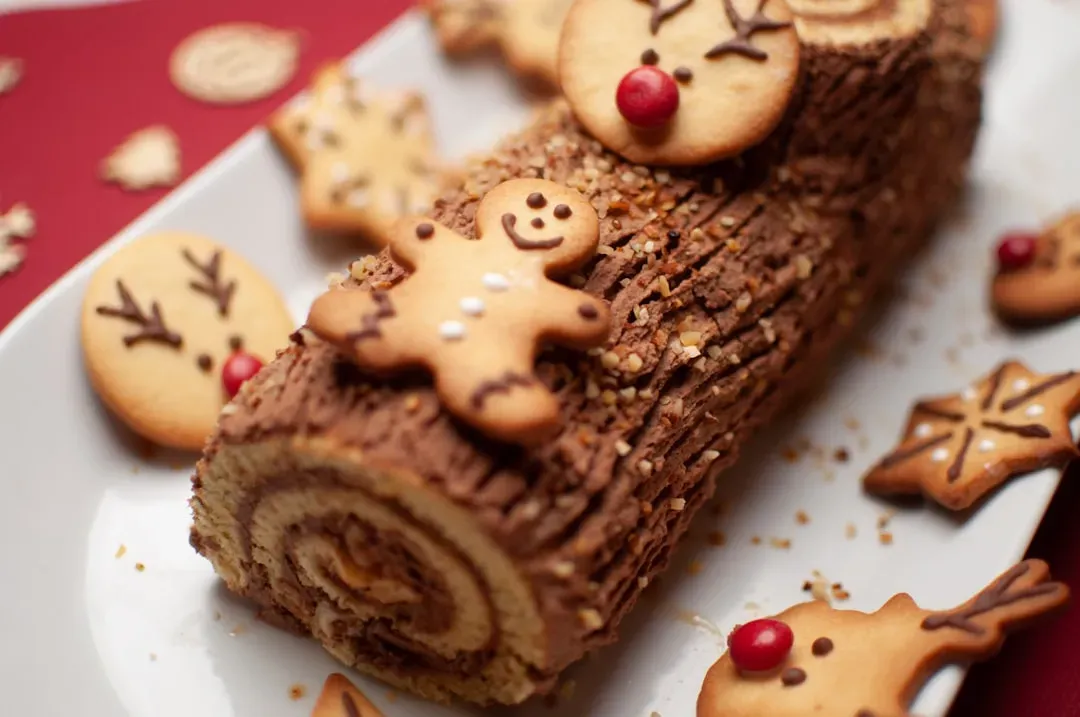
The Buche de Noel is a classic Christmas dessert of a rolled, cream-filled chocolate cake made to look like the traditional Yule Log. It arrives looking extraordinary, decorated with meringue mushrooms and dusted with powdered sugar snow. The presentation alone tends to generate gasps. What follows, though, is often a let-down for anyone who isn’t deeply committed to heavily sweetened buttercream.
Towards the bottom of the list of favorite Christmas desserts, yule logs and Swiss rolls were a favorite among only about four percent of those surveyed in a 2024 Newsweek poll of a thousand Americans. That number tells you something. The cake photographs brilliantly and photographs are really what it does best. Once sliced, the ratio of dense chocolate buttercream to sponge can feel oppressive, and most guests stop at one slice, usually not finishing it entirely.
7. Pecan Pie
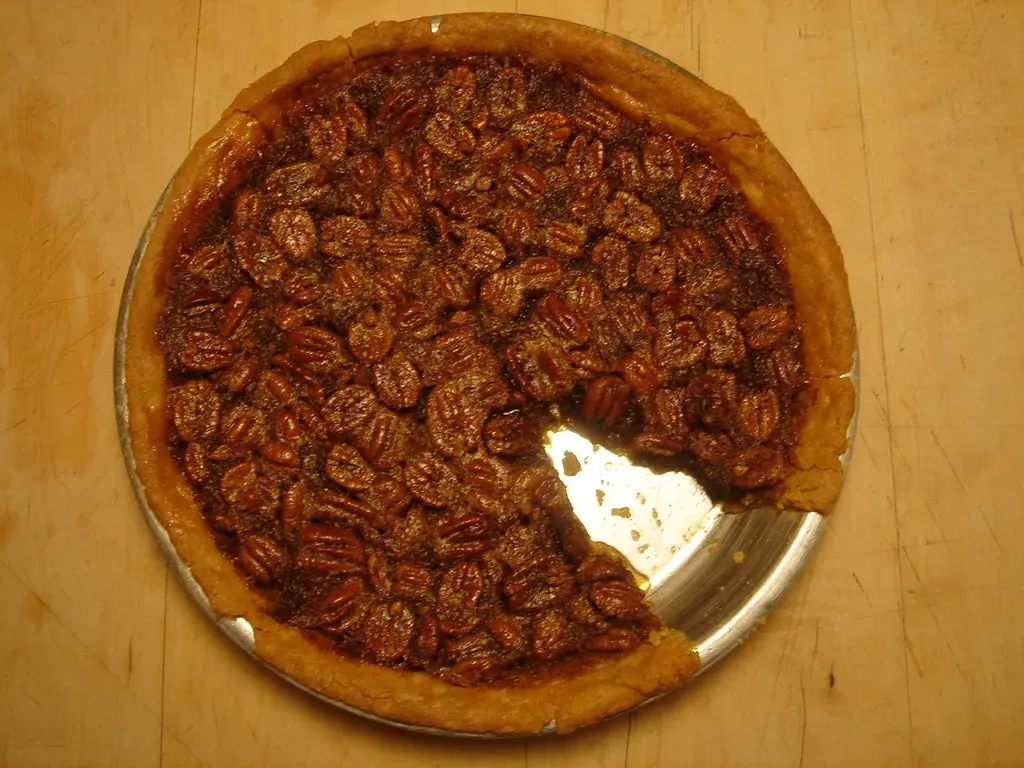
Pecan pie occupies an interesting position on the holiday dessert spectrum. It’s beloved in theory, mentioned warmly in conversation, and almost always present at Thanksgiving and Christmas tables in the American South and beyond. Pecan pie was chosen by roughly a quarter of Americans as one of their typical Christmas desserts in a 2024 survey. That number sounds healthy until you pay attention to how much of it actually gets eaten versus how much gets politely sampled.
The filling is extraordinarily sweet, a near-solid mass of sugar, corn syrup, and butter underneath a layer of toasted nuts. Not all sweets are created equal, and it’s worth considering which will be more satisfying: that chocolate croissant you can order in July, or the pecan pie your grandmother only makes once a year. Tradition keeps it on the table. Sheer sweetness keeps it from being finished. Most slices end up three-quarters eaten with the remainder nudged to the edge of the plate.
8. Eggnog Desserts
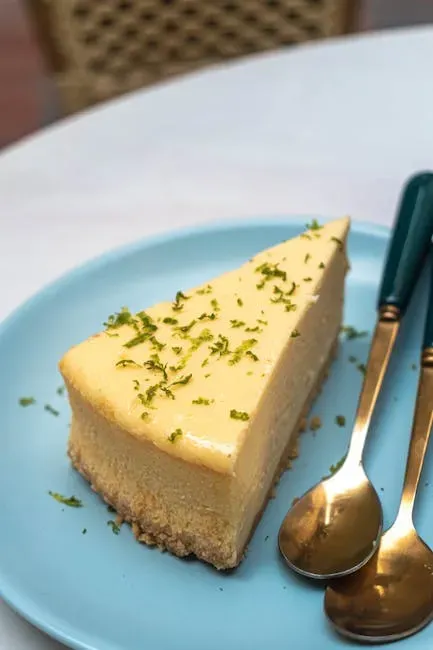
Eggnog as a drink has its committed fans, but eggnog as a dessert ingredient is a more complicated proposition. Eggnog-flavored cheesecakes, mousses, and pies show up on holiday menus with the confidence of something people actually requested. Eggnog-flavored desserts have joined the list of Christmas treats alongside the more traditional options. The flavor is distinctive, heavy with nutmeg and a specific richness that works for a small sip but can feel oppressive stretched across an entire dessert portion.
The texture of eggnog-based desserts tends to compound the issue. Any dessert that can be described as “eggy goo” already has one strike against it. People serve them because the flavor is seasonal and therefore feels appropriate. People eat half of them and then suddenly discover they’re full. The dish gets complimented on the way in and quietly abandoned on the way out.
9. Stollen
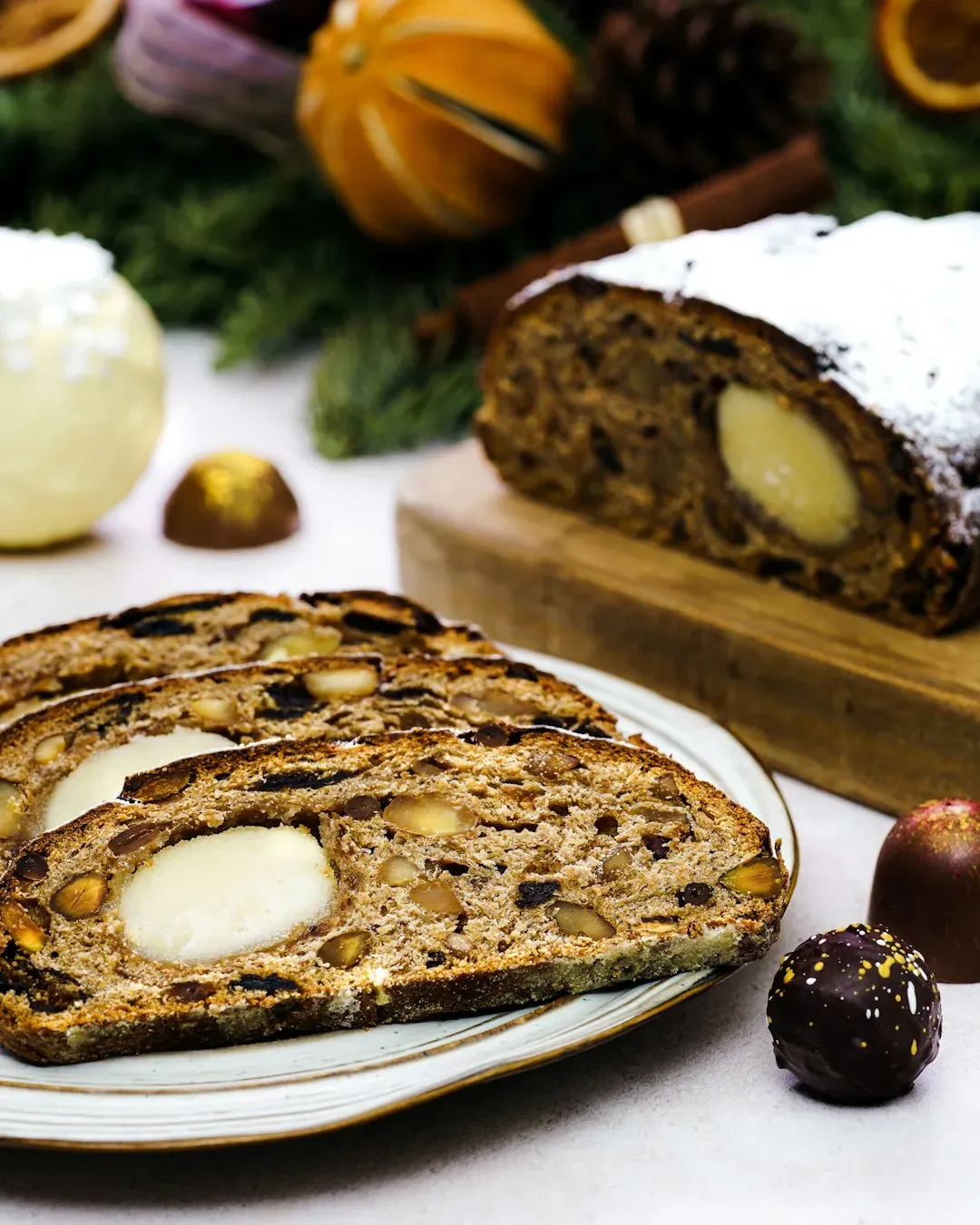
Stollen is Germany’s contribution to the category of holiday foods that inspire more reverence than genuine appetite. The German Christmas cake, known as stollen, is filled with marzipan and dried fruits. It arrives dusted in a thick coating of powdered sugar that makes it look like something from a fairy tale. The reality is a dense, somewhat dry loaf studded with candied fruit and, in traditional versions, a cylinder of marzipan running through the center.
The German variation of fruitcake is stollen, which is denser and adds powdered sugar as a topping. The European fruitcake choices are more pleasing texture-wise, unlike the American version’s hard and chewy mouthfeel. Still, more pleasing is not the same as genuinely exciting, and stollen tends to be sliced thin, nibbled thoughtfully, and then left in its tin on the kitchen counter for days, where it slowly hardens into something closer to a geological formation than a pastry. Everyone knows it’s there. Very few go back for a second slice.
There’s something quietly human about this whole pattern. People bake these things with care, carry them across town, set them out with pride, and receive smiles in return. The smiles are real, even if the enthusiasm for the third slice of fruitcake isn’t. Holiday desserts live in the overlap between food and ritual, and sometimes the ritual is the point. Whether anyone finishes their portion is almost secondary to the fact that it was there, recognized, and shared.

Leave a Reply