
Travel trends shifted faster than you’d think, and 2025 brought some surprising changes to where Americans wanted to go. While some destinations continue to dominate social media feeds, others are quietly slipping off the radar. Maybe it’s overtourism, safety concerns, or just the rising cost of getting there. According to recent data from travel booking platforms and tourism boards, certain once-popular spots are seeing noticeably fewer American visitors this year. Let’s explore which destinations are losing their appeal and why travelers are looking elsewhere.
Paris, France

The City of Light is dimming for many American travelers in 2025. Reports from the French tourism board indicate American visitor numbers dropped by approximately 18% compared to 2023 levels. The culprit? A combination of factors including strikes that have disrupted transportation, ongoing concerns about pickpocketing in tourist areas, and frankly, the perception that Paris has become overpriced and overcrowded. Many travelers are redirecting their European adventures to less chaotic cities like Lyon or Porto instead. The romance of strolling along the Seine just doesn’t hit the same when you’re dodging aggressive street vendors and paying $25 for a basic lunch.
Cancún, Mexico
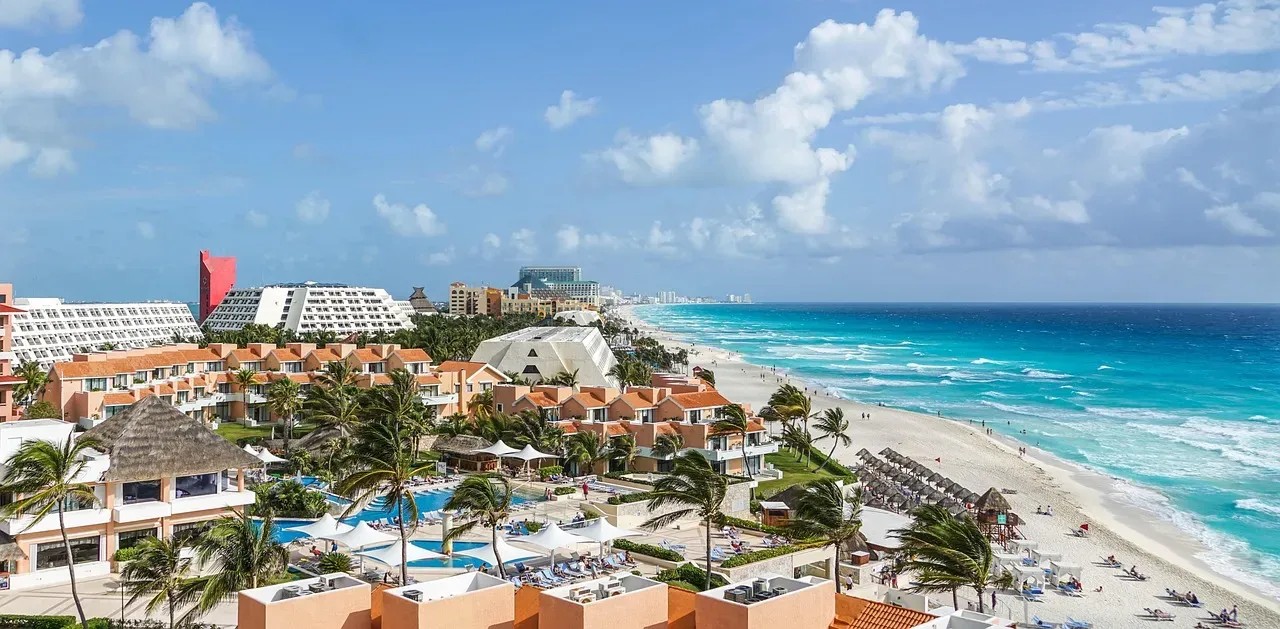
Cancún’s all-inclusive resort paradise is facing a reality check among American travelers. Data from travel analytics firm Longwoods International shows bookings to the Mexican Caribbean destination declined by nearly 22% in early 2025. Safety concerns linked to cartel violence in certain areas of Quintana Roo, combined with reports of contaminated alcohol at some resorts, have made families reconsider. The influx of sargassum seaweed washing up on beaches hasn’t helped either, creating both an eyesore and an unpleasant smell during peak season. Americans are increasingly choosing alternatives like Costa Rica or Colombia, where they feel they’re getting more authentic experiences without the package-tour vibe that Cancún has become known for.
Dubai, United Arab Emirates
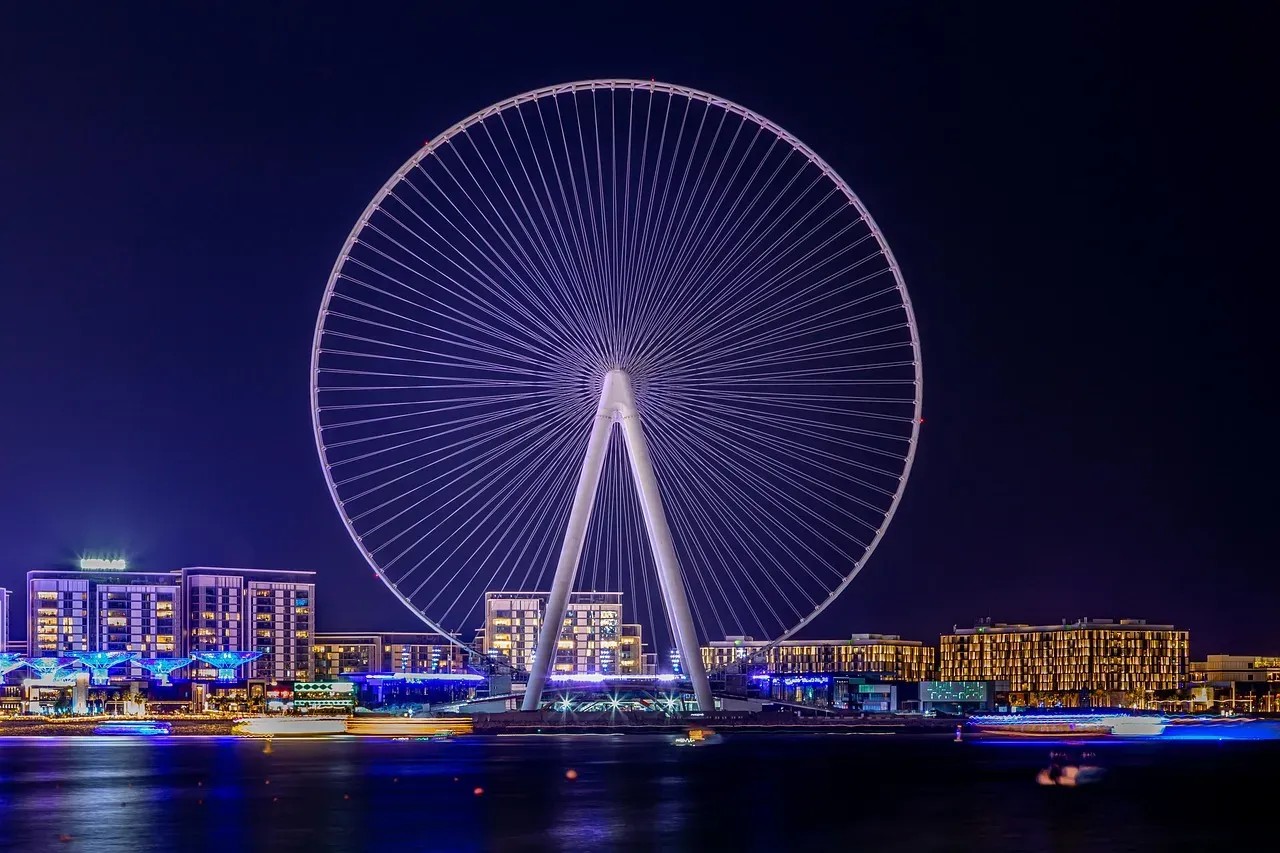
Dubai’s glittering skyscrapers and luxury shopping malls are losing their magnetism for U.S. tourists. According to Dubai’s Department of Economy and Tourism, American arrivals decreased by about 15% year-over-year in the first quarter of 2025. The extreme heat, which now regularly exceeds 120°F during summer months due to climate change, makes outdoor activities nearly impossible for much of the year. There’s also a growing awareness among travelers about the environmental cost of visiting a city built in the desert, not to mention concerns about labor practices and restrictive social laws. The novelty of indoor skiing and the world’s tallest building just isn’t enough anymore when you can’t comfortably step outside.
Venice, Italy
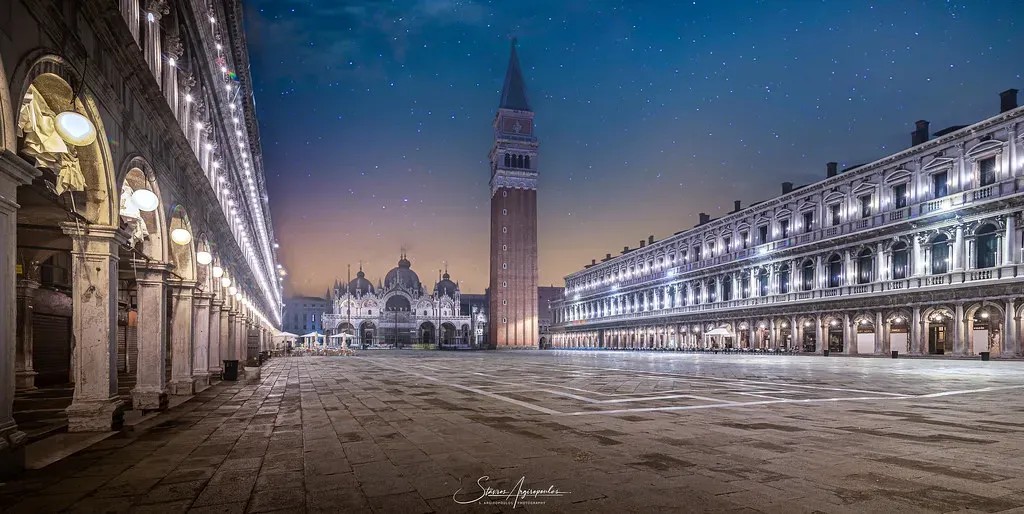
Venice is drowning in its own popularity, and Americans are finally taking notice. The Italian city introduced a controversial €5 entry fee for day-trippers in 2024, which was expanded in 2025, and the backlash has been significant. Tourism data shows American overnight stays in Venice dropped by roughly 13% compared to two years ago, according to the Veneto Region’s statistical office. The crowds have become genuinely unbearable during peak months, with St. Mark’s Square resembling a theme park more than a historic piazza. Cruise ship traffic, though reduced, still contributes to overcrowding and environmental degradation. Many travelers are discovering that smaller Italian cities like Verona or Padua offer similar charm without the chaos and inflated prices.
Phuket, Thailand
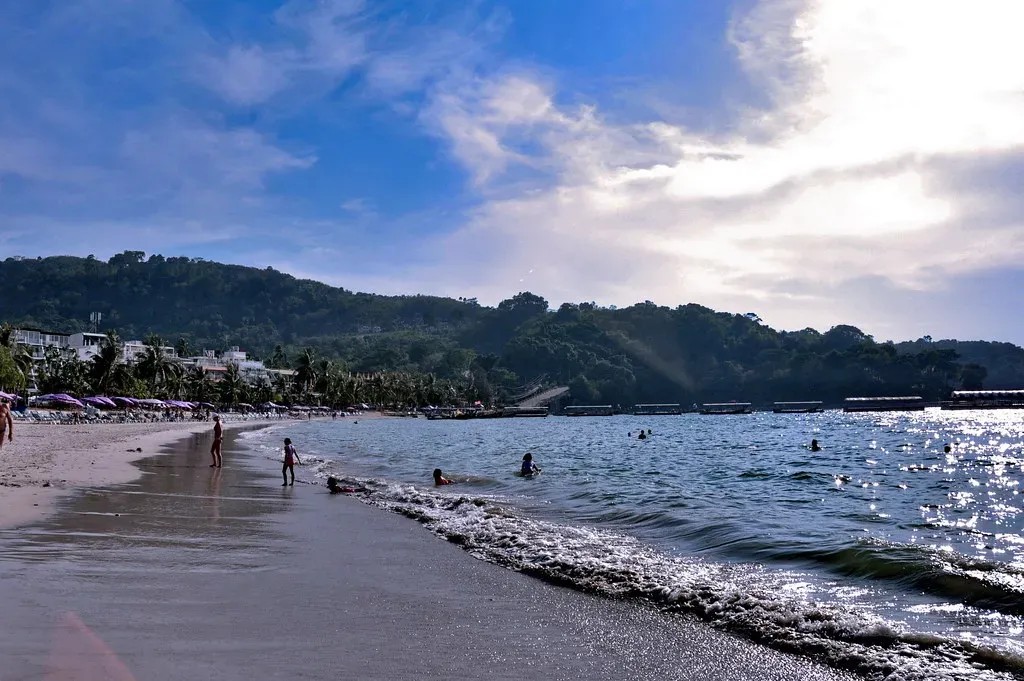
Thailand’s largest island is experiencing a decline in American interest despite Southeast Asia’s overall popularity. Travel booking data from Skyscanner indicates searches for Phuket from U.S. users fell by approximately 20% in 2025. The island has become heavily commercialized, with Patong Beach particularly criticized for its aggressive touts, polluted waters, and loss of authentic Thai culture. Reports of scams targeting tourists, from jet ski rental schemes to overcharging at restaurants, have spread across travel forums and social media. Americans seeking Thai beaches are now gravitating toward lesser-known islands like Koh Lanta or venturing to Vietnam’s coastline instead, where the experience feels less manufactured and more genuine.
Egypt
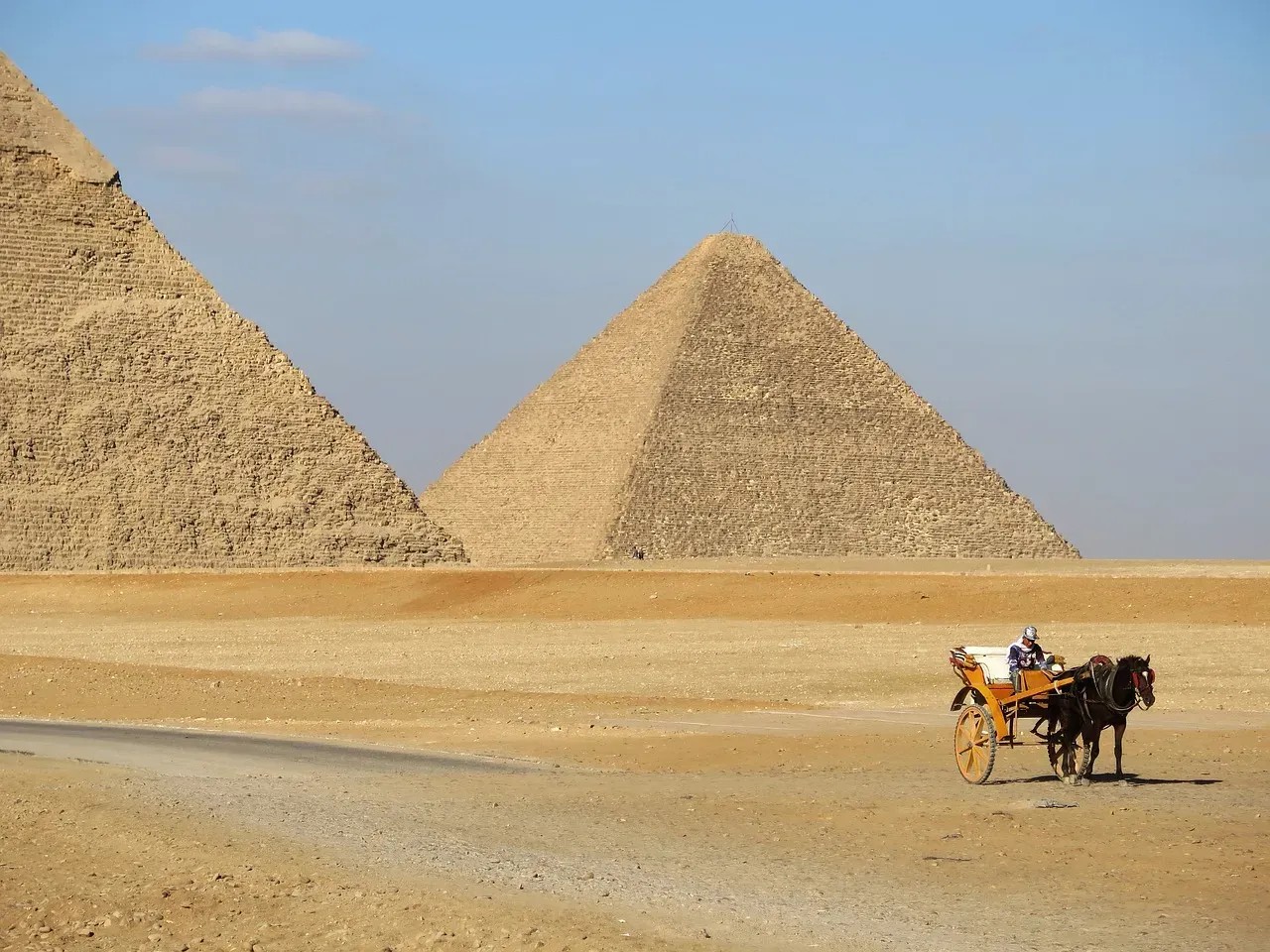
The land of pharaohs and pyramids struggled to attract American tourists in 2025. According to Egypt’s Ministry of Tourism and Antiquities, American visitor numbers remained stagnant and even slightly decreased despite global tourism recovery elsewhere. Political instability concerns, persistent reports of aggressive harassment from vendors at historical sites, and the logistical challenges of navigating Egypt independently have deterred travelers. The economic situation has also created uncomfortable dynamics where locals approach tourists with increasing desperation. While the ancient wonders remain breathtaking, many Americans are concluding that the hassle factor outweighs the bucket-list appeal, especially when countries like Jordan offer similar archaeological experiences with better tourist infrastructure.
The Bahamas

Surprisingly, America’s closest Caribbean neighbor is losing ground with U.S. travelers. Tourism statistics from the Bahamas Ministry of Tourism show American arrivals declined by about 11% in the first months of 2025 compared to 2023. Hurricane damage from previous seasons hasn’t been fully repaired in some areas, and the cost of visiting has skyrocketed while the experience quality hasn’t kept pace. Many Americans feel the Bahamas has become too commercialized, with Nassau particularly criticized for feeling like an extension of cruise ship culture rather than an authentic Caribbean destination. The same money can take you to more pristine and less developed islands in the region, or even to more exotic destinations, given current flight deals to places like Greece or Portugal.
Conclusion

Travel preferences revealed a lot about what we valued as a society, and Americans in 2025 were clearly prioritizing authentic experiences over Instagram-famous landmarks. The destinations losing favor share common threads: overtourism, rising costs without corresponding value, safety or comfort concerns, and a sense that the magic has been commercialized away. As travelers become more informed and conscientious, they’re seeking places where they can connect with local culture rather than simply check off a list. The good news? This shift might eventually force these destinations to reconsider their tourism strategies and focus on sustainability over sheer visitor numbers. What’s your take on bucket-list destinations – do you think some places are better left unexplored, or should we keep chasing those travel dreams? Share your thoughts in the comments.



Leave a Reply