
Raising kids is one of the most rewarding jobs ever. At the same time, it can be incredibly tough. That’s more so as you have to constantly juggle work, meals, errands, bedtime stories, and taking care of your child’s well-being.
It’s also one aspect of life that can make you feel least prepared to handle. The good news? Small and consistent parenting habits can make a huge difference in making your life easier. Stick with us to learn more about everyday parenting habits that will make you feel fulfilled as a parent.

Source: Pexels
Staying connected when parenting on the move
One of the most essential parenting habits you should adopt is to always stay connected. That’s more so when you are on the move for school runs, work errands, or family travel. The connectivity will ensure that you can coordinate schedules, respond to emergencies, stay in touch with caregivers, track your kids’ location, and be reachable at all times.
You can also use the connectivity to monitor your kids through the indoor CCTV cameras while you are away travelling. This will help give you peace of mind while on the move. So, what is the best way to stay connected?
Well, the most reliable option for parents is the eSIM from the best provider, like Holafly. Therefore, if you are travelling to regions like Vietnam, mobile internet in Vietnam with Holafly eSIM can come in handy.
It will ensure that you have access to local networks without having to swap physical SIM cards. So, you can conveniently stay online from the moment you land in your country or city of destination. What’s more, the connection to local networks ensures a stable internet connection.
This means you can easily reach your kids while in a new country without having to use expensive roaming or experience a lagging internet connection.
Creating calm morning routines
Mornings determine how your entire day will run. And when they are rushed and unpredictable, they can increase stress levels for both parents and kids. Therefore, one of the main parenting habits that you should adopt should involve creating calm morning routines.
This can be something as simple as:
- Preparing for a calm morning the night before. You can do that by laying out complete outfits for the next day, packing backpacks and lunchboxes and placing them by the exit door. This helps to reduce morning decisions.
- Having consistent wakeup times. They can help kids transition more smoothly from sleep to activity.
- Setting a repeated schedule of wake-up, bathroom, breakfast, shoes, and out the door. This reduces decision fatigue. At the same time, it cuts down on last-minute chaos.
- Building in small buffers of extra time, can be 10 minutes. This allows time for the unexpected without everyone feeling rushed or tense.
- Using a picture chart of the morning sequence of using a toothbrush, wearing clothes, taking breakfast, and putting on shoes for the young children. The sequence picture chart will help promote clarity and independence.
- Spending one minute on a positive connection. It can be through a snuggle or a back rub.
Simplifying after-school chaos
Source: Pexels
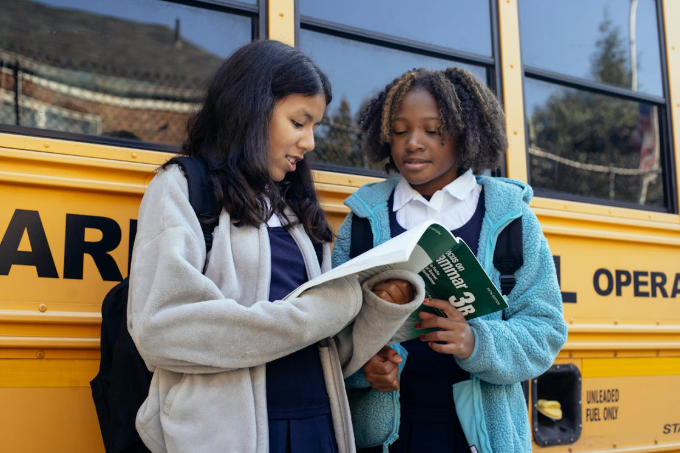
After-school for most kids is often characterized by dropped bags, tiredness, hunger, scattered snacks, and the pressure of homework and activities. This can be a stressful time for you and your kids. But it doesn’t have to be that way.
As long as you establish after-school, actionable habits, you and your kids have a smooth transition from school to home. Also, they can help prevent emotional overloads.
These habits can include:
- Having a designated drop zone near the door for shoes, bags, and jackets. This prevents clutter from spreading throughout the house. At the same time, it makes mornings easier too.
- Setting snack time so that kids can recharge before they do their homework or chores.
- Creating a simple homework corner with pencils, chargers, and supplies ready to go. This habit cuts down on wasted time and frustration when it is time to do homework.
- Limiting after-school activities to what your family can realistically manage. This helps protect kids from overwhelm and parents from burnout.
- Building a small decompression window. It can be having quiet reading time, screen time with boundaries, or outdoor play. The decompression window helps your kids to unload their day before they can focus again.
Teaching kids independence through small tasks
Teaching your kids independence can make your life incredibly easy. That’s because you’ll spend less time managing every single detail of your child’s life. Instead, you can use that time to complete other chores within your home.
In addition to that, when you teach your child independence, you build their confidence, ensure cognitive development, help them develop problem-solving skills, and enable them to be responsible.
So, how can you teach your kids independence? Well, that’s through giving your kids age-appropriate tasks, such as putting toys in a basket, setting the table, or choosing their own clothes. You can start breaking the tasks into small and clear steps. Then, show them how to handle the tasks.
Once they have a grasp of what you expect them to do, leave the task for your kids to handle on their own. This sends out the message that your kids are trusted and capable. And over time, the repeated experiences from the small tasks shape how children see themselves.
At the same time, it makes them more willing to try new challenges without constant adult help. This is beneficial to both you and your kids. It frees up time for you, which makes life easier. On the other hand, it ensures your kids are more independent.
Letting go of perfection in family life
Chasing picture-perfect meals, spotless homes, or Instagram-worthy family moments often leads to exhaustion and resentment. Therefore, as a parent, you should try to let go of unrealistic perfection set by social media or outside expectations.
Instead, focus on what truly matters: connection, safety, and well-being. When you let go of perfection, you create a home atmosphere where your family feels like they can be themselves. Also, it frees up emotional energy that you and your kids can reinvest into laughter, presence, and genuine relationship-building.
Thus, as a parent, you should embrace good enough instead of perfection. Model self-compassion, celebrate small wins, accept that mistakes are a normal part of life, have small acts of grace, and have practical boundaries.




Leave a Reply