
Claiming Social Security at 62 is a decision millions of Americans face every year, and for lower-income workers, the stakes are especially high. The monthly check that arrives after decades of work can feel like a lifeline, but the actual dollar amount often surprises people who haven’t done the math ahead of time. Understanding exactly what a lower-income retiree can expect – and why that number looks the way it does – is essential before making an irreversible choice.
The Basic Benefit Amount a Low Earner Can Expect
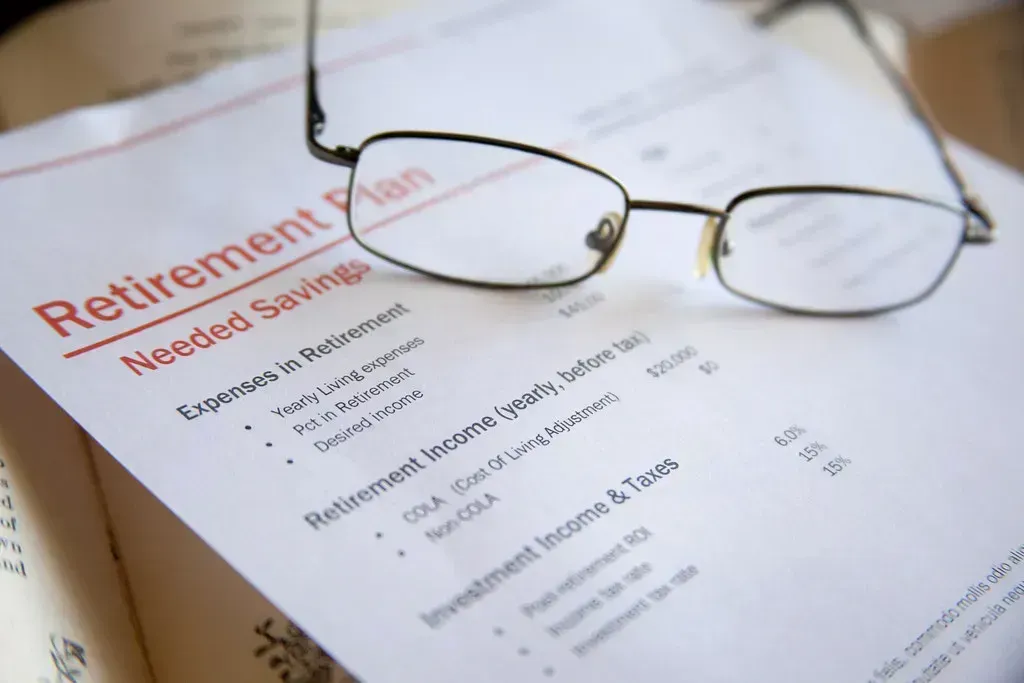
The amount of a person’s retirement benefit depends primarily on his or her lifetime earnings. For someone who spent most of their career in lower-paying jobs, that lifetime earnings record directly caps how much Social Security will ever pay out. If you start benefits in 2026 at your full retirement age, the replacement percentage ranges from as much as 79% for very low earners, to about 43% for medium earners, to about 28% for maximum earners. That said, claiming at 62 rather than full retirement age triggers a significant reduction on top of whatever the base benefit would be.
You may start receiving benefits as early as age 62, but benefits are reduced by about 0.5% on average for each month you start before your full retirement age. For example, if your full retirement age is 67 and you sign up at 62, you would only get about 70% of your full benefit. For a low-income worker whose full retirement age benefit might sit around $950 per month, that 30% cut is very real. The reduction in benefits also applies to people receiving the special minimum benefit; if your primary insurance amount is expected to be $950 but you retire at 62, your benefit would drop by 30% and only be worth $665.
How the Permanent Reduction Formula Works

If you retire at age 62, the earliest possible Social Security retirement age, your benefit will be lower than if you wait until your full retirement age. The more months remaining between age 62 and your full retirement age, the more your monthly payments will be reduced. The exact math involves a two-tiered formula that many retirees aren’t aware of. Early retirement will reduce your benefits by 5/9 of 1% for each month before normal retirement age, up to 36 months. If the number of months exceeds 36, then the benefit is further reduced by 5/12 of 1% per month.
If your full retirement benefit at age 67 is $1,000 but you take benefits at 62, you’d receive $700 per month instead. You don’t get this money back later; the Social Security Administration typically makes adjustments to benefits permanent. This is one of the most critical facts for any lower-income retiree to internalize before claiming early. The maximum amount of Social Security you can receive depends on your age when you begin benefits. While people can begin benefits as early as age 62, they will see their payments permanently cut by about a third if they do so.
The Special Minimum Benefit for Long-Term Low Earners
The minimum Social Security benefit calculation was developed to help certain low-income workers boost their benefit amount. This calculation looks at years of coverage in place of someone’s earnings to estimate their Social Security benefits. It functions as a floor that can sometimes lift a lower-income retiree’s check higher than the standard formula would otherwise produce. For 2026, the special minimum benefit starts at $53.50 for someone with 11 years of coverage and goes to $1,123.70 for workers with 30 years of coverage.
You must earn at least 40 Social Security credits to qualify for benefits. These credits are earned as you work and pay Social Security taxes from your income, including income from working for an employer or money made through self-employment. For workers with sparse or interrupted employment histories, gaps in coverage can significantly reduce which tier of the special minimum they land on. For 2026, you can earn one Social Security or Medicare credit for every $1,890 in covered earnings, so to get the maximum four credits allowed you’d need to earn at least $7,560.
How the 2026 COLA Affects Lower-Income Retirees

The 2.8 percent cost-of-living adjustment (COLA) will begin with benefits payable to nearly 71 million Social Security beneficiaries in January 2026. This annual adjustment is meant to help retirees keep up with inflation, though it does not always feel adequate. Inflation has ticked up in recent months, resulting in a 2.8 percent COLA for 2026, up from a 2.5 percent COLA in 2025. The Social Security Administration estimated that the average retirement benefit would rise by about $56 a month, from $2,015 to $2,071, starting in January 2026.
For lower-income retirees, that $56 average increase may actually represent a slightly higher percentage gain on their smaller base check – but higher Medicare costs partially erode it. The Part B increase of $17.90 (premiums rose to $201.90 from $185 in 2025) effectively reduces the increase to the average Social Security check in 2026 from $56 to $38.10. In an AARP survey conducted in September, 77 percent of older adults said a 3 percent COLA for 2026 would not be enough to help them keep up with rising prices.
What Happens If a Lower-Income Retiree Keeps Working at 62

You can receive Social Security retirement or survivors benefits and work at the same time. However, if you are younger than full retirement age and earn more than certain amounts, your benefits will be reduced. This is a nuance that catches many early claimants off guard, especially those who planned to work part-time to supplement a modest benefit. The Social Security Administration temporarily withholds $1 of a worker’s benefits for every $2 earned above $24,480 ($2,040 a month) in 2026, up from $23,400 ($1,950 a month) in 2025.
The good news is that withheld earnings are not lost forever. Any benefits withheld due to the retirement earnings test increase the person’s adjustment reduction factor when they reach their full retirement age, and monthly benefits are recalculated by the Social Security Administration. Benefits are unaffected by earnings after reaching full retirement age. Still, for a lower-income retiree counting on every dollar of that early check, having benefits temporarily reduced can create real month-to-month hardship. Each year, the SSA reviews the records of all Social Security beneficiaries who have wages reported for the previous year, and if your latest year of earnings is one of your highest years, they recalculate your benefit and pay you any increase you are due.
The Bigger Picture: How a Lower-Income Retiree’s Check Compares to the Average

As of February 2026, the average Social Security monthly check for retired workers was $2,076.41, according to the SSA’s Monthly Statistical Snapshot. A lower-income retiree claiming at 62 will typically land well below that figure. The maximum benefit for someone retiring at age 62 in 2026 is $2,969, though your benefit could be lower if you earned less than the taxable maximum. For most lower-income workers, that maximum is simply out of reach.
Social Security was never meant to be the only source of income for people when they retire. Social Security replaces a percentage of a worker’s pre-retirement income based on your lifetime earnings, and the amount of your average earnings that Social Security retirement benefits replace depends on your earnings and when you choose to start benefits. If you wait, your future monthly retirement benefit increases each month until you turn 70. In some cases, the amount you’d receive at 70 is nearly double the amount you’d receive at 62. For a lower-income retiree who simply cannot afford to wait, the early reduced check becomes the financial foundation they must build their retirement around – a modest but vital monthly sum that reflects both their work history and the permanent cost of claiming early.



Leave a Reply