
Turning 65 feels like a milestone, and for millions of Americans it is, but when it comes to Social Security, the reality of what lands in your bank account each month can be a real eye-opener. The numbers are not as simple as they once were, and the gap between what people expect and what the program actually pays has grown wider over the years. Understanding what you will realistically receive at 65, and why, is one of the most important pieces of retirement planning you can do.
The Average Monthly Benefit in 2026

The Social Security Administration estimated that the average retirement benefit rose by about $56 a month, from $2,015 to $2,071, starting in January 2026. That figure represents what a typical retired worker collects, though it does not tell the full story of the range retirees actually experience. The average retired worker receives $2,008.31 each month, which is about 8 percent more than Social Security recipients as a whole, since the overall pool includes survivors and disability recipients who tend to receive less.
The Social Security Administration estimates that the average retirement benefit rose by about $56 a month, from $2,015 to $2,071, starting with the payments going out in January 2026. That bump sounds welcome, but it needs to be weighed against rising costs. The standard monthly premium for Medicare Part B climbed from $185 to $202.90, a nearly 10 percent increase, and since this premium is typically deducted directly from Social Security payments, it partially offsets the COLA by $17.90 per month.
Why Age 65 Is No Longer “Full Retirement Age”

Full retirement age, or FRA, is when you become entitled to claim 100 percent of the Social Security benefit calculated from your lifetime earnings. For most of the program’s history that age was 65, but since the early 2000s it has been gradually increasing to 67 because of changes to Social Security’s financial structure that Congress enacted in 1983. That shift carries real consequences for anyone who files at exactly 65. Retirement at age 65 is considered early retirement in the current system, meaning the monthly benefit is reduced.
In November 2026, the FRA will reach 67 for those born in 1960 or later, a threshold that marks the culmination of the 42-year-long shift in raising the retirement age. This is the final step in a gradual schedule to increase the retirement age from 65 to 67, initiated by the 1983 amendments to the Social Security Act. The legislation was intended to reflect longer life expectancies, reduce financial strain on the program, and bolster the trust fund. Anyone claiming at 65 today is essentially claiming two years early and paying a permanent price for it.
How Much Is the Benefit Reduced at Age 65?

An early claim can reduce monthly payments for life, with the reduction equal to 5/9 of 1% for the first 36 months and 5/12 of 1% per month beyond that. The reduction adds up to a 6.7% cut to your standard benefit for each of the first three years. For someone with a full retirement age of 67, claiming at 65 means accepting a permanent cut of roughly 13 to 14 percent compared to waiting just two more years. Social Security reduces your monthly payment by a fraction of a percent for each month you file early, and the dollars add up quickly.
If you retire at full retirement age in 2026, the maximum possible benefit is $4,152 per month. If you retire at age 62, that drops to $2,969, and if you wait until age 70, it climbs to $5,181. Those figures apply only to workers with the very highest lifetime earnings, of course. For most people, the actual check falls well below those ceilings, making the decision of when to file even more consequential when every dollar counts.
The 2026 COLA and What It Actually Means

Social Security and Supplemental Security Income benefits for 75 million Americans increased 2.8 percent in 2026, with the cost-of-living adjustment beginning with benefits payable to nearly 71 million Social Security beneficiaries in January 2026. This was a slight improvement over recent years. The 2025 COLA was 2.5 percent due to higher inflation, following a 3.2 percent boost in 2024 and an 8.7 percent increase in 2023. In 2026, benefits rose an estimated 2.7 to 2.8 percent.
Some critics argue that the CPI-W, the index used to calculate the COLA, does not accurately reflect the spending habits of seniors, who often face higher-than-average cost increases in healthcare and long-term care. That frustration is understandable. An AARP survey conducted in September found that 77 percent of older adults said a 3 percent COLA for 2026 would not be enough to help them keep up with rising prices. The disconnect between official inflation measures and the lived experience of retirees remains a persistent tension within the program.
What Social Security Was Designed to Replace
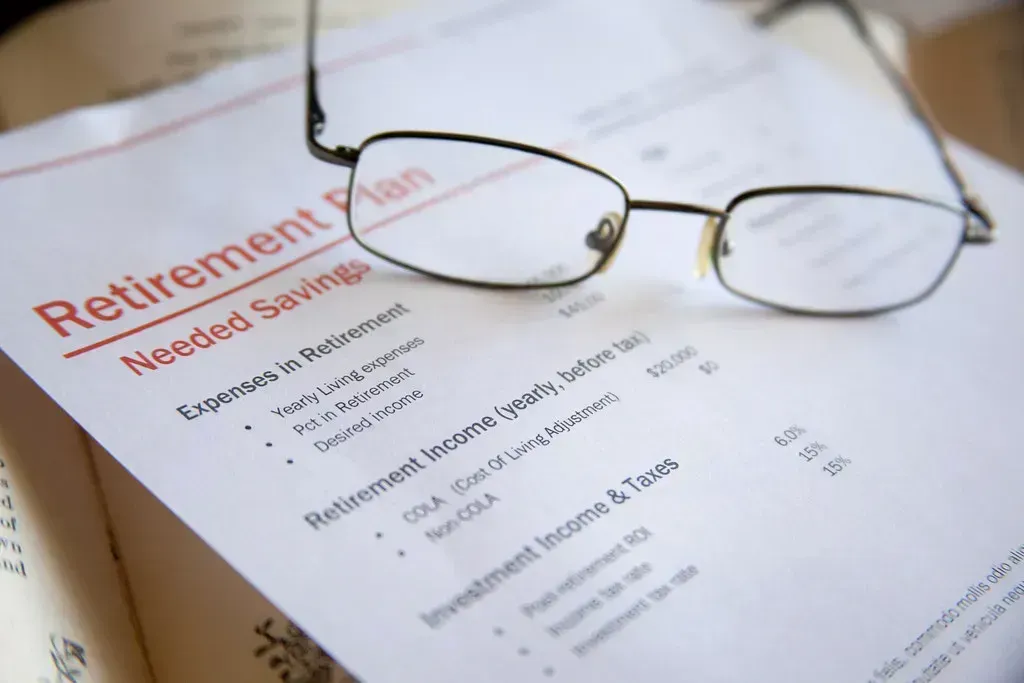
Social Security benefits are far more modest than many people realize. The system was designed to replace around 40% of your pre-retirement earnings, and it is important to recognize that Social Security benefits are just one part of a retirement plan. You should try to supplement your benefits with a 401(k), IRA, or other investments. That replacement rate drops even further for higher earners. If you start benefits at your full retirement age, the percentage of pre-retirement earnings replaced ranges from as much as 79 percent for very low earners, to about 43 percent for medium earners, to about 28 percent for maximum earners.
Most financial advisers say you will need about 80 percent of pre-retirement income to live comfortably in retirement, which includes your Social Security benefits, investments, and other personal savings. That means Social Security alone – even at an average of $2,071 per month – leaves a significant gap for most households. The amount of a person’s retirement benefit depends primarily on their lifetime earnings, and the Social Security Administration indexes such earnings using the national average wage index to convert past earnings to approximately their equivalent values near the time of the person’s retirement.
Working After 65 and How It Affects Your Check

In 2026, if you are under full retirement age, the annual earnings limit is $24,480. If you reach full retirement age in 2026, the limit on your earnings for the months before reaching that age is $65,160. Going over those thresholds triggers a temporary withholding, not a permanent loss. The Social Security Administration temporarily withholds $1 of a worker’s benefits for every $2 earned above $24,480 in 2026, up from $23,400 in 2025.
The money withheld under the earnings test is not lost forever. Once you reach full retirement age, Social Security recalculates your benefit to credit you for the months when benefits were withheld, and your monthly payment increases to reflect those withheld months. That is a critical detail many retirees do not know until it is too late to plan around it. According to the SSA, the average life expectancy for a 65-year-old is around 84 years for males and 87 for females, which means most people who retire at 65 will be collecting benefits for roughly two decades, making even small monthly differences add up to tens of thousands of dollars over time.




Leave a Reply