
Paradise destinations that once promised nothing but turquoise waters and ancient ruins are now grappling with something far darker. Mexico continues to draw millions of travelers each year, yet beneath the vibrant culture and stunning landscapes, a troubling reality has emerged that travelers can no longer afford to ignore.
U.S. Issues Heightened Travel Warnings for Key Winter Hotspots
August 12, 2025: Level 2 – Exercise increased caution. The summary advisory level 2 was added, marking the State Department’s updated response to evolving threats. The alert highlights the potential for violent incidents in areas such as Los Cabos, Mazatlan, Puerto Peñasco (Rocky Point), and San Carlos, particularly after dark. Popular winter break destinations where U.S. travelers should exercise caution include San Carlos, Puerto Peñasco (Rocky Point), Los Cabos, and Mazatlán, among others, “especially after dark.” Let’s be real, when your vacation paradise needs after-dark warnings, something has fundamentally changed. The U.S. Embassy in Mexico issued a security alert warning snowbird tourists of violent crime risks in popular winter destinations, a message particularly aimed at retirees seeking warm weather escapes.
Cartel Conflicts Spill Into Once-Protected Tourist Zones
The rise in cartel activity in Mexican resort cities has marked a significant shift from previous practices where such areas were considered off-limits to cartel violence to protect the lucrative tourist trade. This change has led to increased incidents of violence, including attacks against tourists, in once peaceful destinations. The situation is fuelled by disputes over drug trafficking territories and power struggles between major cartels, such as the Jalisco New Generation Cartel (CJNG) and the Sinaloa Cartel, leading to heightened levels of violence in tourist hotspots like Cancún and Tulum. Authorities have identified four drug cartels operating in the greater Cancún region: the Sinaloa Cartel, the New Generation Jalisco Cartel (CJNG for its acronym in Spanish), the Gulf Cartel and a smaller organization known as Grupo Regional. The unspoken agreement that once kept tourist zones peaceful has crumbled under competitive pressures among criminal organizations.
Tragic Tourist Deaths Highlight Real Dangers
In late 2021, two tourists from the U.S., Jennifer Henzold and Anjali Ryot, were fatally hit by stray bullets in a Tulum bar. They were sadly in the wrong spot at the wrong time. In 2022, two Canadian visitors were shot dead at the Hotel Xcaret in Playa del Carmen. And in early 2024, a California woman was shot and killed while enjoying the pool at Mia Beach Club in Tulum. These aren’t abstract statistics. These were real people seeking relaxation and adventure who became unintended casualties of cartel warfare. Investigations found the Canadian victims had criminal histories and their deaths were cartel-related, while the American woman was an unintended victim of drug dealers’ crossfire.
Tourism Numbers Remain Strong Despite Security Concerns
Here’s the thing: people keep going. Mexico welcomed 42 million international visitors in 2023, demonstrating that fears haven’t completely decimated travel demand. In 2024, Mexico received approximately 45.04 million international tourists, including about 13.5 million visitors from the United States, making it the top international destination for U.S. travelers. The beaches are still pristine, the culture remains vibrant, and the ruins continue to captivate. The crime rates that we’re seeing in Cancun and Playa del Carmen are still very low compared to what is happening around the country, offering some perspective on regional variations in risk.
Six States Receive Strongest “Do Not Travel” Designation
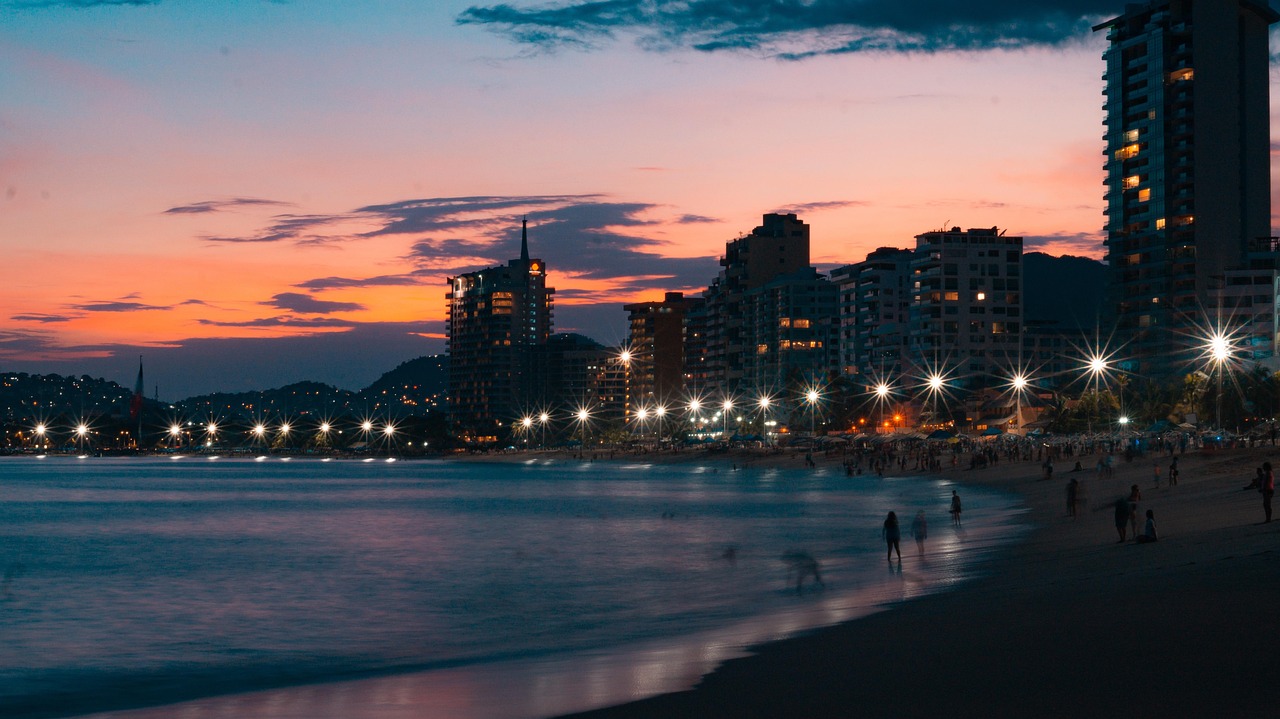
Six states – Colima, Guerrero (where Acapulco is), Michoacan, Sinaloa, Tamaulipas, and Zacatecas – have been given a flat “do not travel” warning (Level 4) due to crime and terrorism, according to the State Department. U.S. government employees may not travel to any area in the state of Guerrero, including tourist areas Acapulco, Zihuatanejo, Taxco, and Ixtapa, a restriction that speaks volumes about the severity of security threats. For the third consecutive year, Colima has ranked as Mexico’s least peaceful state, maintaining its troubling distinction at the top of violence rankings.

Leave a Reply