
You walk into a restaurant, find your table, and settle in for what you hope will be a great meal. What you might not realize is that your server has already sized you up in those first few seconds. It’s not magic or mind-reading – it’s years of experience and pattern recognition at work. According to a 2024 study published in the Cornell Hospitality Quarterly, experienced servers can predict customer behavior and potential tip percentages with roughly 70% accuracy within the first minute of interaction.
From the way you arrange your napkin to how you greet them, servers pick up on subtle cues that reveal a lot about what kind of dining experience is about to unfold. Let’s be real, they’ve seen thousands of customers, and certain behaviors consistently signal whether you’ll be a dream table or a challenging one. So what exactly are they noticing?
How You Greet Them Speaks Volumes
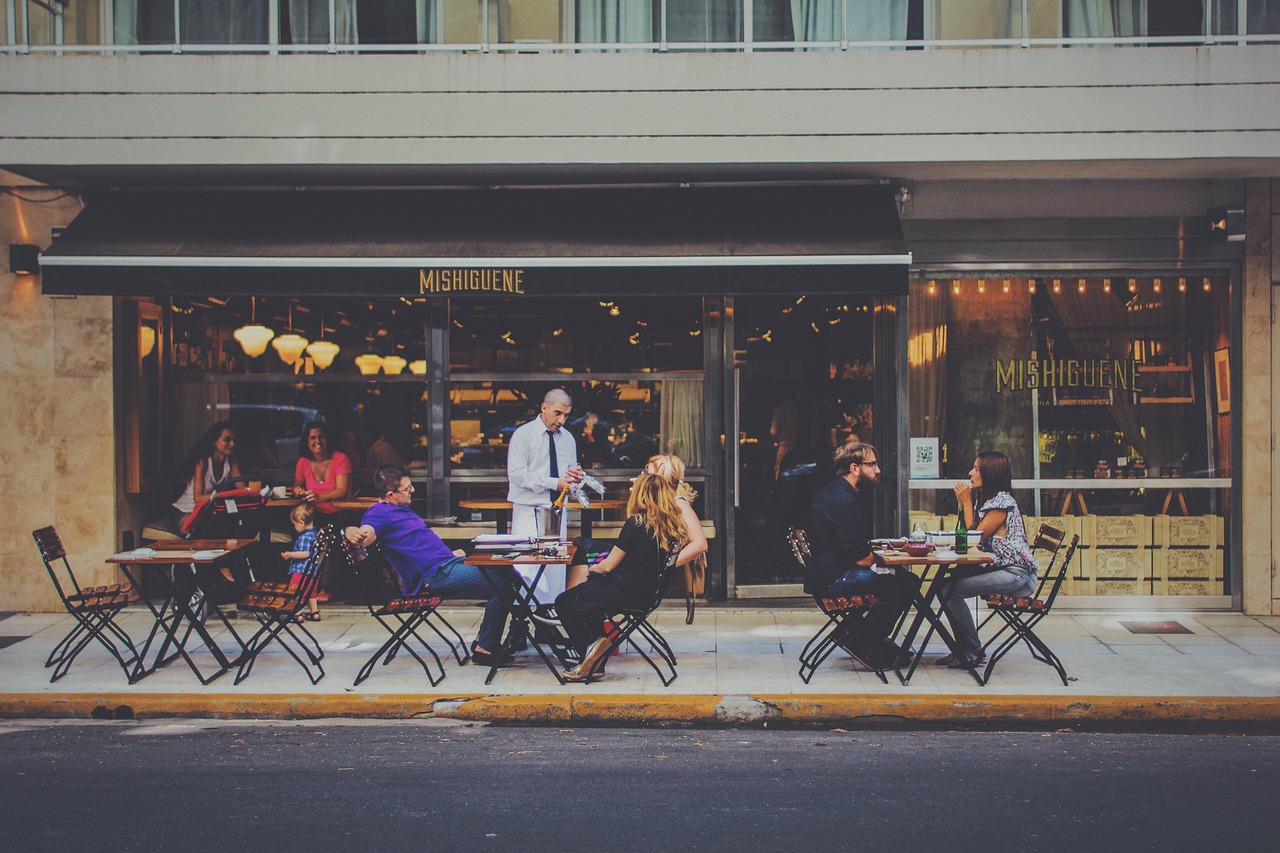
The moment a server approaches your table, your initial greeting tells them almost everything they need to know about the next hour. Research from the University of Houston’s Conrad N. Hilton College found that customers who make eye contact and offer a simple “hello” or “how are you?” are 85% more likely to be rated as pleasant tables by service staff. Servers immediately distinguish between guests who acknowledge their humanity versus those who launch straight into drink orders without looking up from their phones.
I’ve spoken with servers who say the difference is palpable – a warm greeting sets a collaborative tone, while being ignored or treated as invisible creates tension before the meal even begins. One veteran server from Chicago told me she can predict her tip within 15 seconds based solely on whether customers respond to her greeting with genuine friendliness or dismissive indifference. It’s not about being overly chatty. A simple moment of human recognition changes the entire dynamic.
Your Phone Placement Reveals Your Priorities
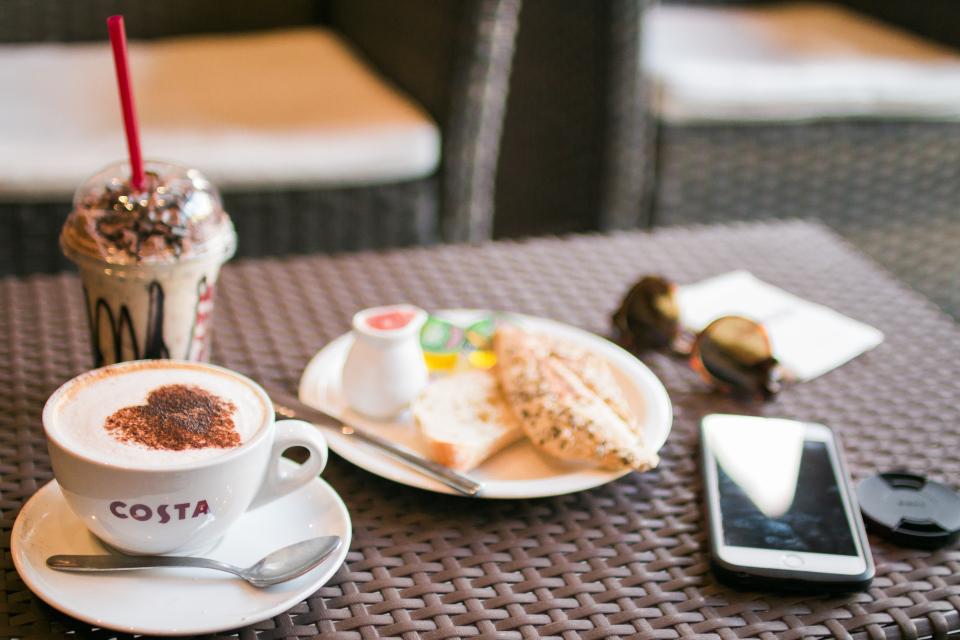
Where you place your phone when you sit down sends an immediate message about how engaged you’ll be with your dining companions and your server. According to a 2023 survey by Restaurant Business Magazine, servers report that tables where phones are face-up on the table or constantly in hand are 60% more likely to need repeated visits because guests are distracted during ordering and questions. If your phone is tucked away, servers know they’ll likely get your full attention when taking orders and can move more efficiently through their section.
Tables dominated by screens also tend to linger longer while paying less attention to their meals, which affects table turnover rates that directly impact server earnings. Servers notice when every person at the table is scrolling rather than conversing – it’s become such a common sight that many restaurants now discuss phone etiquette in staff meetings. The silent message? Your server knows whether you’re there for the experience or just going through the motions.
The Way You Treat the Host Predicts Everything

Servers pay close attention to how you interacted with the host or hostess before even reaching your table. A 2024 study from the Journal of Foodservice Business Research found that customers who are rude or dismissive to front-of-house staff are nearly four times more likely to exhibit difficult behavior toward servers throughout their meal. Restaurant staff talk to each other constantly, and if you were impatient or demanding at the host stand, your server already knows before they introduce themselves.
This observation isn’t about being fake or performative – it’s about basic consistency in how you treat people. Servers understand that someone having a genuinely bad day might be a bit short, but there’s a difference between stressed and outright disrespectful. When someone snaps at the host about wait times or special seating requests, servers brace themselves for a challenging table and may even adjust their approach accordingly.
Your Table Organization Habits Matter More Than You Think
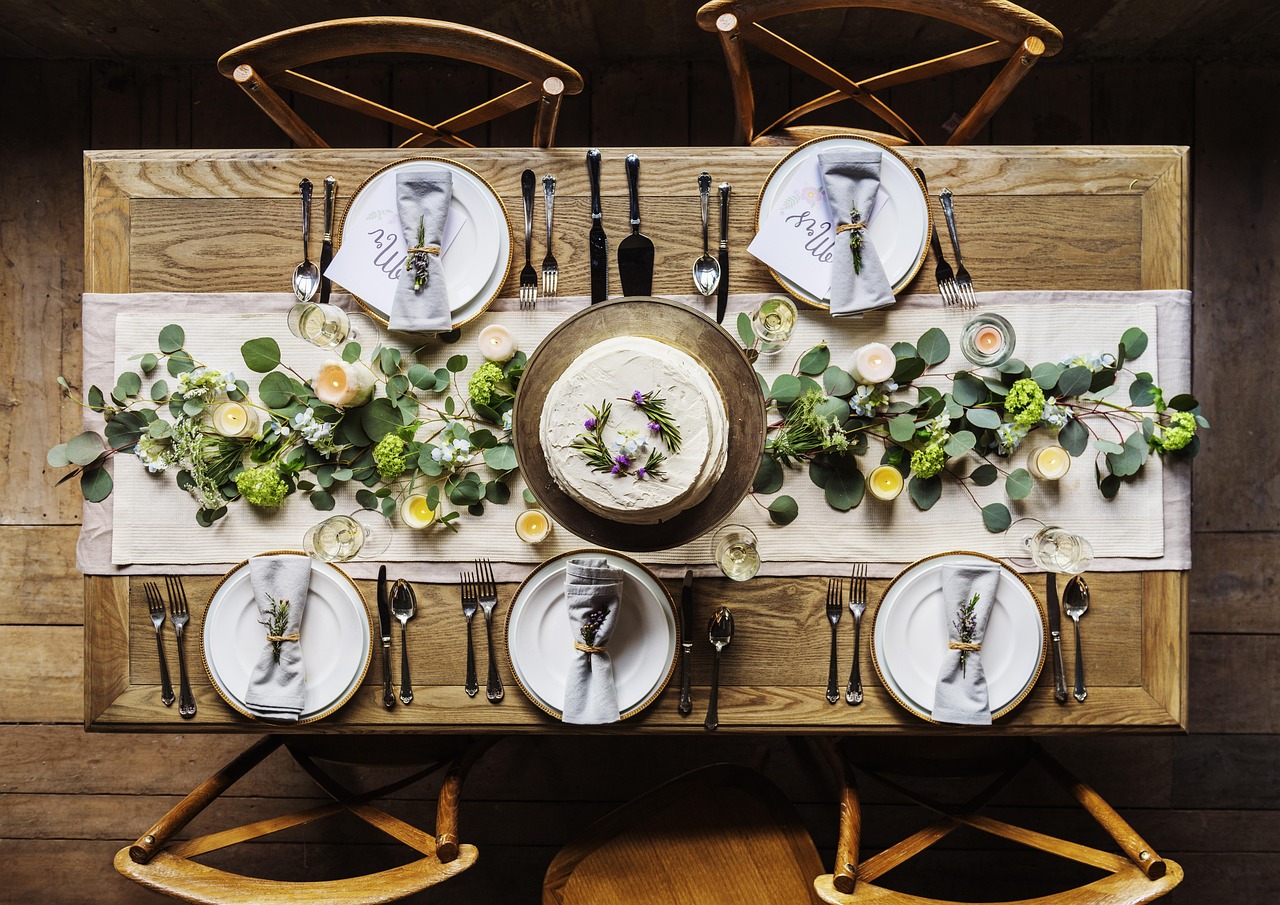
The way you arrange your personal belongings, napkin, and silverware within the first minute reveals a lot about what kind of diner you’ll be. Servers notice whether you immediately spread out and claim excessive space, keep things tidy and contained, or show consideration for both your companions and the working space your server needs. According to hospitality training materials from the American Hotel and Lodging Educational Institute, guests who show spatial awareness and organization tend to be more considerate throughout the service experience.
Tables where guests haphazardly scatter coats, bags, and phones across every available surface signal potential challenges with plate delivery and service flow. Meanwhile, diners who efficiently organize their space and adjust when plates arrive make a server’s job noticeably easier. It’s a small thing, but these micro-behaviors add up. One server from New York mentioned that she can gauge how smoothly a table will go just by watching how people settle in during the first 30 seconds.
Group Dynamics Tell a Complete Story
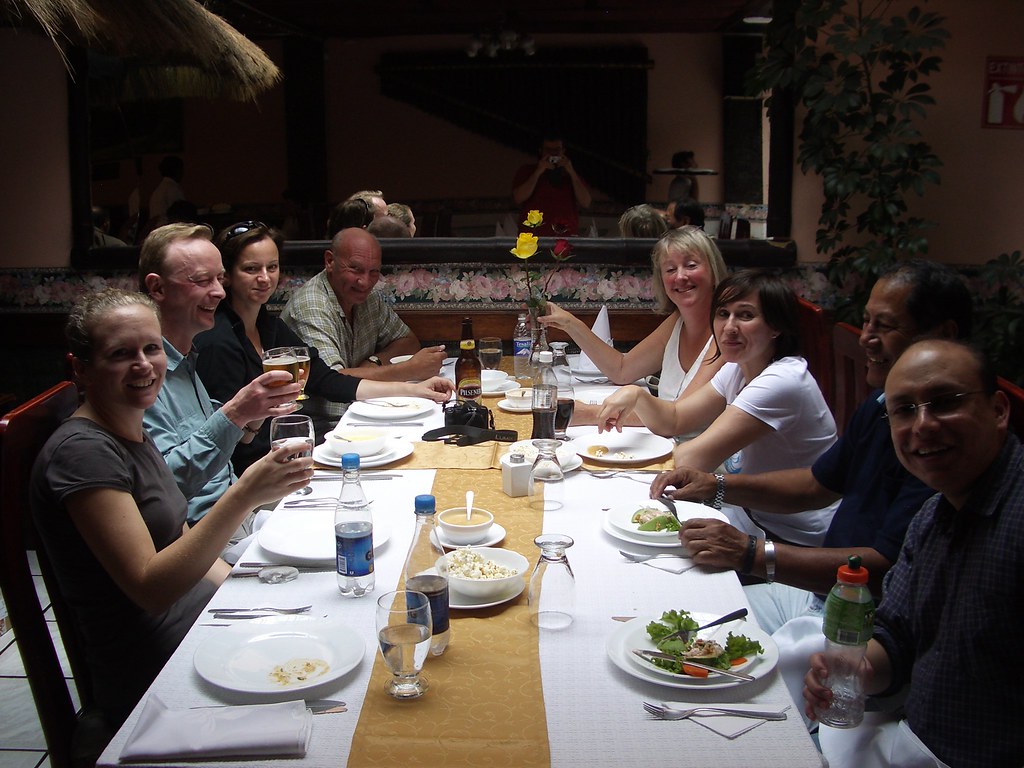
Within seconds of approaching a table, servers can read the social dynamics of your group – who’s in charge, who’s uncomfortable, and whether everyone actually wants to be there. A 2023 report from the National Restaurant Association noted that servers frequently adjust their service style based on group composition, whether it’s a business dinner, family gathering, first date, or celebration. The energy at a table where everyone is genuinely happy to be together feels completely different from one where tension simmers beneath polite conversation.
Servers particularly notice power dynamics – the person who orders for others without asking, the quiet individual being talked over, or the one person on their phone while everyone else engages. These observations help servers navigate potentially awkward situations, like who to hand the check to or how to handle separate orders tactfully. Honestly, experienced servers become amateur psychologists out of necessity, reading body language and social cues to provide better service and avoid stepping into interpersonal minefields.
Your Menu Approach Signals Your Decision-Making Style
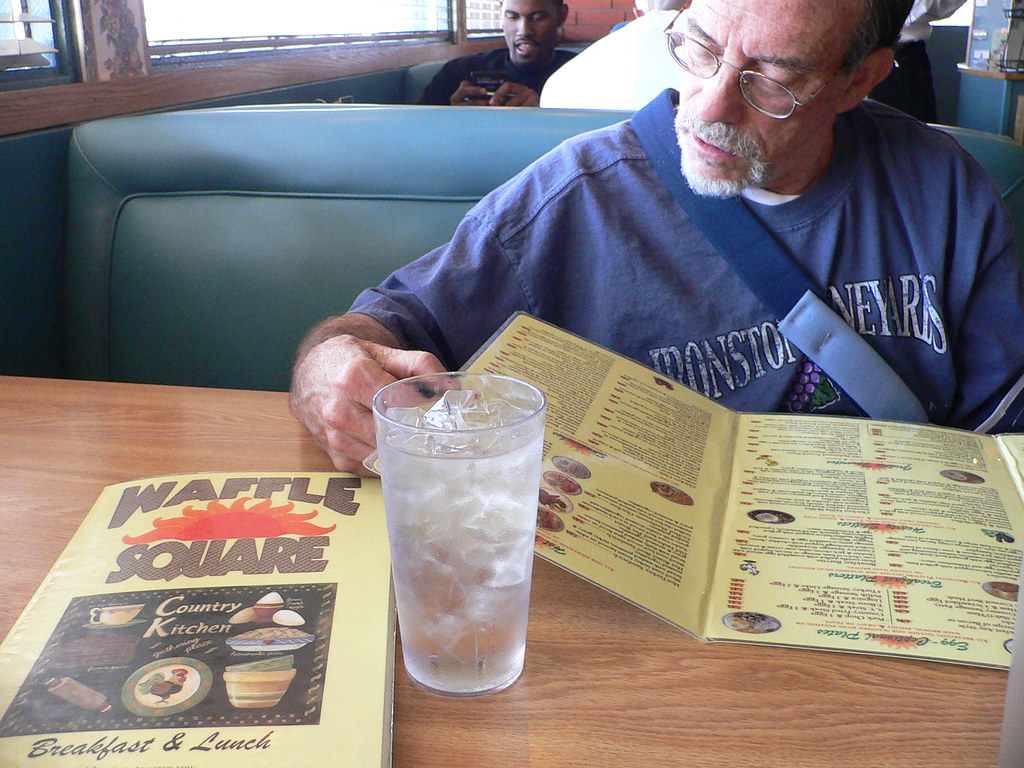
How you handle the menu the moment it’s placed in front of you tells servers whether you’ll be a quick, decisive orderer or someone who needs extra time and multiple check-ins. Research from the University of Oxford’s Said Business School found that diners who immediately open the menu and start scanning versus those who continue conversations without looking at it demonstrate distinctly different decision-making patterns that affect service timing. Servers use these cues to plan their approach to your table and manage their section flow.
Guests who flip through every page multiple times, ask extensive questions about preparations, or continuously change their minds require a different service strategy than those who know what they want quickly. Neither type is wrong, but servers need to recognize which you are to provide appropriate attention without hovering or disappearing. Tables where each person takes forever to decide while servers wait awkwardly definitely stand out, especially during busy shifts when timing is everything.
Your Drink Order Timing Speaks to Experience
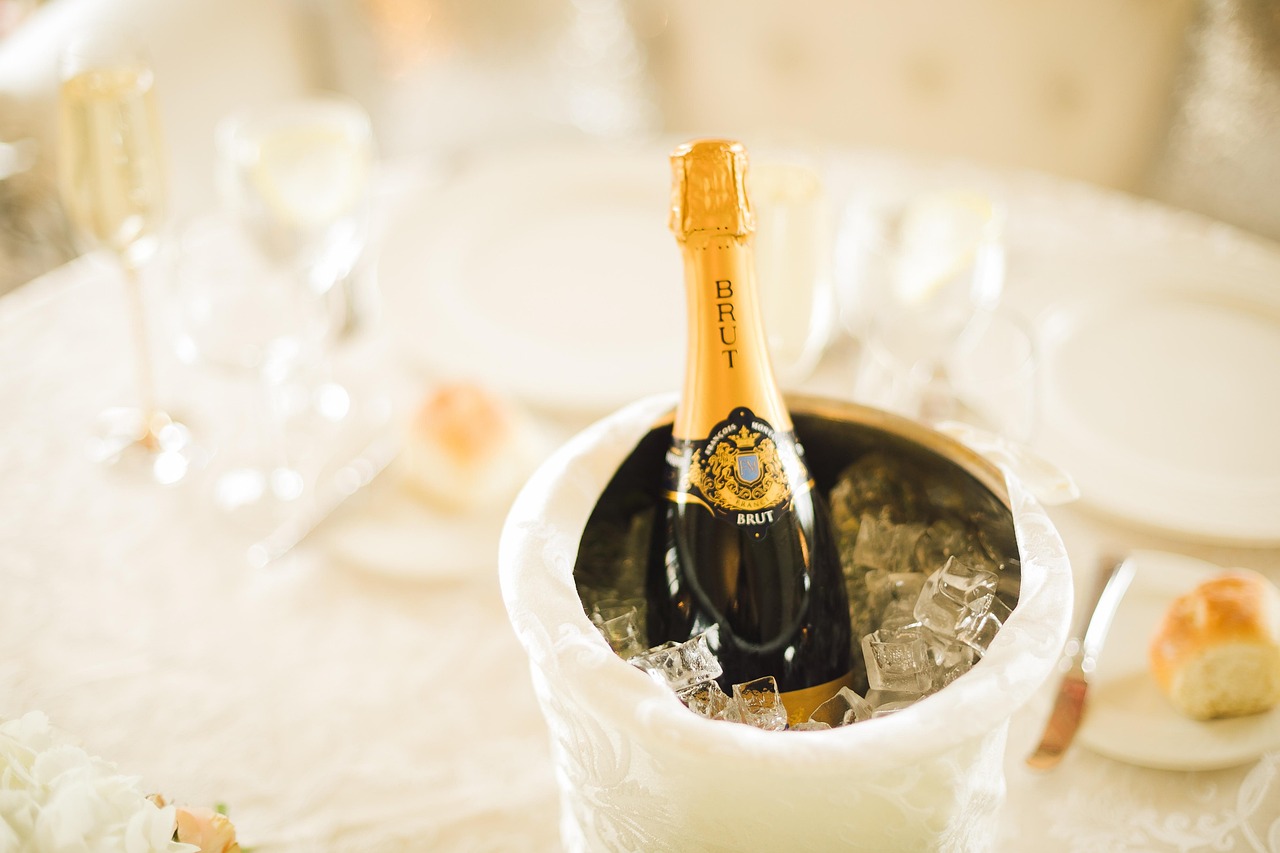
Seasoned restaurant-goers know to have their drink order ready when the server first approaches, while less experienced diners often seem caught off guard by this initial question. According to training materials from the Restaurant Opportunities Centers United, this first interaction sets the pace for the entire meal and signals to servers how familiar you are with dining out. When you’re prepared with drink orders, it demonstrates respect for the server’s time and an understanding of restaurant flow.
Tables that need several minutes to decide on beverages while the server stands waiting create bottlenecks that ripple through their entire section. Meanwhile, guests who efficiently order drinks and then continue perusing the menu allow servers to keep moving and maintain their rhythm. One longtime server told me that drink order readiness is one of the strongest predictors of overall table efficiency – people who have their act together from the start usually maintain that throughout the meal.
Your Eye Contact Patterns Reveal Respect Levels
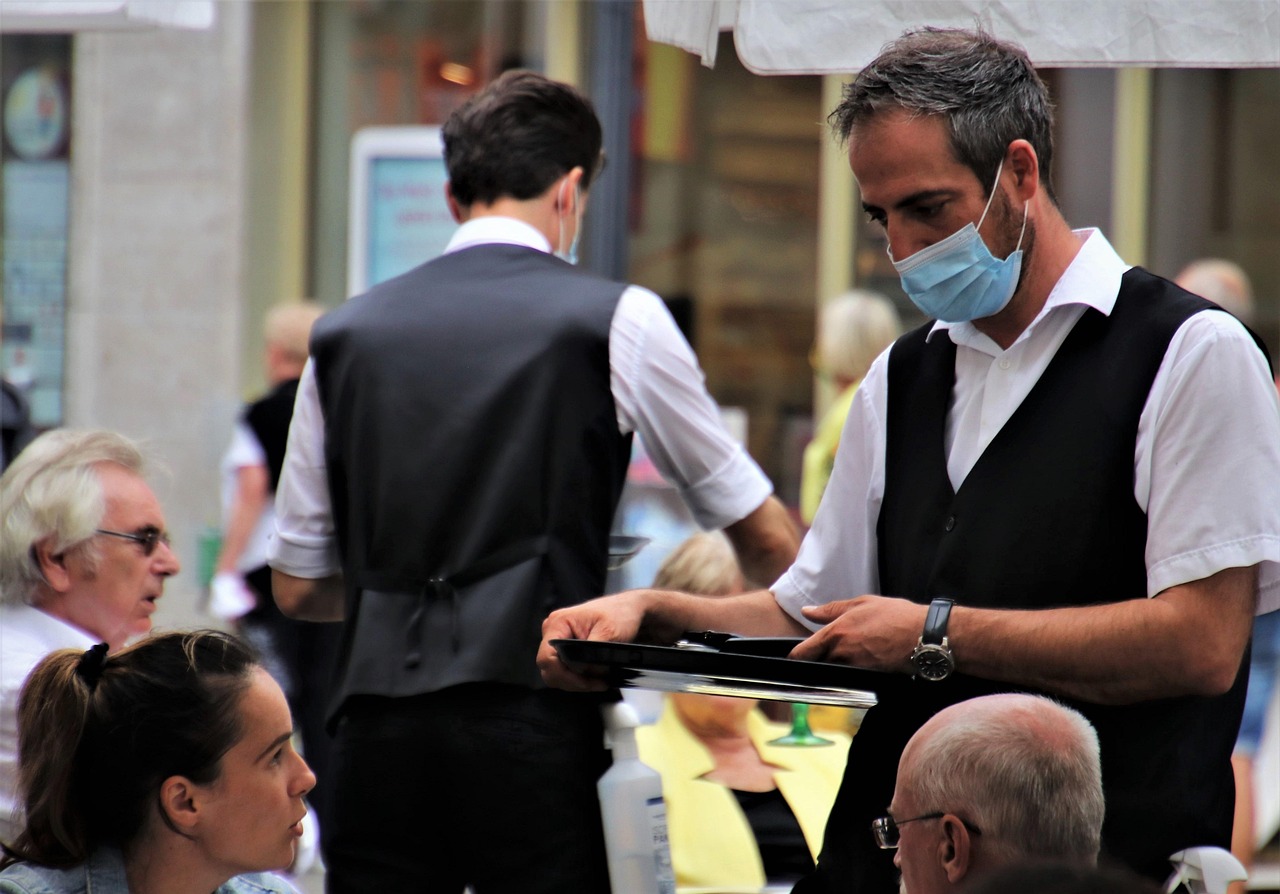
Whether you make eye contact with your server when they speak, when you order, and when they deliver food tells them immediately how you view service workers. A 2024 study from the Society for Hospitality and Foodservice Management found that servers consistently report feeling more valued and respected by customers who maintain appropriate eye contact during interactions, which correlates with better service quality and more positive experiences for both parties. Guests who never look up from conversations or devices while ordering make servers feel invisible and undervalued.
This isn’t about staring contests or awkward prolonged gazes – just basic acknowledgment that another human is addressing you. Servers notice the difference between genuine engagement and performative politeness, and it affects how they prioritize tables when things get busy. The simple act of looking at someone when they’re speaking to you might seem insignificant, but for servers who deal with being ignored or dismissed all day, it’s actually a pretty big deal.
Your Questions Expose Your Intentions
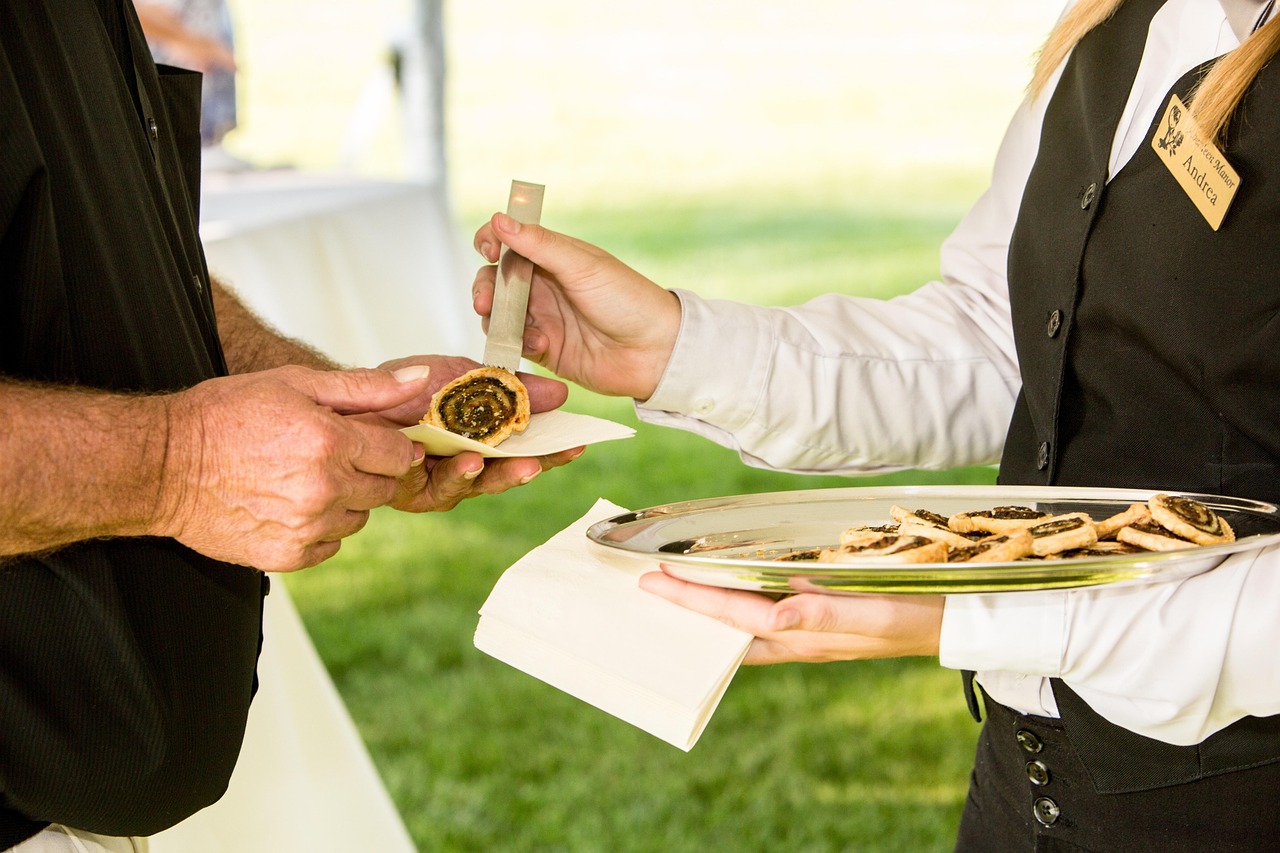
The first questions you ask reveal whether you’re genuinely interested in the food, looking for special treatment, or already preparing to complain. Servers distinguish between thoughtful inquiries about ingredients and preparations versus interrogations designed to find fault or secure freebies. According to interviews with restaurant managers published in Nation’s Restaurant News in 2023, servers are trained to recognize “serial complainers” who ask leading questions intended to set up later dissatisfaction claims.
Questions about sourcing, preparation methods, or thoughtful dietary restrictions demonstrate genuine interest and usually lead to positive interactions. Meanwhile, immediately asking about discounts, launching into stories about how another restaurant does things better, or questioning prices before even reading the menu raises red flags. Here’s the thing – servers want you to ask questions and get exactly what you want, but the tone and intent behind those questions are immediately apparent to someone who’s heard thousands of variations.
Your Patience Level Shows Before You Order
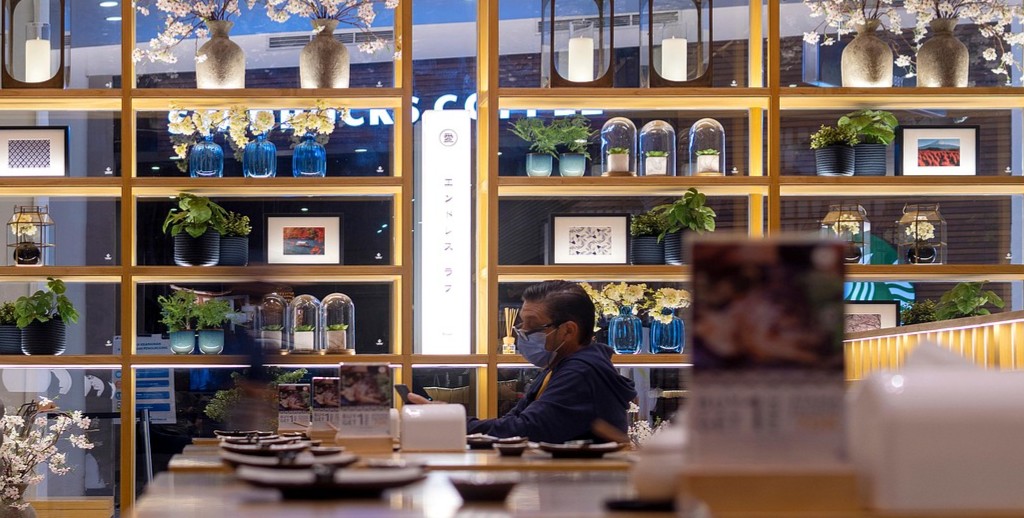
How you handle the natural wait time before your server arrives at your table reveals your patience threshold for the entire meal. Research published in the Cornell Hospitality Quarterly in 2024 found that customers who display impatience in the first five minutes – looking around repeatedly, sighing, or trying to flag down staff – are significantly more likely to express dissatisfaction throughout their visit regardless of service quality. Servers immediately clock guests who can’t tolerate brief waits versus those who comfortably settle in and understand restaurants have rhythms.
The reality is that servers are managing multiple tables, and even in perfectly run restaurants, you might wait a few minutes before someone greets you. Your reaction to this standard pause tells servers whether you’ll be understanding when normal service delays occur or if every minor wait will become a point of contention. Those first moments of patience or impatience set expectations that color the entire dining experience for everyone involved.
Final Thoughts
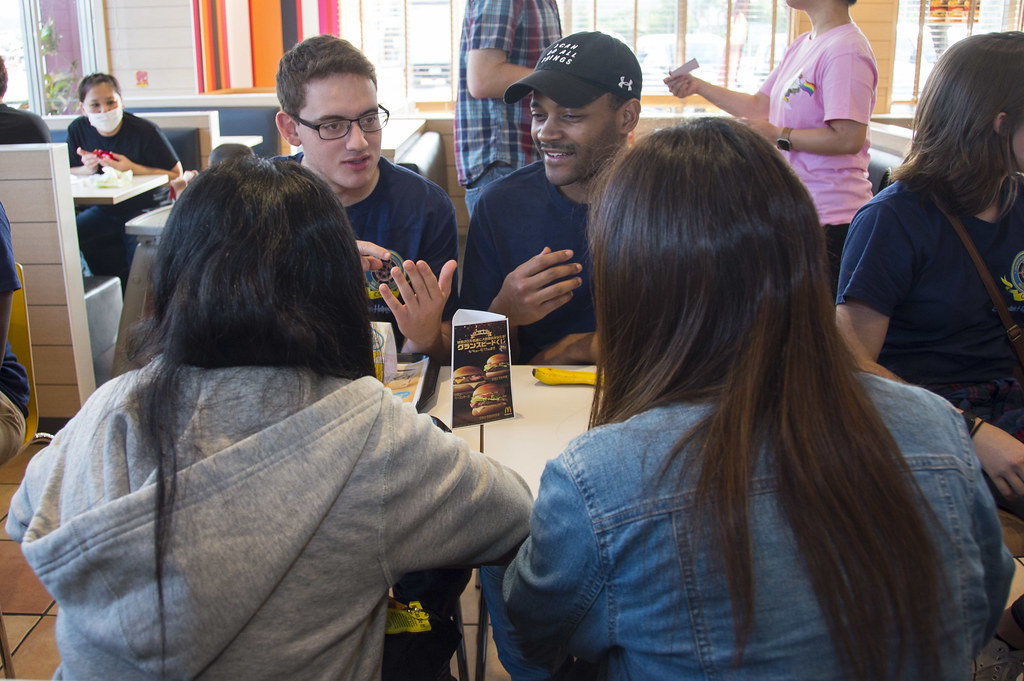
These observations aren’t about servers judging you harshly or looking for reasons to provide poor service – quite the opposite, actually. Experienced servers develop these reading skills to provide better, more personalized service and to protect themselves from potentially difficult situations. Understanding what signals you’re sending can help you have better restaurant experiences, build positive relationships with service staff, and maybe even score exceptional service by demonstrating you’re a guest they’ll enjoy serving. The restaurant world runs on these unspoken communications, and now you know what’s really being noticed in those crucial first moments. What do you think about it? Tell us in the comments.


Leave a Reply