
This article references retirement data, cost estimates, and economic research from sources including the Employee Benefit Research Institute (EBRI), Fidelity Investments, the U.S. Bureau of Labor Statistics, the U.S. Department of Health and Human Services, Genworth, AARP, and the Federal Reserve Bank of St. Louis.
Most people plan for retirement the same way they plan a vacation. They budget for the obvious expenses and overlook the ones that quietly cost the most.
Ask someone nearing retirement what their biggest future expense will be, and they often say housing or travel. But real-world data shows a very different picture once retirement begins.
According to the Employee Benefit Research Institute’s 2024 Spending in Retirement Survey, 31% of retirees say their spending is higher than they can afford, up from 27% in 2022 and just 17% in 2020. That growing gap highlights a key issue: the most expensive parts of retirement are often the least expected.

Healthcare Costs Keep Climbing
Healthcare remains one of the biggest financial pressures in retirement.
Fidelity Investments reported in its 2025 Retiree Health Care Cost Estimate that a 65-year-old retiring in 2025 can expect to spend about $172,500 on healthcare over the course of retirement. That figure has more than doubled since Fidelity began tracking it in 2002, when the estimate was $80,000.
Data from the Peterson-KFF Health System Tracker shows medical care costs have risen about 121% since 2000, compared to an 86% increase for overall prices. Milliman projects healthcare costs will continue rising at an average rate of 4.7% annually over the next 25 years.
Even with Medicare, healthcare can account for roughly 15% of total retirement spending, making it one of the most persistent and unpredictable expenses.
Long-Term Care Is the Biggest Wildcard
Long-term care is one of the most underestimated risks in retirement planning.
The U.S. Department of Health and Human Services reports that about 70% of adults age 65 and older will need some form of long-term care. However, a study conducted by Jackson Financial in partnership with the Center for Retirement Research at Boston College found only 27% of investors believe they will need it.
The cost can be significant. Genworth’s 2024 Cost of Care Survey found that a semi-private room in a nursing facility costs a median of $111,325 annually, while a private room averages $127,750. Assisted living costs also rose to about $70,800 per year.
These costs are rising faster than general inflation, making long-term care one of the biggest financial risks retirees face.

Food Costs Add Up Over Time
Food is often treated as a fixed expense, but it has become a growing burden.
Consumer Price Index data shows food prices increased 2.5% in 2024, with grocery costs rising 1.8% and dining out increasing 3.6%. The Federal Reserve Bank of St. Louis reports food prices have jumped nearly 30% since 2019.
A 2025 GOBankingRates survey found that nearly 48% of seniors said they are paying significantly more for groceries than the previous year. Retiree households now spend about $7,940 annually on food, and prices are expected to continue rising.
Over a retirement that may last decades, even small increases in food costs can create a meaningful financial strain.
Housing Costs Do Not Go Away
Many retirees expect housing costs to drop once the mortgage is paid off. That is not always the case.
The U.S. Bureau of Labor Statistics reports that retiree households spent an average of $22,193 on housing in 2024, making it the largest expense category. Total annual spending averaged $61,432.
AARP reports that 71% of older adults have considered downsizing due to rising housing costs. Property taxes, insurance, and maintenance continue regardless of mortgage status.
In fact, more than 11.2 million older adults spent at least 30% of their income on housing in recent years, according to housing data cited by AARP.
Transportation Costs Are Still Rising
Many people expect transportation costs to drop after retirement. In reality, they often increase.
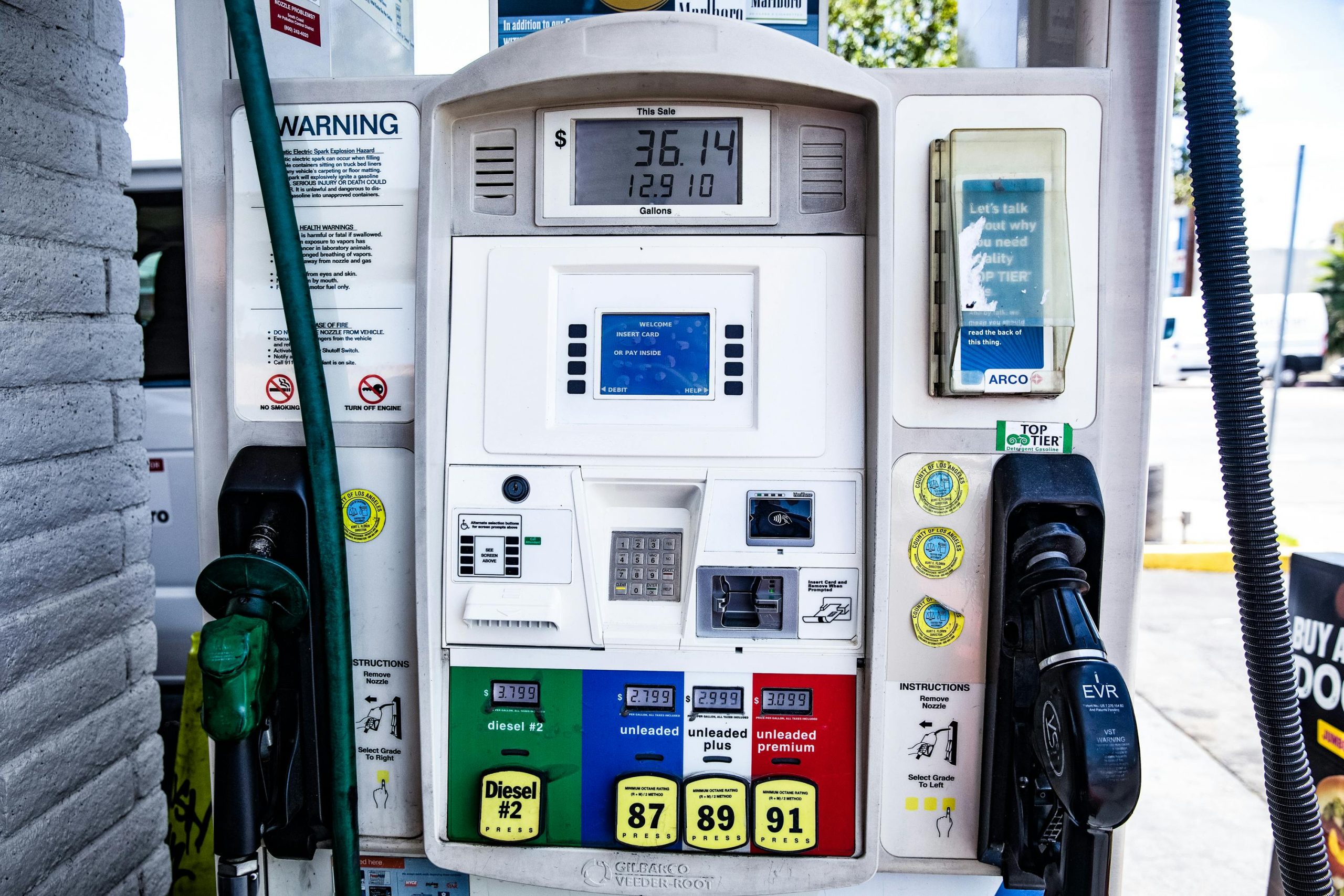
The Bureau of Labor Statistics shows retiree households spend about $9,538 annually on transportation, up 5.6% from the previous year. Rising vehicle prices, insurance costs, and fuel expenses all contribute.
Transportation for America notes that most adults over 65 live in car-dependent areas, making it difficult to reduce these costs.
At the same time, overall consumer prices rose 3.0% in the 12 months ending September 2025, with essentials like energy and housing continuing to push expenses higher.
Taxes and Debt Still Follow Retirees
Taxes do not disappear in retirement.
Withdrawals from 401(k) plans and IRAs are taxed as income, and Social Security benefits can also be partially taxable depending on overall earnings. Property taxes remain a significant cost for homeowners.
Debt is another growing issue. According to EBRI’s 2024 survey, 68% of retirees with debt carry credit card balances. Many older adults are also struggling to cover basic expenses.
While Social Security benefits received a 2.5% cost-of-living adjustment in 2025, those increases often lag behind rising costs in key areas like healthcare and housing.
The Real Retirement Risk
The biggest challenge in retirement is not always a single large expense. It is the combination of multiple rising costs that slowly erode savings over time.
Data across multiple studies shows the same pattern. Healthcare, housing, food, and long-term care continue to rise faster than expected, while income adjustments struggle to keep up.
Understanding these costs before retirement, rather than after, can make the difference between financial stability and constant financial pressure.




Leave a Reply