
America is a land of staggering variety. Road trips through red rock canyons, weekends in electric cities, coastlines that go on forever. It’s the kind of country that makes you want to pack a bag and just go. Yet not every city on the map delivers the experience it promises on a postcard.
Some destinations have quietly earned a different kind of reputation, one built on crime statistics, real travel accounts, and data that doesn’t lie. From homelessness crises to violent crime rates that dwarf the national average, these are the American cities travelers are increasingly putting in the “think twice” column. Be ready to be surprised by a few of them. Let’s dive in.
1. Memphis, Tennessee – Where the Numbers Don’t Lie
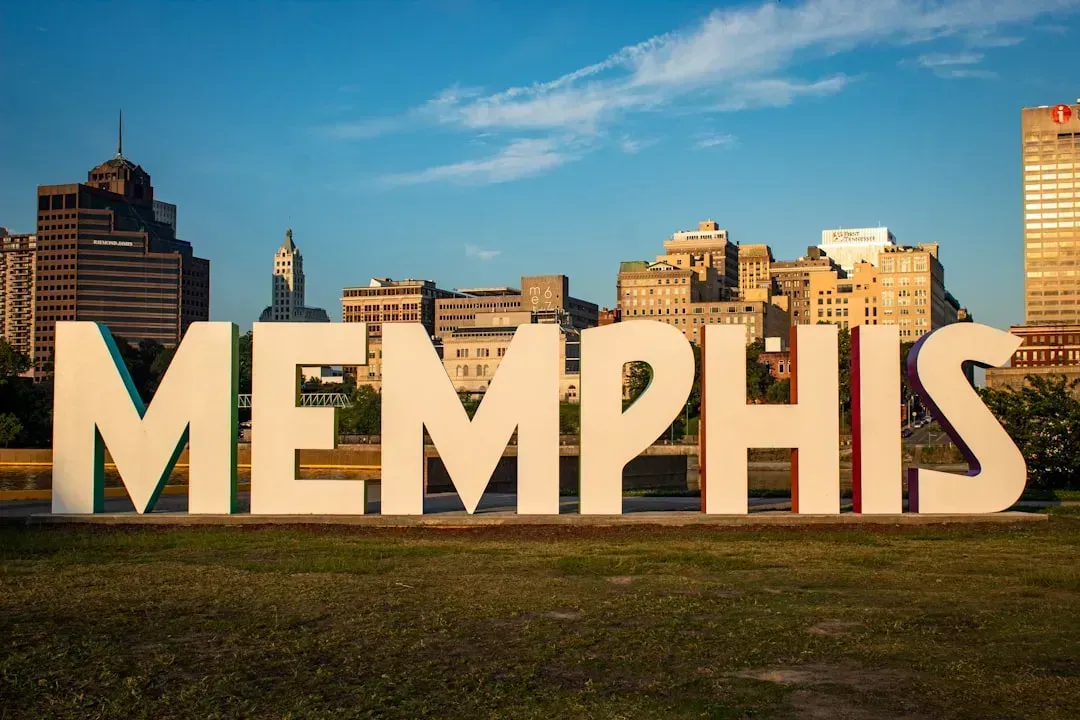
Let’s be real: Memphis is a city of genuine soul, a place where blues music was born and barbecue is practically a religion. Honestly, it deserves better than the reputation it carries. The problem is that the data is relentless. With a crime rate of 95 per one thousand residents, Memphis has one of the highest crime rates in America compared to all communities of all sizes.
In Memphis, the total number of daily crimes is more than four times the national average, and violent daily crime statistics are nearly seven times the national average. Toward the end of 2024, Memphis topped the list of the most dangerous U.S. cities, as reported by Safe and Sound Security. That is not a minor distinction. That is a warning.
In 2023, Memphis hit a record high for homicides with a shocking 397 murders. In 2025, the city had already recorded 97 murders by May 19. There is some progress, as homicides were 4% lower in the first half of 2025 than in 2024, though still 58% higher than 2019.
Crime in Memphis is heavily concentrated in Frayser, Parkway Village-Oakhaven, and Whitehaven. Downtown and Midtown see significantly lower violent crime rates, so block-level research is essential before visiting. Travelers who go in informed, stay in well-lit areas, and move in groups can still enjoy what the city has to offer. But casual, unprepared tourism here carries real risk.
2. St. Louis, Missouri – The Gateway to Caution
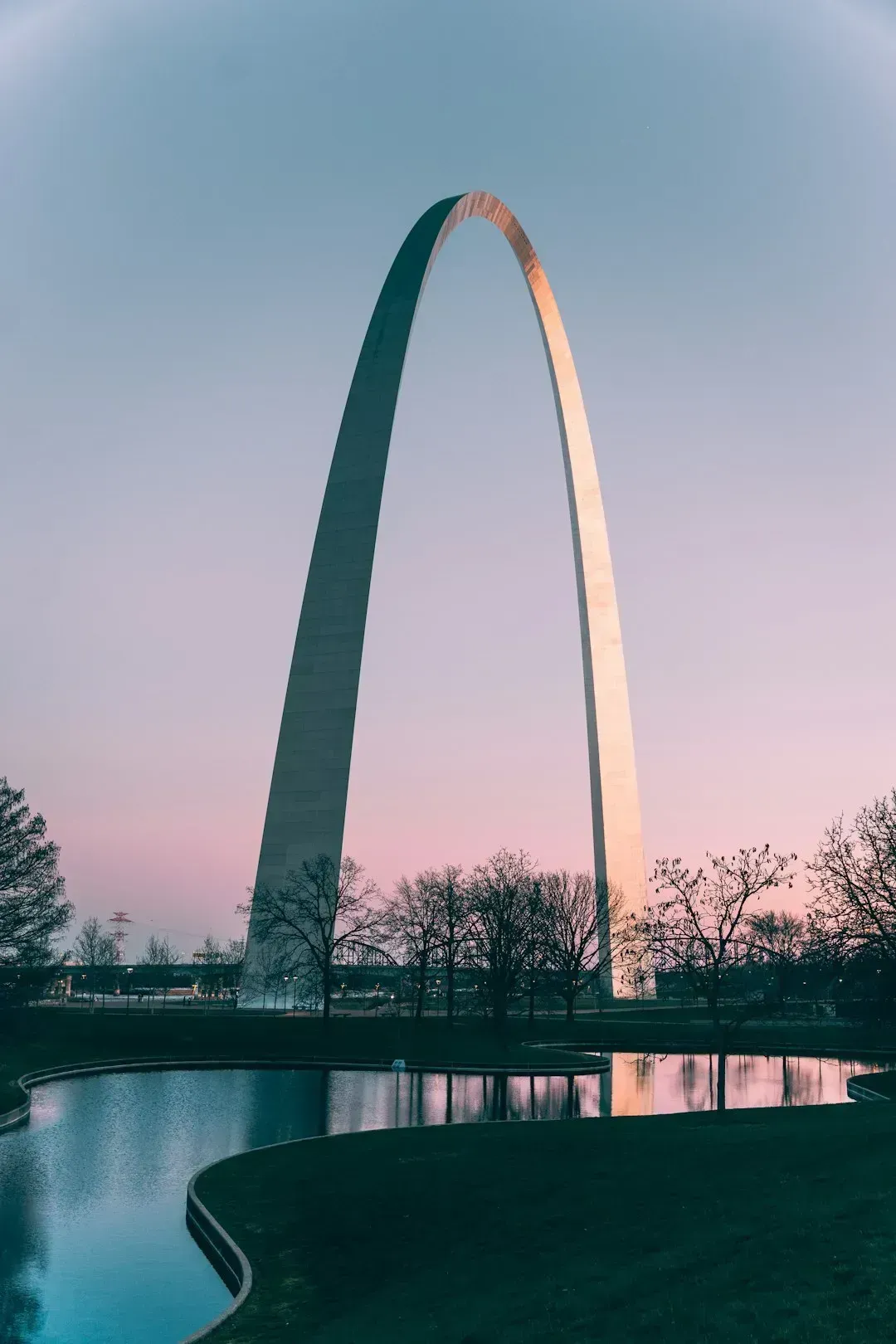
Think of St. Louis and you probably picture the shining Gateway Arch reflecting in the Mississippi. It’s a city with genuine charm, great museums, and legendary toasted ravioli. For decades, St. Louis has appeared in reports highlighting America’s highest violent crime rates as one of the world’s most dangerous cities. Despite this troubling distinction, nearly 25 million visitors still make their way here each year.
For years, the city has posted one of the highest homicide rates per capita in the nation, often more than 60 per 100,000 residents, dwarfing national averages. St. Louis City, with a population of roughly 300,000, differs statistically from St. Louis County, and a few north-side neighborhoods concentrate most violent crime.
According to Neighborhood Scout data, you have a one in 70 chance of falling victim to a violent crime in St. Louis compared to one in 218 throughout the rest of the state. That said, things are improving according to the St. Louis Metropolitan Police. The website states that 2024 saw the lowest number of homicides in 11 years.
Residents and longtime observers paint a stark picture of downtown safety conditions. Downtown St. Louis is not safe. Long-time residents note that even during the daytime it is not safe for a single person to walk around. Even with improvements in overall crime statistics, staying in well-lit areas and avoiding solo nighttime walks remains essential.
3. San Francisco, California – Beauty and Broken Promises
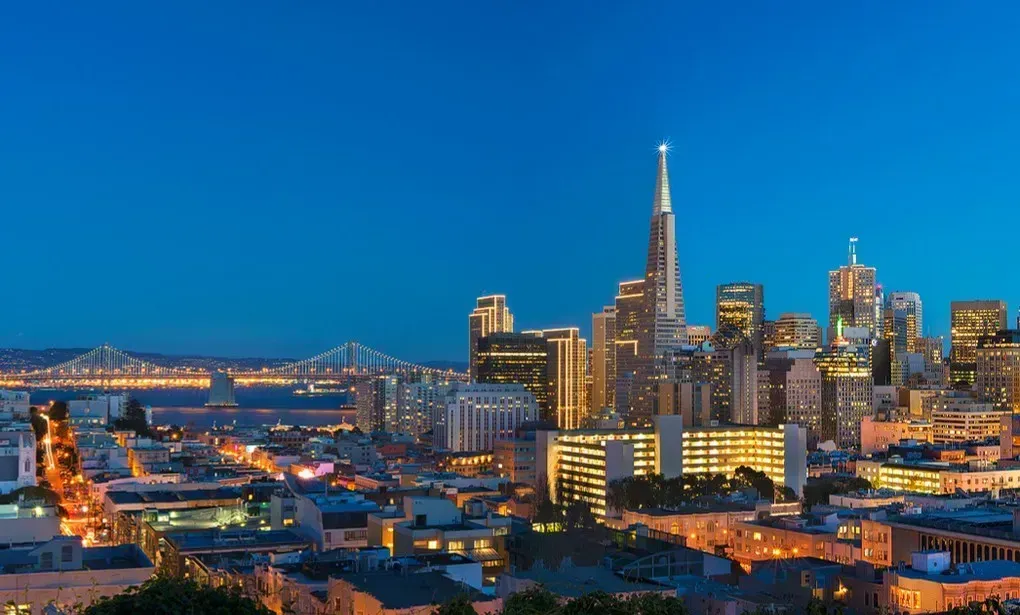
San Francisco is one of the most photogenic cities on the planet. Golden Gate fog, Victorian row houses, world-class food. It has everything. Or at least, it used to feel that way. San Francisco faces a persistent homelessness and behavioral health crisis, despite government spending billions over decades. Roughly two people die every day from overdose in the city, and more than 8,000 people experience homelessness nightly, according to the 2024 Homelessness Point in Time Count.
Homelessness overall increased in the city by 7%, from 7,754 people in 2022 to 8,323 in 2024. To be fair, the picture is complicated. As of May 2024, property crime had dropped 32%, while violent crime was down 14% year over year. The city plans to continue making substantial investments in public safety, greenlighting funding for 200 additional police officers and new surveillance technologies.
San Francisco in 2025 was framed around Mayor Lurie’s efforts to promote the city’s “comeback,” though he faced multiple obstacles including the nation’s highest downtown office vacancy rate, retail vacancies, a struggling tourist economy, and open-air drug markets in multiple communities. Progress is real, but it is uneven and slow.
Last year, San Francisco’s visitor industry hit its lowest point since the 2020 pandemic, but insiders say that 2025 will be the start of a comeback, with a string of high-profile events on the horizon and strengthening convention business. I think the city still has its magic. It just takes more planning and more caution to find it safely these days.
4. Baltimore, Maryland – A City in Painful Transition
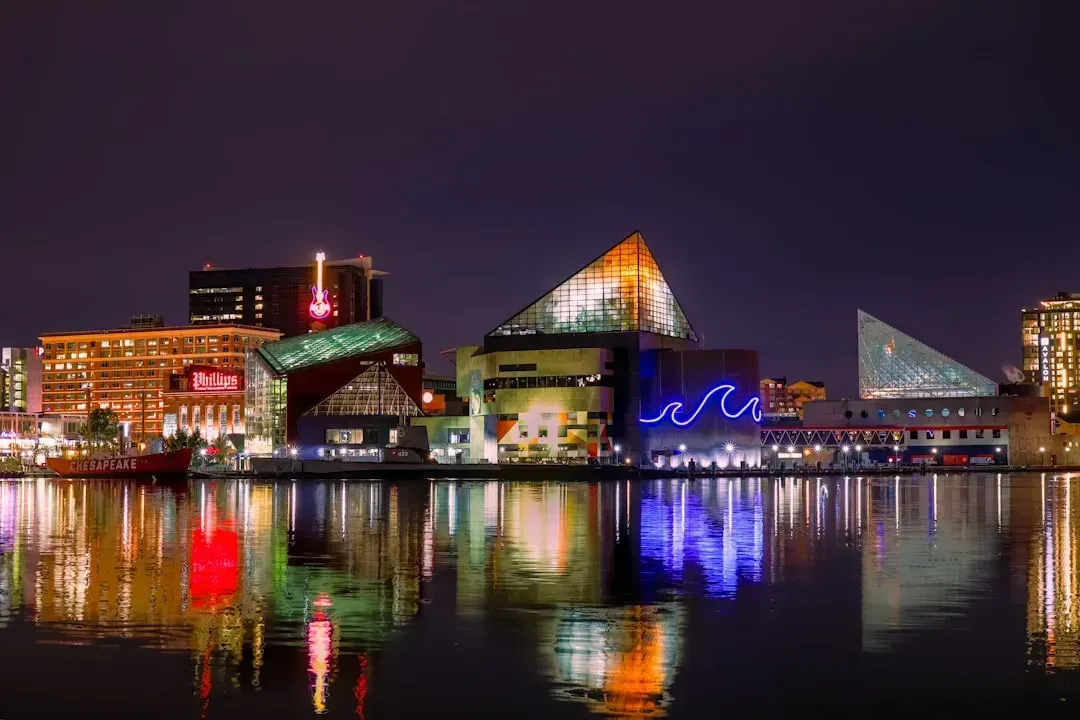
Baltimore is complex. It’s a city of crab cakes, a spectacular Inner Harbor, and some of the most passionate neighborhoods in America. It’s also a city that travelers consistently flag for serious safety concerns. Baltimore welcomes more than 27 million tourists each year who come for the crab cakes and to visit the National Aquarium. Unfortunately, the city also boasts one of the highest homicide rates in the country.
The city’s 22.4% poverty rate, triple the national average, correlates with geographic concentration of crime. The good news is that change is coming, even if the baseline remains alarming. The improvements have continued into 2025, with the city having seen a 24.3% decrease in homicides and an 18.3% decline in nonfatal shootings. So far in 2025, Baltimore has had 84 homicides, the fewest in over 50 years.
Police staffing remains a challenge. Baltimore is among the cities reporting a 20 to 30% vacancy rate in its police force, which is one reason businesses in the area have accelerated investment in private security and professional monitoring services.
Central and west-side neighborhoods carry significantly higher risk after dark, while Downtown and the Inner Harbor area are more secure due to visibility and foot traffic. Stick to those zones and Baltimore can still be genuinely rewarding. Wander off the tourist track at the wrong hour, though, and it’s a different story entirely.
5. New Orleans, Louisiana – The Party That Gets Complicated
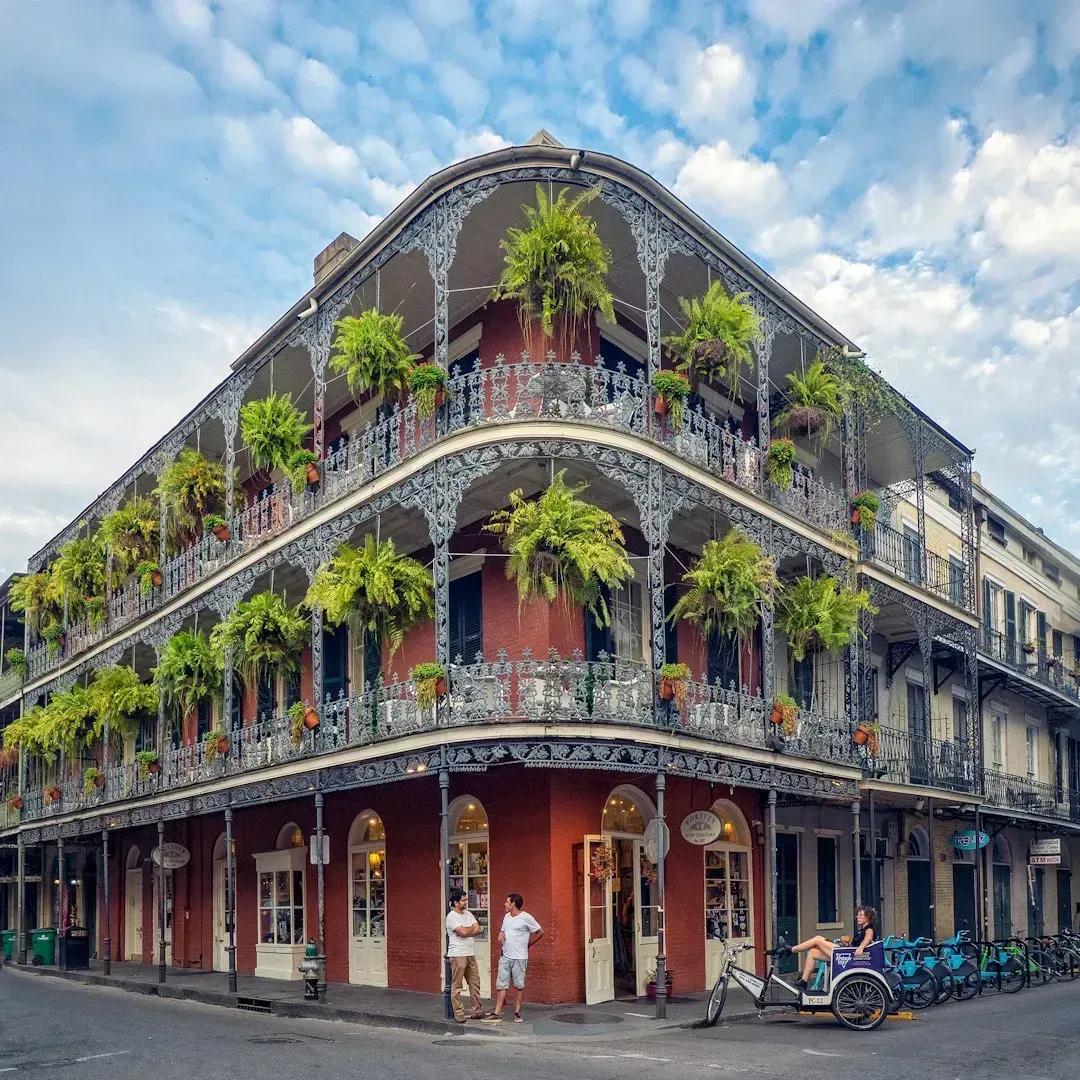
Few cities on earth have the cultural magnetism of New Orleans. Jazz, incredible food, Mardi Gras, and that one-of-a-kind energy that feels utterly irreplaceable. Yet 2025 was a genuinely difficult year for the Crescent City’s tourism industry, and it started in the most shocking way possible. It started with a fatal ramming attack on Bourbon Street in the wee hours of New Year’s Day and continued weeks later with a snowstorm that impacted one of the largest national trade shows on the books.
Per Area Vibes, New Orleans’ crime rate is higher than the national average by a whopping 161.8%. That number shocks people who picture the French Quarter as a safe, festive haven. In May 2025, a nationally publicized jailbreak in New Orleans highlighted public safety challenges that local officials had been trying to address.
Hotel occupancy through November 2025 suggests a softer market in New Orleans. Occupancy was down about 5% over 2024, with the city’s downtown and French Quarter hotels averaging about 60% compared with 65% the previous year. Travelers voted with their bookings.
Here’s the thing, though. By the end of 2025, New Orleans reached its lowest homicide levels since the 1970s. Building upon progress from 2022 to 2025, homicides were down 55%, fatal shootings were reduced by 61%, armed robberies down 59%, and carjackings plummeted by 70%. The city is fighting back hard. Whether travelers will return in equal numbers remains an open question.
6. Detroit, Michigan – Progress Behind a Dangerous Reputation
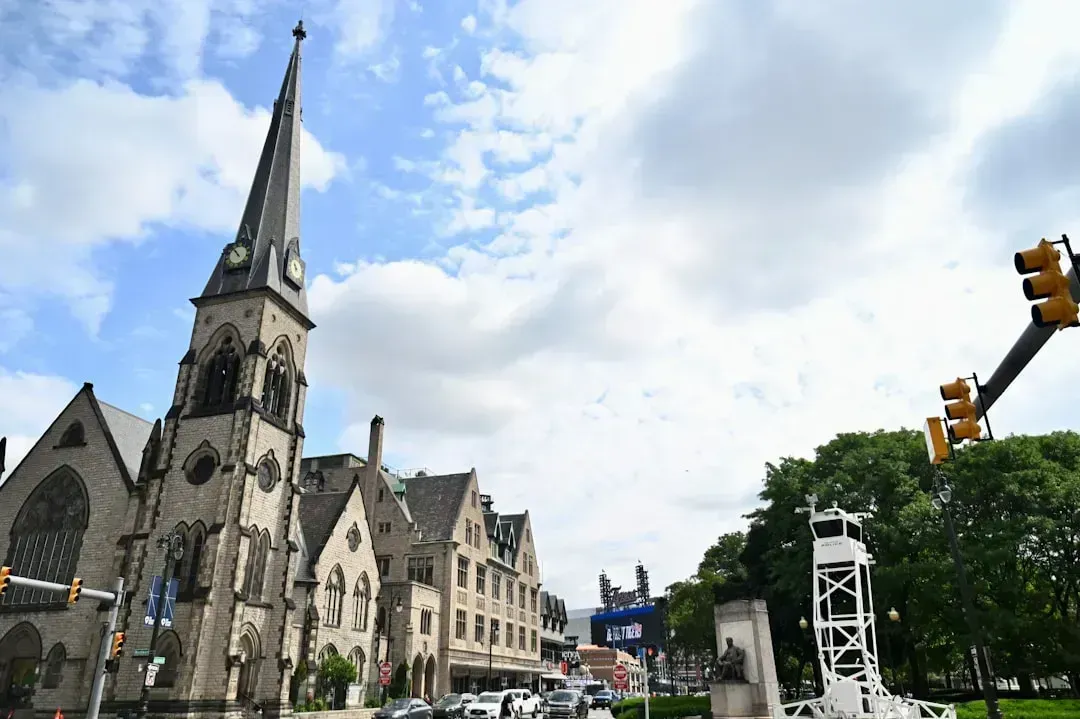
Detroit’s comeback story is one of the more fascinating urban narratives in America right now. Think of it like a house under serious renovation, gorgeous bones, real potential, but you still have to watch where you step. Detroit consistently ranks as one of the most dangerous cities in the country, with a high rate of violent crimes per capita, including assaults and robberies, which has contributed to urban decay and rapid population decline. That said, the picture is not entirely bleak. Downtown Detroit, the Riverwalk, Corktown, and the Detroit Institute of Arts are well-patrolled and generally safe.
In 2024, Detroit had its lowest number of homicides in over 50 years. Now, it’s becoming a popular vacation spot known for culture. That is genuinely remarkable progress that deserves recognition. 2025 FBI data showed a 15.2% decrease in violent crime and a 15.1% decrease in property crime in Detroit, confirming a positive trend.
Memphis, Oakland, Detroit, and Baltimore consistently rank among the most dangerous cities based on FBI violent crime data, with rates three to six times the national average. The contrast between Detroit’s revitalized tourist corridors and surrounding neighborhoods remains stark, and that gap matters enormously to visitors who don’t know the geography.
Detroit is trying, genuinely. It’s just that “trying hard” and “ready for casual tourism without precautions” are still two different things. That sums it up better than most statistics could.
7. Myrtle Beach, South Carolina – Not Just Miniature Golf

This one surprises almost everyone. Myrtle Beach sounds like the definition of a safe, wholesome beach vacation. Families, water slides, seafood buffets. It markets itself aggressively as a fun, relaxed destination, and millions of people take the bait every year. The reality underneath that cheerful surface is considerably more jarring. According to Axelrod and Associates, the violent crime rate for Myrtle Beach in 2025 was estimated at approximately 49.31 per 1,000 residents. For 2024, the robbery rate was around 262 per 100,000 people. The rate of violent crime surpasses both the state average for South Carolina and the national average, indicating greater exposure to acts of violence for residents and visitors alike.
In 2024, the burglary rate was reported as 1,633 per 100,000 residents, down from 1,973 in 2023. For larceny in 2024, the rate was roughly 13,004 per 100,000. Those are staggering property crime numbers for a beach town. Think of it this way: you’re more likely to have your car broken into in Myrtle Beach than almost anywhere else in the country.
Property crime is especially prevalent. Property crimes form the bulk of incidents and represent the principal exposure for both residents and tourists.
The influx of tourists and seasonal population increases may complicate per-capita metrics, as law enforcement and reporting are challenged by fluctuating populations. That said, the numbers are clear enough that seasoned travelers consistently flag Myrtle Beach as a destination where extra vigilance, especially around your vehicle and belongings, is simply non-negotiable.
Conclusion

Here’s the broader truth behind all of this. The Council on Criminal Justice’s year-end report found that homicides were 21% lower in 2025 than in 2024 across 35 study cities. National violent crime hit its lowest point since 1976 in 2024, and motor vehicle theft dropped 27% in 2025 after years of increases. America, on the whole, is getting safer. That is real and important progress worth acknowledging.
Yet, as nationwide data shows overall violent crime dropped roughly 4.5% last year, the macro trend masks deep local divergences. In many cities, the rates of homicide, robbery, aggravated assault, or vehicle theft remain far above national averages. National improvement and local danger are not mutually exclusive, and travelers who confuse the two can find themselves in genuinely dangerous situations.
None of the destinations on this list are without redemption. Every single one has genuine culture, real beauty, and local communities fighting hard for a better future. The point is not to write them off forever. The point is to go in informed, stay in well-researched areas, and resist the temptation to assume a city is safe just because its tourism board says so.
Which of these destinations surprised you most? Tell us in the comments.




Leave a Reply