
There was a time when flashing an American passport abroad felt like a golden ticket. Warm smiles, wide eyes, genuine curiosity. Those days, honestly, are starting to feel like a different era. In 2025 and into 2026, a measurable shift is taking place across the globe, one that is showing up in hard data, protest footage, travel advisories, and real conversations between Americans and locals in coffee shops from Paris to Copenhagen.
Politics, cultural friction, overtourism, and rapidly shifting global sentiment are converging in ways that are making international travel more complicated for Americans than it has been in decades. Some of the discomfort is subtle. Some of it is anything but. Be surprised by what the numbers and recent events reveal.
1. France: The Champion of the Chilly Reception

Let’s be real, France has had a reputation for frostiness toward Americans for a long time. It was always chalked up to cultural pride, a preference for their own language, a certain theatrical aloofness that tourists learned to navigate. Now, though, the data has caught up with the stereotype. France led the way in a major European survey at 15%, making it the country most likely to call itself unwelcoming to Americans. No other European nation even comes close to that level of self-declared coolness toward U.S. visitors.
U.S. favorability in France plunged 33 points by early 2025, tied directly to trade disputes and political tensions. That is not a slow drift. That is a freefall. France’s disapproval rating for the United States currently sits at 67%, and this level of animosity can make it hard for Americans to feel welcomed in the country, regardless of how hard they try.
When it comes to behaviors hurting U.S. travelers’ reputations overseas, noise is number one, with 64% of European respondents saying Americans are far too loud. More than six out of 10 believe Americans expect everyone to speak English, and one-third say Americans are overly friendly. In a culture that prizes reserve and personal boundaries, that combination hits differently than it would anywhere else.
2. Canada: The Neighbor That Slammed the Door
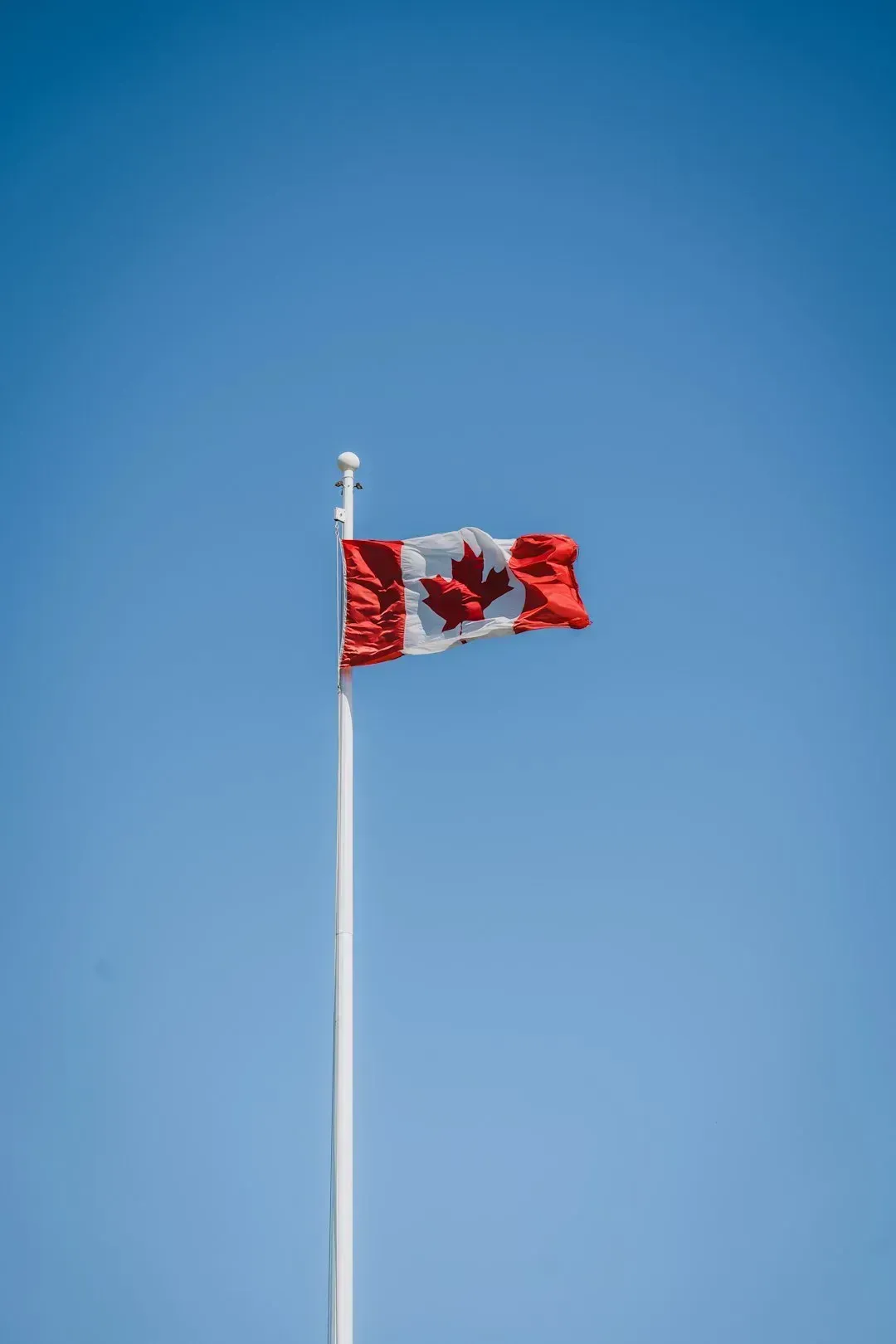
Here is the one that genuinely catches people off guard. Canada. Your friendly, hockey-loving, maple-syrup-making neighbor. The relationship used to be as easy and casual as borrowing a cup of sugar. Then trade tensions, tariffs, and political rhetoric fundamentally changed the dynamic. More Canadians visit the U.S. than visitors from any other country, according to the National Travel and Tourism Office, and Canadians made up roughly 28% of total international visitor arrivals in 2024. Travel bookings from Canada to the United States for the April through September 2025 period decreased by more than 70% compared to the previous year.
Statistics Canada reported that Canadian-resident return trips from the U.S. in February 2026 were down 31.5% from February 2024, before the start of trade tensions. The U.S. tourism industry is projecting a $5.7 billion loss in 2026, driven by a sustained, politically motivated boycott by Canadian travelers following trade tensions and tariffs.
The consequences are real and flowing in both directions. A growing number of Canadians are also being detained by U.S. authorities, with data showing 434 Canadian detention stays from September 2023 to mid-October 2025, including one case where a child was held for 51 days. That detail alone has fueled a fear that shows no signs of fading. When Canadians feel that level of risk traveling to America, they are in no mood to roll out the welcome mat for American tourists heading north.
3. Norway: Quiet Resentment, Very Loud Statistics
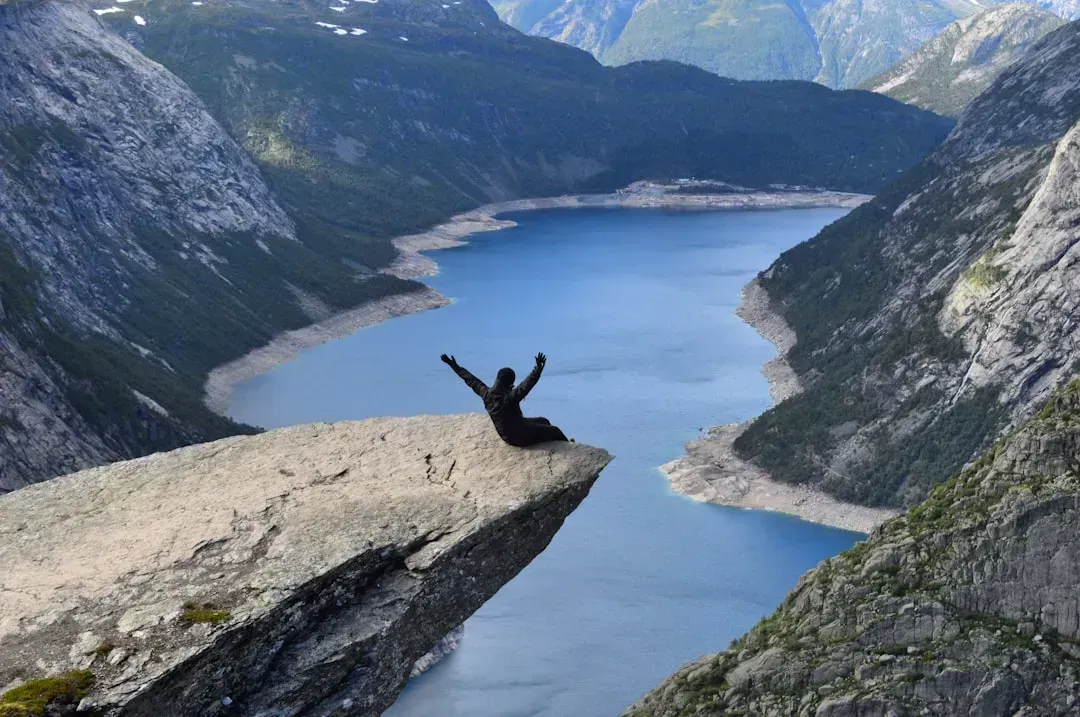
Norway is not the kind of place that throws dramatic public tantrums. It is reserved, famously polite, and measured to a fault. Which is exactly why what the data reveals here is so striking. Norwegians quietly resent American visitors, with 8% calling their fjords unwelcoming in recent polls, and the 2024 U.S. election swayed 44% of Norwegians to view American travelers more harshly, amid drops in European tourism to America. That is nearly half the country shifting its view of one tourist group based entirely on politics.
Norway’s Haltbakk Bunkers, an oil and fuel provider, even announced it would no longer supply fuel to U.S. Navy ships, illustrating just how far the political chill has spread into everyday Norwegian attitudes toward America. That kind of action goes well beyond a shrug or an eye roll. It signals something genuinely institutional about the shift in sentiment.
Scandinavian countries value quiet, orderly public behavior and personal space, and American tourists who bring typical U.S. social norms can feel jarringly out of place. Imagine hiking through one of the most magnificent silent landscapes on earth, only to hear someone narrating their entire experience into a phone camera for their followers. Norwegians notice. They just rarely say anything directly to your face, which almost makes it stranger.
4. Denmark: Greenland Made It Personal
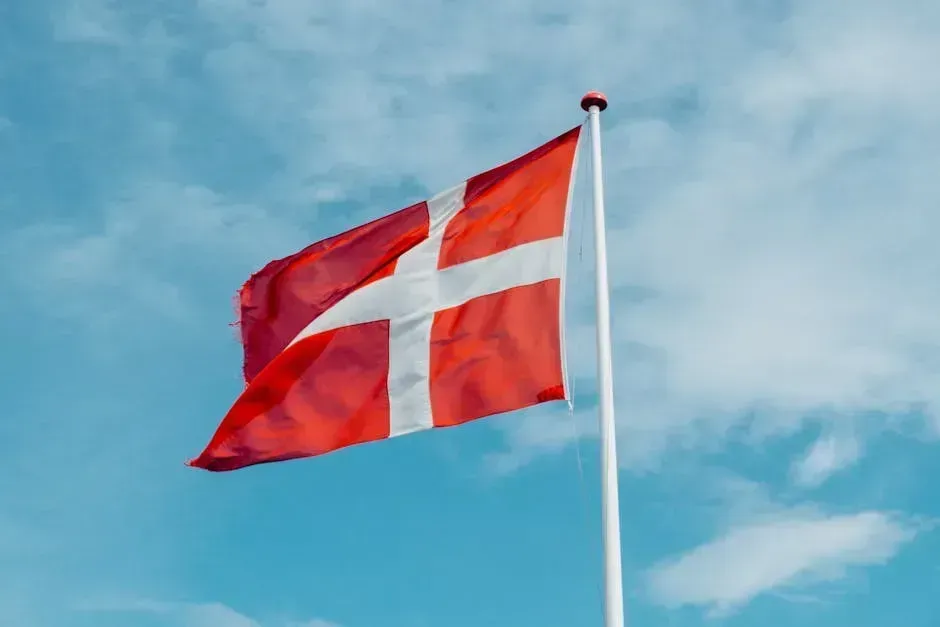
Denmark might seem like an unlikely entry on this list. It is small, prosperous, and generally considered progressive. Yet Denmark shows up repeatedly in surveys, with 14.8% annoyance figures and 7.5% of residents deeming it unwelcoming. Those numbers are not random. They have a very specific political origin story that unfolded in real time.
Trump’s Greenland talk hit hard, as Greenland is Danish territory, sparking roughly a third of Danes to rethink their attitude toward American guests. Greenland is not just geography to Danes. It is identity, culture, and sovereignty. When American political rhetoric centers on annexing it, it does not stay abstract for long. In Denmark, approximately half of consumers reported deliberately refraining from buying United States products since Trump’s inauguration. That kind of cultural hostility does not stay confined to grocery stores. It follows American visitors into coffee shops, restaurants, and conversations on the street.
According to YouGov data, opinion toward the U.S. is lowest in Denmark, not surprising, since Greenland, which Trump has vowed to annex, is an autonomous territory of the country. Honestly, it is hard to think of a more direct reason for a whole nation to feel personally aggrieved. Americans visiting Denmark in 2025 and 2026 are walking into that atmosphere whether they intend to or not.
5. Germany: Where the Welcome Mat Was Pulled Back

Germany’s relationship with the United States has always carried historical weight. For decades, that translated into admiration and strong tourist ties. Now the data tells a very different story. The shift is not subtle. Germany ranks number one with a steep 61% drop in interest in visiting America, followed by Canada with a staggering 40% drop since the previous year. More than half of German interest in traveling to the U.S. has simply evaporated.
That mutual coolness is spilling over onto German soil too. NATO disputes and trade tensions have fueled anti-American sentiment among locals, and German travel agencies now warn U.S. visitors about potential public hostility, especially in eastern regions. That is a remarkable thing for a travel agency to say. It means the friction is real enough to require advance preparation.
Visits from Western Europe to the U.S. dropped 17.2%, while those from Germany declined at an even faster pace, down 28.2% in March 2025. This is not a temporary blip. The current U.S. political environment has introduced a more isolationist and nationalistic tone to immigration and foreign policy. Actions such as reintroducing strict immigration vetting and publicly discussing the acquisition of foreign territories like Canada and Greenland have added layers of discomfort for European travelers, reinforcing the perception that the U.S. is becoming unwelcoming.
6. Spain: Water Pistols and “Tourists Go Home” Banners

Spain is objectively stunning. Anyone who has spent a summer evening in Seville or wandered Barcelona’s Gothic Quarter knows this. The problem is that roughly 94 million other people know it too, and the locals are running out of patience. Spain welcomed 94 million tourists in recent years, nearly double its own population of 49 million. When a country is so overrun that locals feel like strangers in their own cities, the resentment that builds is not neatly targeted. Americans, as highly visible and often stereotypically loud tourists, absorb a disproportionate share of it.
Across 2024 and 2025, protests against overtourism drew international attention, especially in Barcelona and parts of the Balearics. Locals in Barcelona took to the streets, spraying water pistols at innocent visitors, and protests gripped parts of Mallorca. That is not a metaphor or an exaggeration. That literally happened, and it made international headlines.
Barcelona banners screamed “Tourists go home,” while locals blamed rising rents on outsiders, with data showing tourism doubles the population strain in some neighborhoods. A Spanish mobility consulting firm reported that the availability of long-term rental property in the nation decreased by three percent in 2024, with rental prices reaching a new all-time high. For locals who can no longer afford to live in their own neighborhoods, that is not a statistic. That is their everyday life being dismantled.
7. Iran: Deep Suspicion and Legal Barriers

Iran sits at the extreme end of the spectrum. Iran is a country of extraordinary history, culture, and natural beauty. Under different political circumstances, it would probably be one of the most fascinating travel destinations in the entire Middle East. Right now, however, it sits at the extreme end of the spectrum for American travelers, and the situation has only intensified in 2025 and into 2026.
Historical conflicts and political differences have led to widespread negative perceptions of Americans in Iran. A 2019 survey revealed that 86% of Iranians held an unfavorable view of the U.S., reflecting deep-seated animosity. That number, nearly nine out of ten, is not the kind of figure that fades quickly. The decades of strained diplomatic relations and military confrontations between the two countries have left a mark that no tourist itinerary can simply undo.
Twenty-one countries have Level 4 “Do Not Travel” advisories as of March 2026, including Russia, Iran, Syria, and Ukraine. For Iran specifically, the State Department warns of the risk of detention with little to no diplomatic recourse available for American citizens. It is hard to say for sure what the future of U.S.-Iran relations looks like, but for now the situation makes ordinary tourism genuinely dangerous, not just uncomfortable.
8. North Korea: The Only Country Where It Is Actually Illegal
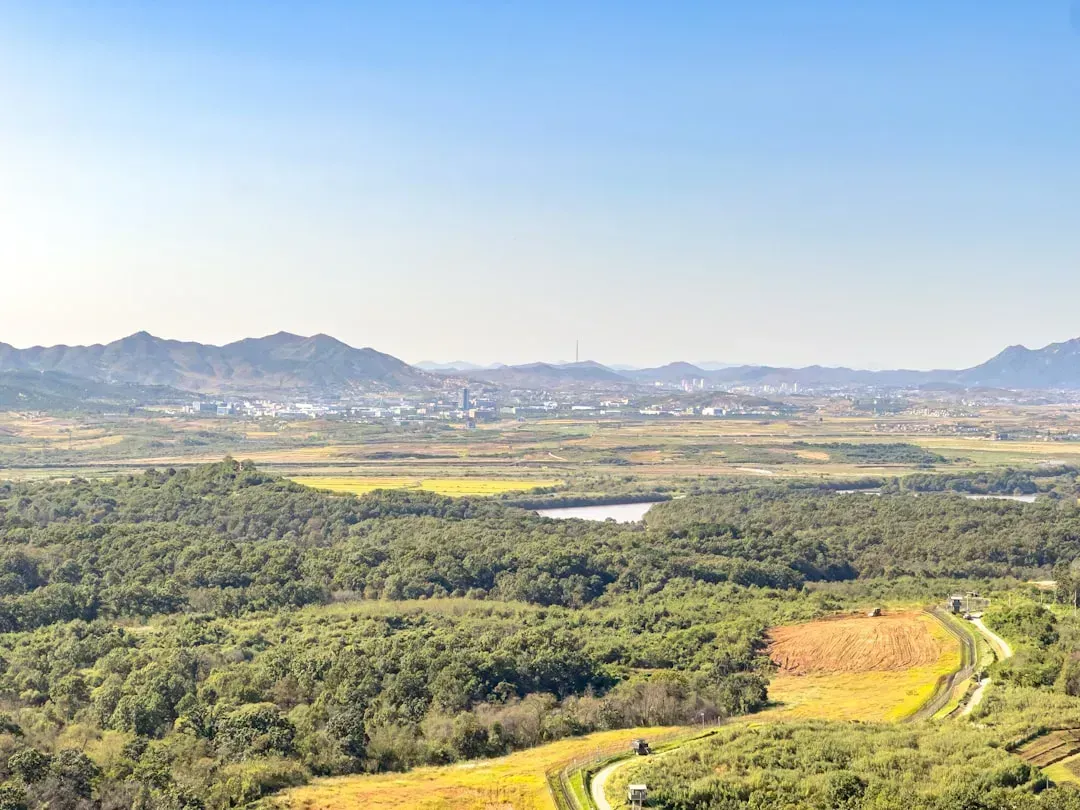
Every other country on this list involves some degree of social friction, political tension, or official caution. North Korea is in a completely different category. This is the only country on earth where U.S. law flat-out prohibits an American from using their passport to visit. Americans cannot travel to North Korea. It is the only country where U.S. law prohibits using an American passport.
North Korea is the only country that legally bans American travel under U.S. law. The U.S. Department of State enacted the restriction in September 2017 after Otto Warmbier’s death. U.S. passports require special validation for North Korea, granted mainly to journalists and humanitarian workers. Warmbier was a young American student who traveled there and was detained for 17 months before being returned in a comatose state. He died shortly after.
The revocation of the Trump travel ban did not include a reversal of the travel ban to North Korea. The reverse travel ban was issued for one year, but has been renewed on an annual basis since August 2018. Unless extended again, the ban remains in effect until August 31, 2026. There is truly no grey area here. This is not a country that merely makes you feel uneasy. It is a country where your own government has decided the risk is too absolute to permit travel at all.
9. Russia: No Diplomatic Net to Catch You
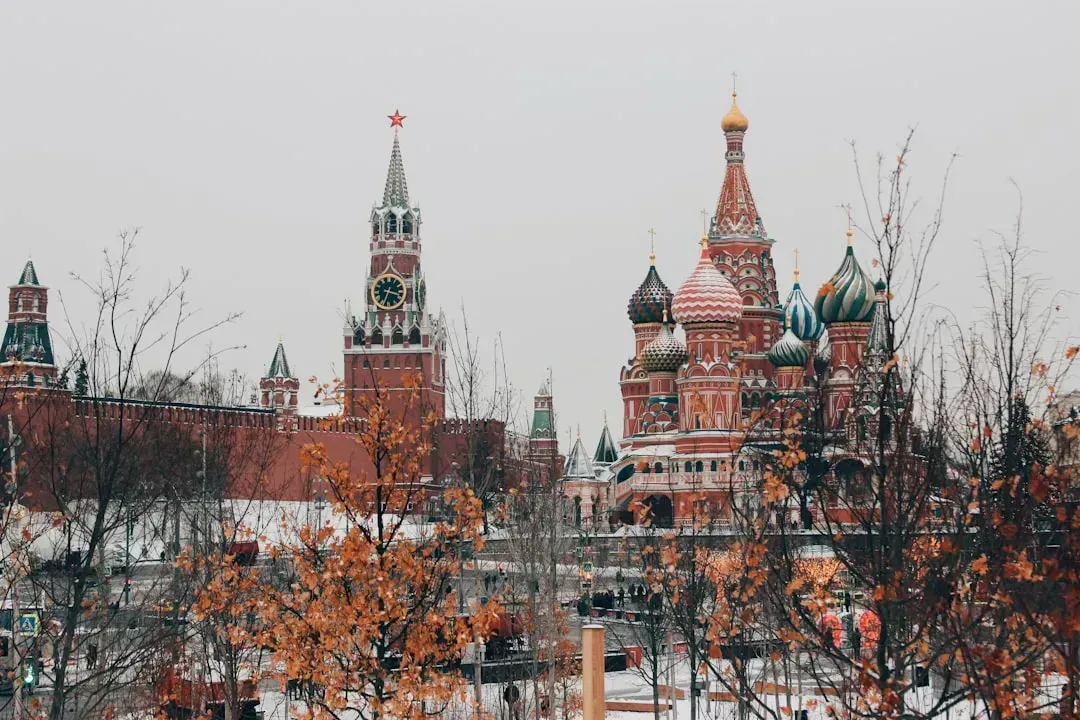
As of February 2026, 22 countries hold a Level 4 “Do Not Travel” designation from the U.S. State Department, including Russia, Iran, Syria, and Ukraine. For Russia specifically, this isn’t just about political discomfort. Traveling there right now means potentially placing yourself into a situation where your own government can do very little to help you if something goes wrong.
Among travelers factoring political climate in their destination choices, alongside Russia, Ukraine, and Israel, the United States now ranks among the top five countries that travelers could avoid. In 2025, 17 out of 23 countries cite the USA in the top five destinations they could avoid due to the political climate, while they were only 8 in 2024. The world’s perception of America is shifting fast, and Russia represents the mirror image of that: a country where American travelers are viewed with institutional suspicion at every level.
The State Department warns of risks including long-term detention, lack of diplomatic relations, and severe restrictions on movement. For an American traveler in Russia, there is no safety net. No embassy call that will reliably resolve a crisis. No guarantee of basic legal protections. The current geopolitical climate between Washington and Moscow makes the already significant risks even harder to manage. Some travelers already report experiencing anti-American hostility and political confrontations overseas. Travelers are encouraged to monitor security updates and obtain advisory services for safer trips.




Leave a Reply