
Most people blame the TSA when they’re stuck in a slow security line. Honestly, that’s not always fair. A surprising amount of the delay comes from regular travelers – people just like you and me – carrying items that trigger alarms, need extra inspections, or require an officer to stop, open a bag, and spend three minutes figuring out what on earth they’re looking at on the X-ray screen.
The thing is, many of these items aren’t even prohibited. They’re just tricky. A laptop you forgot to pull out. A snow globe tucked into a tote bag. A jumbled mess of cables that looks like abstract art under an X-ray. TSA screens approximately 3.3 million carry-on bags for explosives and other dangerous items daily, and when even a small fraction of those bags need extra attention, the ripple effect on wait times is very real. Here are the 11 biggest culprits. Don’t say you weren’t warned.
1. Laptops Left Inside the Bag
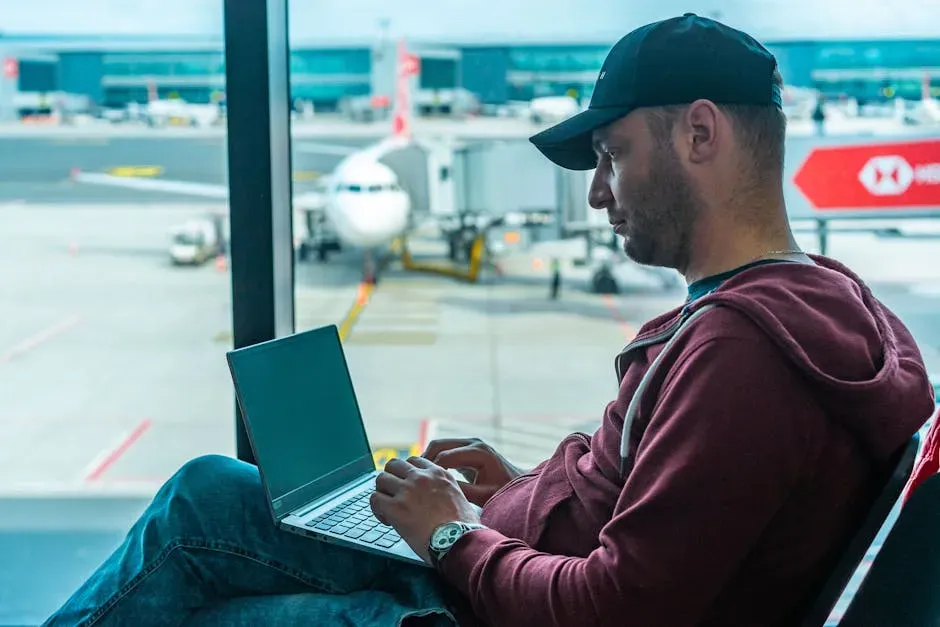
This one tops the list because it happens constantly, even among frequent flyers. You will be asked to remove personal electronic devices larger than a cell phone from your carry-on bag and place them into a bin with nothing placed on or under them for X-ray screening – common examples include laptops, tablets, e-readers and handheld game consoles. When a passenger doesn’t do this and the bag rolls through, the officer sees a dense, shadowed image and has to flag it for manual inspection.
That manual search means pulling the bag off the belt, waiting for a free agent, opening it up, and re-screening – all while everyone else watches and sighs. If you’re traveling with a laptop, make sure it’s in a TSA-approved laptop case, that way you shouldn’t have to take your laptop out of your bag, which can also cause delays. If you don’t have one of those cases, just take it out. Every time. No exceptions.
2. Oversized Liquids and the Classic 3-1-1 Mistake
The 3-1-1 rule has been around for years, yet it remains one of the most common reasons bags get pulled for secondary screening. Guests are allowed to bring a quart-sized bag of liquids, aerosols, gels, creams and pastes through the checkpoint, limited to 3.4 ounces (100 milliliters) or less per item. This is also known as the 3-1-1 liquids rule. Full-size shampoo bottles, sunscreen tubes, even a large jar of face cream – all of these will get your bag stopped.
The biggest cause for slowdowns at checkpoints is when passengers simply forget the TSA’s key rules. Those who try to bring prohibited items like liquids over 3.4 ounces through the checkpoint will ultimately slow down the process. Think about it like a highway on-ramp. One confused car brings everything to a crawl. A helpful TSA tip puts it simply: if you can spill it, spread it, spray it, pump it or pour it, and it is larger than 3.4 ounces, it needs to be packed in a checked bag.
3. Powders in Large Quantities

Protein powder. Dry shampoo. Setting powder. Ground coffee. Powders are everywhere in modern carry-ons, and many travelers have no idea they can be a problem. Protein powders and other powdered supplements over 12 ounces are now subject to additional screening. The reason is practical – certain explosives and powders look nearly identical on an X-ray screen, so officers can’t just wave it through.
TSA officers may instruct travelers to separate other items from carry-on bags such as foods, powders, and any materials that can clutter bags and obstruct clear images on the X-ray machine. If you have a big tub of pre-workout powder or a bag of loose-leaf tea, expect a pause. The TSA encourages you to place powder-like substances over 12 oz. in your checked bags. That’s the cleanest solution.
4. Wrapped Gifts

Imagine you’ve spent 20 minutes wrapping the perfect gift, complete with ribbon and a bow. Now imagine a TSA officer unwrapping it in about 10 seconds flat. TSA unwraps thousands of gifts every holiday season, particularly items that look suspicious on X-ray, including anything with batteries, dense materials, or liquids. TSA officers can’t identify every item conclusively through X-ray alone. If the image is unclear, the wrapping comes off – no negotiation.
TSA encourages passengers traveling with gifts to use gift bags, which they can easily open, or gift boxes with lids they can remove, so TSA officers can inspect those gifts, if necessary, and avoid the possibility of opening fully wrapped presents. Wrapped presents can slow things down at the security checkpoint – and in some cases, they may not make it through intact. Save the pretty wrapping paper for when you arrive at your destination.
5. Snow Globes

Snow globes feel harmless. They look like charming little desk ornaments. To the TSA, though, they are liquid-containing items and subject to some strict rules. Most decorative snow globes contain more liquid than allowed and are too large for a quart-sized liquid bag, so they must go in checked luggage. TSA considers snow globes liquid-containing items subject to the 3-1-1 rule. The only exception is a very small snow globe, roughly tennis-ball-sized, that fits entirely in your quart bag – which is rare.
Snow globes, a popular item this time of year, should be in checked bags due to the liquid inside them. If you’re taking snow globes, it’s best to pack them in your checked bag to avoid any accidents. It’s one of those items where the right move is so simple, yet the checkpoint gets held up by snow globe confusion more often than you’d think.
6. Overstuffed, Cluttered Bags
Here’s the thing – a chaotic bag is almost as problematic as a bag with prohibited items. When a carry-on is crammed full of cables, books, clothing, shoes, chargers, snacks, and headphones all compressed together, the X-ray image becomes a jumbled mess. It takes time for TSA officers to make sure a jam-packed, cluttered, overstuffed bag is safe. What the officer sees on screen could look like anything, which means a manual search is more likely.
Lots of permissible items can get you flagged because of their similar consistency to explosives or difficulty deciphering in an X-ray screening. Think of it like trying to read a sentence where every word is stacked on top of another – impossible. Passengers who start packing with an empty bag are less likely to bring prohibited items through the checkpoint, and the same principle applies to keeping things organized enough for a clean X-ray image.
7. Firearms and Weapons (Including Forgotten Pocket Knives)
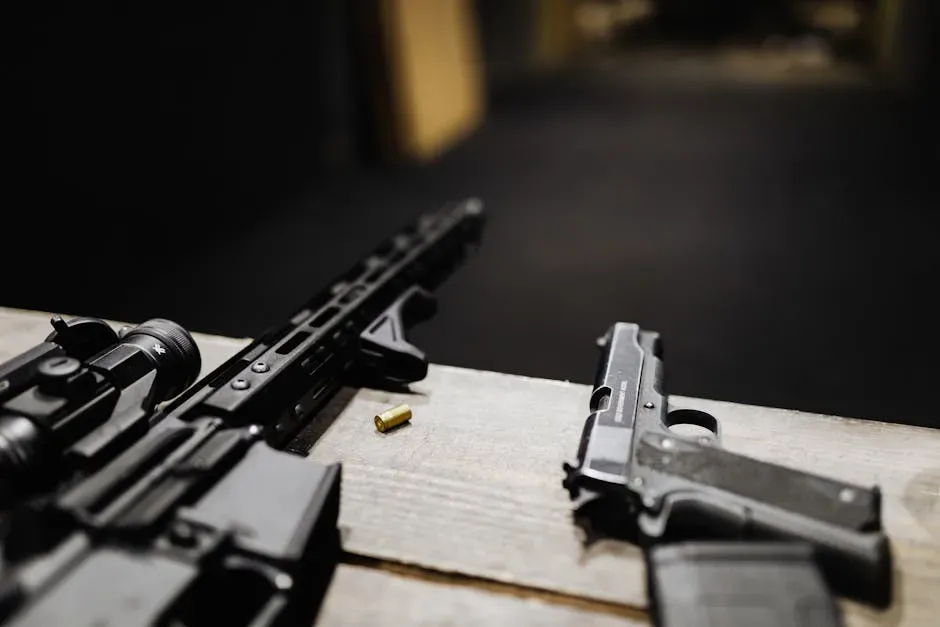
This one is obviously more serious, but the numbers are genuinely staggering. During 2024, the TSA intercepted a total of 6,678 firearms at airport security checkpoints. Approximately 94% of these firearms were loaded. That is not a small number. Each discovery requires law enforcement to respond to the checkpoint, which creates a significant bottleneck for every single passenger in that line.
TSA officers encounter prohibited items daily at the security checkpoint and each discovery slows down the security screening process for all travelers. Even a small forgotten pocket knife at the bottom of a hiking daypack can bring things to a halt. Even the most well-traveled passenger can recall a time when they forgot they had a half-filled water bottle or a small pocket knife, leading to extra time in line. The fix? Check every compartment before you leave home.
8. Medically Necessary Liquids That Aren’t Declared Upfront
Medically necessary liquids are allowed through the checkpoint in amounts exceeding 3.4 ounces, which is a great policy – but only if you handle it correctly. You must tell the officer that you have medically necessary liquids at the start of the screening checkpoint process. Medically required liquids will be subject to additional screening that could include being asked to open the container. When travelers don’t declare these items at the start, the bag goes through, triggers a flag, and the whole process has to begin again from scratch.
Travelers should keep their medications in their original packaging, with labels if possible, and declare these items to the officer immediately to avoid being flagged for a bag search. It’s not about being suspicious – it’s just about giving the officer the information they need before the X-ray does it for you in a confusing way. A simple heads-up at the start of the line saves everyone at least a few minutes.
9. Large Food Items and Gel-Like Snacks
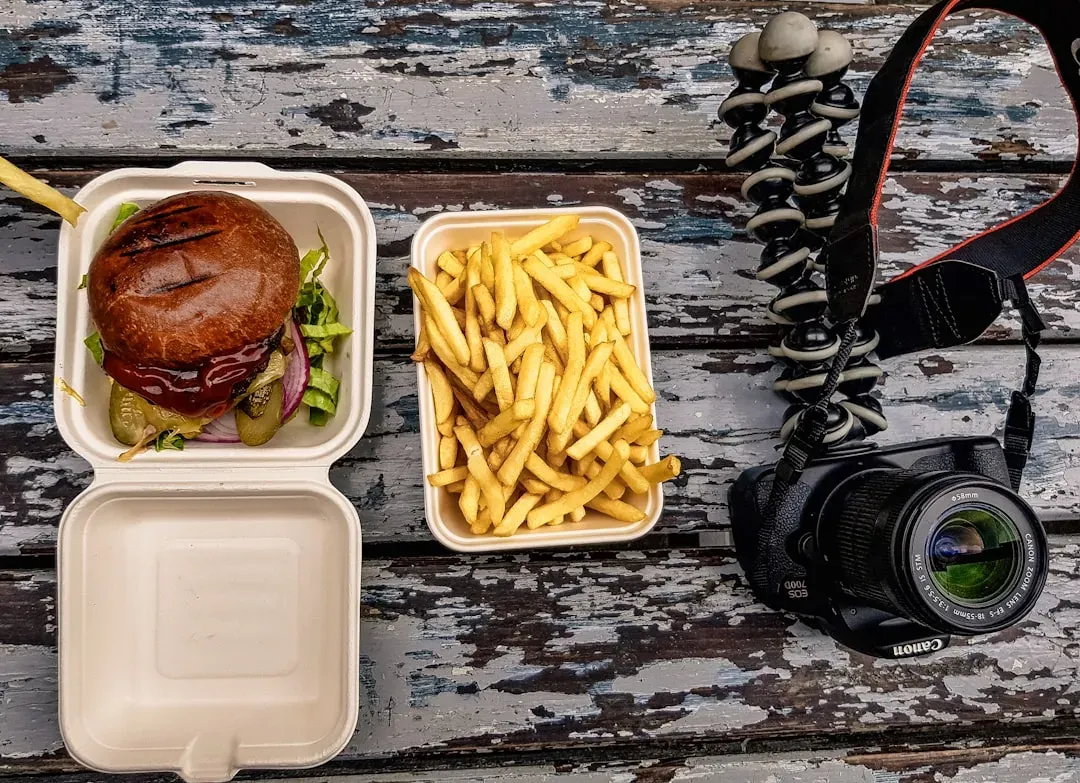
Food is a genuinely tricky category. Solid food is generally fine. Soft, gel-like, or liquid food is not – at least not in large quantities. Travelers must pack certain foods, such as sauces, jam, preserves and wine – which are considered liquids or gels – in checked bags if they exceed 3.4 ounces. That jar of homemade salsa from grandma’s kitchen? That full bottle of hot sauce? Both need to go in the checked bag or they’re getting confiscated at the checkpoint.
Solid food items such as candy, cheese, chocolate, cookies, and fruitcake can be transported in carry-on or checked baggage. Creamy cheese and liquid chocolate must adhere to the rules for liquids if you want to pack them in a carry-on bag. I know it sounds picky, but think about the X-ray image a dense block of brie produces – it genuinely looks similar to other materials that require closer inspection. When in doubt, pack it in your checked bag or eat it before you get in line.
10. Loose Lithium Batteries and Power Banks
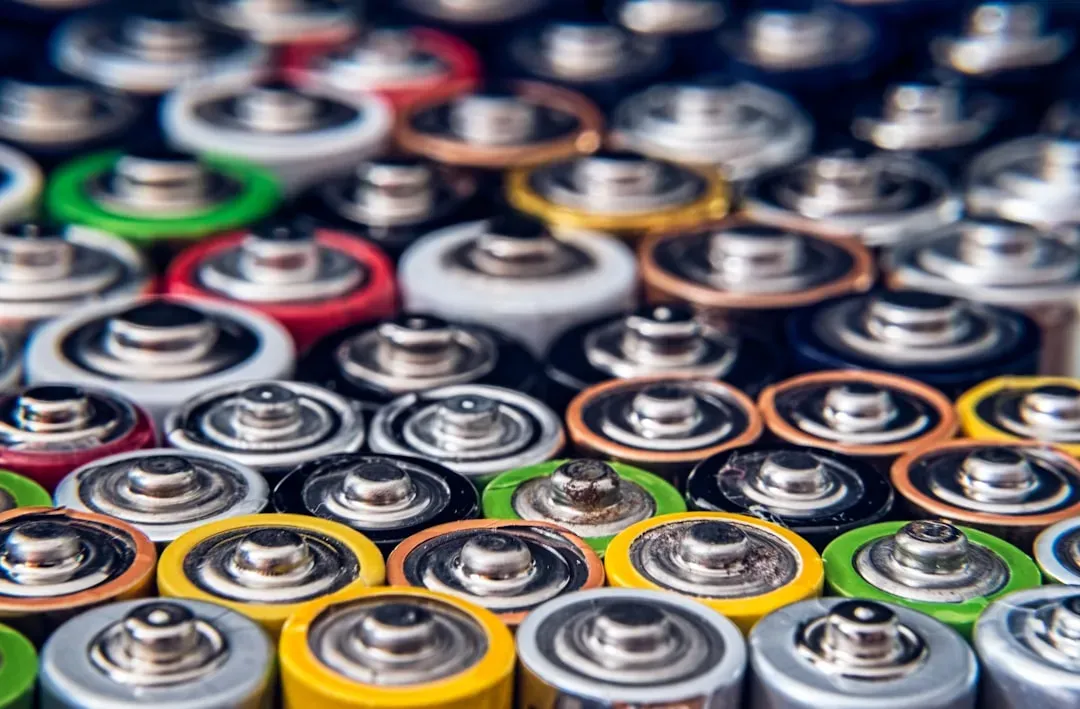
Here is one that catches a lot of tech-savvy travelers off guard. Power banks, spare phone batteries, and loose lithium cells are allowed in carry-on bags – but they are not allowed in checked luggage, and they need to be properly stored. Spare lithium batteries and power banks should be in your carry-on, not checked, due to fire risk. When they’re buried at the bottom of a bag, disorganized, or packed without any protection, they can cause a scanning alarm that requires a full manual bag check.
According to the FAA, spare lithium batteries must be carried in carry-on baggage only. Smart luggage is still allowed, but only if the lithium-ion battery can be removed. TSA agents are cracking down on bags with built-in power banks that can’t be detached. These batteries pose a fire risk in cargo holds, and airlines are enforcing this more strictly. Keep your batteries in a clear pouch near the top of your bag and you’ll be fine.



Leave a Reply