
Health inspectors walk into restaurants every day with a clipboard, a thermometer, and a trained eye that picks up on things most diners would never think to look for. Their job isn’t to catch operators off guard – it’s to make sure the food being served is actually safe to eat. Health inspections are held to make sure food products are handled and prepared according to state and local regulations to protect the public, and most inspectors aren’t there looking to shut an operation down.
Still, the same problems show up again and again, kitchen after kitchen, across every state. From neighborhood diners to national chains, restaurant health inspections across the U.S. continue to reveal the same recurring problems – and health officials say these violations are widespread, often preventable, and can directly impact public safety if left unaddressed. Here are ten things they enter.
1. Food Sitting in the Temperature Danger Zone

One of the most frequently cited violations nationwide involves food not being held at safe temperatures. Hot foods must remain above 135°F, while cold foods must be kept below 41°F, and inspectors regularly find items sitting in the “danger zone,” where bacteria can multiply quickly. This isn’t a niche technicality – it’s the single most cited violation inspectors encounter.
Failing to observe time and temperature control can lead to bacteria growth in foods and the spread of foodborne illness, and health inspectors will test a variety of foods throughout the kitchen to make sure they are being held safely. Improper cooling of cooked foods and reheating items incorrectly are also common issues that fall under this same category.
2. Handwashing Problems That Go Beyond Dirty Hands
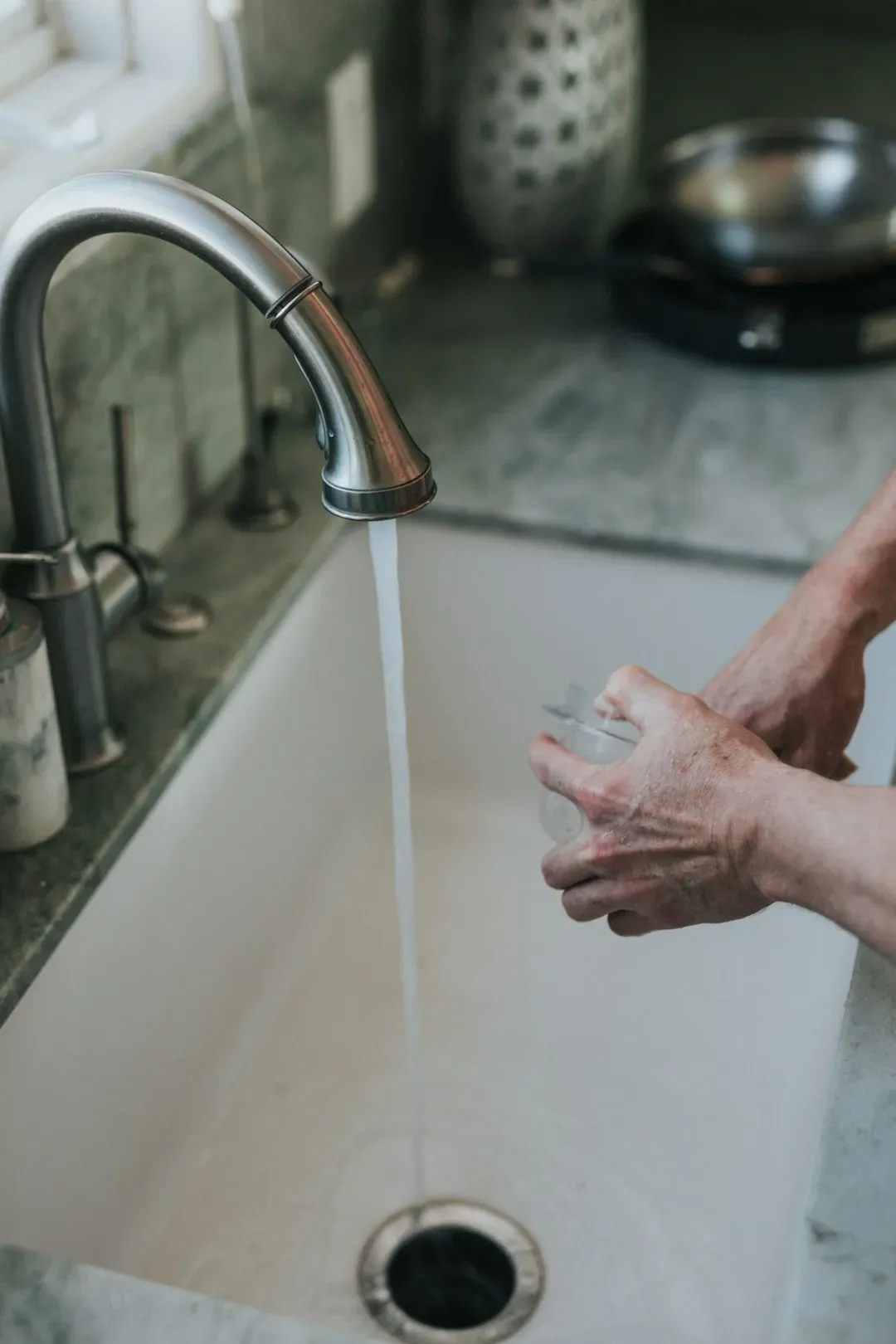
According to the CDC, restaurant employees only wash their hands about one out of every three times they should. That number is striking. Inspectors don’t just look for whether staff washed their hands – they check whether the conditions to do so even exist.
Paper towel dispensers empty at handwash sinks and missing hand soap are among the specific issues flagged during inspections, with inspectors requiring all hand sinks to be supplied with paper towels and soap. Blocked handwashing sinks and sinks that lack disposable hand towels are also flagged as priority foundation violations. The issue is rarely just negligence – it’s often a combination of inadequate setup and rushed service hours.
3. Improper Storage Order in the Walk-In Cooler
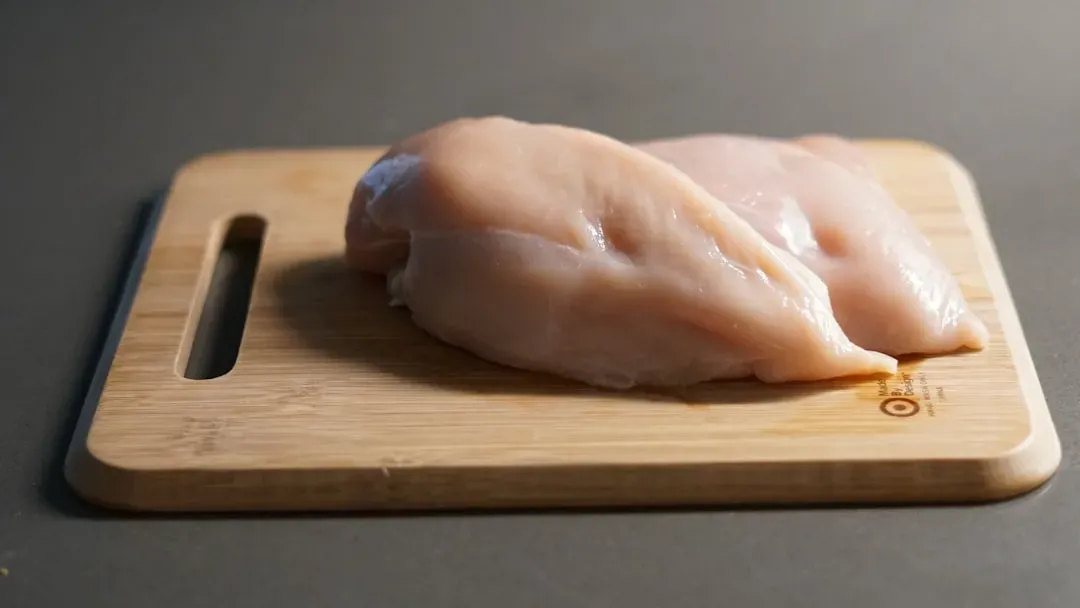
Refrigerated foods must be stored from top-to-bottom in this order: ready-to-eat food, seafood, raw beef and pork, ground meats and fish, and raw and ground poultry. Health inspectors will be looking for common food storage violations like storing raw chicken above other foods. This hierarchy exists because raw poultry poses a particularly high contamination risk if its juices drip onto anything below it.
Improper storage is a direct pathway for pathogens like Salmonella and E. coli to spread – a single drop of raw chicken juice falling onto a salad mix can lead to a widespread foodborne illness outbreak. Food boxes and containers should never be stored on the floor either, yet inspectors find floor-level storage in nearly every walk-in they inspect.
4. Missing or Incorrect Date Labels on Prepared Foods
Health inspectors will check the foods in cold and dry storage to look for date labels and expiration dates, and they’ll also observe the manner in which foods are stored to make sure approved containers are used and items are placed in the correct order on shelves. Containers without dates are one of the most common issues cited in real inspection reports, appearing across kitchens of all sizes and price points.
Real-world inspection reports from 2025 and 2026 reflect just how widespread this problem is. Inspectors have observed food in coolers not properly labeled, with some food being stored in coolers without dates of preparation or labels properly identifying the product. Dating everything when it’s prepared or opened sounds simple, but it remains a persistent gap in daily kitchen routines.
5. Cross-Contamination Risks from Shared Surfaces and Tools
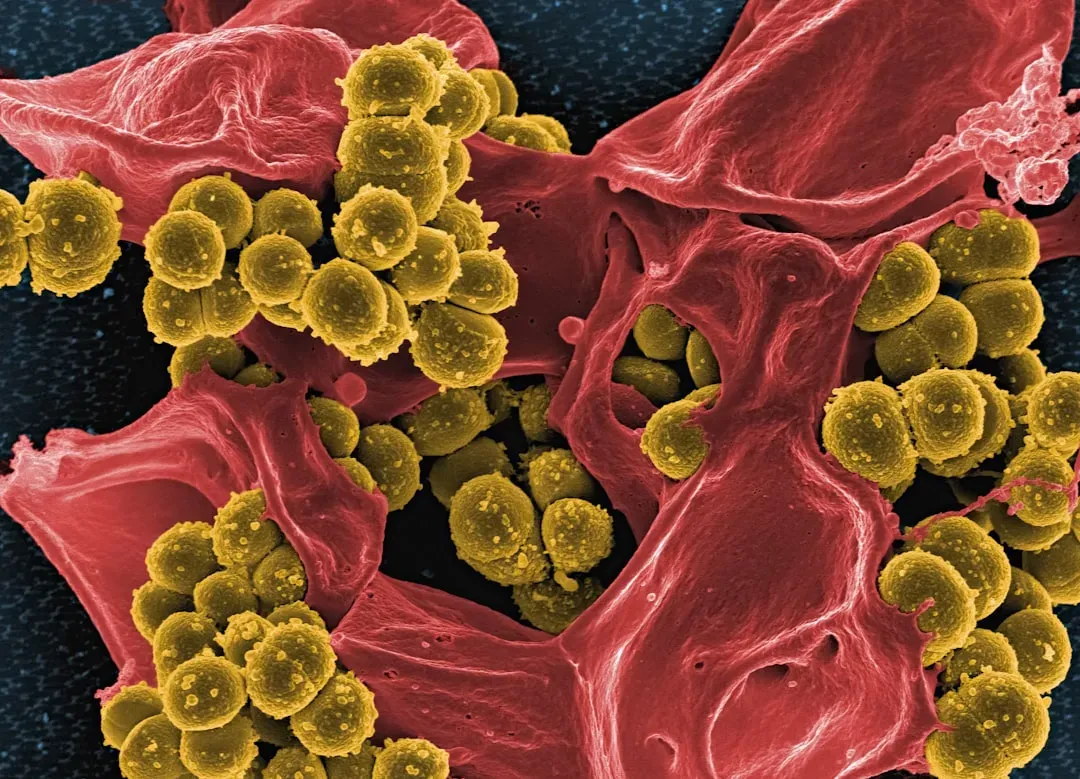
Avoiding cross-contamination in the kitchen is one of the most important aspects of food safety. Contamination can occur at any stage of the cooking process, including the handling, storage, and preparation of foods, and it can also occur from the misuse of tools and utensils, poor personal hygiene, and neglecting to maintain a safe, sanitary kitchen environment.
Raw and ready-to-eat foods need separate utensils and prep areas, and cutting boards and tools should be color-coded or cleaned between uses to prevent mix-ups. Inspectors have cited employees handling cooked chicken wings with bare hands while plating them as a priority violation for direct contact with ready-to-eat foods. Even small lapses in tool separation can be enough to trigger a citation.
6. Grease Buildup on Hoods, Equipment, and Walls
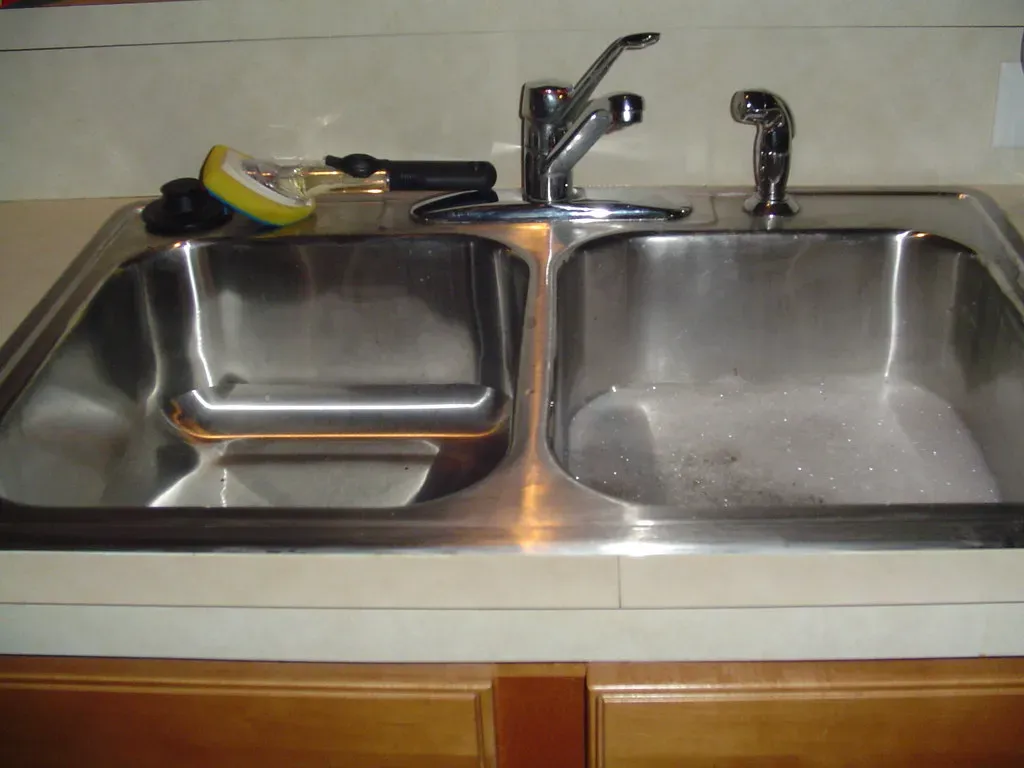
While food-contact surfaces get most of the attention, the overall cleanliness of a facility’s “backbone” structures is just as critical. Inspectors will thoroughly examine floors, walls, ceilings, drains, and the exteriors of equipment, searching for accumulated grease, food debris, dust, and grime, which can attract pests and create unsanitary conditions that compromise the entire kitchen environment.
Even when equipment appears functional, grease and carbon buildup can still trigger violations. Inspectors frequently check equipment surfaces that staff may not clean daily. Buildup is not just a cleanliness issue – it is also a fire risk and a sign of insufficient maintenance. Real inspection reports from early 2026 regularly document grease dripping from hood vents and accumulating on kitchen ceilings as a cited violation.
7. Pest Activity and the Conditions That Invite It
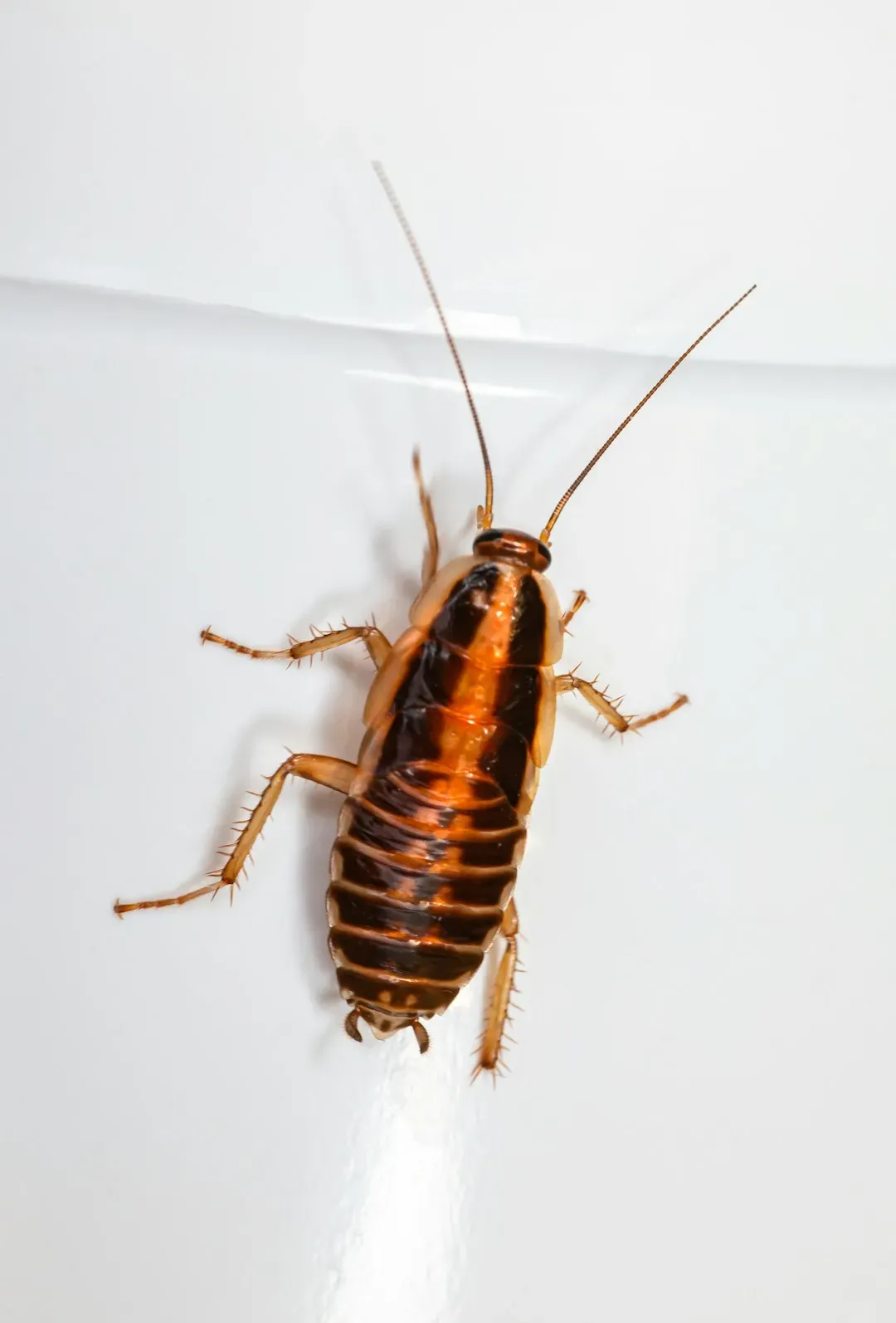
Pest issues often result in a critical violation since they directly endanger the health of customers. A pest issue isn’t only dangerous because cockroaches, mice, and other animals carry disease – an infestation is also a sign the kitchen isn’t keeping up with a solid cleaning routine. Inspectors treat pest evidence as one of the most serious findings they can make.
Active cockroach infestations near reach-in coolers, dead insects found on glue boards throughout buildings, and back doors that don’t seal properly are among the pest-related issues regularly documented in 2025 and 2026 inspection records. Rodent droppings, insect activity, and structural maintenance problems round out many violation lists – cracks, leaks, and clutter can attract pests and make sanitation difficult.
8. Improperly Stored or Unlabeled Cleaning Chemicals
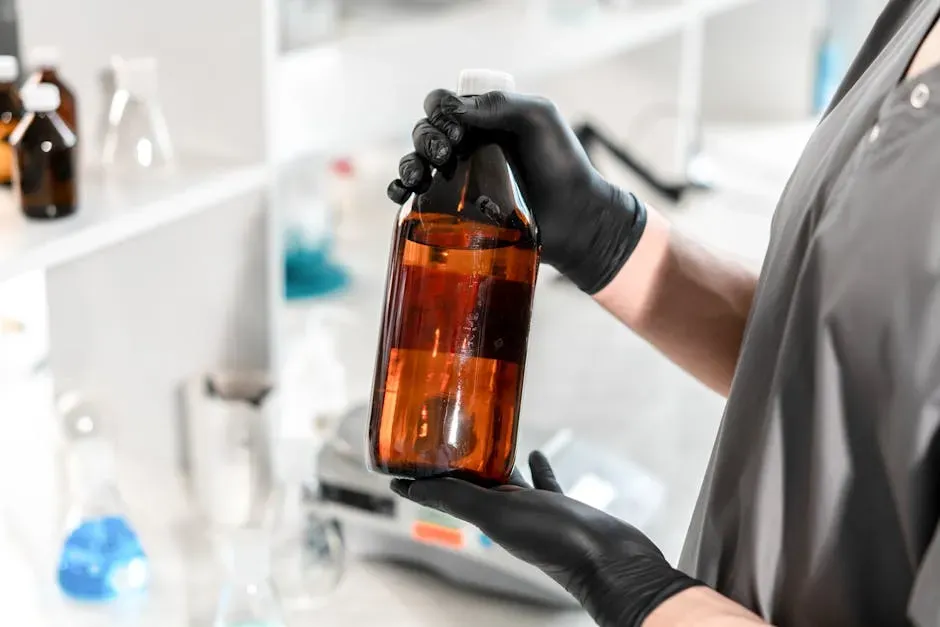
Health inspectors catch a lot of operators off guard with chemical storage violations. It’s very easy for a staff member to pick up a spray bottle of cleaning solution and accidentally set it down next to a food pan, even if it’s just for a moment – and if the health inspector observes any cleaning chemicals placed near food, it will result in a violation.
Storing cleaning chemicals near food, keeping toxic chemicals in unlabeled bottles, and not using the correct concentration of sanitizer are all common violations. An inspector may test sanitizing solutions to ensure they have the right strength and concentration to kill bacteria and germs. Unlabeled spray bottles in particular show up in inspection reports with remarkable regularity.
9. Neglected Equipment: Ice Machines, Gaskets, and Can Openers
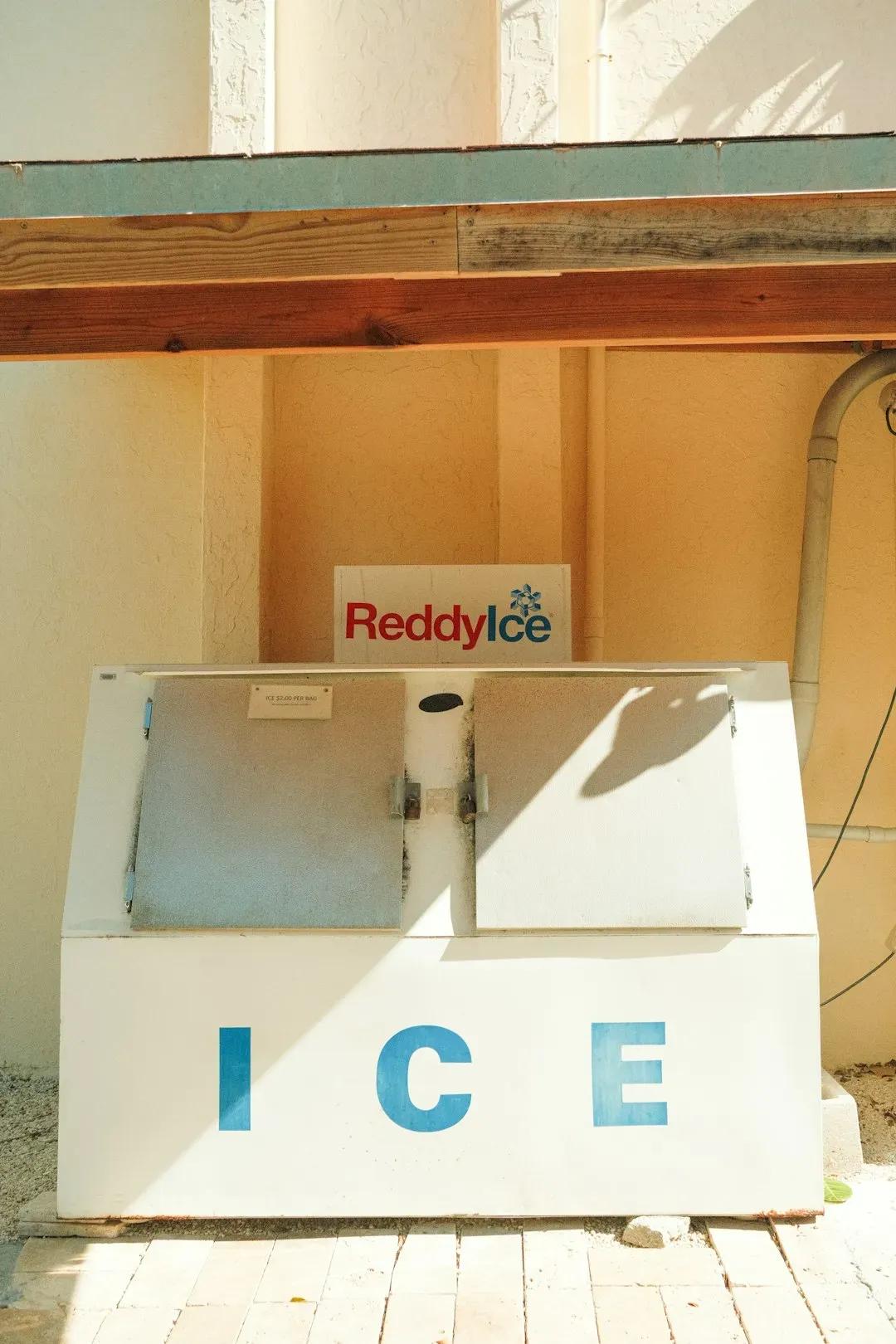
Dirty equipment – particularly often-neglected areas like can openers, ice machines, and reach-in cooler gaskets – is a reliable fixture on inspection reports. These are the kinds of items that get wiped down during obvious cleaning routines but rarely get the deep attention they need.
Pink slime buildup found on the interior of an ice machine’s refractor plate is the kind of specific detail that turns up repeatedly in documented violations. Outdated or malfunctioning equipment is a common source of health code violations – a refrigerator that can’t hold a consistent temperature or a prep table with deep, unsanitizable scratches are liabilities that inspectors flag as both safety and sanitation concerns.
10. Employee Hygiene Gaps Beyond Handwashing
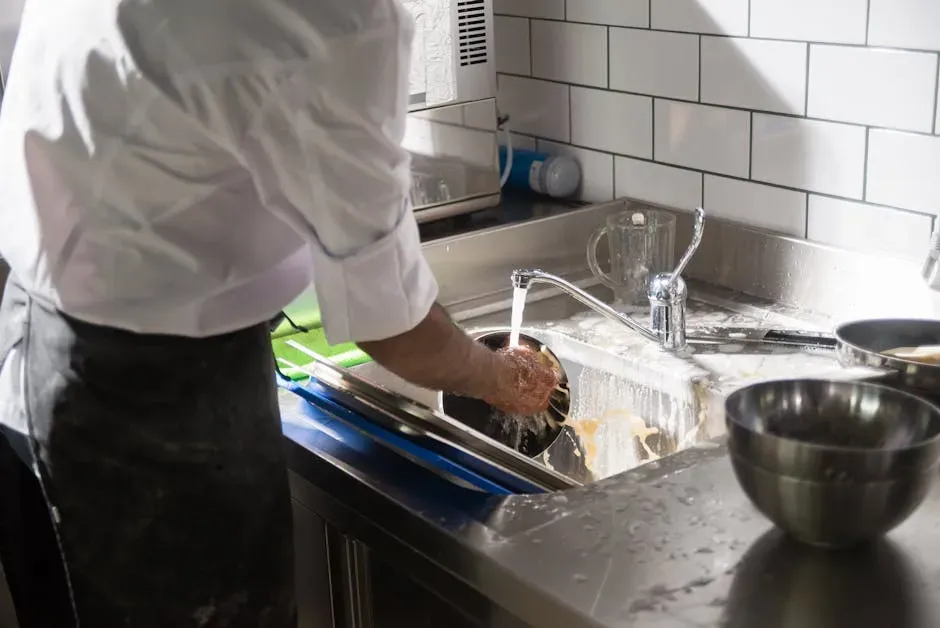
Good personal hygiene is critical for reducing the spread of pathogens and maintaining a safe restaurant, and inspectors will take notice. If employees don’t follow handwashing guidelines, wear dirty clothes, or show up to work sick, an operation could be at risk. Personal hygiene as a category covers far more than just clean hands.
Employees eating, drinking from open containers, or using tobacco products in food preparation or service areas is a serious concern – the risk of foodborne illness and cross-contamination is enormous, but it is easy to lose sight of that when staff simply wants to take a quick break. Hair restraints not being worn by food preparation staff are also among the regularly cited violations, with inspectors requiring employees to wear a hat, hairnet, or visor. These observations don’t require any special tools – they’re visible the moment an inspector walks through the door.
What makes this list worth paying attention to is that none of these issues require a major overhaul to fix. Most of them come down to daily habits, adequate supplies at handwashing stations, consistent labeling, and knowing where raw proteins belong on a cooler shelf. Health officials stress that most violations can be corrected with consistent staff training, clear procedures, and routine self-inspections. The kitchens that pass cleanly tend to treat every shift as a potential inspection day – because in reality, any of them could be.



Leave a Reply