
Walk into most American restaurants today and you’ll find grain bowls, smash burgers, and global-inspired small plates competing for menu real estate. What you won’t find, in most cases, are the dishes that defined dining for a century or more. Once staples of diners and supper clubs, many classic American dishes are quietly disappearing from restaurant menus, with shifting tastes and a move toward lighter, trend-driven food pushing these once-iconic meals to the margins.
According to the USDA’s Food Expenditure Series, Americans now spend nearly as much on food away from home as they do on groceries, a major shift from the home-cooked meal culture that once defined family dinners. Researchers also note that convenience foods, restaurant meals, and prepared grocery items increasingly replaced labor-intensive recipes that were once staples in American kitchens. As schedules became busier and tastes evolved, many classic dishes slowly faded from everyday menus. Some of them deserve a second look.
Chicken à la King
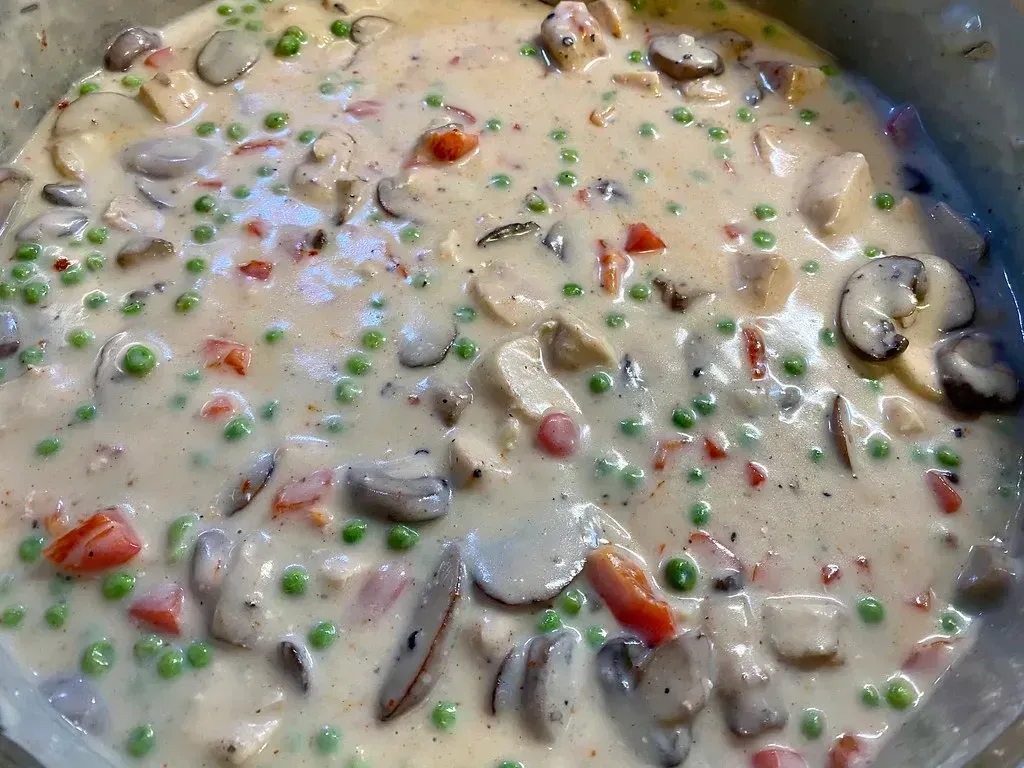
Chicken à la King, a creamy concoction of diced chicken, mushrooms, and peppers in a rich sauce served over rice, toast, or pasta, reached its zenith of popularity in the early 20th century. Its heyday, marked by appearances in cookbooks, hotel menus, and home kitchens, spanned the 1920s to the 1950s. The dish appeared on an estimated 300 different restaurant menus between 1910 and 1960 as a standard banquet item.
The 1960s marked a turning point, as the dish began its descent from culinary stardom. This once-celebrated recipe, with its rich sauce and elegant presentation, struggled to maintain its appeal in a decade that favored simplicity and convenience. The shift in culinary preferences mirrored broader societal changes, as the fast-paced lifestyle of the era left little room for labor-intensive dishes. Today, the heavy sauce is seen as dated and unhealthy compared to grilled or roasted options, and the dish has effectively been relegated to the history books or hospital cafeterias.
Salisbury Steak
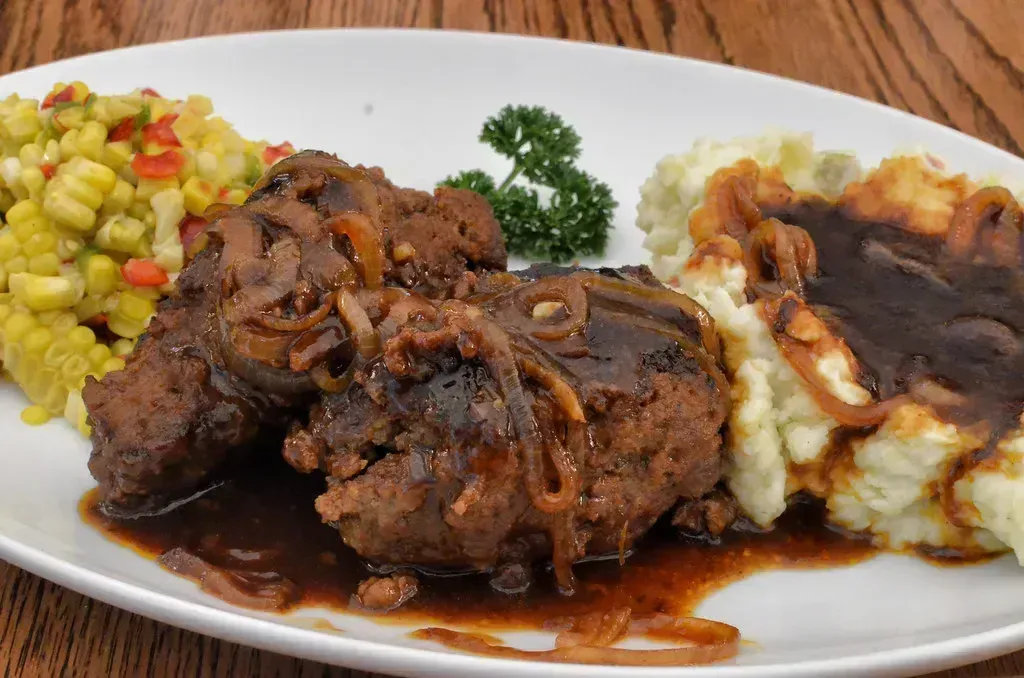
Salisbury steak was actually invented by a doctor named James Henry Salisbury, who wanted to help prevent malnutrition in American soldiers during the Civil War. He believed that high-protein options like Salisbury steak would help avoid muscle wasting and diarrhea. From those earnest wartime origins, the seasoned ground beef patty smothered in brown gravy eventually became a fixture in diners and TV dinner trays across the country.
Its association with cheap frozen meals eventually tarnished its reputation in sit-down restaurants. Diners who want beef today are far more likely to order an authentic steak. Salisbury steak slowly faded from many restaurant menus in the 2000s as more diners gravitated towards fresher, less processed meals. It is now a rarity outside of school lunches and frozen grocery aisles.
Creamed Chipped Beef on Toast
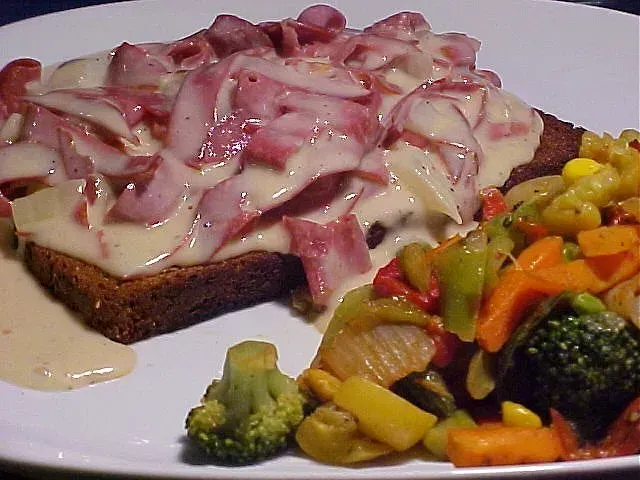
The origins of cream chipped beef are unclear, but it has strong links to the military, making its first written appearance in the 1910 publication “Manual for Army Cooks.” The recipe called for 15 pounds of chipped beef to make enough food for 60 men and recommended the meat be scalded if it was overly salty. The chipped beef was then combined with a white gravy and served either on toasted bread or with mashed potatoes.
There was a time when you could walk into a diner-style restaurant chain like IHOP or Cracker Barrel and find creamed chipped beef on the menu. Those days are behind us, as both chains have discontinued the diner classic. The high sodium content and unappealing texture make it a tough sell for modern breakfast spots, and it remains a nostalgic comfort food that is best enjoyed in private.
Liver and Onions
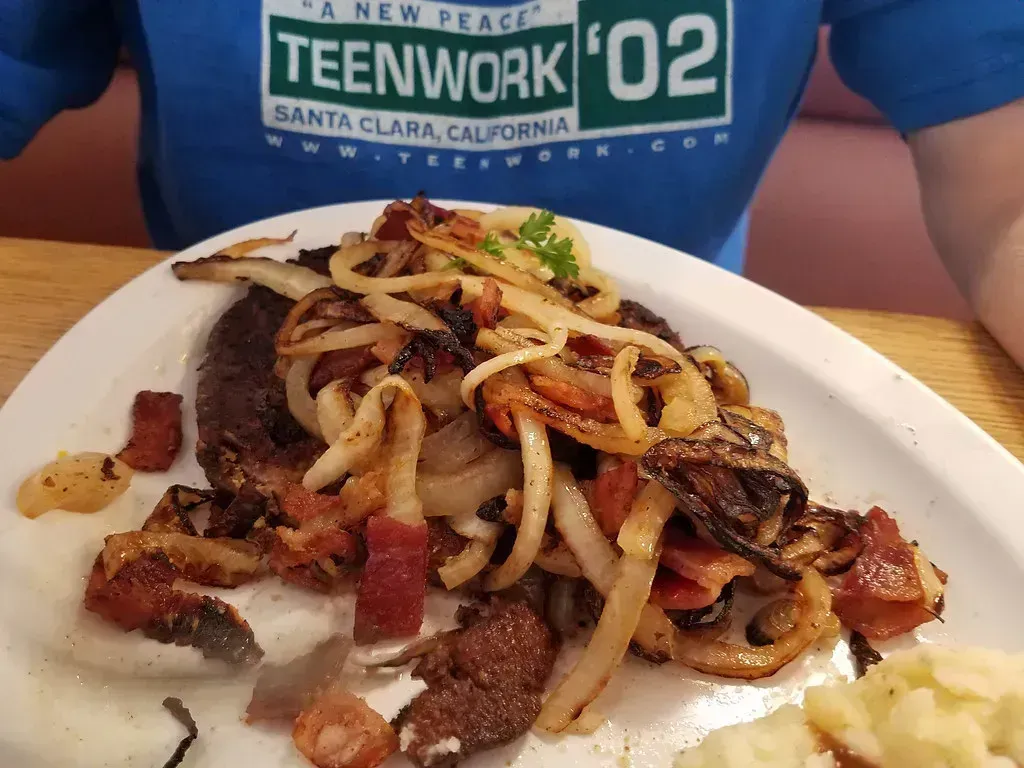
By the mid-century, liver and onions was a weeknight regular on American dining tables. The unmistakable aroma of frying onions mixed with liver was a hallmark of grandma’s kitchen or the neighborhood diner. The distinctive flavor of liver, bold and gamey and occasionally slightly sweet, meant that not everyone was a fan. It’s one of those foods you will either love or avoid at all costs.
Once popular due to its low cost and high iron content, liver and onions faded as nutrition experts warned about high cholesterol and toxin accumulation in organ meats. Surveys from the USDA show that per capita liver consumption dropped significantly after the 1970s as leaner proteins became more available. Restaurants removed it from menus due to low demand among younger diners. Liver and onions may no longer be a staple available at your local diner, but the legacy lingers, and it remains a divisive yet deeply nostalgic dish.
Jell-O Salad
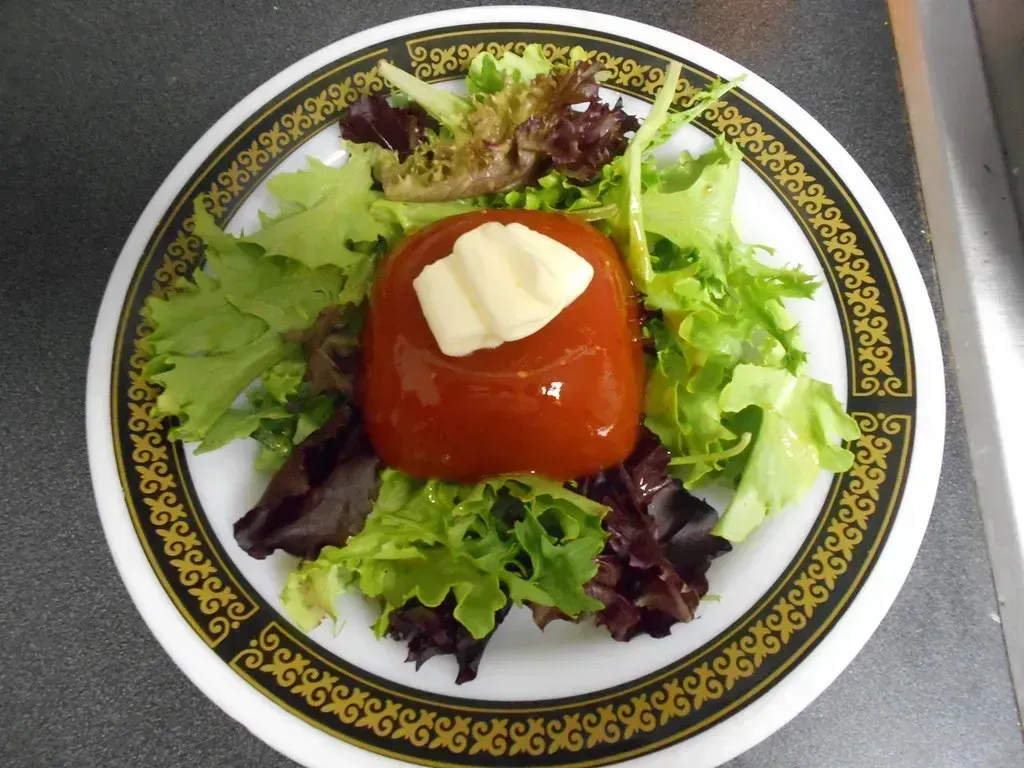
Jello salads were especially fashionable in the suburbs in the 1950s and were seen as a marker of sophistication, elegance, and status, indicating that a housewife had time to prepare Jello molds and that her family could afford a refrigerator. From lime gelatin studded with shredded carrots to elaborate tomato aspics containing vegetables, these wobbly creations dominated potlucks and holiday gatherings.
Jello salad fell out of fashion in the 1960s and 70s as the rise of Julia Child and the popularization of French cooking in the United States made the jello salad appear less elegant, and dieting trends eventually turned against sugary food like Jell-O. By the 1970s, it fell out of fashion, remembered mostly as an odd mix of mayonnaise, olives, and hot dogs suspended in wobbling gelatin. Today it’s almost entirely absent from professional kitchens, though it occasionally surfaces on social media as a retro curiosity.
Beef Stroganoff
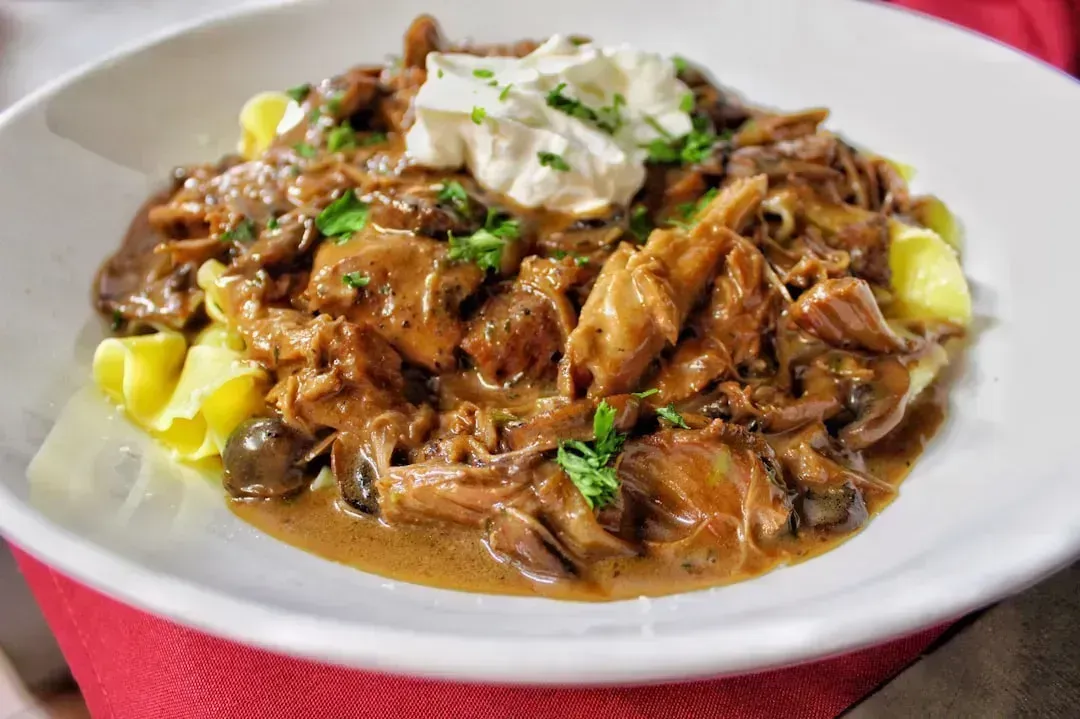
Once, this Russian-inspired dish of tender beef and sour cream sauce was synonymous with a fancy dinner out. From the 1950s through the 1980s, it represented international sophistication in American dining rooms. This was food that suggested worldliness, a passport to sophistication served over egg noodles. For much of post-war America, ordering Beef Stroganoff at a restaurant felt genuinely cosmopolitan.
As actual international cuisine became more accessible, including real Italian, authentic Thai, and genuine Mexican food, these American interpretations began to feel hollow. Something irreplaceable was lost in the translation. Beef Stroganoff might still exist in home kitchens, but its restaurant presence has virtually vanished. It’s a dish that got caught in the gap between nostalgia and relevance, and couldn’t quite bridge it.
Ambrosia Salad
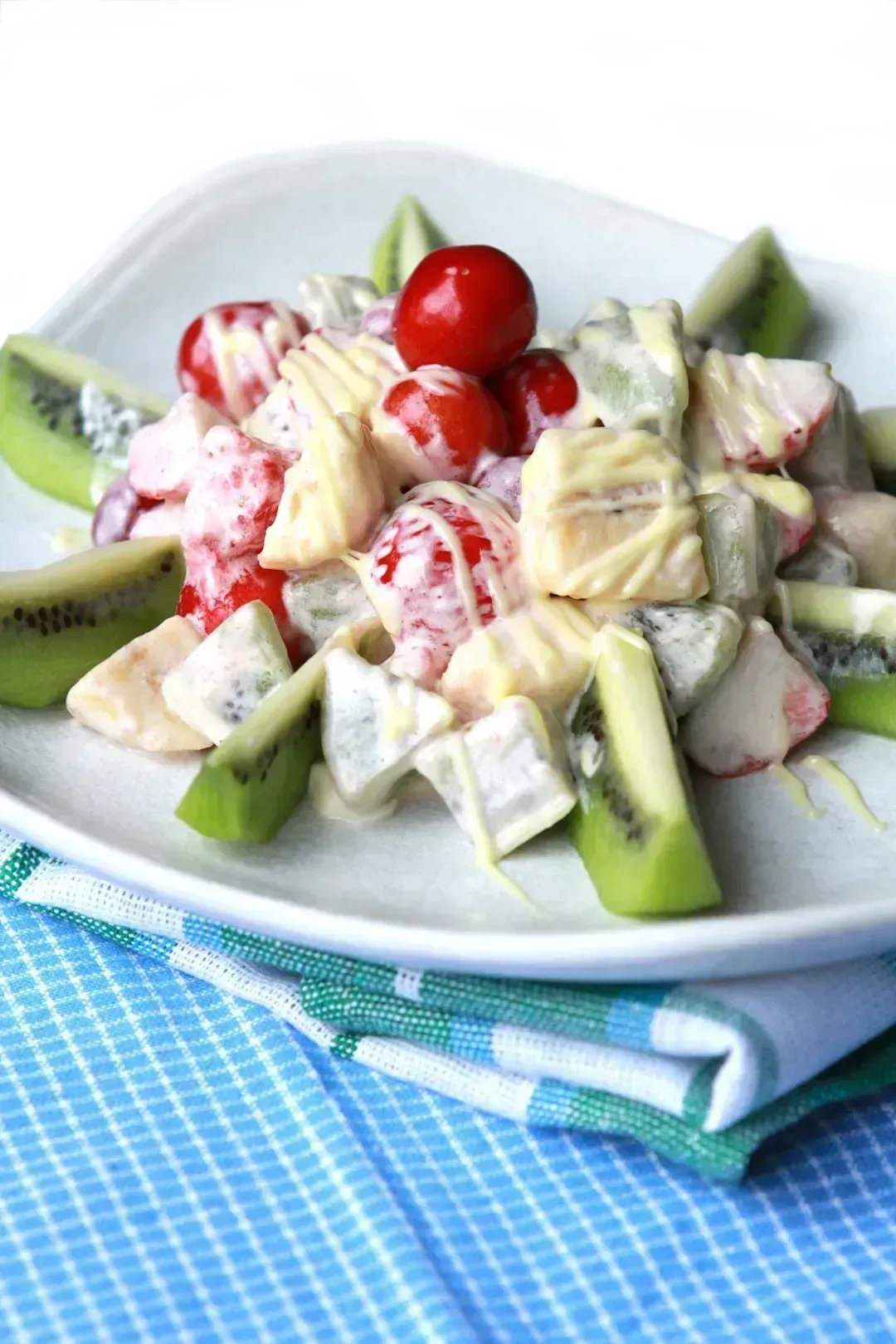
Named after the food of the Greek gods, this sweet concoction was a must-have at every holiday gathering and church potluck from the early 1900s through the 1980s. The salad mixed canned fruit cocktail, mini marshmallows, shredded coconut, and sour cream or whipped cream into a fluffy, sweet side dish, with some families adding maraschino cherries or chopped pecans for extra flair.
Ambrosia salad lost popularity as Americans reduced sugar intake. The heavily sweetened, processed nature of the dish feels dated now, though it still appears occasionally at Southern gatherings where tradition trumps modern nutritional wisdom. As a mix of canned fruit, marshmallows, and sweetened cream, it lost its footing as Americans broadly shifted away from high-sugar preparations. It’s one of those dishes that feels perfectly comfortable at a church basement buffet and nowhere else.
Baked Alaska

This spectacular dessert features ice cream wrapped in sponge cake and topped with toasted meringue. It was once the showstopping finale of any fine dining meal, but the labor-intensive preparation has made it scarce. Credit for the dish goes to a chef at Delmonico’s in New York City, who called the dish “Alaska, Florida” because of its cold and hot elements.
The spectacle of bringing a flaming Baked Alaska to the dinner table represented peak 1960s entertaining. It required precise timing, careful technique, and nerves of steel to pull off successfully. Modern diners prefer desserts that don’t risk setting the dining room on fire or melting into a puddle if the timing is off by thirty seconds. The dessert’s decline reflects our broader shift away from labor-intensive, risky culinary theatrics.
Tapioca Pudding

Tapioca pudding was once a common dessert on diner menus, where it appeared alongside perennial favorites such as chocolate cake and lemon meringue pie. You’ll have to look hard to find it in today’s diners. Even in its heyday, tapioca pudding was polarizing. The pudding base itself was not the problem – it was just a basic creamy vanilla pudding, maybe with a bit of lemon. What put some diners off was the texture of the tapioca itself: they either enjoyed the bouncy, chewy little nuggets or hated them.
That texture divide was ultimately the dish’s undoing in professional kitchens. The ingredient is struggling to shake its reputation as a bland diet food from the 1970s. While people are still buying it at the store, they are certainly not ordering it when they go out to eat. It is a humble food that has lost its place at the table.
Cherries Jubilee

The popularity of Cherries Jubilee declined for the same reasons as Steak Diane or Baked Alaska: no one was looking for excess or theatricality in their foods in the 1970s, as the country dove into recession and the turmoil surrounding the Vietnam War. Before that, the dessert, with its dramatic tableside flambé of warm cherries spooned over vanilla ice cream, had been a fixture of fine American dining for decades.
We look back now on dishes like these as deliberate and gaudy forms of conspicuous consumption, even though cooks back then might say the same thing about our foams and emulsions of today. The ritual of the flaming presentation was central to the experience. Without it, Cherries Jubilee was just a cherry topping, and that wasn’t enough to hold a place on a modern menu.
Chicken Divan
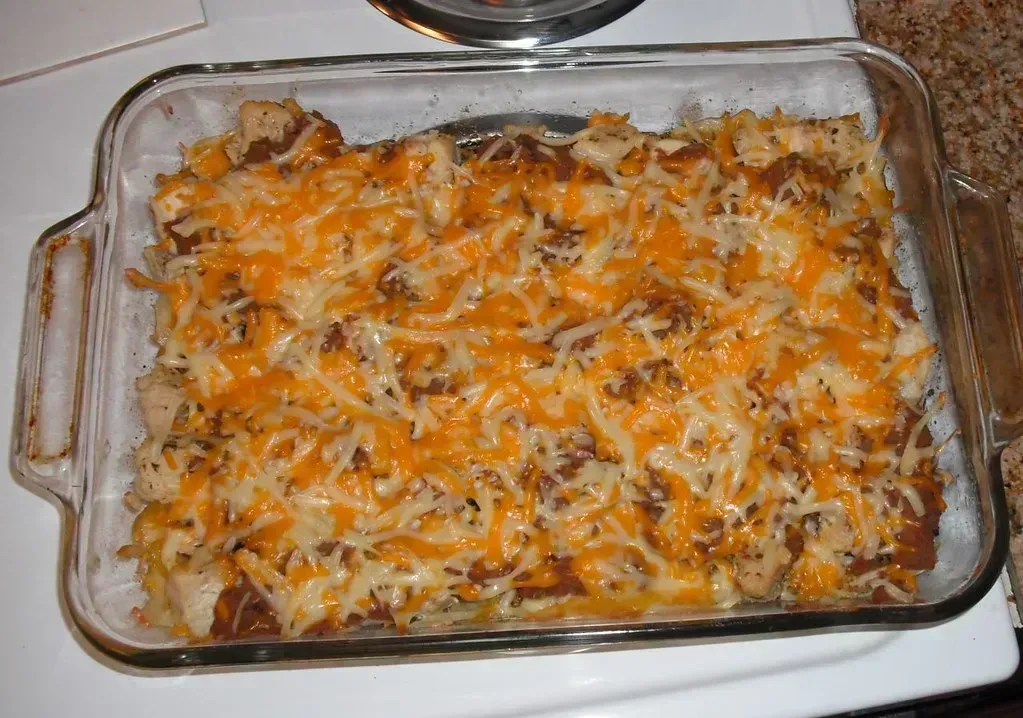
Chicken Divan originated in New York City sometime in the 1930s or 1940s. The dish is credited to The Divan Parisien Restaurant, where it was a specialty. Back in the day, diners prioritizing speed and thrift likely used canned chicken soup, then broiled the whole thing with a layer of grated cheese. Served with rice and maybe a side of vegetables, it was practically a balanced meal.
By the 1960s, the dish was already losing favor, even though Chicken Divan was served at President Nixon’s 56th birthday party and was a hit. It was soon regarded as a dish you only ordered at a restaurant, and it quietly faded into the background over time. The turkey Devonshire and dishes like Chicken Divan fell victim to the boom in processed foods in the 1950s and 1960s. As American diner owners capitalized on lower-cost ingredients and pre-made sauces, the quality of such dishes nosedived, leading to an inevitable knock-on effect on demand.
There’s something worth sitting with here. These weren’t just foods that fell out of fashion – they were signals of who Americans were at a particular moment, what they valued, what felt celebratory, and what felt modern. Food trends don’t always disappear overnight. Sometimes they fade quietly, showing up less often on menus, vanishing from grocery carts, or slowly being replaced by newer options. Many foods that once felt like permanent fixtures of American eating habits are now slipping into the background, with changing tastes, health priorities, convenience culture, and global influences all playing a role. The dishes on this list didn’t fail. They were simply left behind while everything else kept moving.


Leave a Reply