
Restaurant work moves fast. A busy server on a Friday night might be managing six tables, coordinating with the kitchen, handling a complaint, and mentally calculating tip income all at once. Most of them genuinely enjoy the job, the energy, the people. What chips away at that enthusiasm isn’t the pace or the long hours. It’s a handful of customer habits that repeat themselves, table after table, shift after shift.
Most diners don’t intend to be difficult. They’re just out for a meal, unaware of the unwritten rules that keep a restaurant floor running smoothly. But intent doesn’t always soften impact. Here are the twelve habits that genuinely get under the skin of restaurant staff, and why they’re more disruptive than most guests realize.
1. Snapping Your Fingers or Whistling to Get Attention
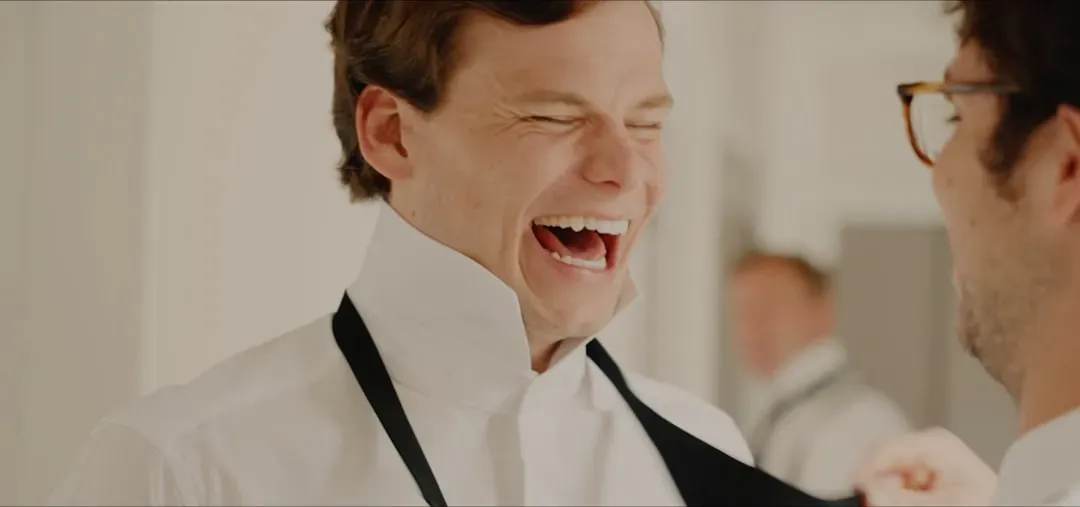
Snapping your fingers or whistling at a server is one of the most universally despised habits in the industry. Your server is not your servant. No one who has worked in the service industry has ever taken kindly to it, and it’s both demeaning and enough to land you immediately on a server’s mental list of difficult guests. The irony is that it rarely speeds things up. It just creates friction.
Snapping, flailing arms, or loudly yelling across the room doesn’t accelerate service. It actually sends stress signals rippling through the entire dining room, with the server taking the brunt of it. Before doing any of that, consider that servers are typically juggling multiple tables and have very likely already clocked your empty glass. A calm, raised hand or quiet eye contact works every time.
2. Piecemeal Ordering, One Request at a Time
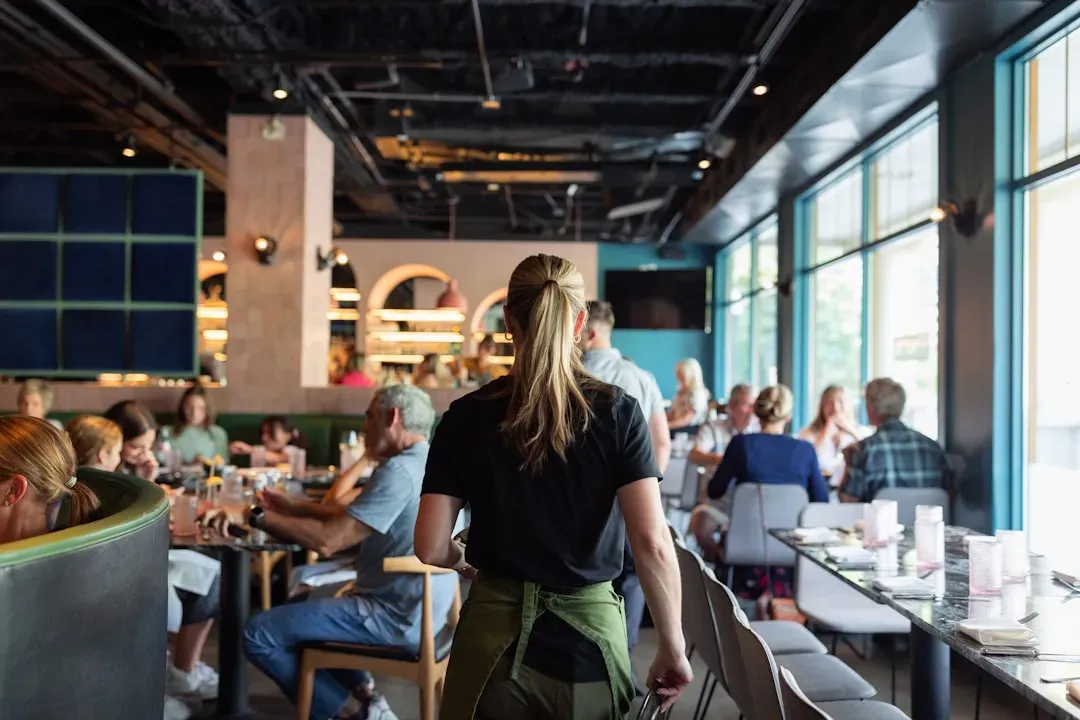
There’s a pattern servers have quietly named “one-timing.” It happens when a diner calls the server over repeatedly, asking for just one more thing each time: extra napkins, then ranch dressing, then lemon for the water, then a spoon for the soup, then more ice. In isolation, each request seems reasonable. Together, it’s the restaurant version of death by a thousand cuts.
Restaurants run on efficiency, timing, and the fragile hope that everything clicks. When a server has eight tables and one of them keeps summoning them like a genie, it throws the whole floor off, especially during peak hours. It’s far better to make a server take fewer trips by ordering everything you need at once. If you know you like ketchup, ranch, and hot sauce, ask for all of it when they’re standing there.
3. Camping at the Table Long After the Meal Is Over

Lingering long after you’ve settled up is one of those unintentional faux pas that quietly drives servers wild. Each table represents potential income, and when you camp out, you’re unknowingly cutting into their tip total. During peak hours, a table held hostage can mean another group of hungry guests left waiting and another missed round of earnings.
When you sit for hours after finishing your meal, especially during peak service, you’re directly costing the server money. They can’t seat new customers, which means fewer tips for the night. Servers’ livelihoods are directly tied to efficiency and table turnover. Nobody expects you to bolt the moment you pay, but reading the room matters.
4. Claiming a Fake Food Allergy

Claiming fake allergies to adjust a dish strains trust and slows service considerably. Kitchens take allergies seriously, following strict cross-contamination protocols. When a guest lies about one, it raises costs and can genuinely put another guest with a real allergy at risk. Kitchen staff often have to halt what they’re doing, swap equipment, and reconfigure prep entirely.
Allergy protocols are serious and time-consuming. Faking one for a simple preference wastes resources and can endanger someone else through confusion. Be honest: say you dislike something or have a mild intolerance instead. True allergies require strict avoidance and special preparation. The kitchen will almost always accommodate a sincere, honest request.
5. Letting Children Run Loose Around the Restaurant
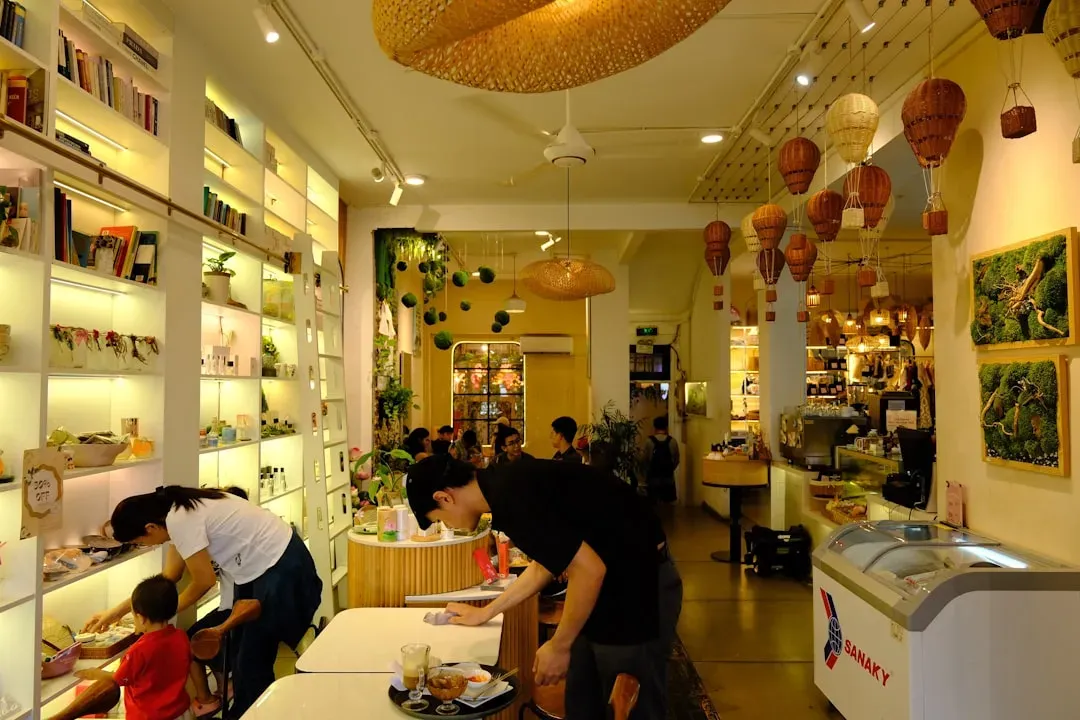
One of the most frequently cited frustrations from servers is when parents let their children run around as though the restaurant is a playground. It’s a genuine safety problem. When a server tries to remind parents that bare feet and busy floors with hot plates are a hazard, they’re often ignored or met with hostility.
Most servers have no issue with children dining out. Whether they’re coloring at the table, watching something quietly on a screen, or working through the kids’ menu, children are welcome. The problem comes when parents decide that eating out also means taking a full break from parenting altogether. Servers carrying heavy trays through a crowded floor need to know the path is clear.
6. Not Tipping, or Tipping Far Below the Accepted Standard
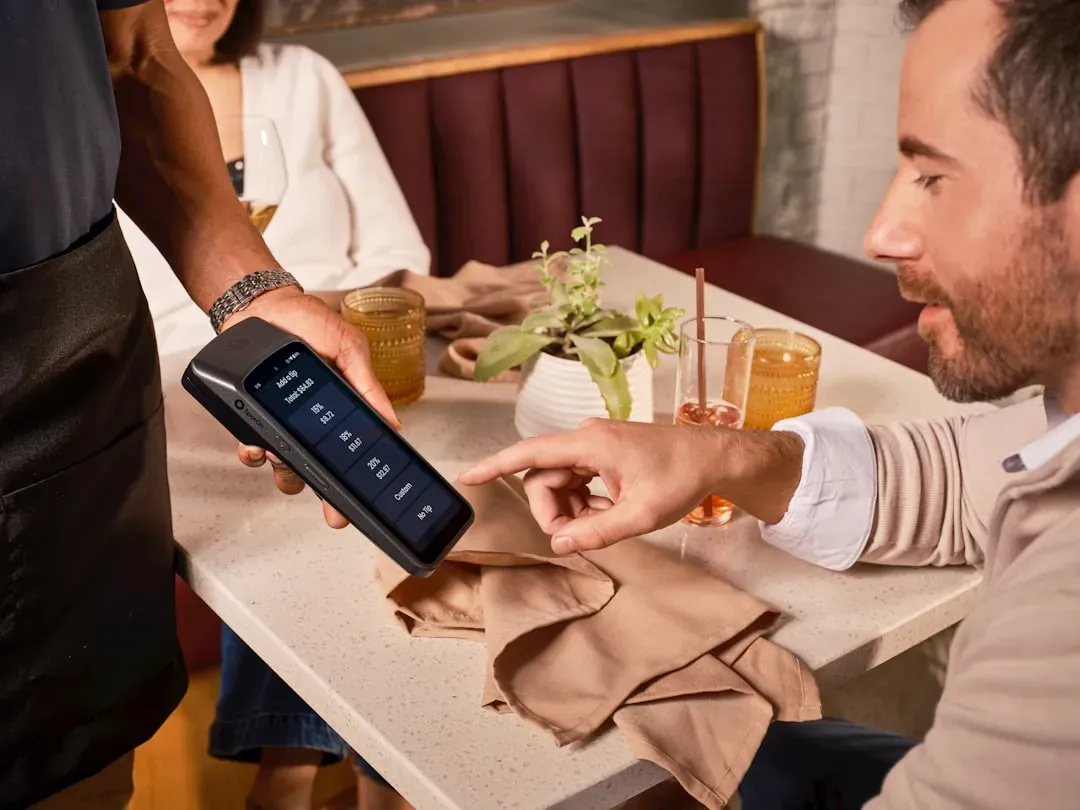
Servers across multiple states earn as little as $2.13 an hour, meaning most rely almost entirely on tips to survive. On top of that, many restaurants require servers to tip out the rest of the staff from their own earnings. If you choose not to tip, the server has effectively paid out of their own pocket to serve you.
Surveys indicate a decline in the share of people who always tip, dropping from around three quarters in 2019 to roughly two thirds in 2023. The fundamental principle hasn’t changed, though: service workers depend on tips as core income. The standard has also shifted, and these days eighteen to twenty percent is considered the new norm. Leaving a note about a lovely smile in place of cash is, to put it kindly, not appreciated.
7. Stacking Dishes or Shoving Trash Into Glasses
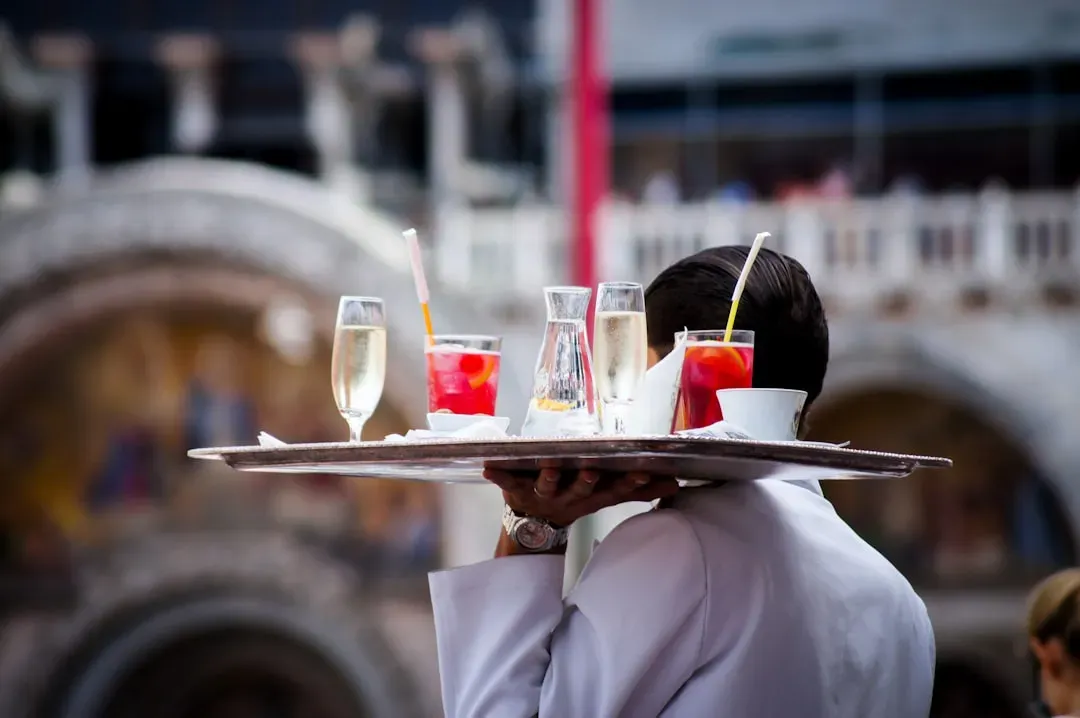
Stacking dirty dishes and silverware on top of each other might feel helpful, but it really isn’t. A server then has to fish out dirty knives covered in used condiments with their fingers. The instinct to tidy up is understood, but the execution usually creates more work than it saves.
Shoving trash into your cup is a similar misstep. Straw wrappers, napkins, used silverware, chicken bones, and food stuffed into a glass all have to be fished out by hand. It makes cleanup far harder than simply leaving things on the table. The right move is to alert the server and let them clear the table properly.
8. Walking In Just Before Closing Time and Ordering a Full Meal
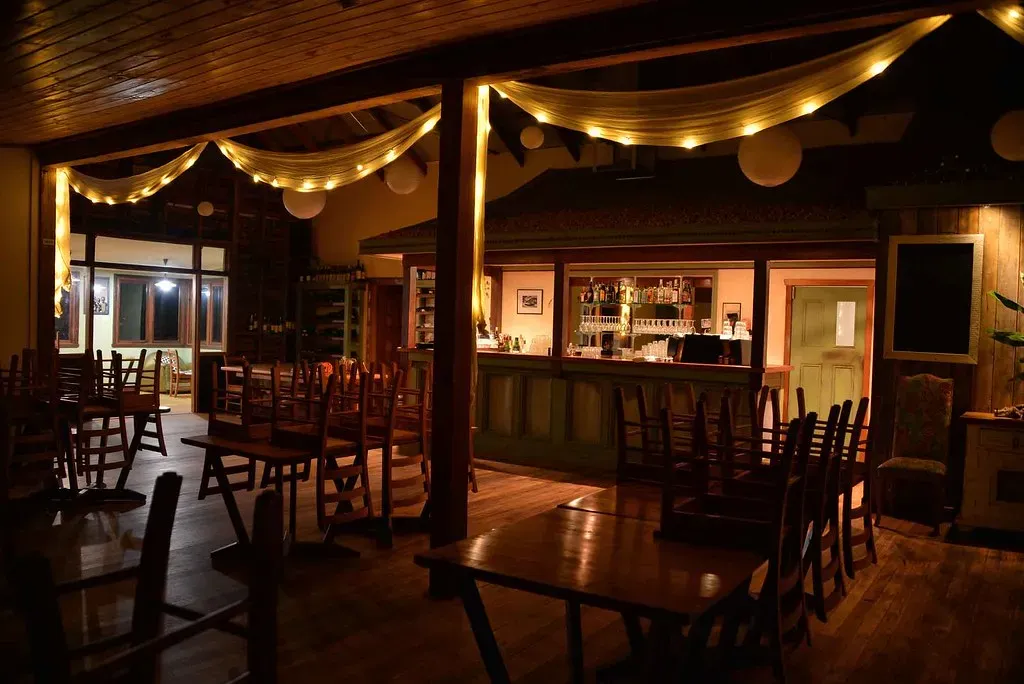
Ordering right before closing can feel legitimate if the posted hours say the restaurant is still open. People defend it as fair access to a service they arrived in time for. The reality, though, is that cooks have already begun cleaning down stations and preparing for the next day. The front-of-house staff is often equally deep into their closing routines.
Restaurants run on efficiency, timing, and the fragile hope that no one orders a well-done steak five minutes before closing. Walking in at the last minute and ordering a complex multi-course meal puts the entire kitchen on pause. If you do arrive late, ordering simply and tipping generously goes a long way toward making it right.
9. Ignoring the Server When They Approach
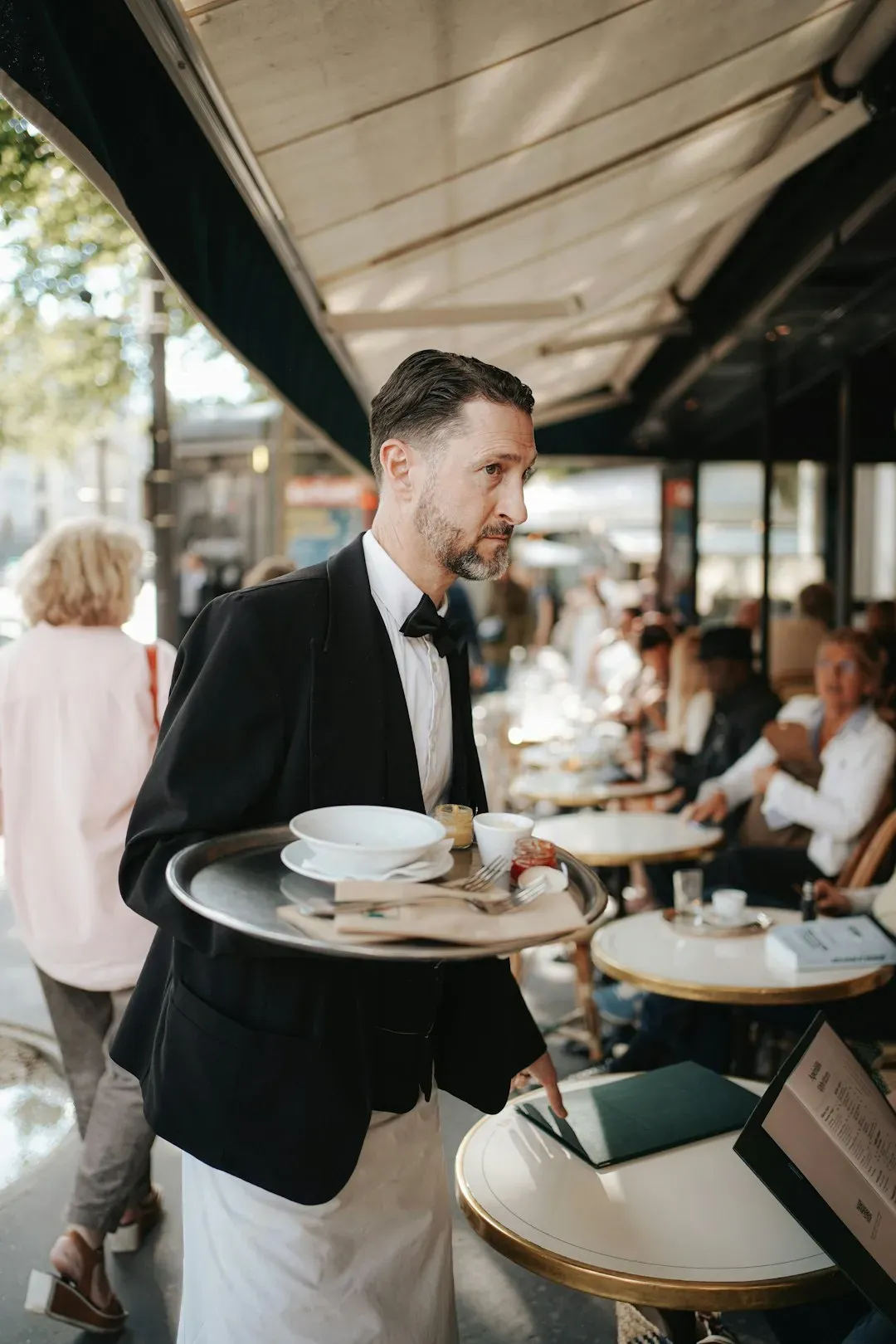
This one gets under servers’ skin more than people expect. A server approaches the table mid-conversation or while the guest is scrolling a phone. They stand there, pen ready, waiting. The customer holds up one finger without looking up, finishes their sentence or their message, and then finally acknowledges the server’s presence. It’s a small thing, but it stings.
The basics of common courtesy expected in restaurants are really just the basics of common courtesy in general. While a server is doing their job providing a service, it’s still appreciated when guests use a simple “please” and “thank you.” Treating servers like the human beings they are shouldn’t be surprising to say, yet the average server encounters people who demand rather than ask on a regular basis.
10. Complaining to Get a Free Meal
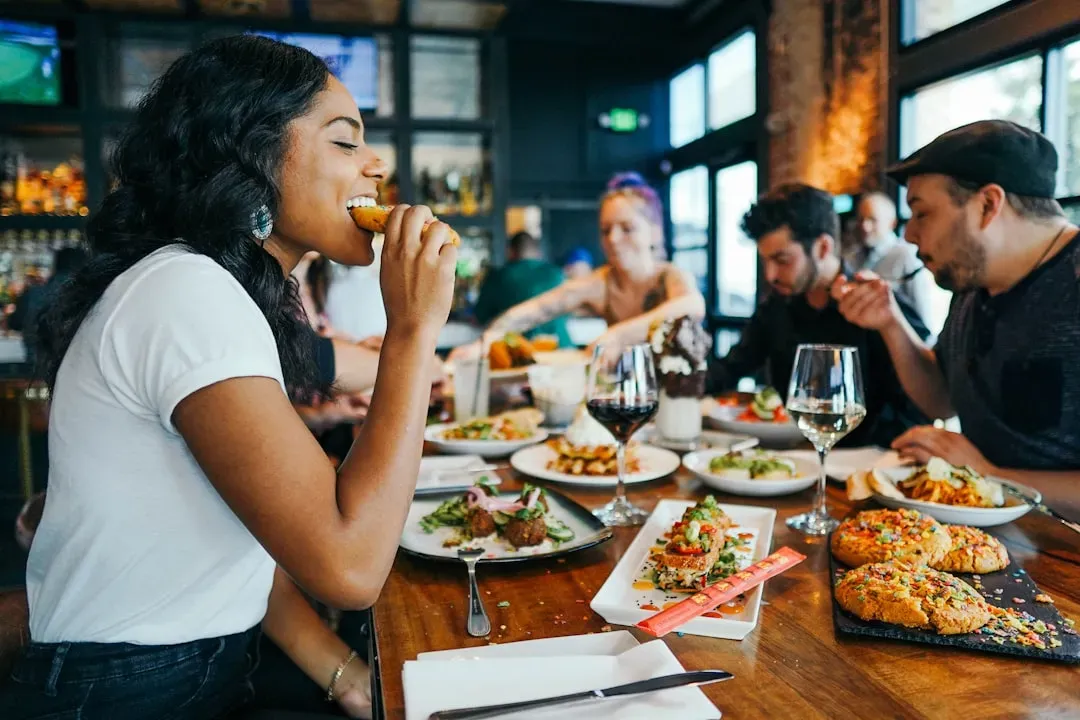
A habit that servers clock almost instantly is when people complain in order to get a free meal, even when everything was actually fine. The manufactured grievance isn’t new. Eating most of a dish and then declaring it inadequate is a pattern that experienced staff recognize within seconds, and it damages trust for future complaints that are entirely legitimate.
Restaurants do want to fix genuine problems. A loud complaint rattles nearby tables and puts staff on the defensive, making solutions harder to reach. Lowering your voice, stating the issue clearly, and letting the team fix it tends to work far better. Calm energy invites help instead of triggering defensiveness. Real complaints handled respectfully almost always get resolved.
11. Treating the Bill Surprise as the Server’s Fault
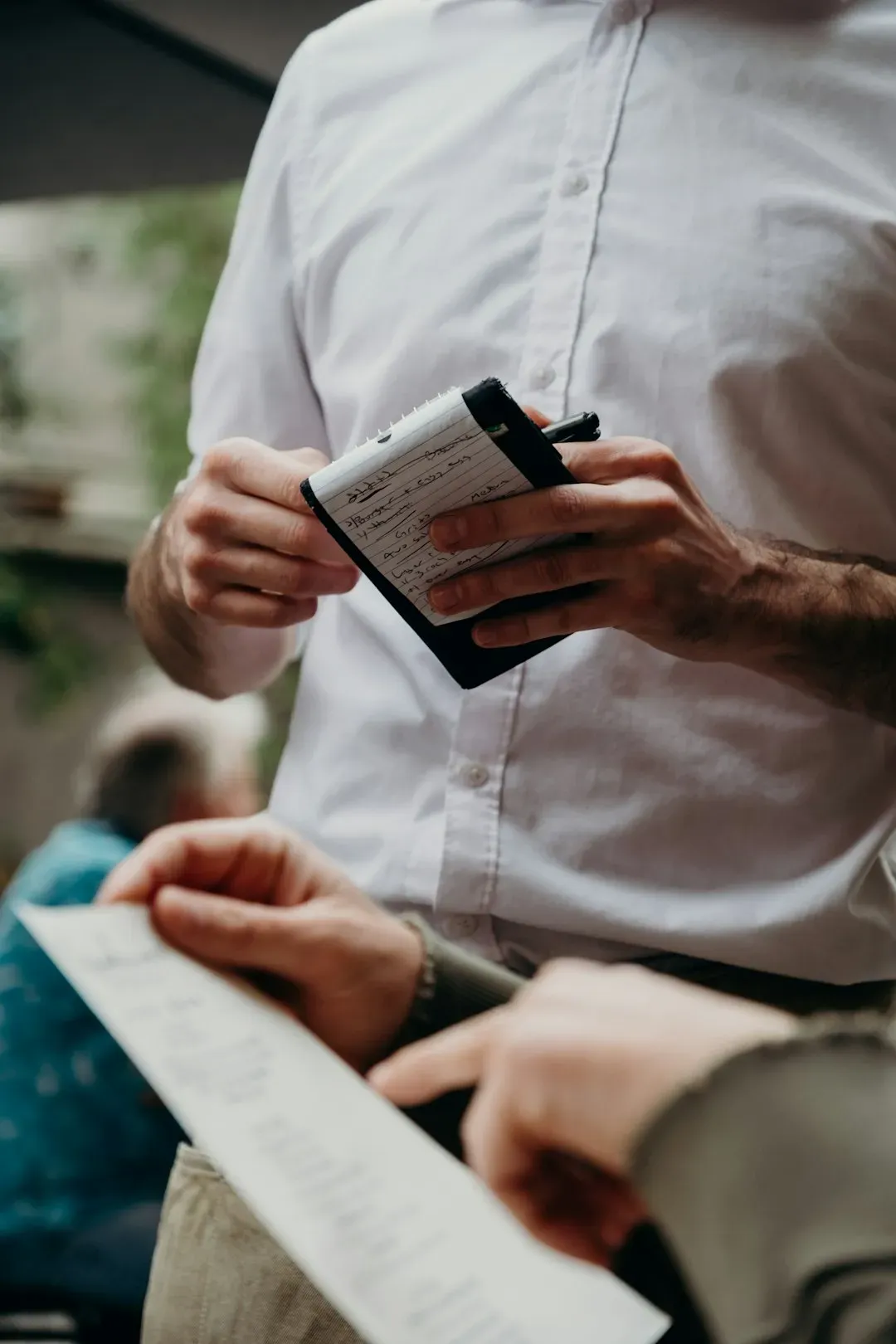
Customers who order a stack of extra sides like cheese, guacamole, or additional rice, then act shocked when the bill includes charges for those extras, are a consistent frustration. When you go out to eat, extra food isn’t typically free. Servers have no say in the prices of items on the menu, the cost of a glass of wine, or even the taxes. Directing that frustration at the server is both unfair and misdirected.
Customers who don’t communicate about splitting the bill, or how they’d like it divided, create real headaches too. Servers have had to redo entire payment transactions because a table didn’t mention their preferred split until after everything was already processed. A quick heads-up before the check arrives saves everyone time and confusion.
12. Turning the Table Into a Content Shoot
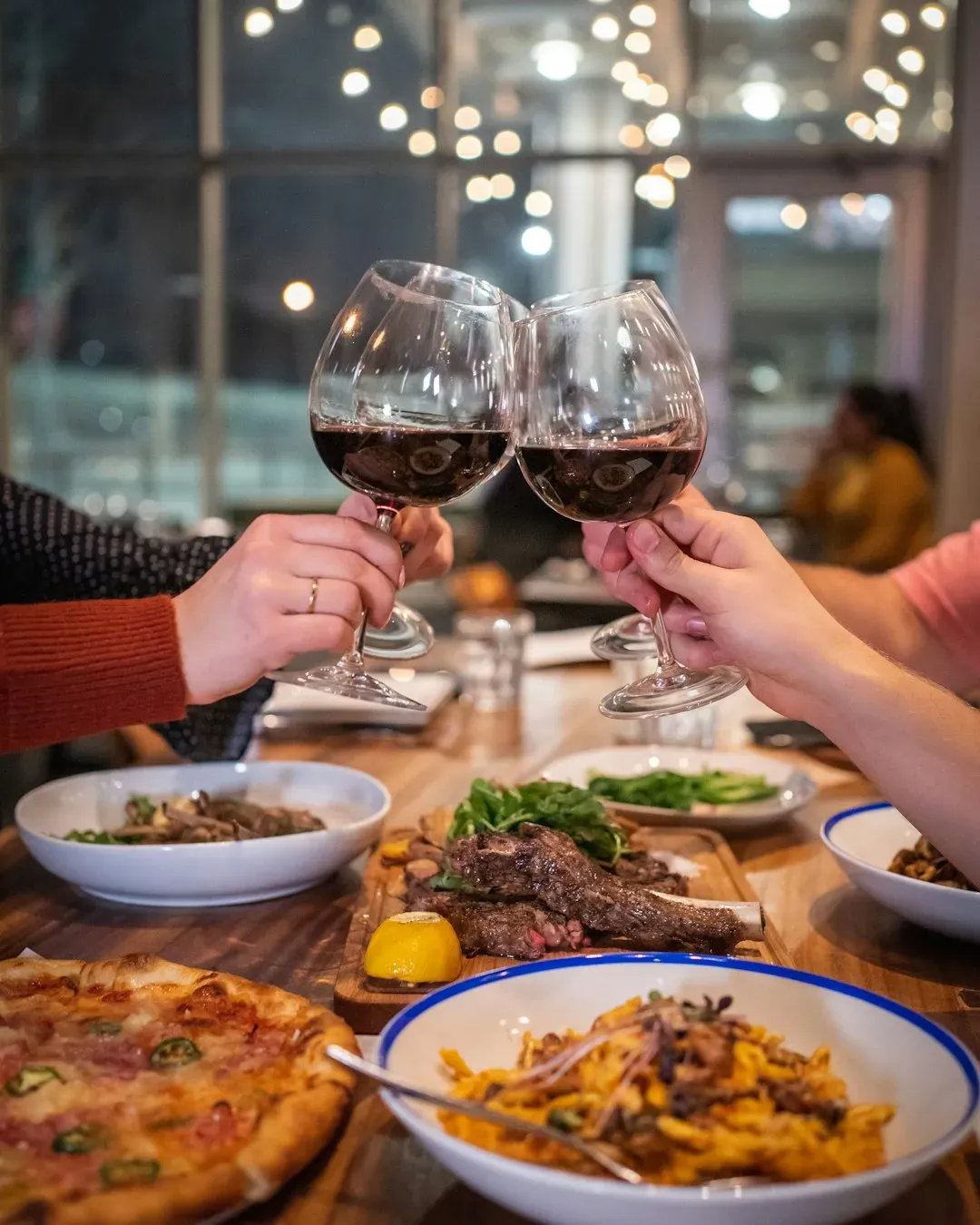
A quick photo of a beautiful plate is harmless, and most people understand it. Food can be genuinely beautiful and nobody is going to be shocked when someone snaps a picture before eating. The problem starts when dinner becomes a full production. Standing on a chair for the perfect angle, blocking the aisle, filming strangers in the background, and making everyone wait while the food gets cold turns one table into an obstacle for the entire room. Restaurants are not private content studios.
Filming staff without consent is a related problem that has grown notably in recent years. It puts employees on a stage they never agreed to perform on, and faces shared online without permission can carry real-world consequences. The phone is fine at the table. The issue is when using it stops being a personal choice and starts becoming everyone else’s experience.
None of these habits require a dramatic change of personality. Most of them come down to one straightforward shift: remembering that the people serving you are managing a dozen things at once, in a profession that is genuinely taxing, and that a little awareness on the guest’s side makes the whole experience better for everyone in the room. The best restaurant meals tend to feel like a collaboration. That works both ways.


Leave a Reply