
Most families rely on leftovers as a practical way to save time and reduce waste. Reheating yesterday’s dinner feels harmless enough, but certain foods undergo troubling transformations when exposed to heat a second time. Recent research and food safety warnings from health agencies have highlighted specific items that can develop toxins, harbor dangerous bacteria, or lose their nutritional integrity when reheated. Understanding which foods pose risks can protect your family from unnecessary health complications.
Rice: The Silent Bacterial Threat
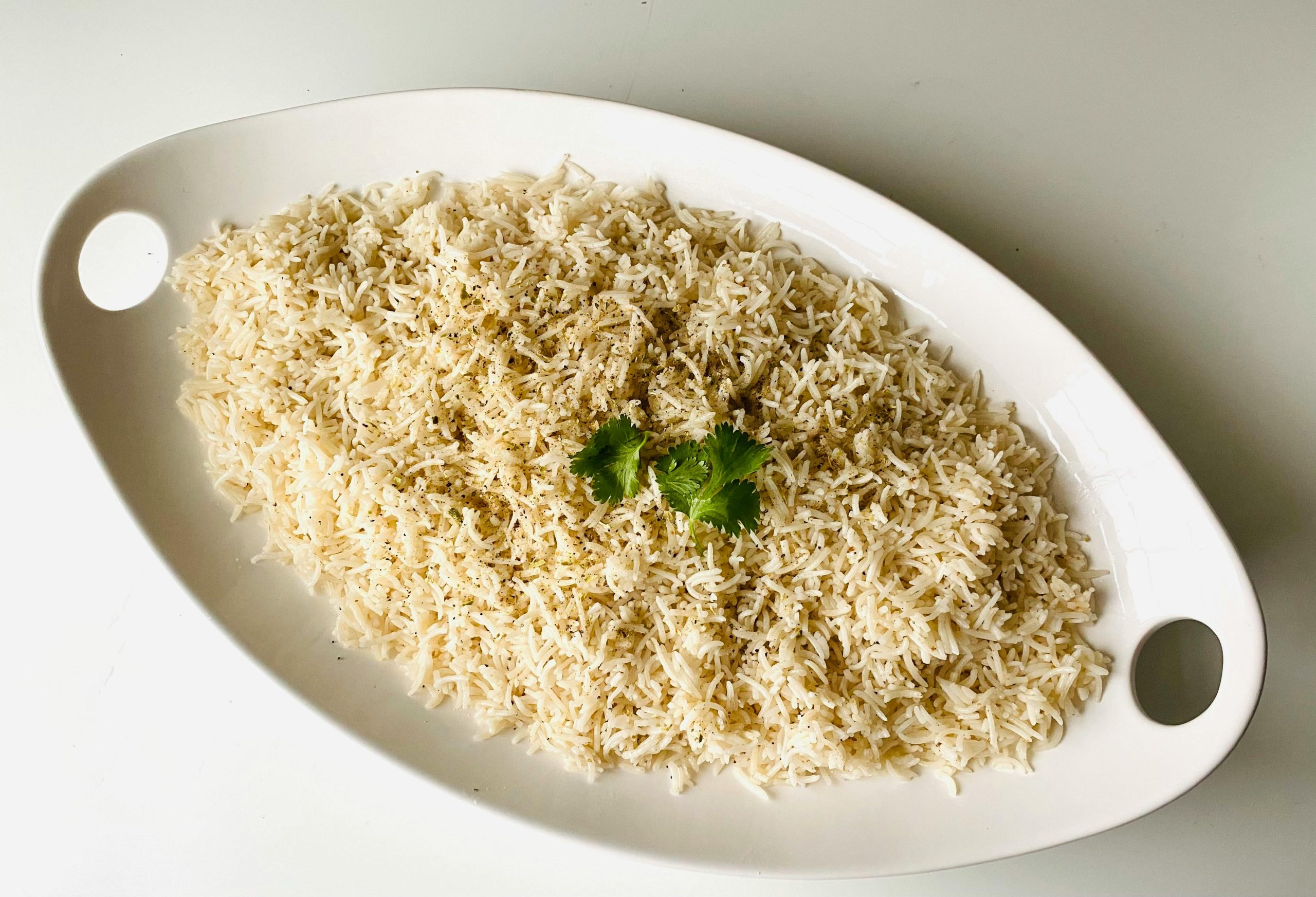
The culprit behind reheated rice syndrome is a spore-forming bacteria called Bacillus cereus, which has gained significant attention from food safety experts in recent years. Unlike common foodborne bacteria like Salmonella and E. coli, cooking or reheating your food won’t protect you from a Bacillus cereus infection because the toxins are heat-resistant and the spores can also survive cooking or digestion. When rice sits at room temperature after cooking, these dormant spores awaken and multiply rapidly, producing toxins that remain dangerous even after thorough reheating.
The Centers for Disease Control and Prevention (CDC) states that Bacillus cereus accounts for 63,000 yearly cases of foodborne illness in the United States. The problem extends beyond rice to other starches including pasta and potatoes. In the right conditions, a colony of B. cereus can double in size every 20 minutes at around 86°F (30°C), producing enough toxins to make you sick. Proper storage within one hour of cooking and immediate refrigeration can prevent this multiplication, but many families leave rice sitting out for hours before storing it away.
Spinach: Nitrates Turning Toxic
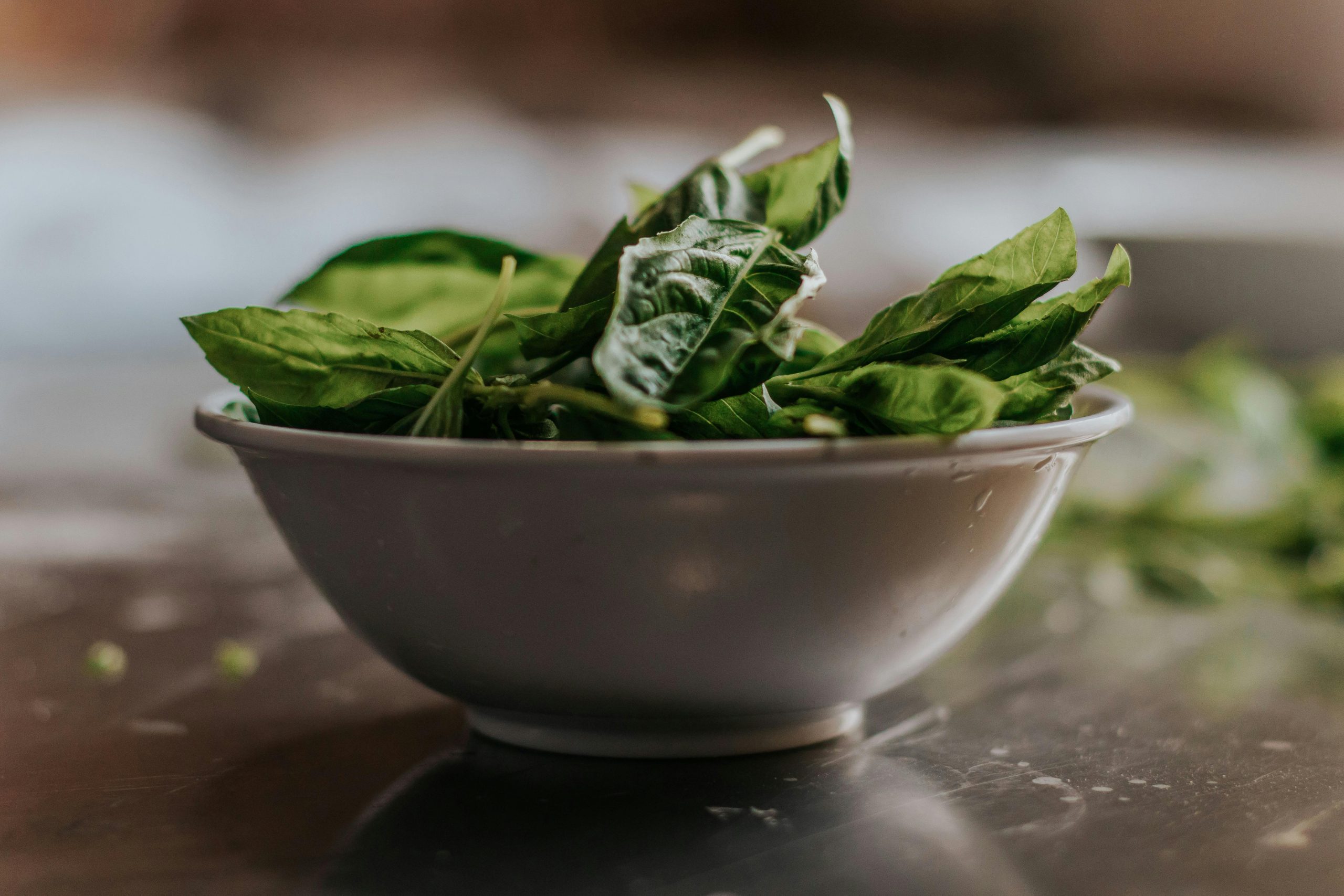
Spinach naturally contains nitrate, which can convert to nitrite if it’s stored incorrectly or heated repeatedly. Nitrite can be harmful, especially for young children, because it can affect oxygen absorption in the blood. This conversion happens when bacteria interact with cooked spinach that has been left at room temperature or stored improperly. Nitrite forms relatively quickly in spinach when the cooked vegetable is left at room temperature. A critical nitrite level can develop after just a few hours.
The concern intensifies when nitrites transform further into nitrosamines under high heat conditions. When heated, nitrates begin to break down and become nitrites, which can then convert into nitrosamines. Nitrites can affect oxygen intake and nitrosamines are a known carcinogen. Modern research suggests that proper storage dramatically reduces these risks, but the practice of repeatedly reheating spinach dishes remains problematic. Families should consume cooked spinach within one day and avoid reheating it multiple times to minimize potential harm.
Chicken: Protein Breakdown Problems

Research published in the Journal of Food Science and Technology shows that repeated reheating can break down protein structures in chicken. This not only makes the meat harder to digest but may also reduce its nutritional value over time. Chicken’s high protein density makes it particularly vulnerable to structural changes during reheating, which can lead to digestive discomfort for many individuals. Thermal treatment causing the muscle fibers of the meat products to contract during the reheating process alters the intracellular structure and leads to varying degrees of loss of moisture, soluble proteins, lipids, vitamins, and trace elements.
Beyond protein degradation, chicken poses bacterial risks when handled improperly. Chicken contains dense protein structures that, when cooled and reheated incorrectly, become perfect breeding grounds for Salmonella and other bacteria. The danger zone (40°F-140°F) is where these pathogens throw a party on your poultry. Food safety experts emphasize that chicken should reach an internal temperature of 165°F during reheating and should only be reheated once to maintain both safety and quality.
Mushrooms: Enzyme and Protein Destruction
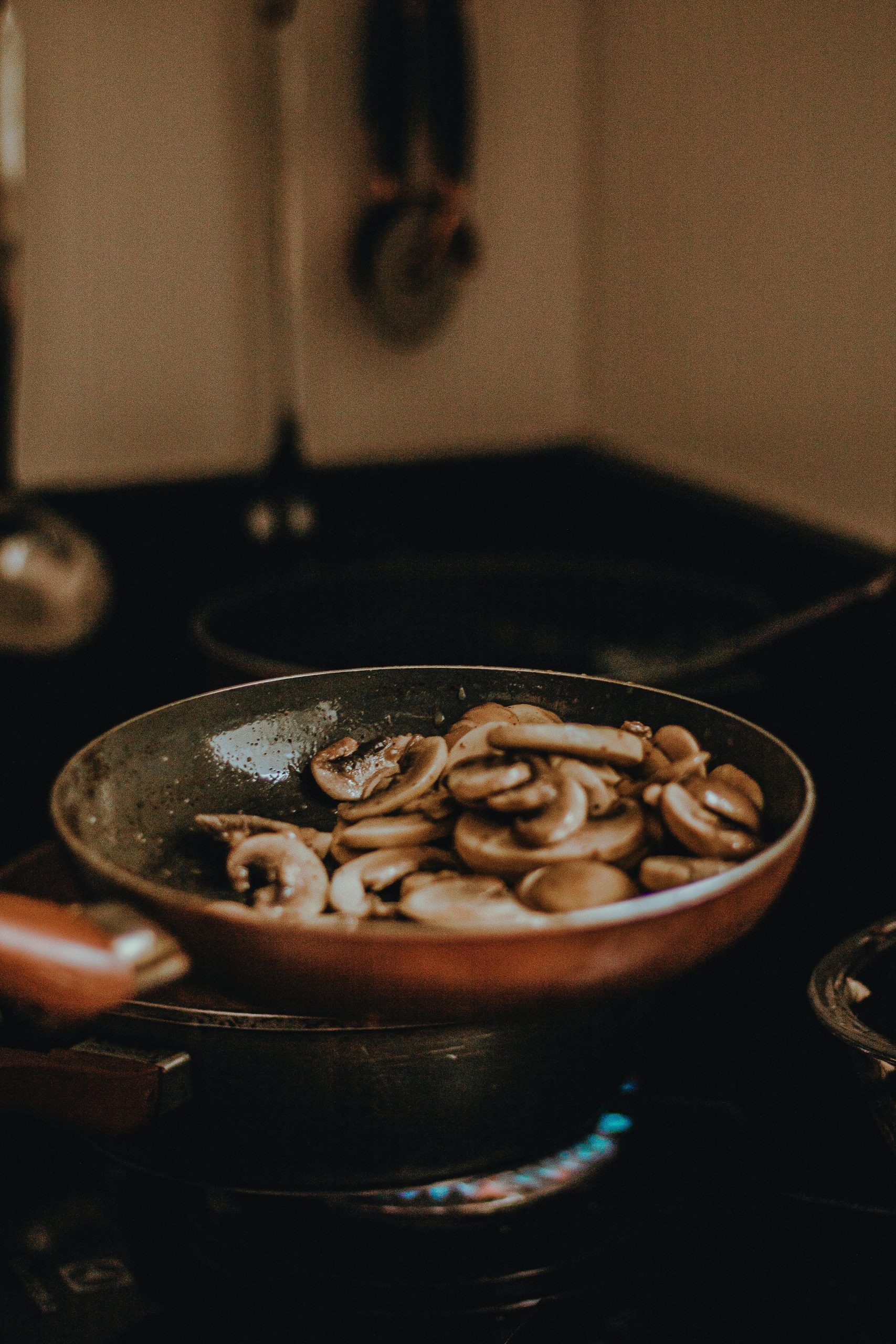
Mushrooms are rich in proteins, but reheating them causes the proteins to break down and release toxins. This can lead to digestive issues, like stomach upset, and in severe cases, heart complications. The delicate structure of mushrooms makes them highly susceptible to rapid degradation even under refrigeration. The primary concern with reheating mushrooms lies in the potential for bacterial proliferation. Certain types of bacteria, particularly Bacillus cereus, can flourish in cooked mushrooms that are not stored properly. These bacteria produce toxins that are heat-stable, meaning they are not destroyed by reheating.
Mushrooms are prone to enzymatic degradation after cooking. These enzymes continue to break down the mushroom’s proteins and cellular structures, which can lead to the development of undesirable compounds and a loss of nutritional value. Food safety specialists recommend consuming mushrooms immediately after cooking whenever possible. If storage becomes necessary, cooked mushrooms should be cooled rapidly and refrigerated within two hours, then consumed within 24 hours to minimize bacterial growth and enzymatic breakdown.
Eggs: Salmonella’s Favorite Environment
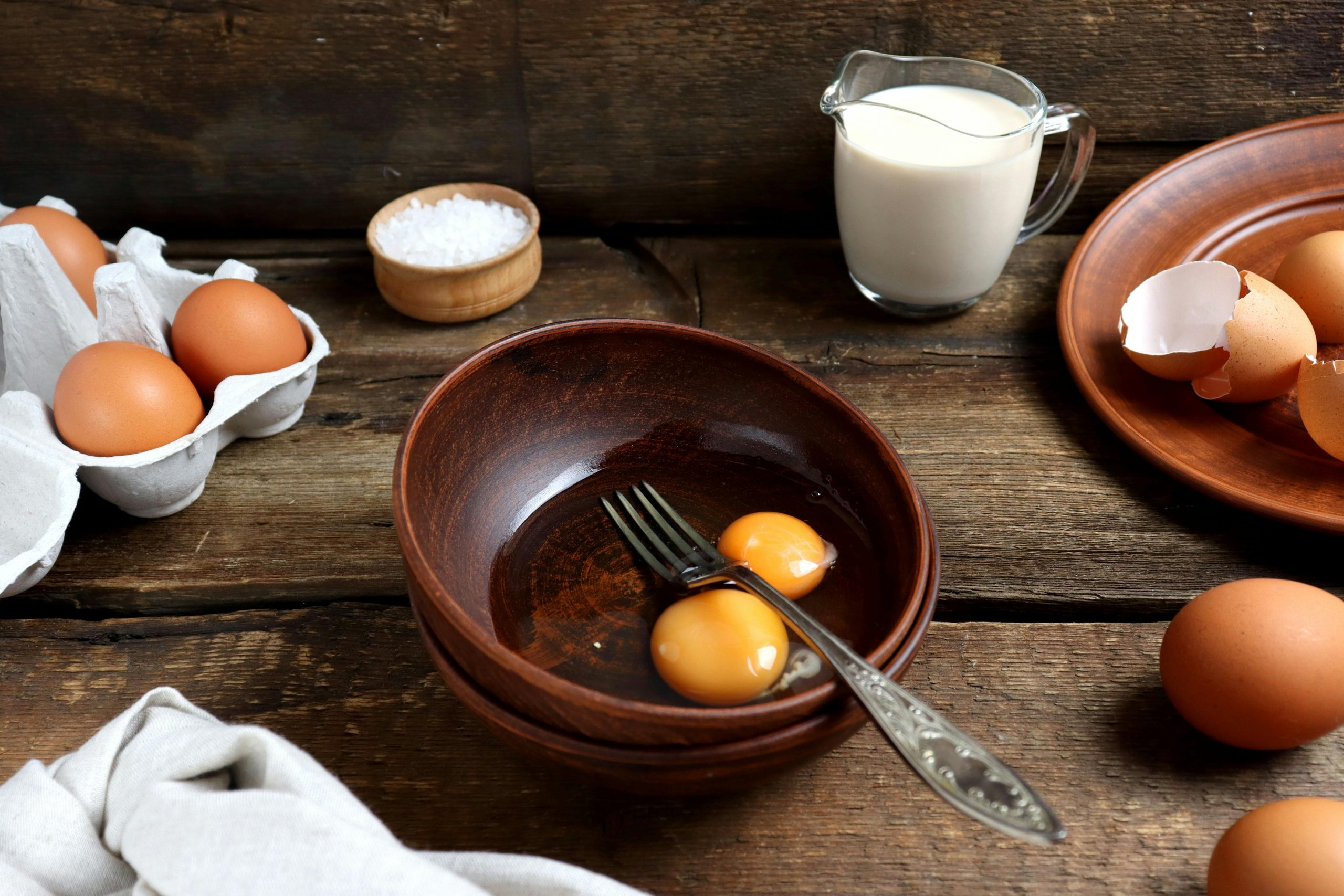
Eggs present a particular challenge when considering reheating due to their protein-rich composition and vulnerability to bacterial contamination. Reheating eggs, particularly scrambled eggs, omelets, or fried eggs that have been sitting out, can lead to the proliferation of Salmonella bacteria if not handled and reheated properly. The protein structure can also become rubbery and unappetizing. The texture changes alone often discourage people from reheating eggs, but the safety concerns should be the primary consideration.
Proteins in chicken, mushrooms, and eggs are sensitive. Reheating can cause further denaturation and breakdown, making them harder to digest for some individuals and creating unpleasant textures. Unlike soups or stews where eggs might be incorporated into a larger dish, standalone egg preparations like omelets or scrambled eggs deteriorate rapidly both in quality and safety when stored and reheated. Food safety experts consistently advise preparing eggs fresh and consuming them immediately rather than attempting to save and reheat them later.
Potatoes: The Botulism Risk

Cooked potatoes, especially those baked in foil, can create an anaerobic environment conducive to the growth of Clostridium botulinum, the bacterium that produces botulism toxin. If cooked potatoes are left at room temperature for extended periods, these bacteria can multiply. The wrapped, oxygen-free environment created by aluminum foil provides ideal conditions for this dangerous pathogen to thrive. Botulism represents one of the most serious forms of food poisoning, capable of causing paralysis and potentially fatal complications.
Bacteria like Bacillus cereus (rice) and Clostridium botulinum (potatoes) produce heat-resistant spores that survive initial cooking. When food cools slowly, these spores germinate into active bacteria, which then multiply and produce heat-stable toxins. Reheating kills the bacteria but not always their toxins. Families should cool cooked potatoes quickly, remove any foil wrapping before storage, and refrigerate promptly. When reheating becomes necessary, potatoes should be heated thoroughly throughout, though the safest approach involves consuming them freshly prepared whenever possible.




Leave a Reply